 Indietro
Carbon and the Molecular Diversity of Life: Structure and Function of Biological Macromolecules
Guida di studio - Note intelligenti
 Appunti personalizzati basati sui tuoi materiali, ampliati con definizioni chiave, esempi e contesto.
Overview of Organic Chemistry in Cell Biology
Vitalism vs. Mechanism
Organic chemistry is the study of carbon-containing compounds, which are fundamental to life. Historically, vitalism was the belief that organic compounds could only arise within living organisms, governed by a 'vital force.' This was challenged by mechanism, the idea that all natural phenomena, including life, are governed by physical and chemical laws.
Stanley Miller Experiment: In 1953, Miller simulated early Earth conditions, demonstrating that organic molecules (e.g., amino acids, nitrogenous bases) could be synthesized abiotically, supporting the mechanistic view of life's origins.
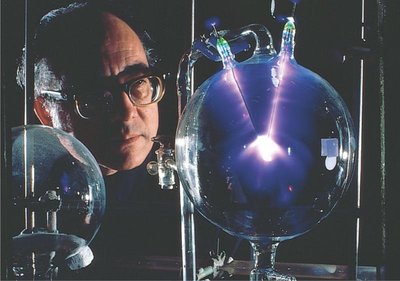
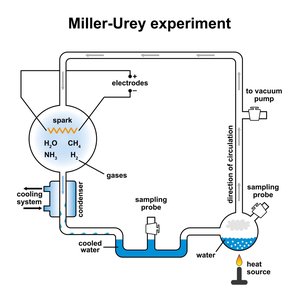
Conclusion: Organic compounds may have been synthesized abiotically on early Earth, setting the stage for the origin of life.
Chemical Components of Cells: Carbon's Unique Properties
Why Carbon?
Carbon is central to organic chemistry due to its unique bonding properties:
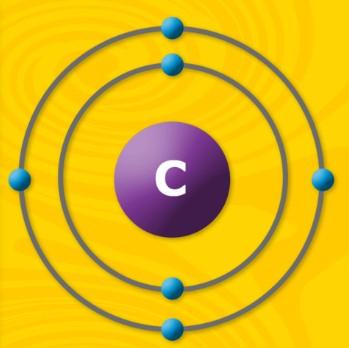
Tetravalence: Carbon has four valence electrons, allowing it to form four covalent bonds in a tetrahedral geometry.
Structural Diversity: Carbon can form chains, branched molecules, and rings, enabling a vast diversity of organic molecules.
Shape Determines Function: The three-dimensional shape of carbon-based molecules is critical for their biological function.
Hydrocarbons and Isomerism
Hydrocarbons
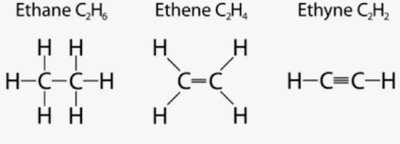
Hydrocarbons are organic molecules consisting only of carbon and hydrogen. They are nonpolar, hydrophobic, and store large amounts of energy (e.g., in lipid tails).
Saturated Hydrocarbons: Only single bonds (alkanes), general formula .
Unsaturated Hydrocarbons: Contain double (alkenes, ) or triple bonds (alkynes, ).
Cycloalkanes: Ring structures, e.g., cyclohexane.
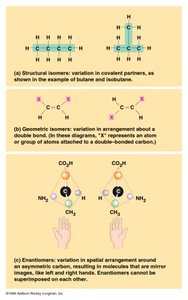
Isomers
Isomers are compounds with the same molecular formula but different structures and properties:
Structural Isomers: Differ in covalent arrangement of atoms.
Geometric (Cis-Trans) Isomers: Differ in spatial arrangement around a double bond.
Enantiomers: Mirror images due to an asymmetric carbon; important in pharmacology (e.g., thalidomide).
Functional Groups and Their Importance
Overview of Functional Groups
Functional groups are specific groups of atoms attached to carbon skeletons that confer distinct chemical properties to organic molecules. They are critical for the structure and function of biomolecules.
Hydroxyl (-OH): Found in alcohols; polar, increases solubility in water.
Carbonyl (C=O): Found in ketones (within carbon skeleton) and aldehydes (at the end).
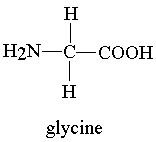
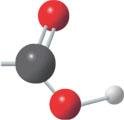
Carboxyl (-COOH): Found in carboxylic acids; acts as an acid (can donate H+).
Amino (-NH2): Found in amines; acts as a base (can accept H+).
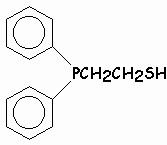
Sulfhydryl (-SH): Found in thiols; forms disulfide bonds in proteins.
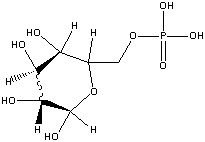
Phosphate (-PO4): Found in organic phosphates; important in energy transfer (e.g., ATP).
Macromolecules: Structure and Function
Polymers and Monomers
Most biological macromolecules are polymers, long chains of monomers linked by covalent bonds. The four major classes are carbohydrates, proteins, nucleic acids, and lipids (not true polymers).
Polymerization: Monomers are joined by dehydration (condensation) reactions, releasing water.
Hydrolysis: Polymers are broken down into monomers by adding water (important in digestion).
Carbohydrates
Monosaccharides
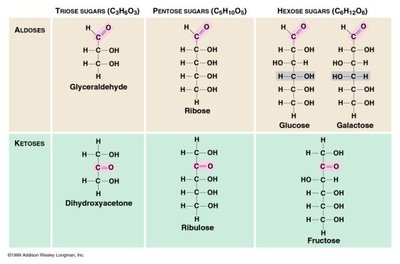
Monosaccharides are simple sugars with the general formula . They contain multiple hydroxyl groups and one carbonyl group, which can be an aldehyde (aldose) or ketone (ketose).
Examples: Glucose (product of photosynthesis), ribose (in RNA), deoxyribose (in DNA).
Functions: Energy source, raw material for amino acids and fatty acids.
Disaccharides and Polysaccharides
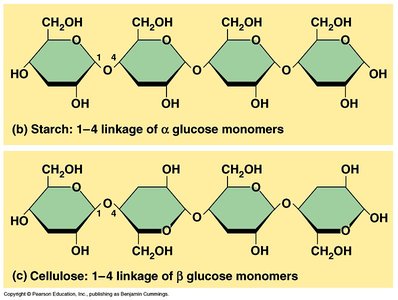
Disaccharides are formed by glycosidic linkages between two monosaccharides via dehydration reactions. Polysaccharides are long chains of monosaccharides, serving storage or structural roles.
Common Disaccharides: Sucrose (glucose + fructose), maltose (glucose + glucose), lactose (glucose + galactose).
Storage Polysaccharides: Starch (plants), glycogen (animals).
Structural Polysaccharides: Cellulose (plants), chitin (fungi, arthropods).

Alpha and Beta Glucose
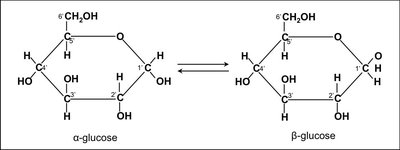
The orientation of the hydroxyl group on the anomeric carbon (C1) distinguishes alpha (α) and beta (β) glucose, affecting polymer structure and digestibility.
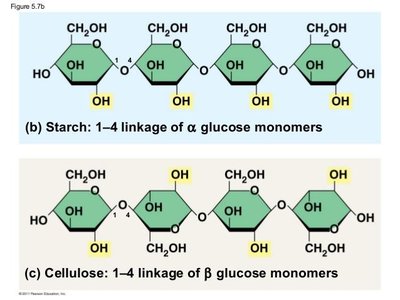
Alpha (α) Glucose: OH on C1 is down; forms helical polymers (e.g., starch, glycogen).
Beta (β) Glucose: OH on C1 is up; forms straight chains (e.g., cellulose).
Humans can digest α-linkages but not β-linkages (cellulose is dietary fiber).
Lipids
Structure and Types
Lipids are hydrophobic molecules, not true polymers, composed mainly of hydrocarbons. Major types include fats, phospholipids, and steroids.
Fats (Triglycerides): Glycerol + 3 fatty acids, joined by ester linkages. Saturated fats have only single bonds (solid at room temperature); unsaturated fats have one or more double bonds (liquid at room temperature).
Phospholipids: Glycerol + 2 fatty acids + phosphate group; form bilayers in cell membranes due to hydrophilic heads and hydrophobic tails.
Steroids: Four fused carbon rings; e.g., cholesterol, sex hormones.
Proteins
Amino Acids and Peptide Bonds
Proteins are polymers of amino acids, each containing a central carbon, amino group, carboxyl group, hydrogen, and variable R group. Peptide bonds link amino acids via dehydration reactions.
Levels of Structure:
Primary: Linear sequence of amino acids.
Secondary: Alpha helices and beta sheets (hydrogen bonding).
Tertiary: 3D folding due to R group interactions (hydrophobic, ionic, disulfide bridges).
Quaternary: Multiple polypeptide chains (e.g., hemoglobin).
Denaturation: Loss of structure (and function) due to heat or pH changes.
Enzymes: Proteins that catalyze biochemical reactions.
Nucleic Acids
DNA and RNA Structure
Nucleic acids are polymers of nucleotides, each consisting of a nitrogenous base, pentose sugar (ribose or deoxyribose), and phosphate group. DNA stores genetic information; RNA is involved in protein synthesis.
Nitrogenous Bases: Purines (adenine, guanine), pyrimidines (cytosine, thymine, uracil).
Base Pairing: In DNA, A pairs with T, G pairs with C (Chargaff’s Rule).
Phosphodiester Linkages: Covalent bonds between phosphate and sugar in the backbone.
Double Helix: DNA’s two strands are held together by hydrogen bonds between bases.
Summary Table: Macromolecules
Macromolecule | Monomer | Polymer | Bond Type | Examples |
|---|---|---|---|---|
Carbohydrates | Monosaccharides | Disaccharides/Polysaccharides | Glycosidic Linkages (α and β) | Glucose, Starch |
Proteins | Amino Acids | Polypeptide (Protein) | Peptide (H-bonds, Ionic, Disulfide Bridges) | Enzymes, Antibodies, Muscle |
Lipids | Fatty Acids | (Not a true polymer) | Ester Linkages | Fats, Oils, Cholesterol |
Nucleic Acids | Nucleotide | DNA or RNA | Phosphodiester Linkages (also H-bonds, Van der Waals) | DNA, RNA |
