 Indietro
Cell Structure and Function: Mini-Textbook Study Notes for Cell Biology
Guida di studio - Note intelligenti
 Appunti personalizzati basati sui tuoi materiali, ampliati con definizioni chiave, esempi e contesto.
Cells: The Basic Unit of Life
Overview of Cell Biology
Cells are the smallest living units and serve as the basic structural and functional units of all living organisms. The human body contains trillions of cells, with over 200 distinct types, each specialized for particular functions.
Definition: A cell is a microscopic unit capable of performing all life processes.
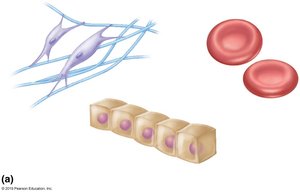
Variety: Cells differ in size, shape, and function, reflecting their roles in tissues and organs.
Examples: Fibroblasts (connective tissue), erythrocytes (red blood cells), epithelial cells, leukocytes (white blood cells).
Specialized Cell Types
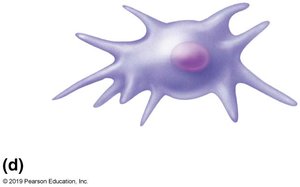
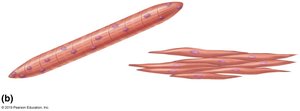
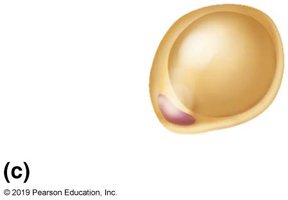
Cells are specialized to perform unique functions within the body. This specialization is reflected in their structure and appearance.
Myocytes: Skeletal and smooth muscle cells responsible for contraction and movement.
Adipocytes: Fat cells that store energy.
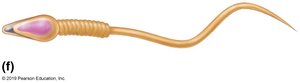
Spermatozoon: Sperm cells specialized for reproduction.
Neuron: Nerve cells that transmit electrical signals.
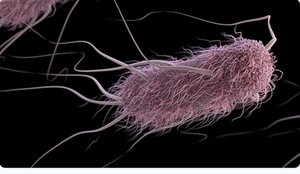
Bacteria: Prokaryotic cells such as Escherichia coli.
Cell Structure
Generalized Cell Structure
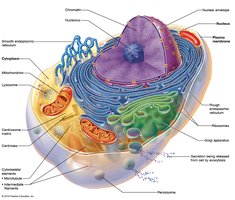
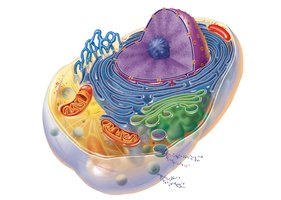
All cells share three main structural components: plasma membrane, cytoplasm, and nucleus.
Plasma Membrane: Defines cell boundaries and acts as a semi-permeable barrier.
Cytoplasm: Contains organelles and cytosol, the site of most cellular activities.
Nucleus: The control center, housing genetic material.
Extracellular Materials
Types of Extracellular Materials
Extracellular materials are substances found outside cells and play crucial roles in tissue structure and function.
Extracellular Fluids: Includes interstitial fluid, blood plasma, cerebrospinal fluid, and lymph.
Cellular Secretions: Substances released by cells, such as mucus and saliva.
Extracellular Matrix: A network of proteins and polysaccharides that provides structural support and adhesion.
The Plasma Membrane
Structure and Function
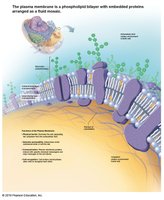
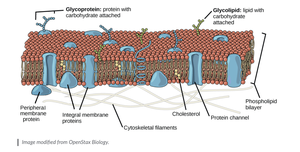
The plasma membrane is a dynamic boundary that separates the cell's interior from its external environment. It is described by the fluid mosaic model, which highlights its composition and flexibility.
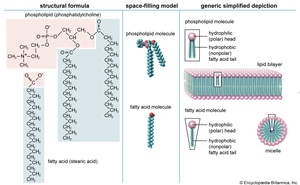
Fluid Mosaic Model: The membrane consists of phospholipids, cholesterol, and proteins that move fluidly within the membrane.
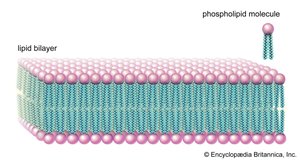
Phospholipid Bilayer: The main structural component, with hydrophilic heads facing outward and hydrophobic tails inward.
Selective Permeability: Allows the cell to control the movement of substances in and out.
Membrane Components
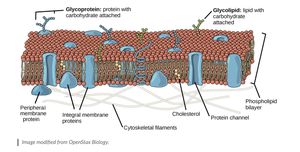
The plasma membrane contains various proteins and lipids that contribute to its function.
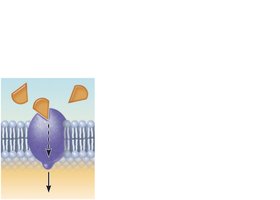
Integral Proteins: Span the membrane and form channels or act as receptors.
Peripheral Proteins: Attached to the internal surface, often involved in cell shape and enzymatic activity.
Glycoproteins and Glycolipids: Form the glycocalyx, important for cell recognition.
Cholesterol: Stabilizes the membrane.
Transport Across the Plasma Membrane
Selective Permeability and Transport Mechanisms
The plasma membrane's selective permeability is essential for maintaining cellular homeostasis. Transport mechanisms are classified as passive or active.
Passive Transport: Does not require energy; includes simple diffusion, facilitated diffusion, and osmosis.
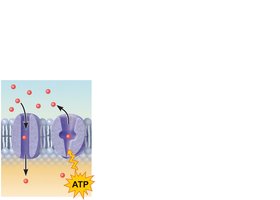
Active Transport: Requires energy (ATP) to move substances against their concentration gradient.
Passive Transport
Simple Diffusion: Movement of small, nonpolar molecules (e.g., O2, CO2) directly through the lipid bilayer.
Facilitated Diffusion: Movement of larger or polar molecules via carrier or channel proteins.
Osmosis: Diffusion of water across a semipermeable membrane.
Active Transport
Primary Active Transport: Uses pumps (e.g., sodium/potassium pump) to move ions against their gradient.
Vesicular Transport: Moves large particles via endocytosis and exocytosis.
Equation for Diffusion:
Where J is the flux, D is the diffusion coefficient, and \frac{dC}{dx} is the concentration gradient.
Cytoplasm and Organelles
Cytoplasm
The cytoplasm is the site of most cellular activities and contains cytosol, inclusions, and organelles.
Cytosol: Fluid component with dissolved substances.
Inclusions: Stored nutrients or pigments.
Organelles: Specialized structures performing distinct functions.
Major Organelles
Mitochondria: Powerhouse of the cell, site of ATP production via aerobic respiration.
Ribosomes: Sites of protein synthesis; can be free or membrane-bound.
Endoplasmic Reticulum (ER): Rough ER synthesizes proteins; smooth ER synthesizes lipids and detoxifies.
Golgi Apparatus: Processes and packages proteins for secretion or use within the cell.
Lysosomes: Contain digestive enzymes for breakdown of substances.
Peroxisomes: Detoxify harmful substances.
Cytoskeleton: Provides structural support and facilitates movement.
The Nucleus
Structure and Function
The nucleus is the control center of the cell, containing genetic material and directing cellular activities.
Nuclear Envelope: Double membrane with nuclear pores for transport.
Nucleolus: Site of ribosome assembly.
Chromatin: DNA-protein complex; condenses to form chromosomes during cell division.
Chromosome Structure: Each chromosome consists of two chromatids joined at a centromere.
Overview of the Cell Cycle
Phases of the Cell Cycle
The cell cycle describes the series of events cells undergo from formation to division. It consists of interphase and cell division (mitosis and cytokinesis).
Interphase: Includes G1 (growth), S (DNA synthesis), and G2 (preparation for division).
Mitosis: Division of the nucleus, followed by cytokinesis (division of the cytoplasm).
Equation for DNA Replication:
Where the parent DNA is copied to produce identical daughter DNA molecules.
Summary Table: Cell Structure and Function
Component | Function |
|---|---|
Plasma Membrane | Boundary, selective permeability |
Cytoplasm | Site of cellular activities |
Nucleus | Genetic control center |
Mitochondria | ATP production |
Ribosomes | Protein synthesis |
ER | Protein and lipid synthesis |
Golgi Apparatus | Protein processing and packaging |
Lysosomes | Digestion of substances |
Peroxisomes | Detoxification |
Cytoskeleton | Support and movement |
Additional info: Academic context was added to clarify cell types, membrane structure, and transport mechanisms. Equations and summary table were inferred for completeness.
