Indietro

General Chemistry: Module 1 Study Guide

Guida di studio - Impara con i video

Lezioni curate abbinate al materiale che hai caricato – impara ogni argomento passo dopo passo.

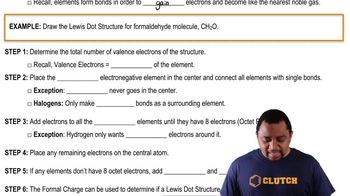
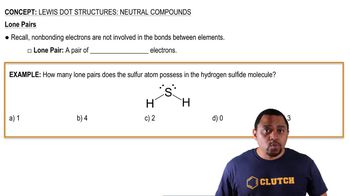
Lewis Dot Structures: Neutral Compounds

  • Lewis Dot Structures: Neutral Compounds
    05:56
  • Lewis Dot Structures: Neutral Compounds Example 1
    00:40

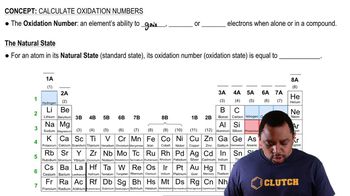
Calculate Oxidation Numbers

  • Calculate Oxidation Numbers Example
    01:22
  • Oxidation Numbers in Ions Example
    01:38
  • Oxidation Numbers
    02:42

Periodic Table: Classifications

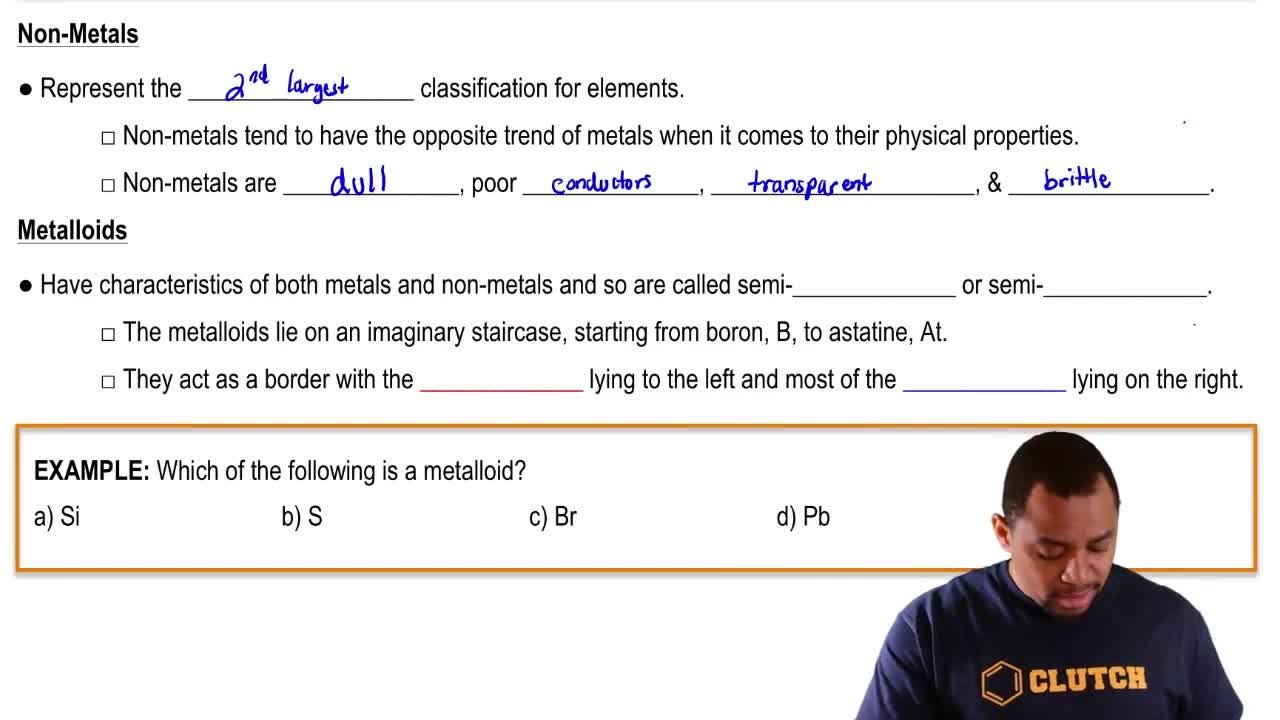
  • Nonmetal Properties
    01:12
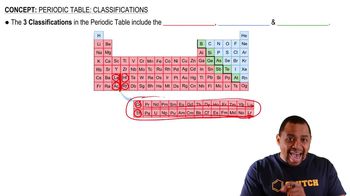
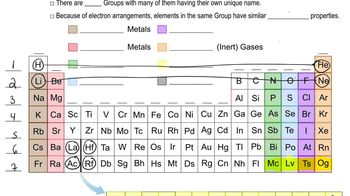
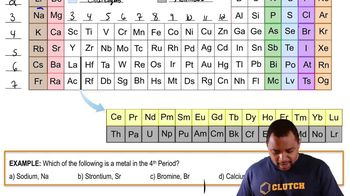
  • Periodic Table Classifications
    02:40
  • Metalloid Properties
    03:37

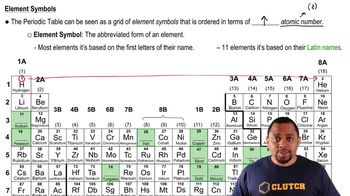
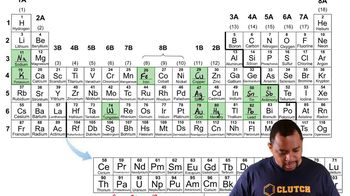
Periodic Table: Element Symbols

  • Periodic Table History
    04:01
  • Halogen Example
    01:01

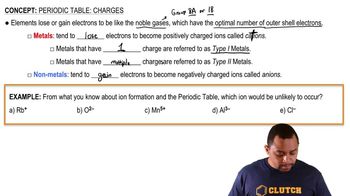
Periodic Table: Charges

  • Unlikely Ion Example
    01:52
  • Main Group Element Charges
    07:38
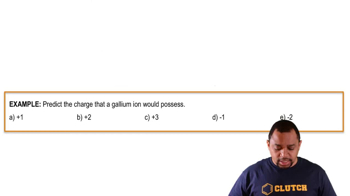
  • Main Group Element Charges Example
    00:48

Naming Ionic Compounds

  • Base Names of Nonmetals
    01:52
  • Naming Ionic Compounds Example
    01:01
  • Ionic Compounds Naming
    02:11

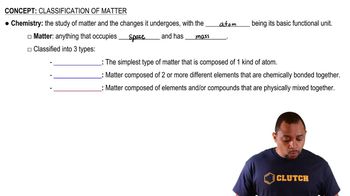
Classification of Matter

  • Types of Matter
    01:34
  • Introduction to General Chemistry Course
    1:44
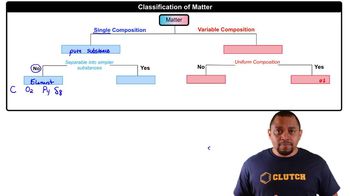
  • Matter Composition
    04:19

Atomic Theory

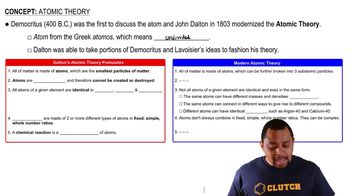
  • Dalton's Atomic Theory
    05:22
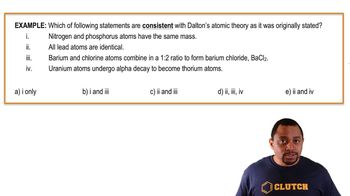
  • Dalton's Atomic Theory Example
    01:48

Ions

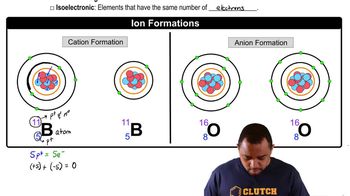
  • Ion Formation
    06:17
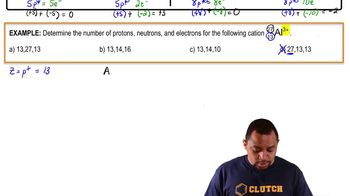
  • Cation Subatomic Particles Example
    02:22
  • Atoms vs. Ions
    01:36

Atomic Mass

  • Calculating Abundance Example
    5:41
  • Greatest Atomic Mass Example
    02:06
  • Calculating Atomic Mass
    00:40

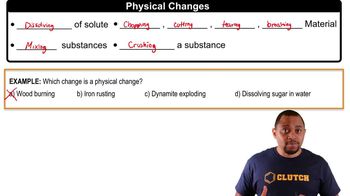
Physical & Chemical Changes

  • Chemical Change Example
    01:52
  • Reversible Changes in Matter
    03:42
  • Physical Change Example
    01:52

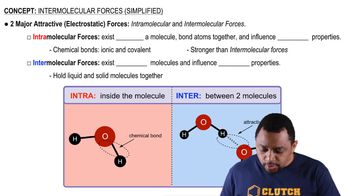
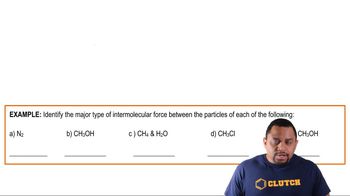
Intermolecular Forces

  • Intermolecular vs Intramolecular Forces
    01:59
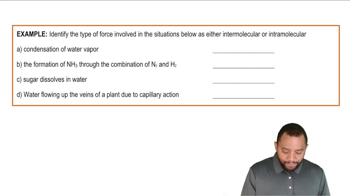
  • Intermolecular vs Intramolecular Example
    2:04
  • Intermolecular Forces Example
    01:59

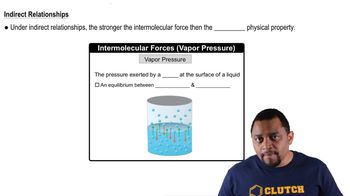
Intermolecular Forces and Physical Properties

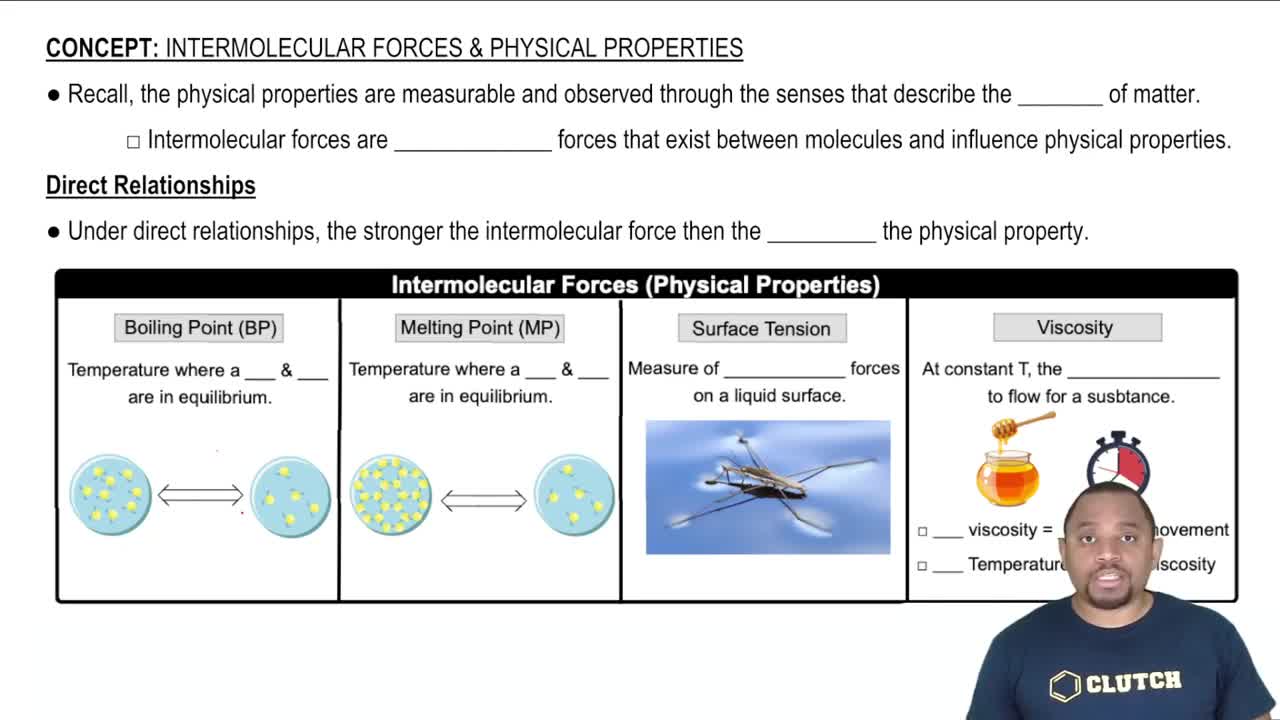
  • Intermolecular Forces & Physical Properties
    01:04
  • Intermolecular Forces and Properties
    03:13
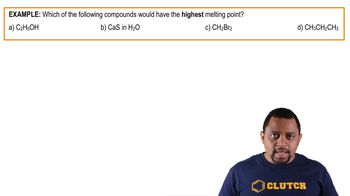
  • Melting Point Example
    01:21

Atomic, Ionic, and Molecular Solids

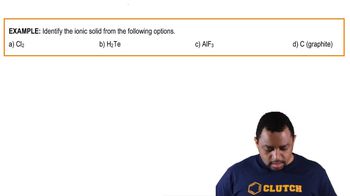
  • Ionic Solid Identification Example
    00:34
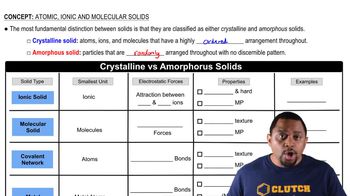
  • Crystalline vs Amorphous Solids
    04:13

Density

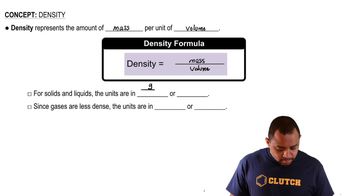
  • Density Concepts
    01:56
  • Density Conversion Example
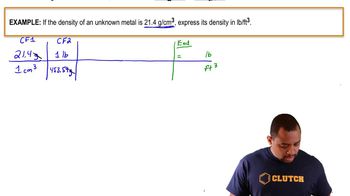
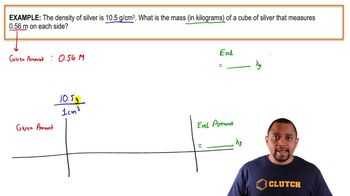
    05:30

Density of Geometric Objects

  • Density of Geometric Objects Example
    05:50
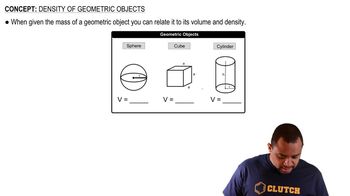
  • Density of Geometric Objects
    01:50

Density of Non-Geometric Objects

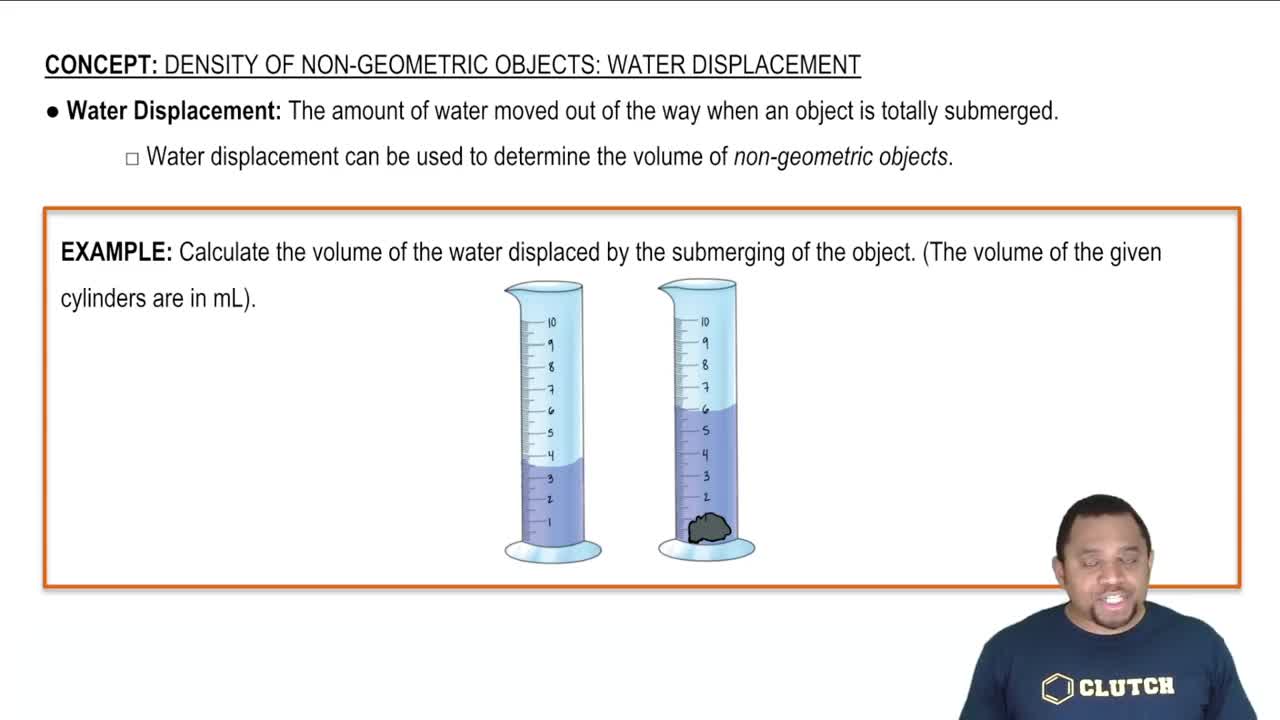
  • Density via Water Displacement
    01:36

The Atom

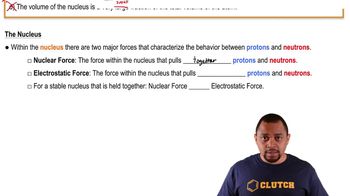
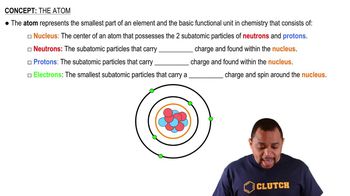
  • The Nucleus
    02:53
  • Atom Structure
    02:10
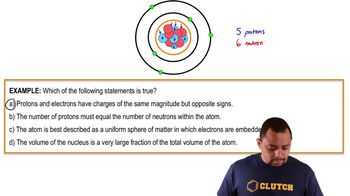
  • Atom Structure Example
    02:52

Periodic Table: Elemental Forms

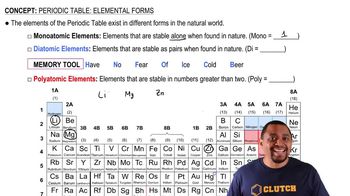
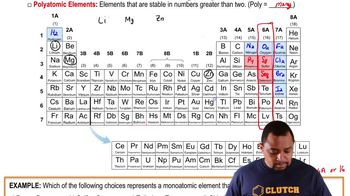
  • Elemental Forms of Elements
    02:35
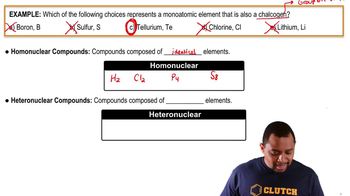
  • Chalcogen Identification Example
    01:15
  • Homonuclear vs. Heteronuclear Compounds
    01:21

Periodic Table: Phases

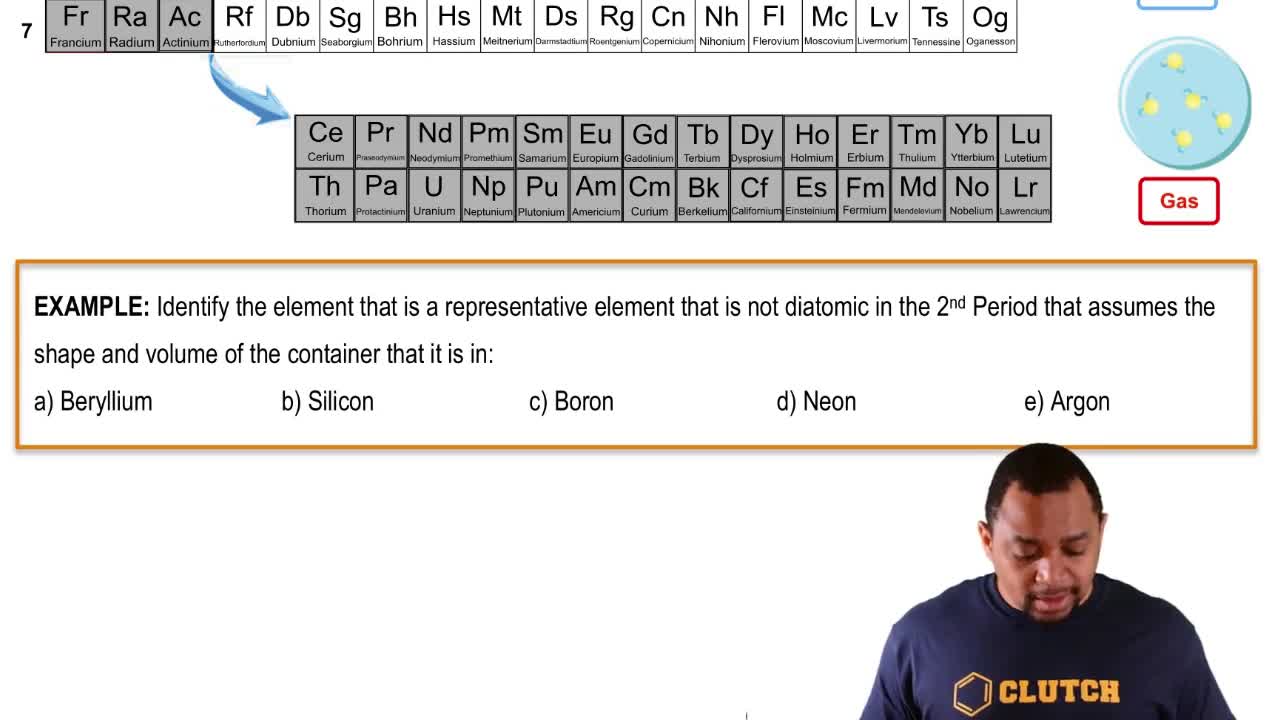
  • Second Period State of Matter Example
    02:07
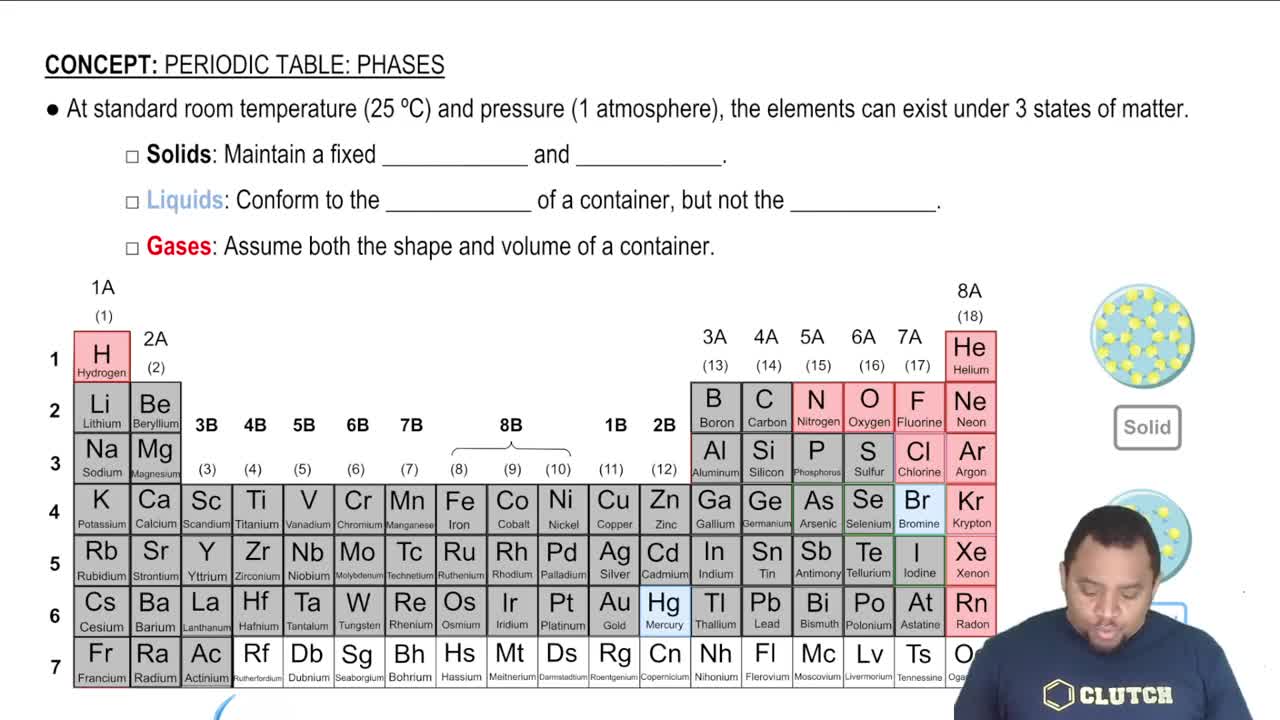
  • Element States of Matter
    03:25

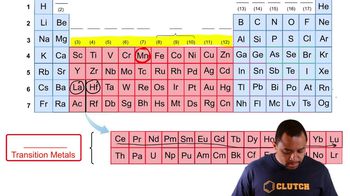
Periodic Table: Representative Elements & Transition Metals

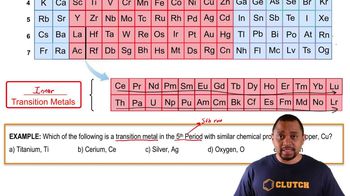
  • Transition Metal Example
    01:23
  • Transition Metals and Representative Elements
    03:30

Periodic Table: Group Names

  • Periodic Table: Group Names
    05:33
  • Periodic Table: Group Names Example
    01:17

Periodic Table Charges Review

  • Periodic Table Charges Review Example
    01:34
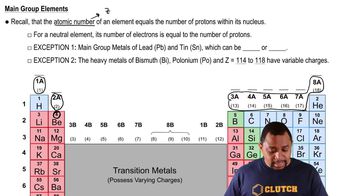
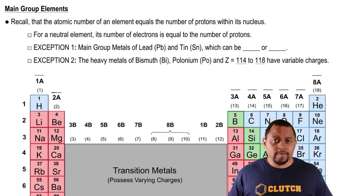
  • Main Group Elements
    07:38
  • Periodic Table Charges Review Example
    00:48

Atomic, Ionic, and Molecular Solids

  • Ionic Solid Identification Example
    00:34
  • Crystalline vs Amorphous Solids
    04:13

Phase Diagrams

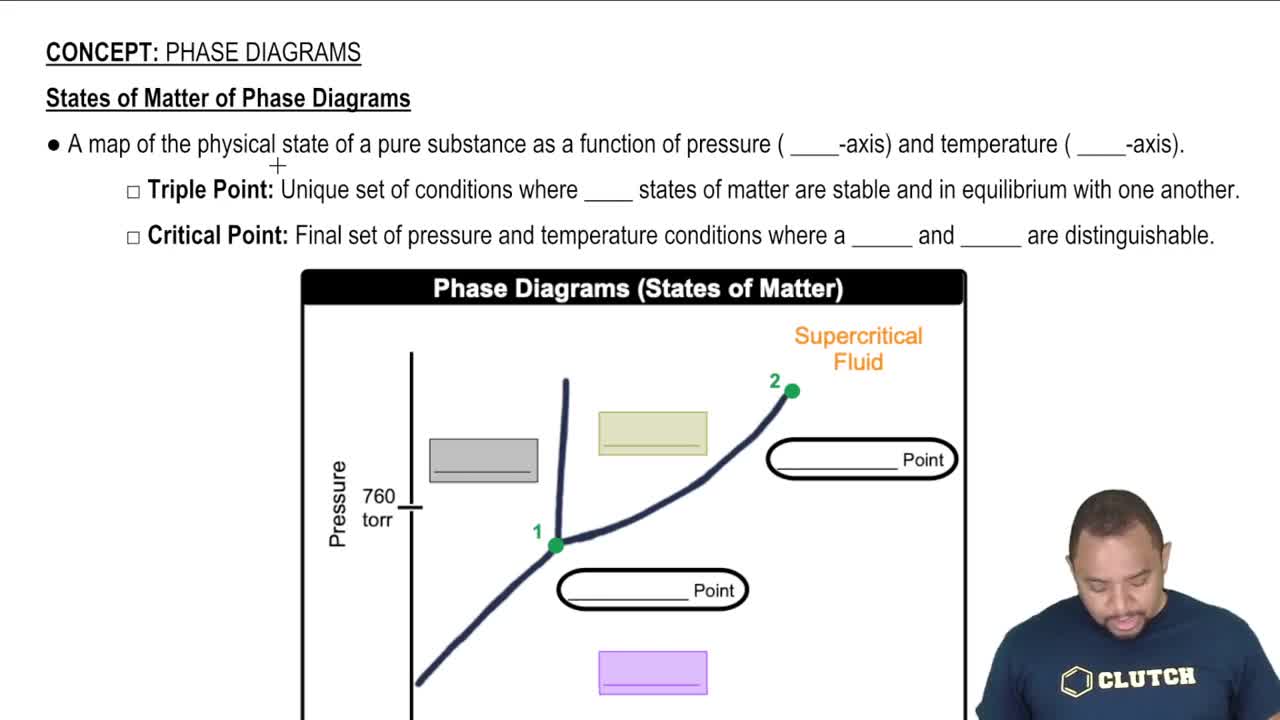
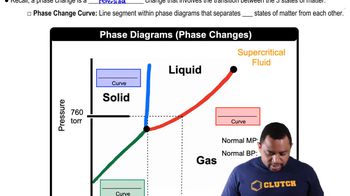
  • States of Matter of Phase Diagrams
    03:19
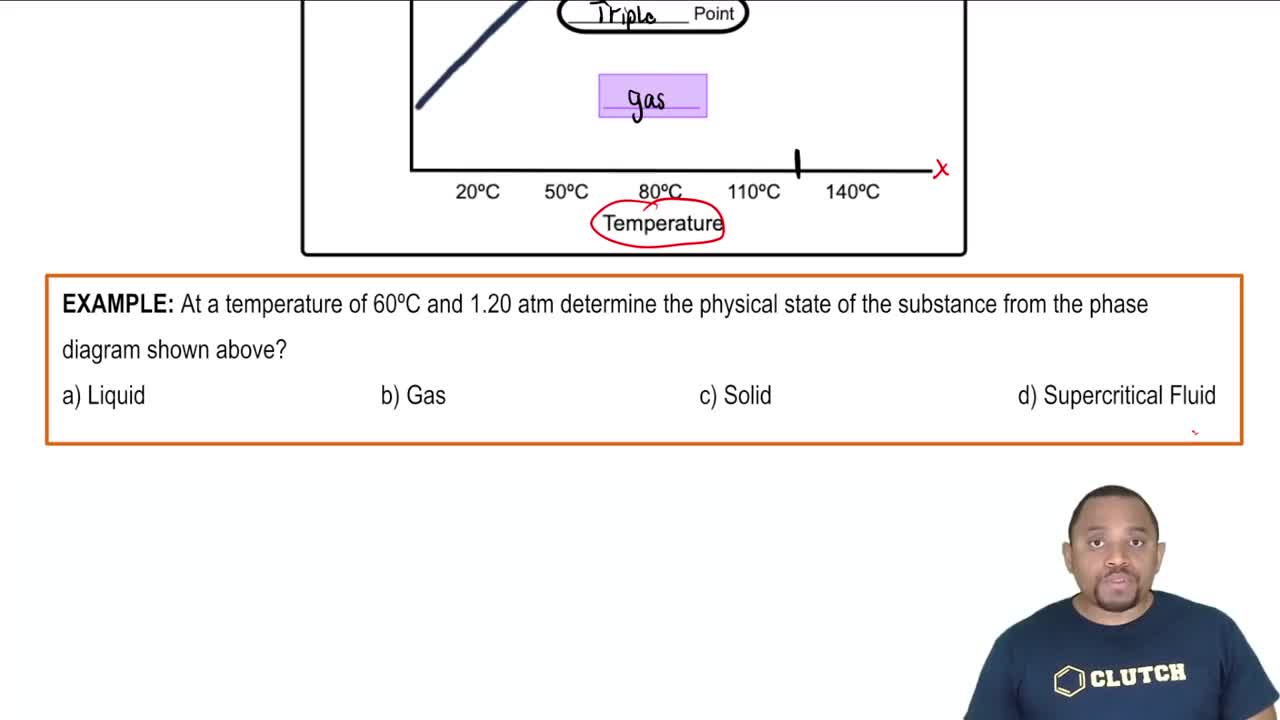
  • Phase Diagram Example
    01:10
  • Phase Changes in Diagrams
    03:22

Heating and Cooling Curves

  • Temperature Changes vs PhaseChanges
    01:33
  • Energy Calculation Example
    06:15
  • Introduction to Heating and Cooling Curves
    03:52

Intro to Chemical Equilibrium

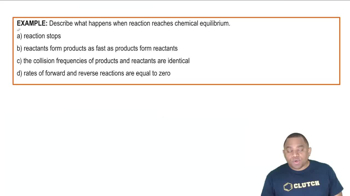
  • Chemical Equilibrium Example
    01:18
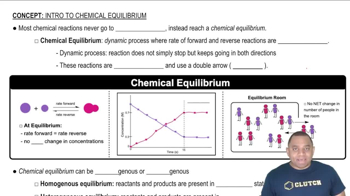
  • Chemical Equilibrium Concepts
    04:20

Le Chatelier's Principle

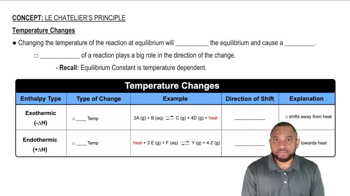
  • Temperature and Equilibrium Shifts
    04:04
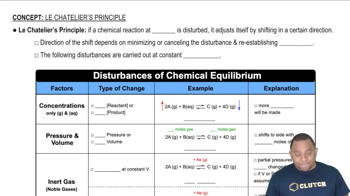
  • Le Chatelier's Principle
    07:32
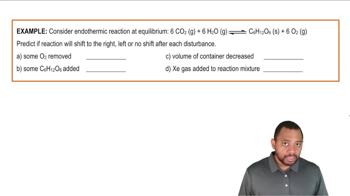
  • Disturbances and Equilibrium Shifts Example
    02:50

Solutions

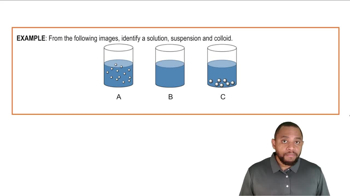
  • Identify Mixtures Example
    01:16
  • Suspensions and Colloids
    02:38
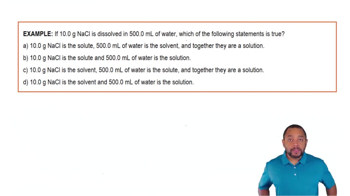
  • Solution Components Example
    1:17

Molarity

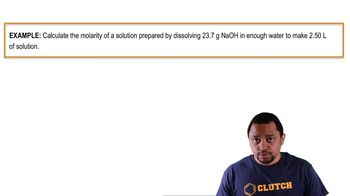
  • Calculate Molarity Example
    01:46
  • Molarity
    01:13
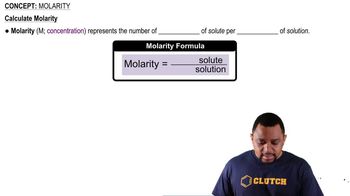
  • Molarity Concept
    00:53

Molality

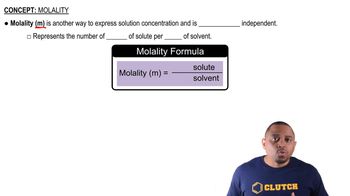
  • Molality
    00:40
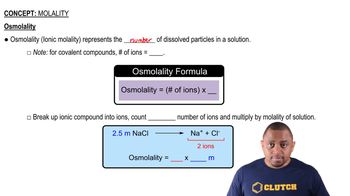
  • Osmolality in Solutions
    01:24
  • Molality Calculation Example
    02:19

Mole Fraction of Solutions

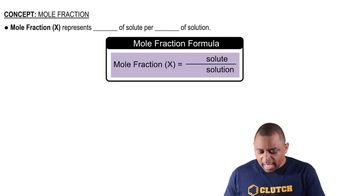
  • Mole Fraction Formula
    00:27
  • Mole Fraction Example
    02:26

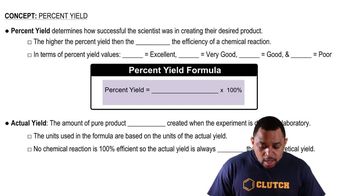
Percent Yield

  • Percent Yield in Reactions
    03:09
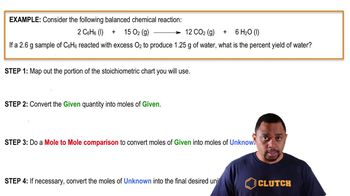
  • Percent Yield Example
    04:43

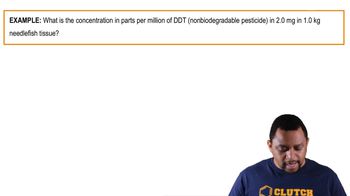
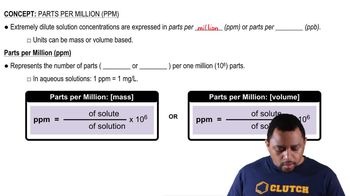
Parts per Million (ppm)

  • PPM Calculation Example
    01:11
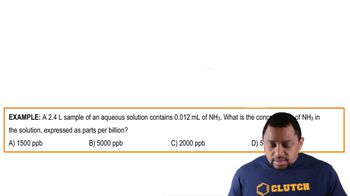
  • Parts per Billion Example
    01:23
  • Parts per Million (ppm)
    01:38

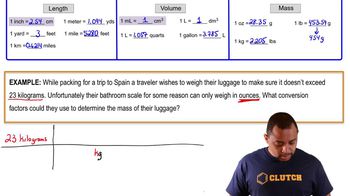
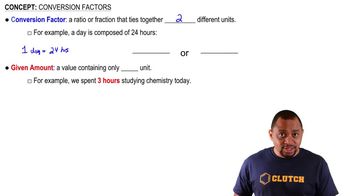
Conversion Factors

  • Weight Conversion Example
    03:45
  • Conversion Factors Example
    02:12
  • Conversion Factors
    01:56
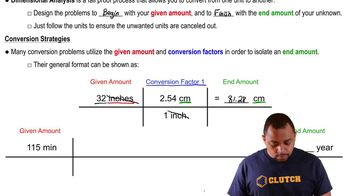
Dimensional Analysis

  • Dimensional Analysis
    06:11
  • Dimensional Analysis Example
    4:48

Vapor Pressure Lowering (Raoult's Law)

  • Raoult's Law and Vapor Pressure
    02:40
  • Vapor Pressure Calculation Example
    02:30

Boiling Point Elevation

  • Boiling Point Elevation
    03:05
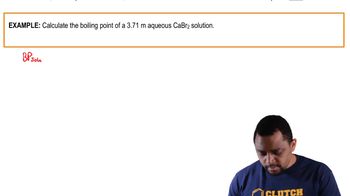
  • Boiling Point Calculation Example
    01:54

Freezing Point Depression

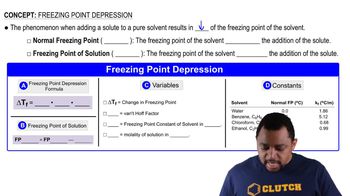
  • Freezing Point Depression
    01:59
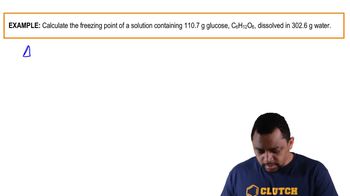
  • Freezing Point Example
    02:18

Osmosis

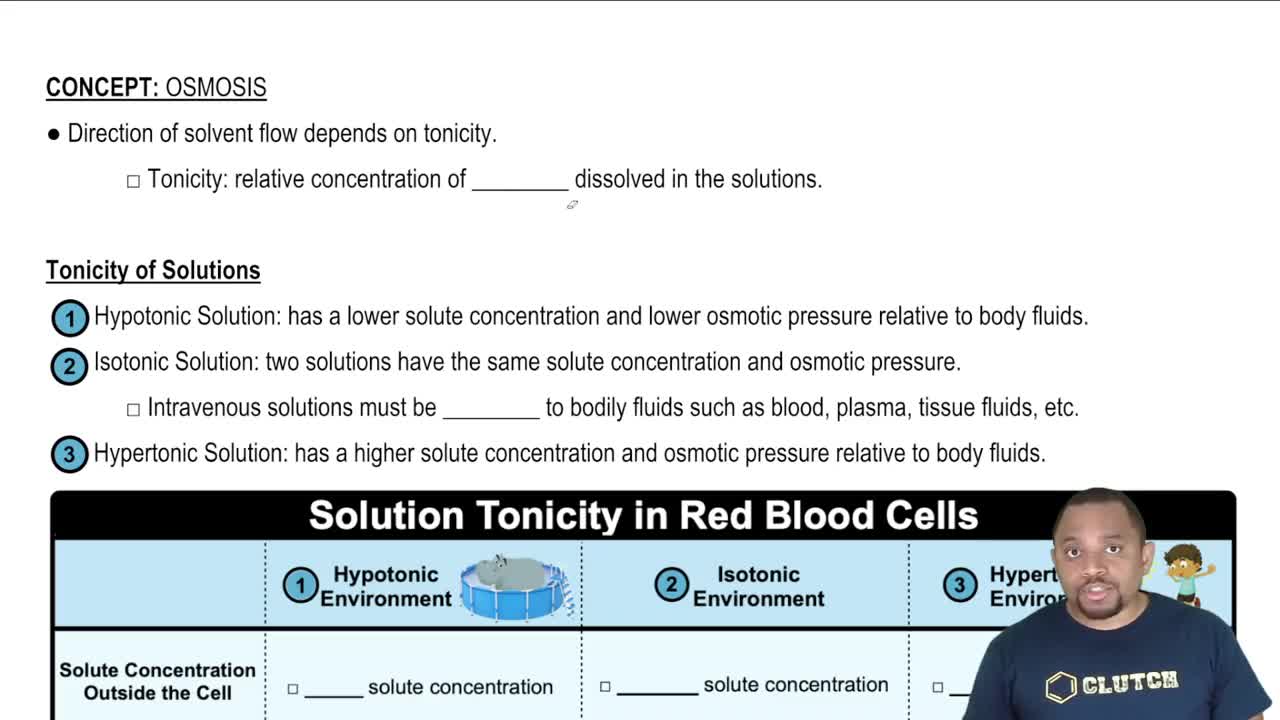
  • Osmosis and Tonicity
    04:29
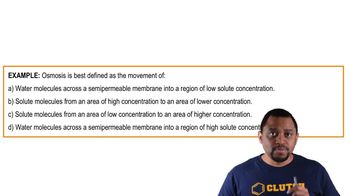
  • Osmosis Example
    00:38
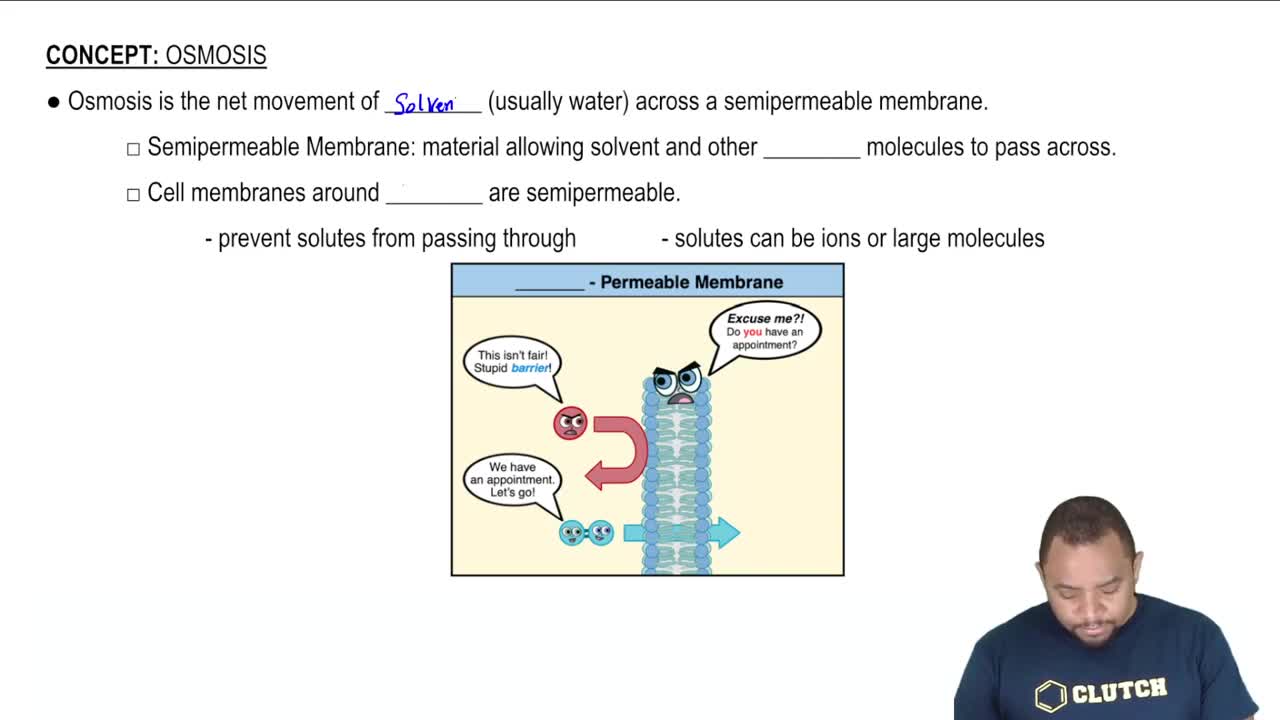
  • Osmosis and Semipermeable Membranes
    01:18

Osmotic Pressure

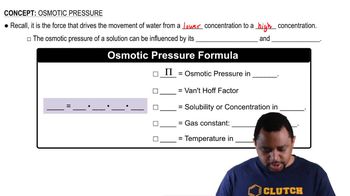
  • Osmotic Pressure Formula
    01:13
  • Osmotic Pressure Calculation Example
    02:52