 Indietro
Microbial Metabolism: Catabolism, Anabolism, and Energy Production
Guida di studio - Note intelligenti
 Appunti personalizzati basati sui tuoi materiali, ampliati con definizioni chiave, esempi e contesto.
Metabolism: Overview
Definition and Importance
Metabolism encompasses all chemical reactions occurring within a living organism, enabling the breakdown and synthesis of molecules essential for life. These reactions provide energy and generate substances necessary for cellular function. Microbial metabolism is central to both beneficial processes (such as fermentation and antibiotic production) and pathogenic outcomes (such as disease and food spoilage).
Metabolism: The sum of all chemical reactions in a cell.
Catabolism: Breakdown of complex molecules into simpler ones, releasing energy.
Anabolism: Synthesis of complex molecules from simpler ones, requiring energy input.
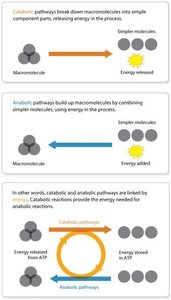
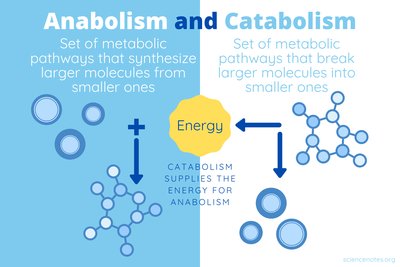
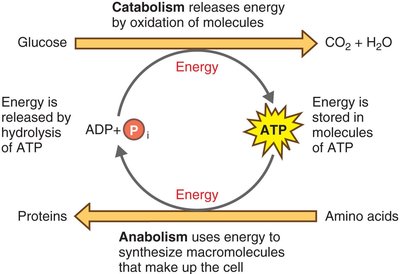
Catabolic and Anabolic Reactions
Fundamental Differences
Catabolic and anabolic reactions are interconnected through energy transfer, primarily via ATP. Catabolic reactions are exergonic (energy-releasing), while anabolic reactions are endergonic (energy-consuming).
Catabolism: Hydrolytic, exergonic reactions that break down macromolecules (e.g., glucose to CO2 and H2O).
Anabolism: Biosynthetic, endergonic reactions that build macromolecules (e.g., amino acids to proteins).
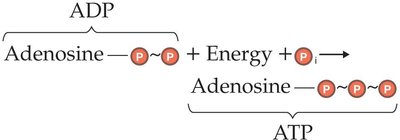
ATP: Serves as the energy currency, coupling catabolic and anabolic pathways.
Enzymes and Metabolic Pathways
Enzyme Structure and Function
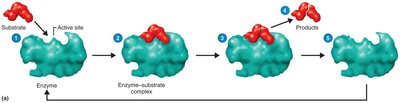
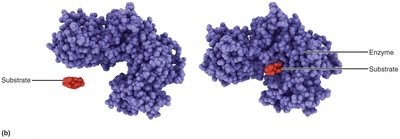
Enzymes are biological catalysts that accelerate chemical reactions by lowering activation energy. They are highly specific for their substrates and are encoded by genes.
Enzyme: Protein catalyst, unchanged after reaction.
Substrate: Molecule upon which an enzyme acts.
Active Site: Region of enzyme where substrate binds.
Enzyme-Substrate Complex: Temporary association during catalysis.
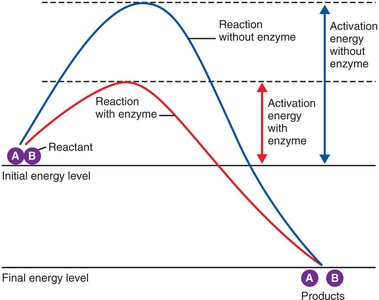
Enzyme Components
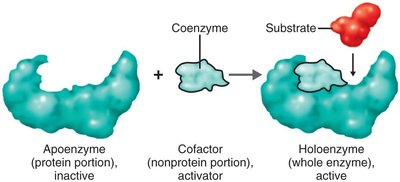
Enzymes may require non-protein helpers called cofactors or coenzymes for activity.
Apoenzyme: Protein portion, inactive alone.
Cofactor: Non-protein component (can be inorganic or organic).
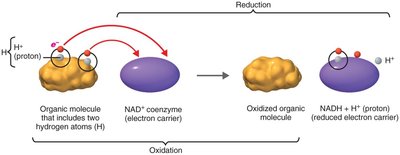
Coenzyme: Organic cofactor, often derived from vitamins (e.g., NAD+, FAD).
Holoenzyme: Complete, active enzyme (apoenzyme + cofactor).
Factors Influencing Enzyme Activity
Environmental and Chemical Factors
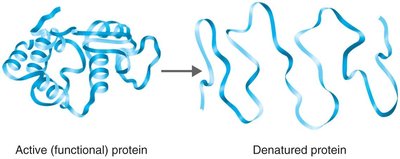
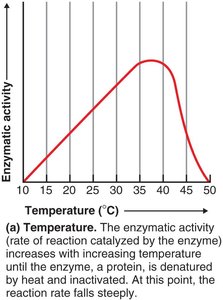
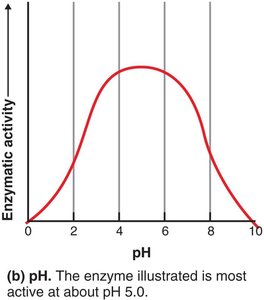
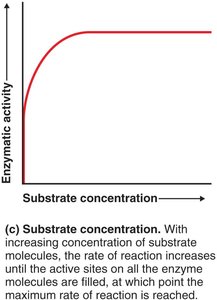
Enzyme activity is affected by temperature, pH, substrate concentration, and inhibitors.
Temperature: Optimal range; high temperatures denature proteins.
pH: Each enzyme has an optimal pH.
Substrate Concentration: Saturation leads to maximum rate.
Inhibitors: Competitive and noncompetitive inhibitors reduce activity.
Enzyme Inhibition and Regulation
Types of Inhibition
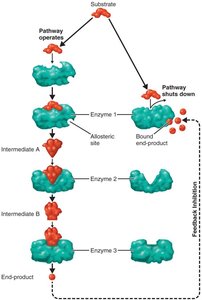
Enzyme inhibitors can be competitive (bind active site) or noncompetitive (bind allosteric site).
Competitive Inhibition: Inhibitor competes with substrate for active site.
Noncompetitive Inhibition: Inhibitor binds elsewhere, altering enzyme shape.
Feedback Inhibition: End-product inhibits an earlier enzyme in pathway, often noncompetitive.
Oxidation-Reduction Reactions
Redox Principles
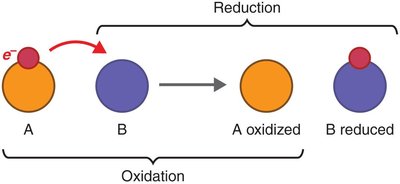
Energy production in cells involves oxidation-reduction (redox) reactions, where electrons are transferred between molecules.
Oxidation: Loss of electrons.
Reduction: Gain of electrons.
Redox Reaction: Paired oxidation and reduction.
ATP Generation
Phosphorylation Mechanisms
ATP is generated by three main phosphorylation mechanisms:
Substrate-Level Phosphorylation: Direct transfer of phosphate to ADP from a substrate.
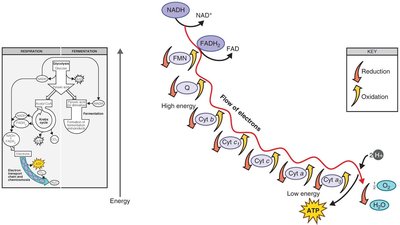
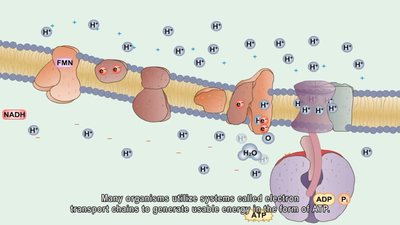
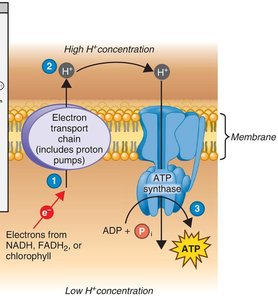
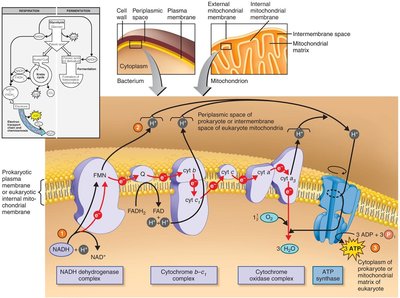
Oxidative Phosphorylation: Electron transport chain and chemiosmosis.
Photophosphorylation: Light-driven ATP synthesis in photosynthetic cells.
Carbohydrate Catabolism
Glycolysis and Alternative Pathways
Microorganisms primarily utilize carbohydrates for energy, with glucose as the most common substrate.
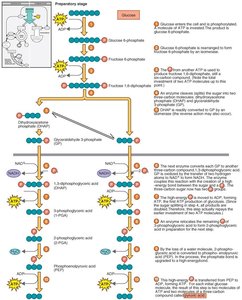
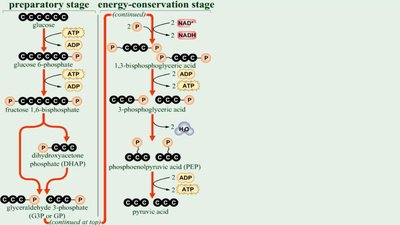
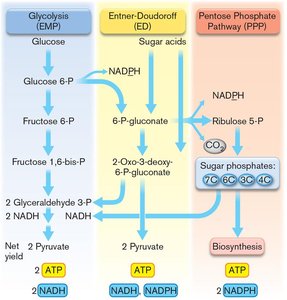
Glycolysis: Oxidation of glucose to pyruvic acid, net gain of 2 ATP and 2 NADH.
Pentose Phosphate Pathway: Breaks down pentose sugars, produces NADPH.
Entner-Doudoroff Pathway: Alternative pathway, produces NADPH, NADH, and ATP.
Cellular Respiration
Aerobic and Anaerobic Respiration
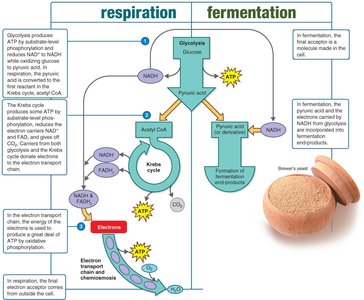
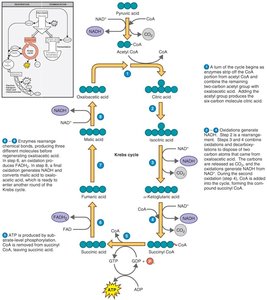
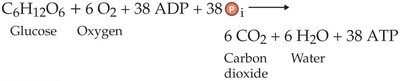
Cellular respiration involves glycolysis, the Krebs cycle, and the electron transport chain. The final electron acceptor distinguishes aerobic (O2) from anaerobic (other inorganic molecules) respiration.
Aerobic Respiration: Yields maximum ATP (up to 38 per glucose).
Anaerobic Respiration: Yields less ATP; final electron acceptor is not O2.
Fermentation
Fermentation Pathways and Products
Fermentation is an anaerobic process that uses organic molecules as final electron acceptors, producing limited ATP and various end-products.
Lactic Acid Fermentation: Produces lactic acid (homolactic or heterolactic).
Alcohol Fermentation: Produces ethanol and CO2.
Other Products: Includes propionic acid, butanol, acetone, etc.
Lipid and Protein Catabolism
Alternative Substrate Utilization
Microbes can catabolize lipids and proteins for energy.
Lipid Catabolism: Lipids are broken down into glycerol and fatty acids; fatty acids undergo beta-oxidation to acetyl-CoA.
Protein Catabolism: Proteins are degraded to amino acids, which are deaminated and enter the Krebs cycle.
Summary Table: ATP Yield During Prokaryotic Aerobic Respiration
Step | Electron Carrier | ATP Yield |
|---|---|---|
Glycolysis | 2 NADH | 2 ATP (substrate-level) |
Transition Step | 2 NADH | - |
Krebs Cycle | 6 NADH, 2 FADH2 | 2 ATP (substrate-level) |
Electron Transport Chain | All NADH, FADH2 | 34 ATP (oxidative) |
Total | - | 38 ATP |
Key Terms and Concepts
Metabolic Pathway: Series of enzymatically catalyzed reactions.
ATP: Adenosine triphosphate, main energy carrier.
Enzyme: Biological catalyst.
Catabolism: Breakdown, energy release.
Anabolism: Synthesis, energy consumption.
Redox Reaction: Electron transfer.
Fermentation: Anaerobic, organic acceptor.
Respiration: Aerobic/anaerobic, inorganic acceptor.
