 Indietro
Alcohols: Structure, Properties, Nomenclature, and Reactions
Guida di studio - Note intelligenti
 Appunti personalizzati basati sui tuoi materiali, ampliati con definizioni chiave, esempi e contesto.
Alcohols: Structure and Classification
Structure of Alcohols
Alcohols are organic compounds characterized by the presence of a hydroxyl group (-OH) attached to a saturated carbon atom (sp3 hybridized). The carbon bonded to the hydroxyl group is referred to as the carbinol carbon. The oxygen atom in the hydroxyl group is also sp3 hybridized, allowing for hydrogen bonding and significant polarity in the molecule.
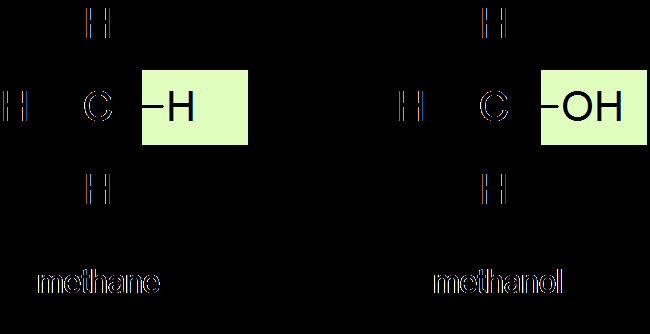
Key Point: The hydroxyl group is the defining functional group of alcohols.
Key Point: Other functional groups may contain -OH, but their chemistry differs from that of alcohols (e.g., phenols, carboxylic acids).
Classification of Alcohols
Alcohols are classified based on the number of alkyl groups attached to the carbinol carbon:
Methyl alcohol (methanol): The carbinol carbon is attached to three hydrogens (CH3OH).
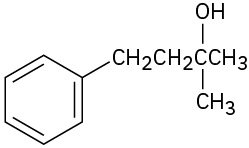
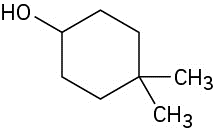
Primary (1°) alcohol: The carbinol carbon is attached to two hydrogens and one alkyl group (R).
Secondary (2°) alcohol: The carbinol carbon is attached to one hydrogen and two alkyl groups (R).
Tertiary (3°) alcohol: The carbinol carbon is attached to three alkyl groups (R) and no hydrogens.
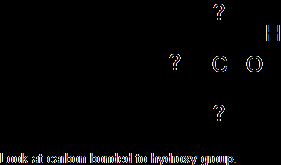
Example: Classify the following alcohols as methyl, primary, secondary, or tertiary.

Nomenclature of Alcohols
IUPAC Rules for Naming Alcohols
The systematic naming of alcohols follows these steps:
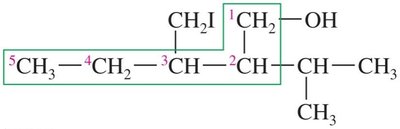
Identify the longest carbon chain containing the -OH group.
Number the chain so that the carbon with the -OH group has the lowest possible number (except when carbonyl groups are present).
For cyclic structures, the -OH group is assumed to be on carbon #1 unless a higher-priority group is present.
Name substituents in alphabetical order.
Add the suffix -ol to the parent hydrocarbon name.
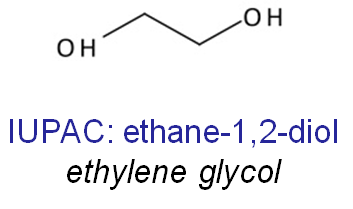
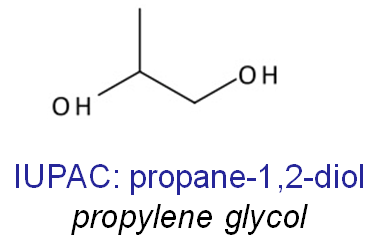
For compounds with more than one -OH group, use prefixes such as diol, triol, etc. Common names for glycols are derived from the alkene from which they can be synthesized.
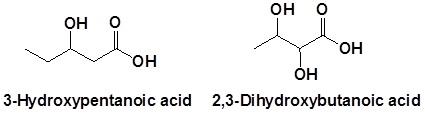
When the -OH group is not the highest priority, use the prefix hydroxy- with the appropriate locant.
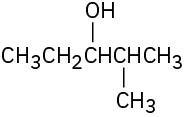
Practice: Name the following compounds using IUPAC rules.

Physical Properties of Alcohols
Polarity and Hydrogen Bonding
Alcohols are polar molecules due to the electronegativity difference between oxygen and hydrogen. The -OH group allows for strong dipole-dipole interactions and hydrogen bonding, both between alcohol molecules and with water.
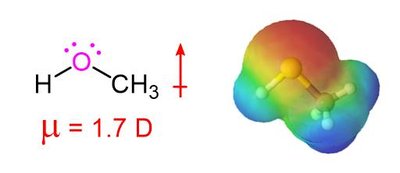
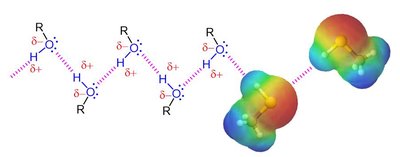
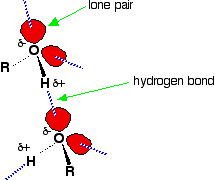
Key Point: Hydrogen bonding leads to higher boiling points and greater solubility in water compared to similar-sized alkanes and ethers.
Boiling Points and Solubility
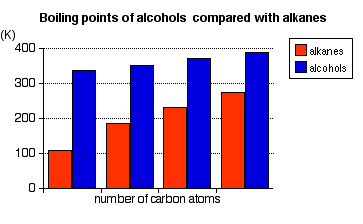
The boiling points of alcohols increase with chain length due to increased van der Waals forces, but are always higher than those of corresponding alkanes due to hydrogen bonding. Small alcohols are completely miscible with water; solubility decreases as the hydrocarbon chain length increases.
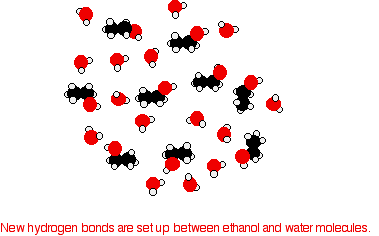
Example: Ethanol is more soluble in water than 1-octanol due to its shorter hydrocarbon chain.
Acidity and Basicity of Alcohols
Acid-Base Properties
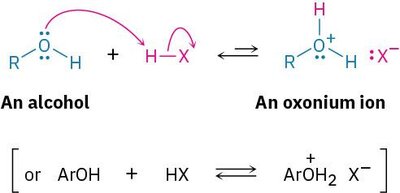
Alcohols can act as weak acids or bases in water, with pKa values typically between 15.5 and 18.0. The acidity depends on the stability of the resulting alkoxide ion after deprotonation.

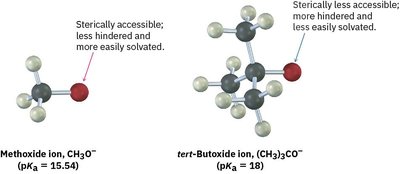
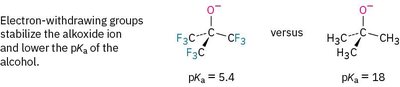
Key Point: More substituted (branched) alcohols are less acidic due to decreased solvation of the alkoxide ion.
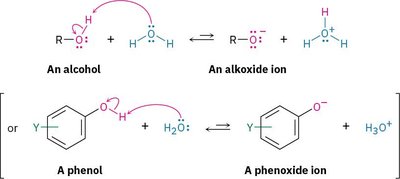
Key Point: Electron-withdrawing groups (e.g., halogens) increase acidity by stabilizing the alkoxide ion.
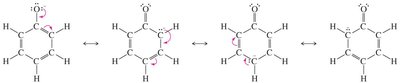
Key Point: Phenol is much more acidic than alcohols due to resonance stabilization of the phenoxide ion.
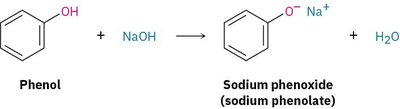
Alcohols react with strong bases (e.g., NaNH2, NaH, KOH) and alkali metals to form alkoxides, releasing hydrogen gas.
Order of acidity: water > primary alcohol > secondary alcohol > tertiary alcohol
Synthesis of Alcohols
Preparation Methods
Nucleophilic substitution (SN2): Alkyl halides react with hydroxide ion to form alcohols.

Hydration of alkenes: Addition of water across a double bond forms alcohols. Two main methods:
Oxymercuration-demercuration: Markovnikov addition, anti addition of water.
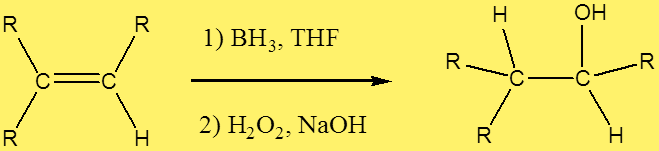
Hydroboration-oxidation: Non-Markovnikov, syn addition of water.
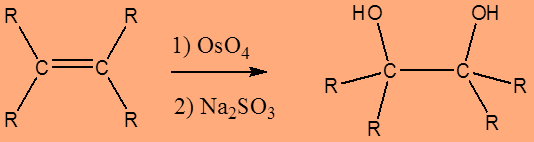
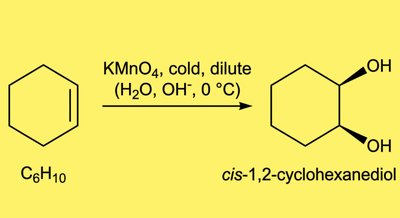
Diols: Prepared from alkenes using OsO4/NaHSO3 or cold, dilute KMnO4.
Reactions of Alcohols
Conversion to Alkyl Halides
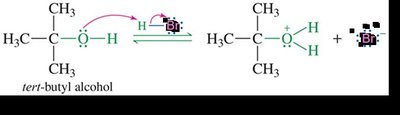
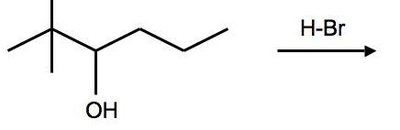
Alcohols react with hydrogen halides (HX) to form alkyl halides. The reactivity order is tertiary > secondary > primary > methyl alcohols. The mechanism depends on the alcohol's structure:
SN1 mechanism: Tertiary alcohols react via carbocation intermediates (possible rearrangement).
SN2 mechanism: Primary and methyl alcohols react via direct displacement (no rearrangement).

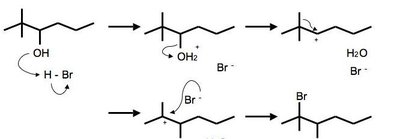

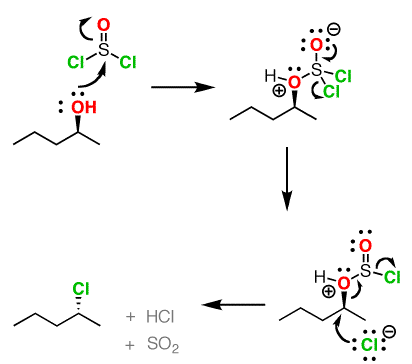
Alternative reagents: PBr3 and SOCl2 convert alcohols to alkyl bromides and chlorides, respectively, via SN2 mechanisms with inversion of configuration and no carbocation rearrangement.
Conversion to Sulfonate Esters (Tosylates and Mesylates)
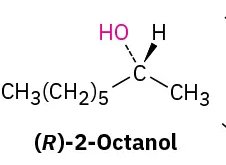
Alcohols react with p-toluenesulfonyl chloride (TsCl) or methanesulfonyl chloride (MsCl) to form sulfonate esters (tosylates or mesylates), which are excellent leaving groups for subsequent SN2 reactions. The configuration at the chiral center is retained during tosylation.


Dehydration of Alcohols
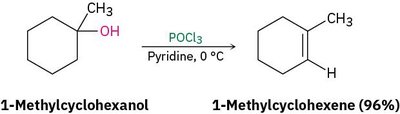
Alcohols can be dehydrated to form alkenes using acid catalysis. The reaction temperature depends on the alcohol's structure (tertiary < secondary < primary). The mechanism is E1 for secondary and tertiary alcohols (via carbocation), and E2 for primary alcohols. The most substituted alkene (Zaitsev product) is favored.

Alternative method: POCl3 in pyridine allows dehydration under milder, basic conditions via an E2 mechanism.
Oxidation of Alcohols
General Principles
Oxidation of alcohols involves increasing the number of bonds to oxygen (or other electronegative atoms) or decreasing the number of bonds to hydrogen at the carbinol carbon.
Primary alcohols: Oxidized to aldehydes (partial) or carboxylic acids (complete).
Secondary alcohols: Oxidized to ketones.
Tertiary alcohols: Do not undergo oxidation (no hydrogen on carbinol carbon).
Common oxidizing agents include KMnO4, CrO3, Na2Cr2O7, Dess-Martin periodinane (DMP), and pyridinium chlorochromate (PCC). DMP and PCC allow selective oxidation of primary alcohols to aldehydes and secondary alcohols to ketones without over-oxidation.
Key Point: The mechanism of oxidation with DMP or CrO3 is similar to an E2 elimination.
Example: Draw the product of the oxidation of a secondary alcohol with PCC.
Example: Identify the alcohol precursor for a given ketone and suggest suitable oxidizing agents.
