Indietro

Alcohols: Structure, Properties, Nomenclature, and Reactions

Guida di studio - Impara con i video

Lezioni curate abbinate al materiale che hai caricato – impara ogni argomento passo dopo passo.

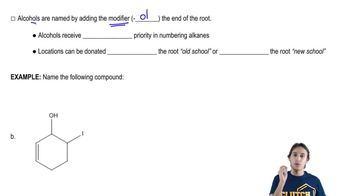
Naming Alcohols

  • How to name alcohols
    01:01
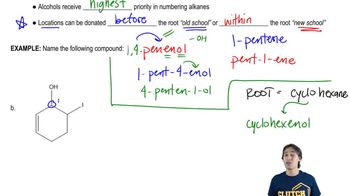
  • Name the following compound
    03:59
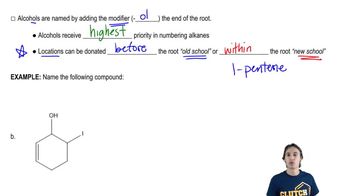
  • Old school vs. new school naming
    03:03

Alcohol Nomenclature

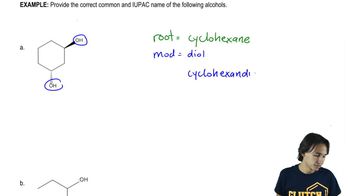
  • Provide the correct common and IUPAC name.
    01:49
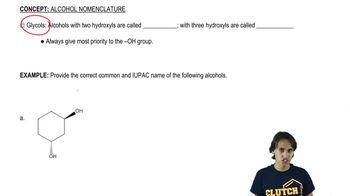
  • How to name polyols.
    01:47
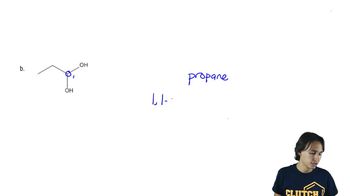
  • Provide the correct common and IUPAC name.
    00:59

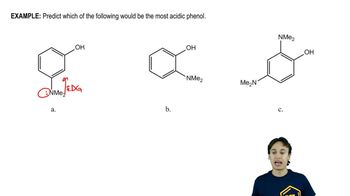
Acidity of Phenols

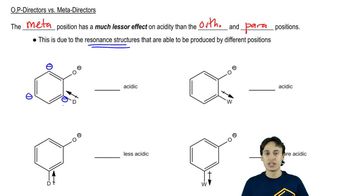
  • O,P-positions vs. Meta-Positions
    02:48
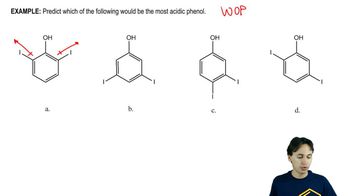
  • Identify the most acidic phenol
    00:52
  • Identify the most acidic phenol
    02:27

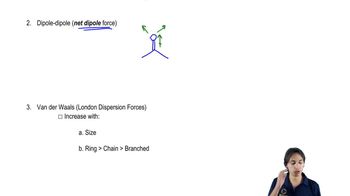
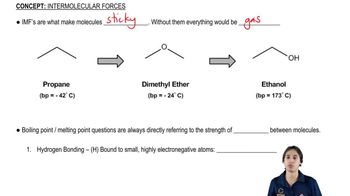
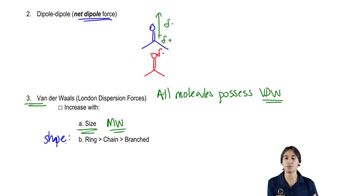
Intermolecular Forces

  • How dipole-dipole forces work.
    01:46
  • How IMFs are related to melting and boiling points.
    03:08
  • How Van der Waals forces work.
    03:01
Solubility

  • Introducing common solvents and other molecules in organic chemistry.
    02:01
  • Understanding “like dissolves like”.
    01:47

Introduction to Substitution

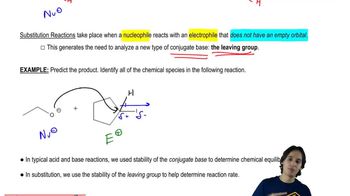
  • Predict the product
    05:55
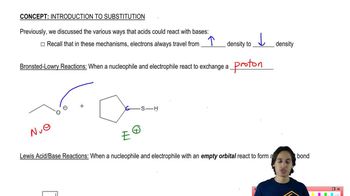
  • Nucleophiles and Electrophiles can react in Bronsted-Lowry Reactions.
    05:01
  • Nucleophiles and Electrophiles can react in Substitution Reactions.
    01:47

Leaving Groups

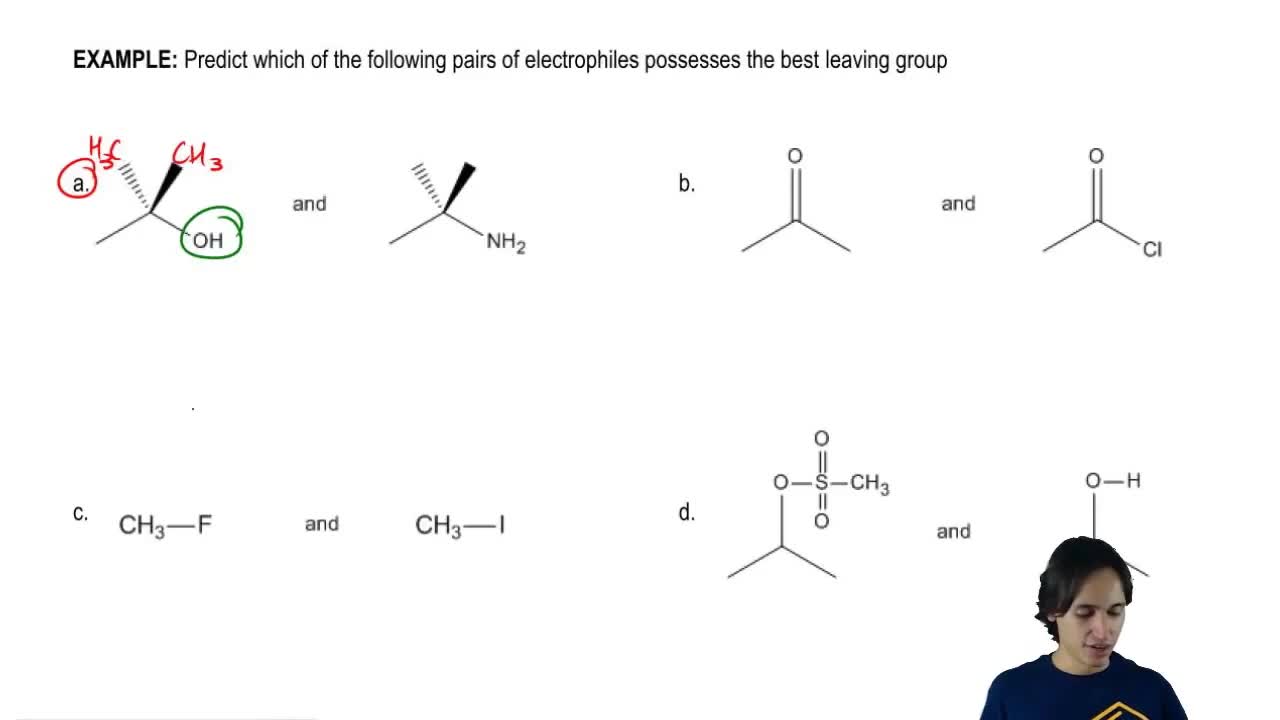
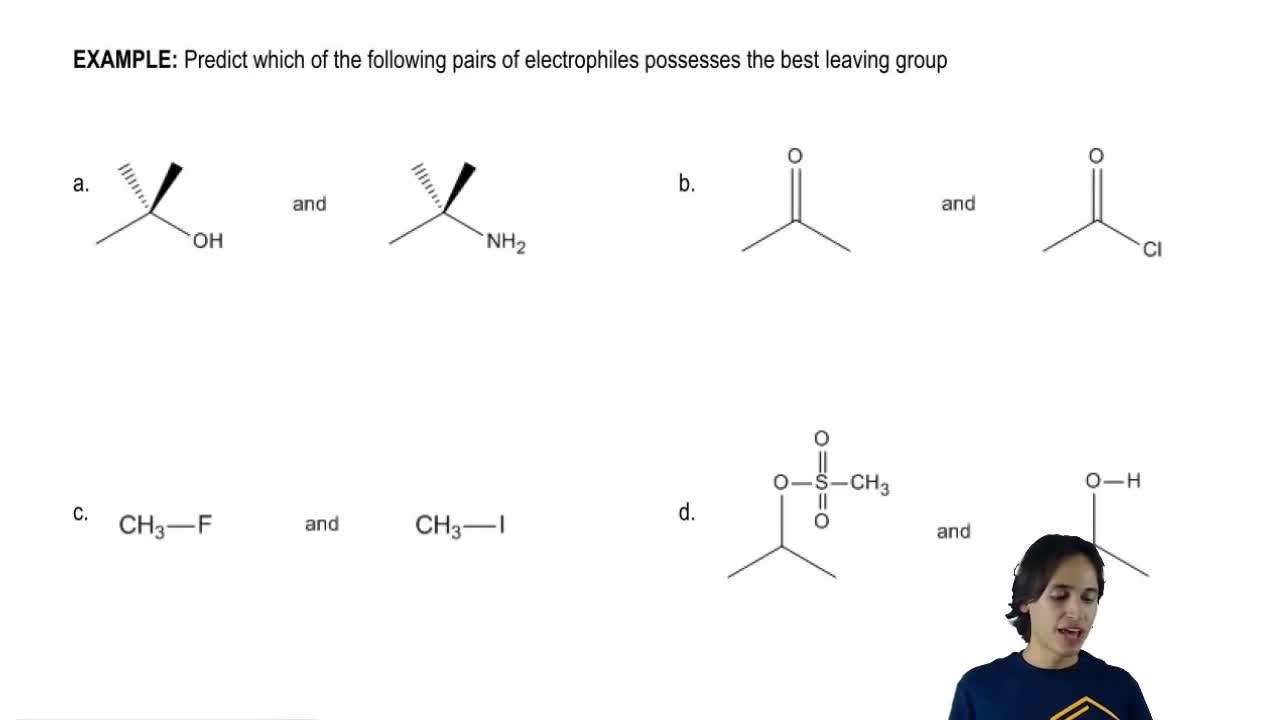
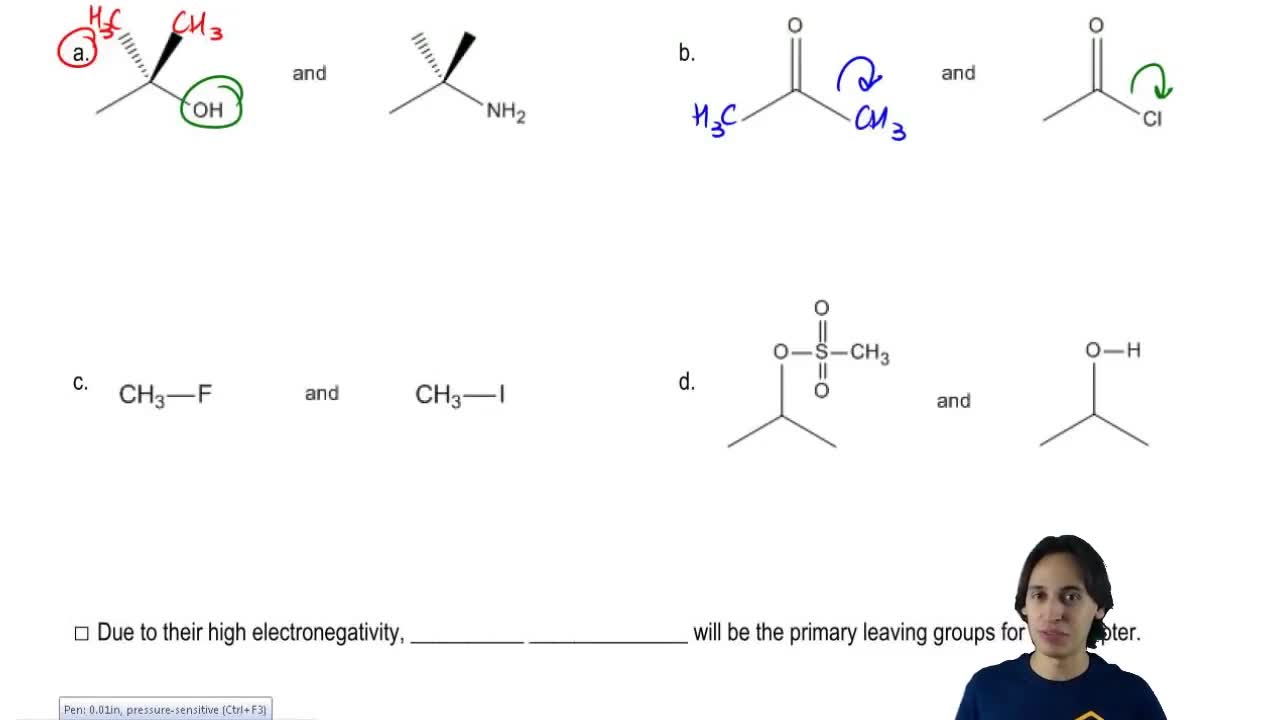
  • Predict the best leaving group
    00:50
  • Predict the best leaving group
    01:12
  • Predict the best leaving group
    00:36

The SN2 Mechanism

  • Ranking reactivity toward SN2
    04:03
  • Drawing the SN2 Mechanism
    08:33
  • Understanding the properties of SN2.
    11:57

The SN1 Mechanism

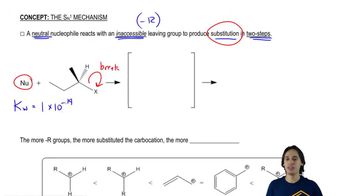
  • Drawing the SN1 Mechanism
    10:49
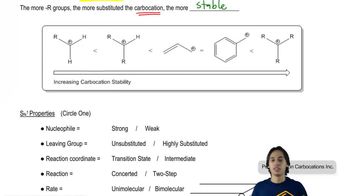
  • Why highly substituted leaving groups favor SN1.
    01:13
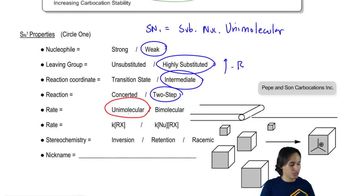
  • Understanding the properties of SN1.
    08:16

Leaving Groups

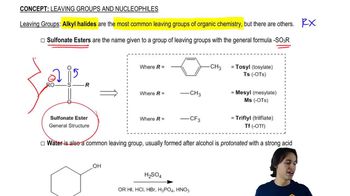
  • The 3 important leaving groups to know.
    07:22

Leaving Group Conversions - Using HX

  • Why do we need to convert Alcohol into a good leaving group?
    02:03
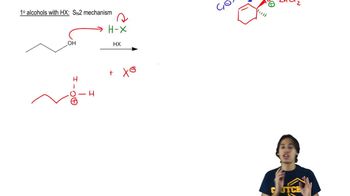
  • Using HX acids via SN2 reaction.
    02:16
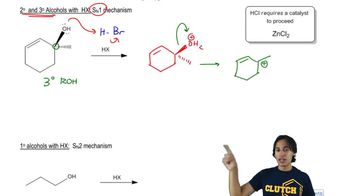
  • Using HX acids via SN1 reaction.
    07:20

Leaving Group Conversions - SOCl2 and PBr3

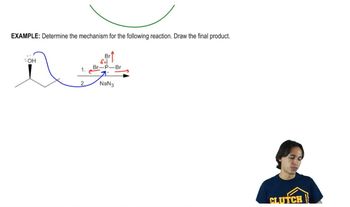
  • Predict the mechanism of PBr3, and draw the final product.
    06:01
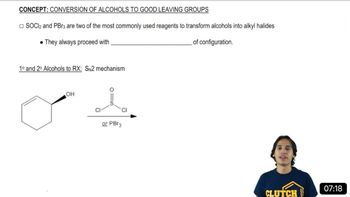
  • Learning the mechanism of SOCl2.
    07:18

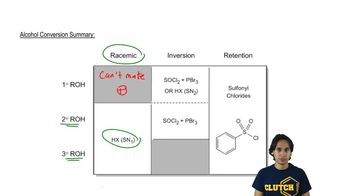
Leaving Group Conversions Summary

  • Comparing and contrasting the Alcohol Conversions.
    04:30

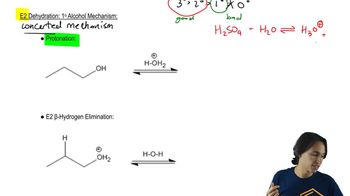
Acid-Catalyzed Dehydration

  • Dehydration of 1° alcohols:The E2 Mechanism
    05:20
  • An extra note of caution with 1° alcohols.
    01:06
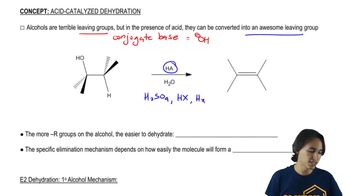
  • General features of acid-catalyzed dehydration.
    06:01

Dehydration with Phosphoryl Chloride

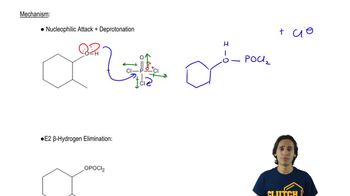
  • Mechanism of Dehydration with POCl3
    04:52
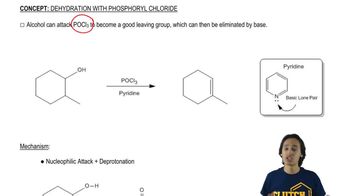
  • General Reaction of Dehydration with POCl3
    01:23

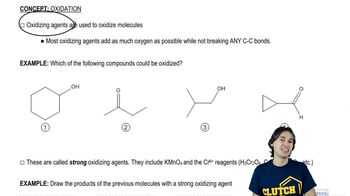
Oxidation

  • Reagents
    01:52
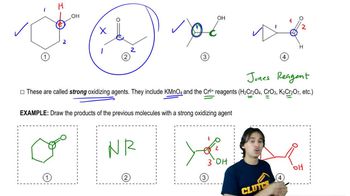
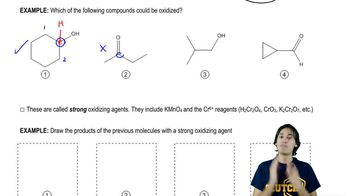
  • Strong oxidizing agents
    05:53
  • Strong oxidizing agents
    03:40

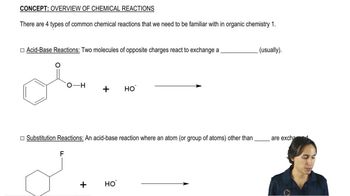
Overview of Chemical Reactions

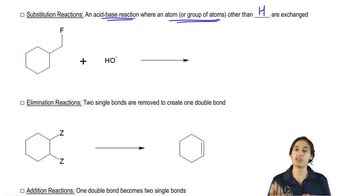
  • Recognizing Substitution Reactions.
    01:34
  • Recognizing Acid-Base Reactions.
    02:43
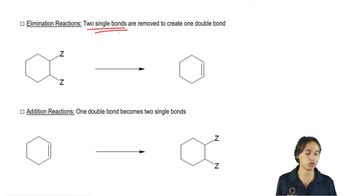
  • Recognizing Elimination Reactions.
    00:40

Reaction Mechanism

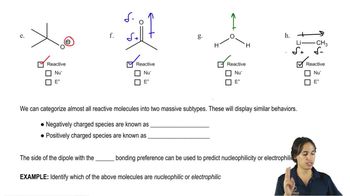
  • How to tell if charged molecules will react as nucleophiles or electrophiles.
    02:39
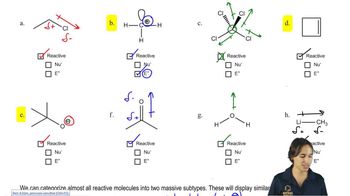
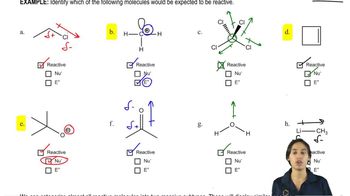
  • Nucleophile or Electrophile
    01:49
  • How to tell if uncharged molecules will react as nucleophiles or electrophiles.
    02:48