Indietro

Ochem Module 8

Guida di studio - Impara con i video

Lezioni curate abbinate al materiale che hai caricato – impara ogni argomento passo dopo passo.

Alkyl Halides

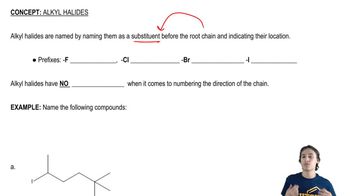
  • How to name alkyl halides
    01:52
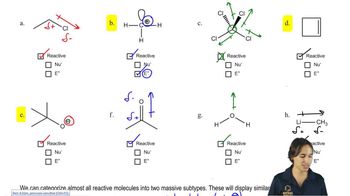
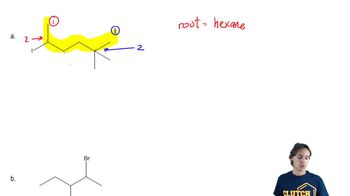
  • Name the following alkyl halide
    01:58
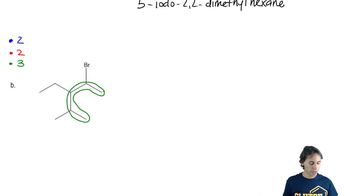
  • Name the following alkyl halide
    03:53

Leaving Groups

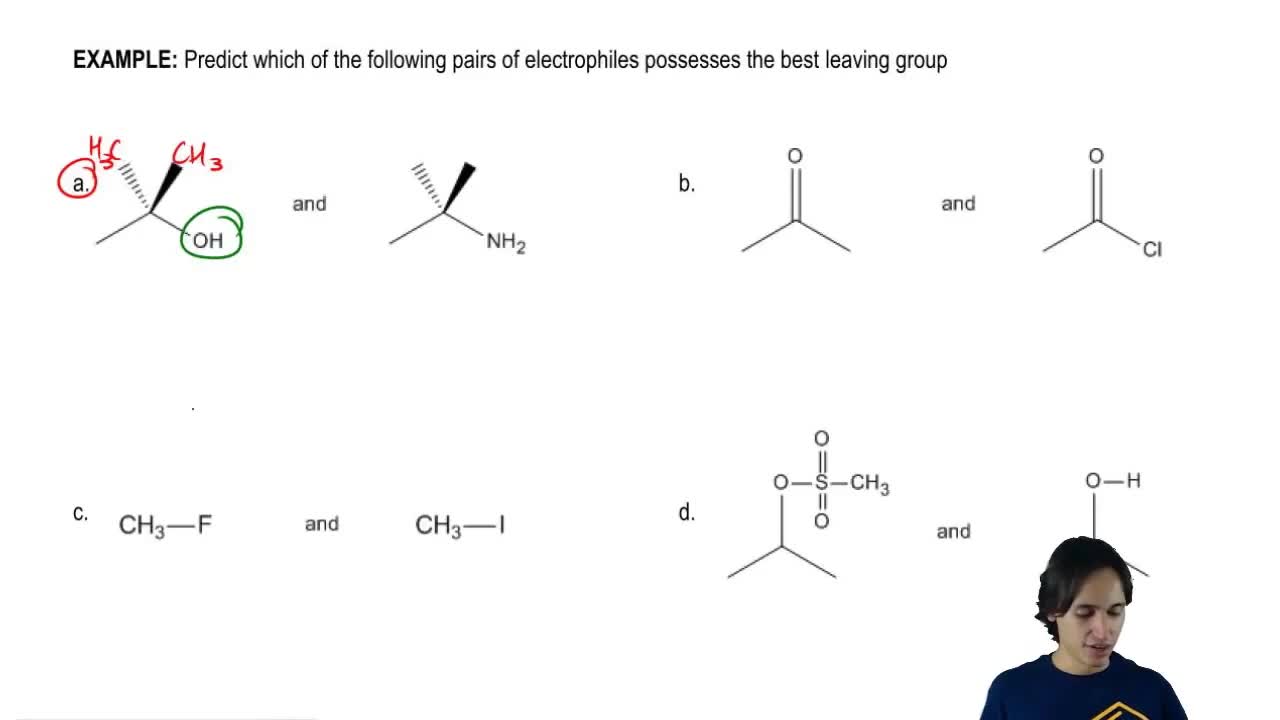
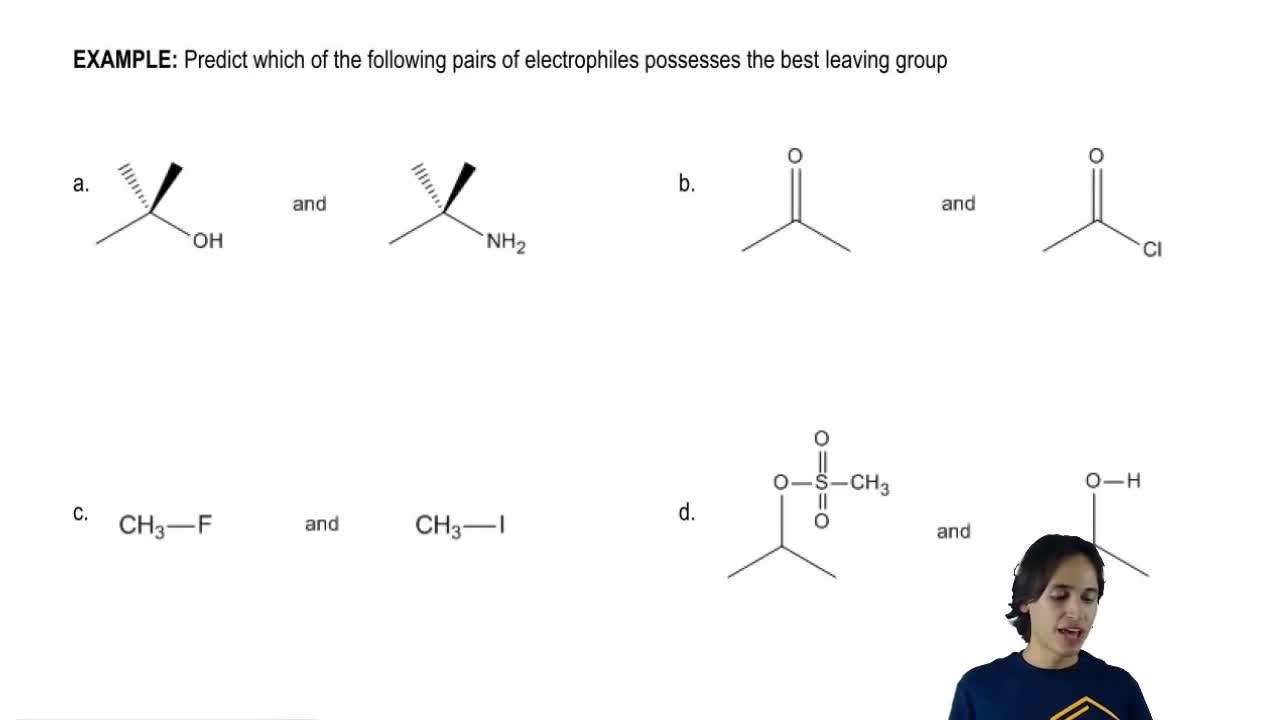
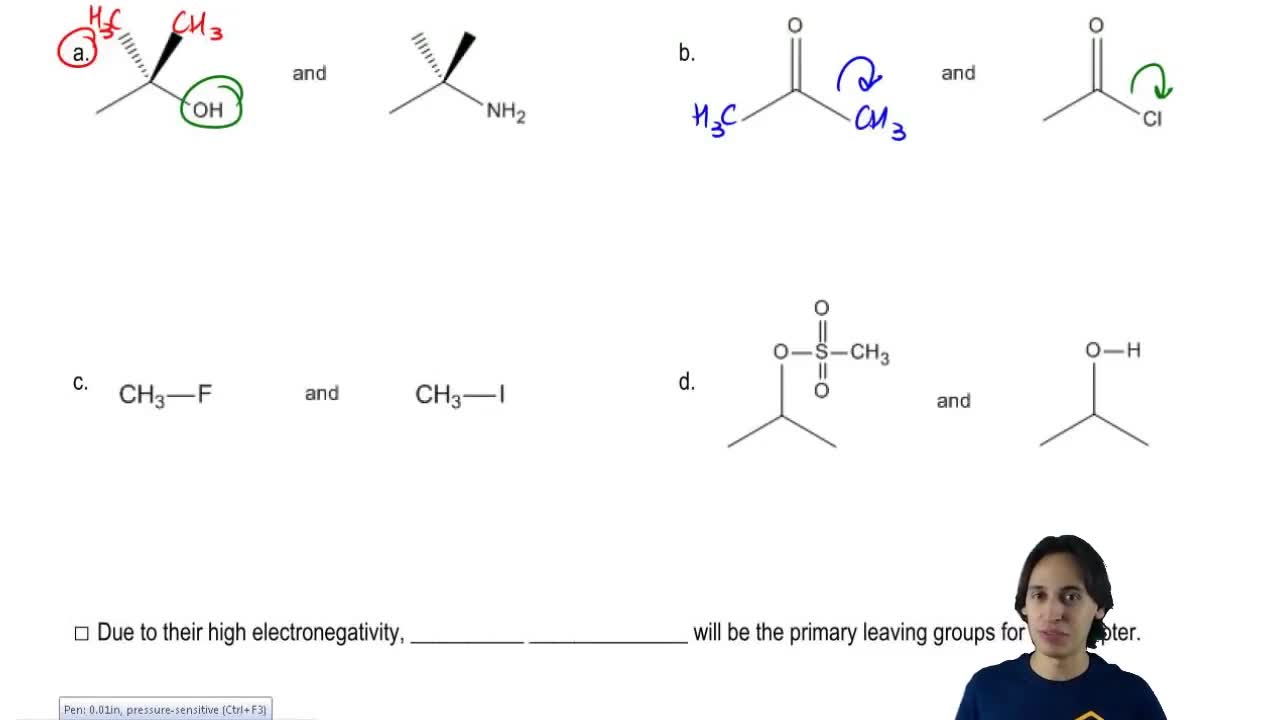
  • Predict the best leaving group
    00:50
  • Predict the best leaving group
    01:12
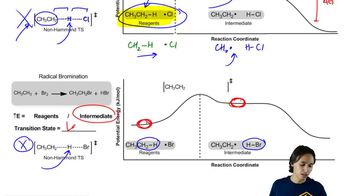
  • Predict the best leaving group
    00:36

The SN2 Mechanism

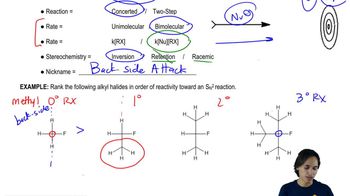
  • Ranking reactivity toward SN2
    04:03
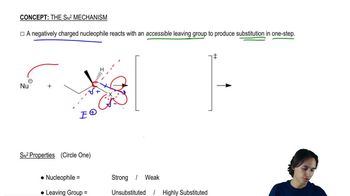
  • Drawing the SN2 Mechanism
    08:33
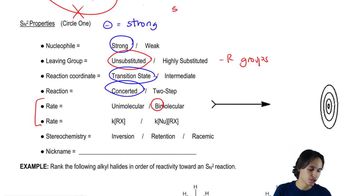
  • Understanding the properties of SN2.
    11:57

The SN1 Mechanism

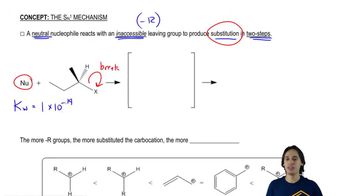
  • Drawing the SN1 Mechanism
    10:49
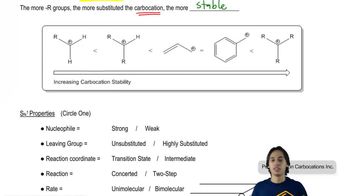
  • Why highly substituted leaving groups favor SN1.
    01:13
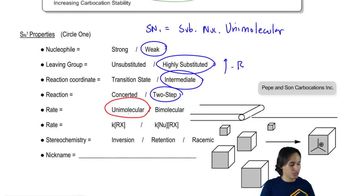
  • Understanding the properties of SN1.
    08:16

Substitution Comparison

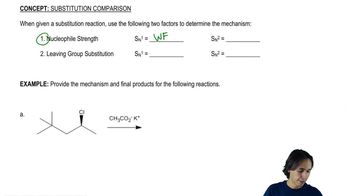
  • How do we predict if the mechanism is SN1 or SN2?
    03:32

Nucleophiles and Basicity

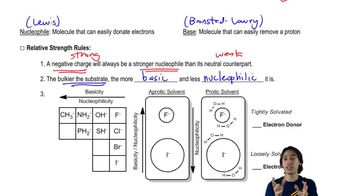
  • Understanding the difference between basicity and nucleophilicity.
    06:21

Solvents

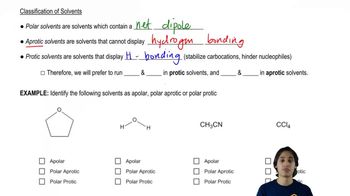
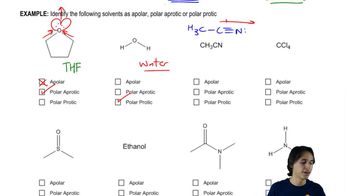
  • The difference between protic vs. aprotic solvents.
    03:57
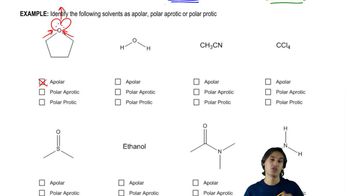
  • Identification of polarity in solvents
    01:16
  • Identification of polarity in solvents
    00:39

Alkenes, Alkynes and Alcohols

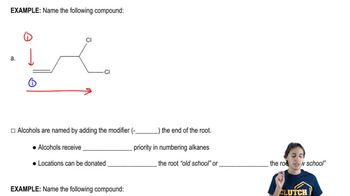
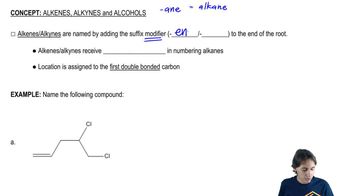
  • Name the following alkene
    02:04
  • How to name alkenes and alkynes
    01:55

E2 Mechanism

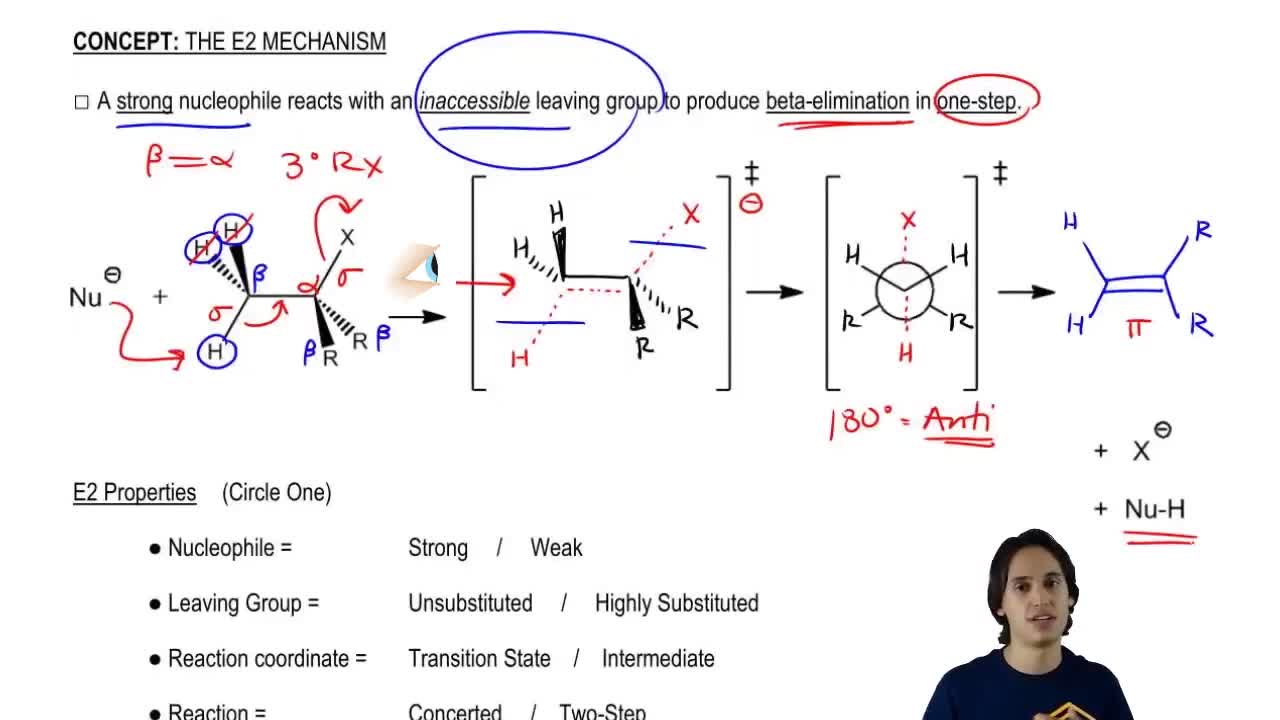
  • Understanding the properties of E2.
    04:42
  • Drawing the E2 Mechanism.
    09:36
  • Rank reactivity toward E2
    02:03

The E1 Mechanism

  • Understanding the properties of E1.
    03:32
  • Drawing the E1 Mechanism.
    08:09

Elimination and Zaitsev's Rule

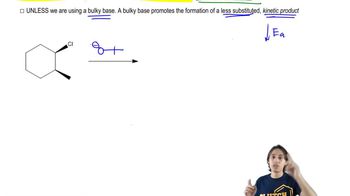
  • Hofmann product
    02:39
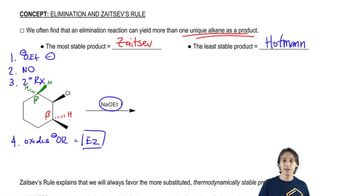
  • Defining Zaitsev’s Rule
    01:18
  • Zaitsev product
    07:01

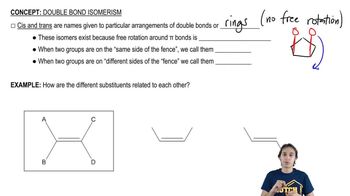
Cis vs Trans

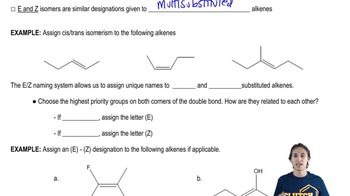
  • Why we need to use the E/Z naming system
    02:07
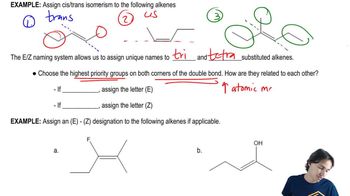
  • What does E and Z stand for?
    00:50
  • How to name different types of double bonds or rings
    04:28

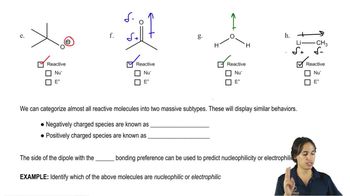
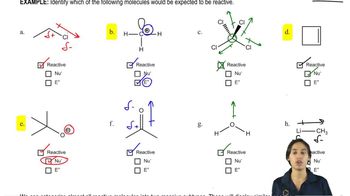
Reaction Mechanism

  • How to tell if charged molecules will react as nucleophiles or electrophiles.
    02:39
  • Nucleophile or Electrophile
    01:49
  • How to tell if uncharged molecules will react as nucleophiles or electrophiles.
    02:48

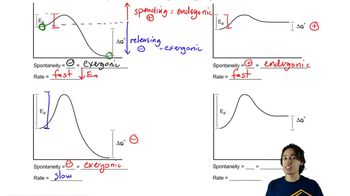
Energy Diagram

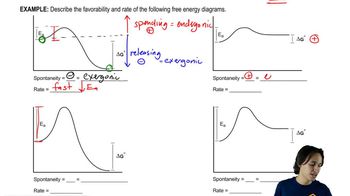
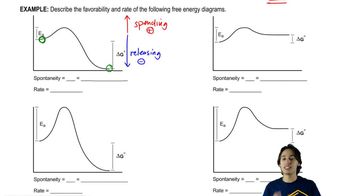
  • Favorability and rate of Free Energy Diagrams
    01:14
  • Favorability and rate of Free Energy Diagrams
    00:34
  • Favorability and rate of Free Energy Diagrams
    02:18

Hammond Postulate

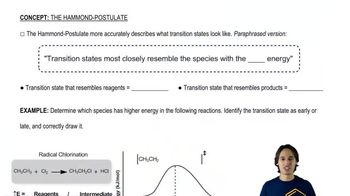
  • Defining the Hammond Postulate.
    01:30
  • Bromination explains the Hammond Postulate.
    02:58
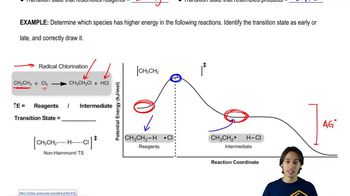
  • Chlorination explains the Hammond Postulate.
    05:23