Indietro

Alkynes: Structure, Properties, Nomenclature, and Reactions

Guida di studio - Impara con i video

Lezioni curate abbinate al materiale che hai caricato – impara ogni argomento passo dopo passo.

Alkenes, Alkynes and Alcohols

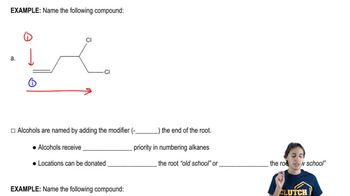
  • Name the following alkene
    02:04
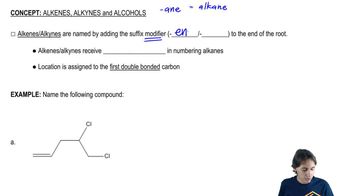
  • How to name alkenes and alkynes
    01:55

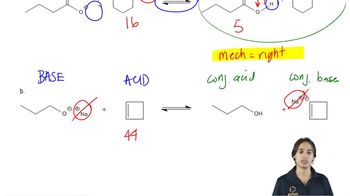
Acid Base Equilibrium

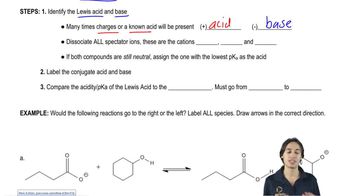
  • The 3 steps for determining the direction of acid and base equilibrium.
    05:11
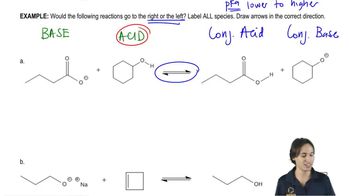
  • Determining Acid/Base Equilibrium
    04:00
  • Determining Acid/Base Equilibrium
    02:34
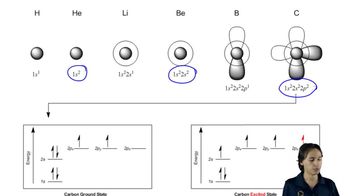
Hybridization

  • How carbon creates 4 partially-filled orbitals.
    02:53
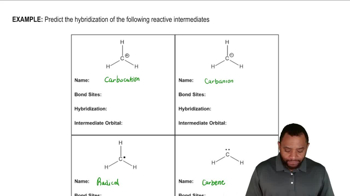
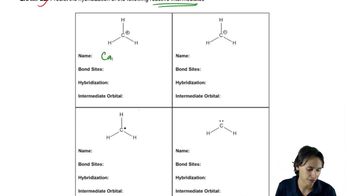
  • Bond sites, hybridization, and intermediate orbitals
    04:58
  • Introduction to the reactive intermediates.
    02:47

Reaction Mechanism

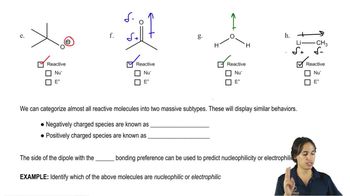
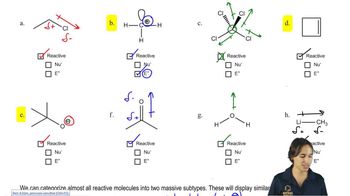
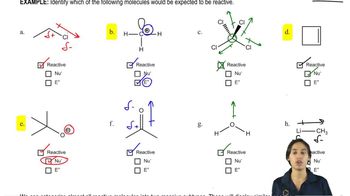
  • How to tell if charged molecules will react as nucleophiles or electrophiles.
    02:39
  • Nucleophile or Electrophile
    01:49
  • How to tell if uncharged molecules will react as nucleophiles or electrophiles.
    02:48

Nucleophilic Addition

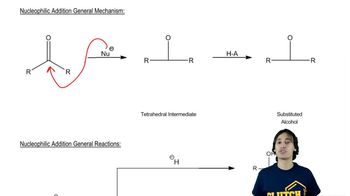
  • Nucleophilic Addition
    08:27

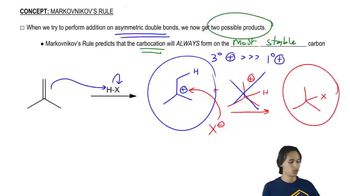
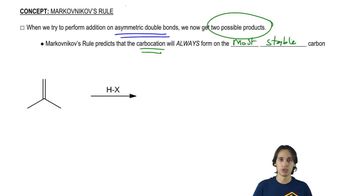
Markovnikov's Rule

  • Provide the mechanism
    01:26
  • How to add to asymmetrical double bonds.
    03:38

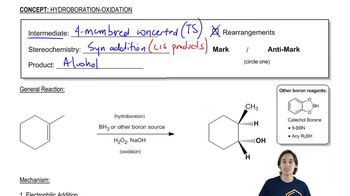
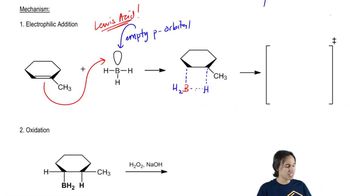
Hydroboration-Oxidation

  • General properties of hydroboration-oxidation.
    06:38
  • Acid-catalyzed hydroboration-oxidation mechanism
    06:14

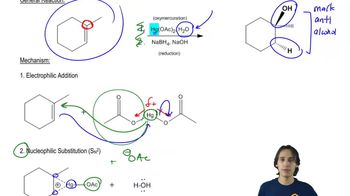
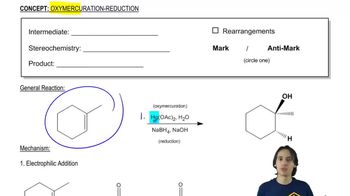
Oxymercuration-Reduction

  • Acid-catalyzed oxymercuration-reduction mechanism
    09:01
  • General properties of oxymercuration-reduction.
    05:

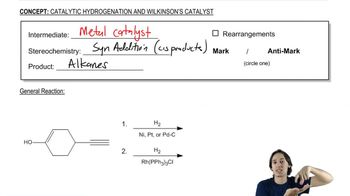
Catalytic Hydrogenation and Wilkinson's Catalyst

  • General properties of catalytic hydrogenation.
    05:21

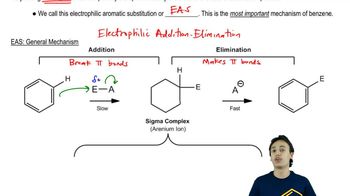
Electrophilic Aromatic Substitution – General Mechanism

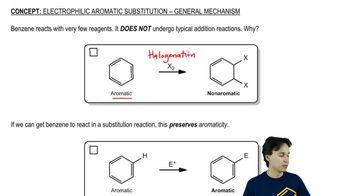
  • EAS General Mechanism
    06:52
  • EAS Review
    03:07

Radical Initiators

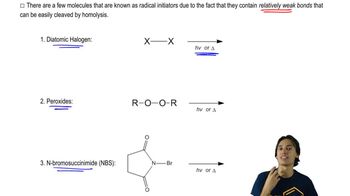
  • What are Radical Initiators?
    03:49
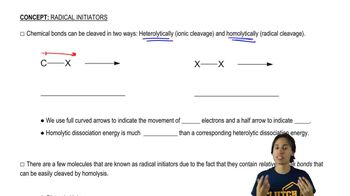
  • Heterolytic vs. Homolytic Bond Cleavage .
    04:39

Radical Stability

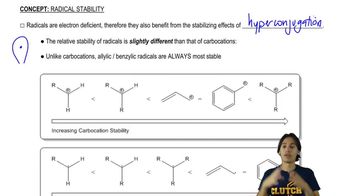
  • The radical stability trend.
    03:43
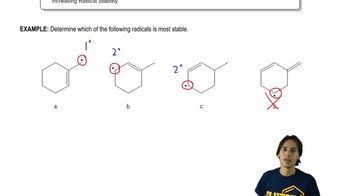
  • Determine which of the following radicals is the most stable.
    03:25

Radical Chain Reaction

  • The one reaction that alkanes will actually undergo.
    02:05
  • Explaining the following problem.
    00:34
  • Show the entire chain reaction mechanism.
    04:08

Radical Selectivity

  • Predict the Product.
    00:48
  • Predict the Product.
    01:02
  • Using the Hammond Postulate to describe radical chlorination.
    03:03

Radical Synthesis

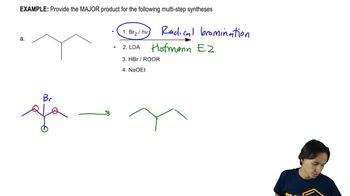
  • Predict the MAJOR product.
    04:12
  • Predict the MAJOR product.
    04:28

Introduction to Substitution

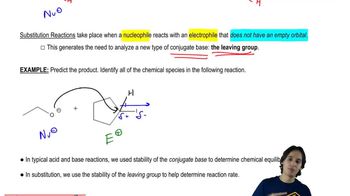
  • Predict the product
    05:55
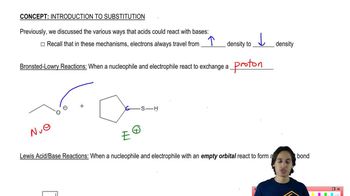
  • Nucleophiles and Electrophiles can react in Bronsted-Lowry Reactions.
    05:01
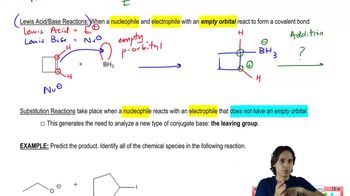
  • Nucleophiles and Electrophiles can react in Substitution Reactions.
    01:47

Leaving Groups

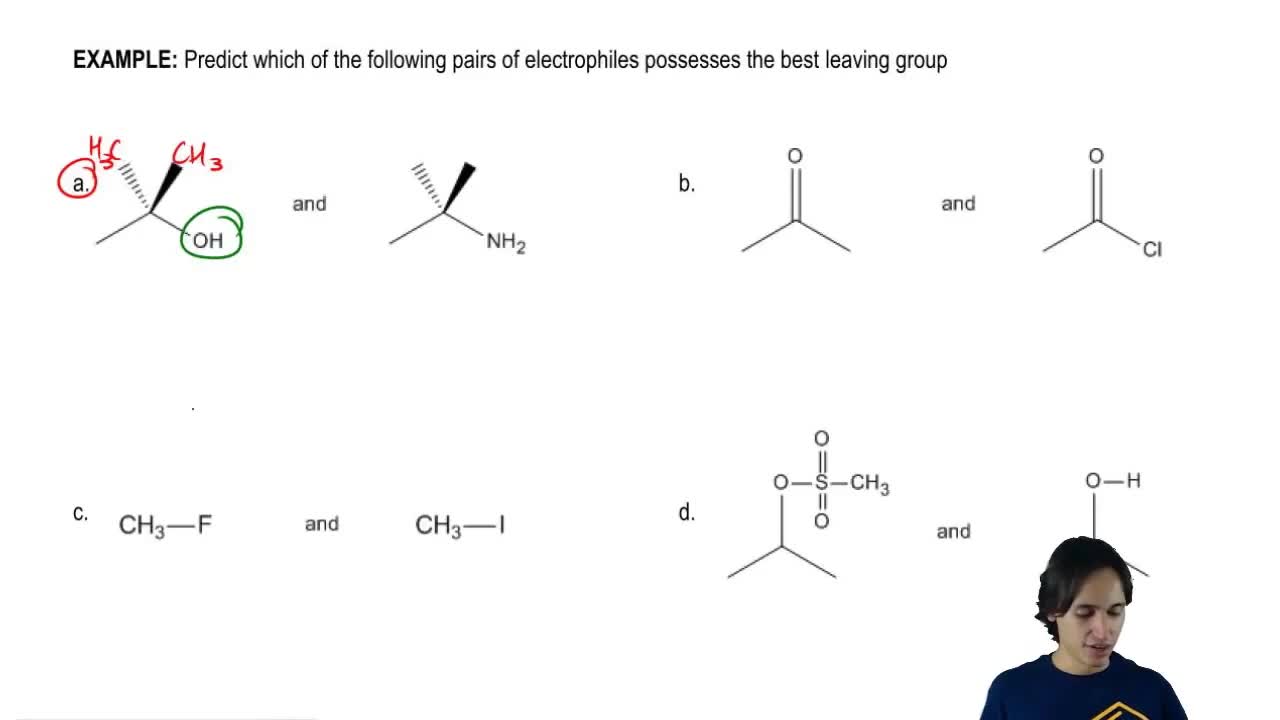
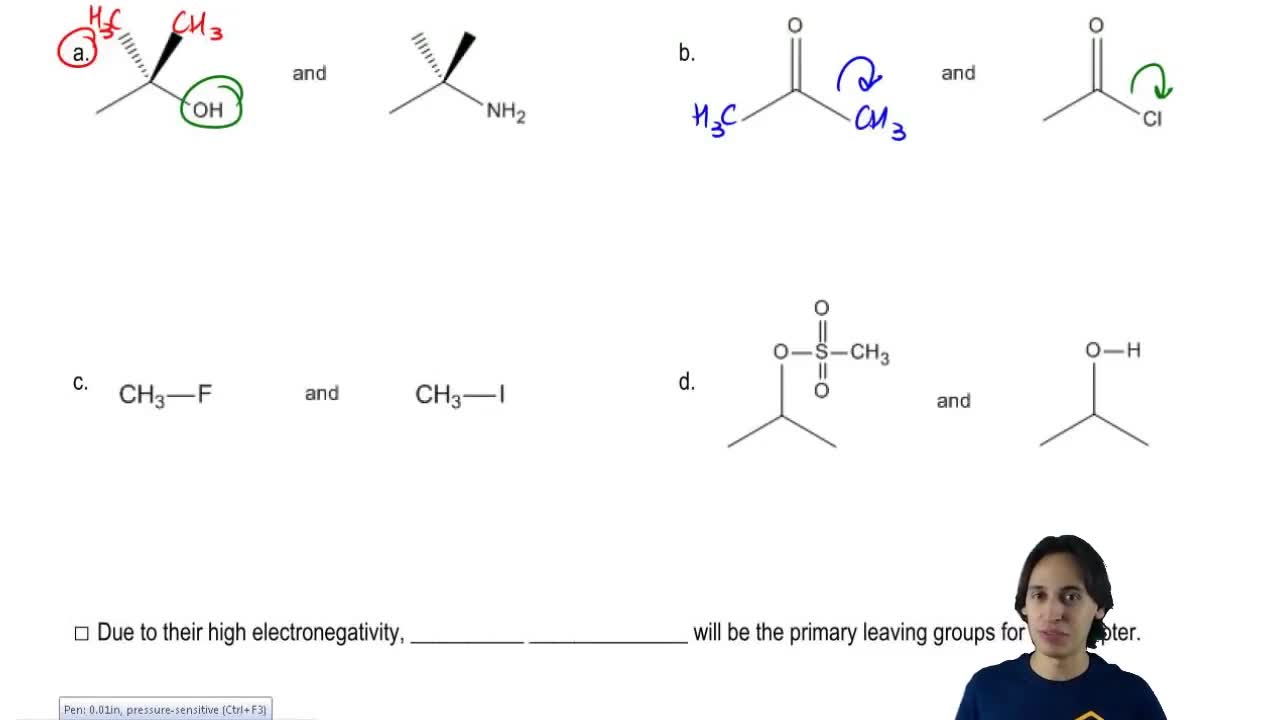
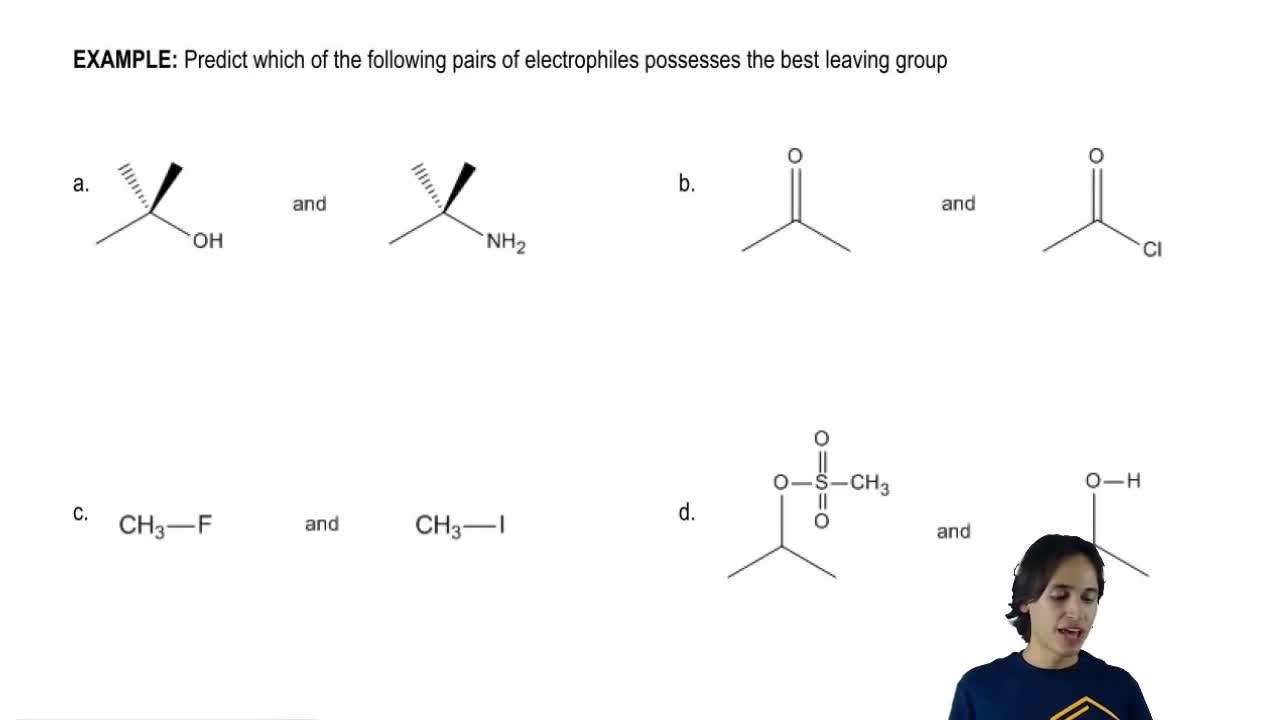
  • Predict the best leaving group
    00:50
  • Predict the best leaving group
    01:12
  • Predict the best leaving group
    00:36

The SN2 Mechanism

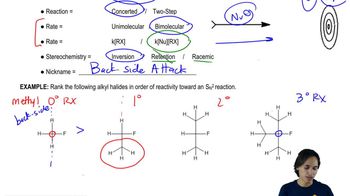
  • Ranking reactivity toward SN2
    04:03
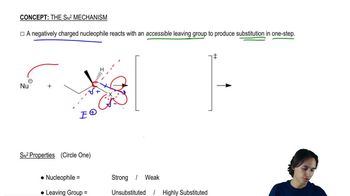
  • Drawing the SN2 Mechanism
    08:33
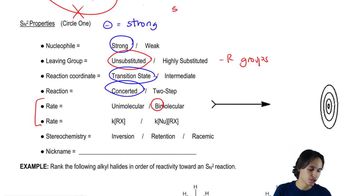
  • Understanding the properties of SN2.
    11:57

The SN1 Mechanism

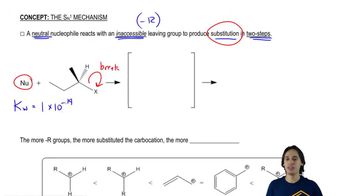
  • Drawing the SN1 Mechanism
    10:49
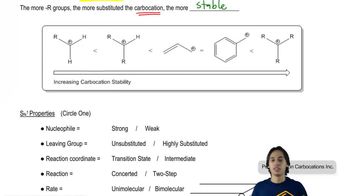
  • Why highly substituted leaving groups favor SN1.
    01:13
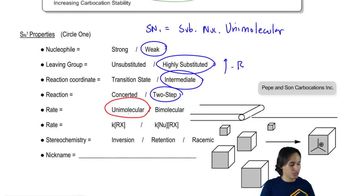
  • Understanding the properties of SN1.
    08:16

Substitution Comparison

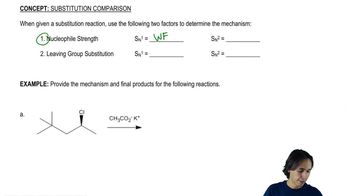
  • How do we predict if the mechanism is SN1 or SN2?
    03:32

E2 Mechanism

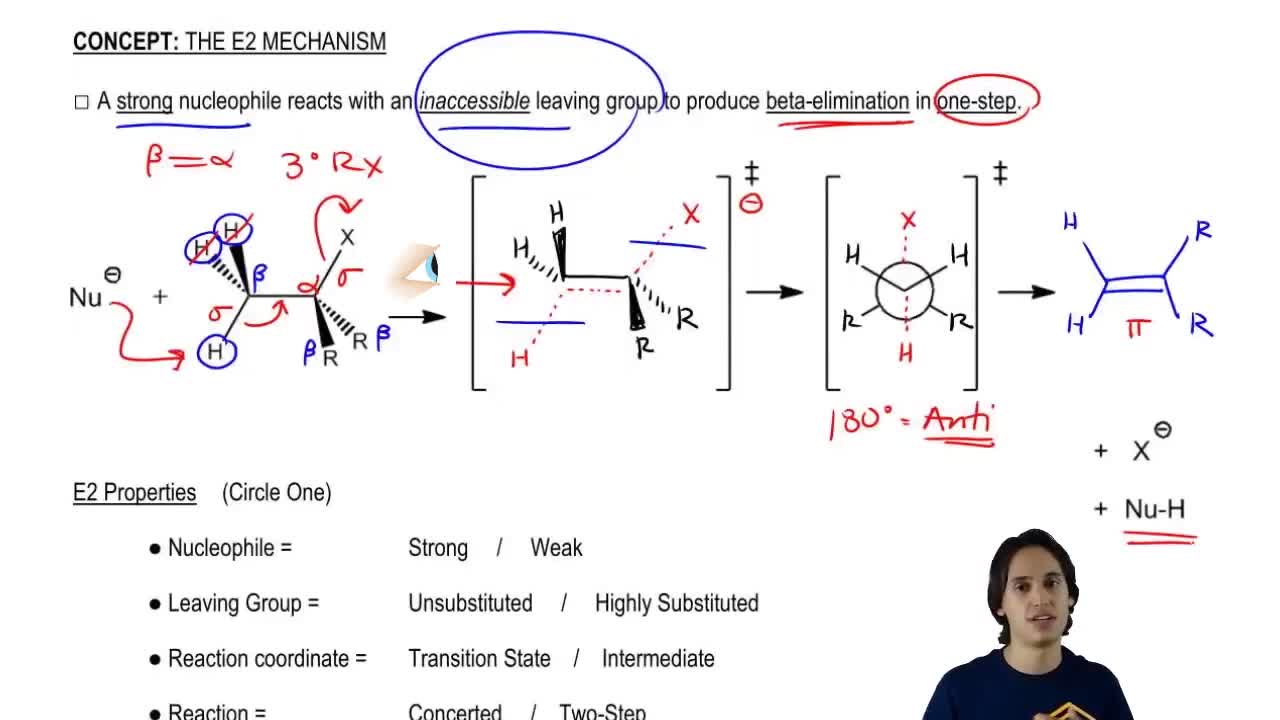
  • Understanding the properties of E2.
    04:42
  • Drawing the E2 Mechanism.
    09:36
  • Rank reactivity toward E2
    02:03

The Anti-Coplanar Requirement

  • The Anti-Coplanar Requirement
    03:19
  • Identify the completion of E2 mechanisms
    03:39
  • Identify the completion of E2 mechanisms
    01:09

The E1 Mechanism

  • Understanding the properties of E1.
    03:32
  • Drawing the E1 Mechanism.
    08:09

Solvents

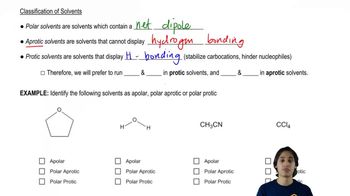
  • The difference between protic vs. aprotic solvents.
    03:57
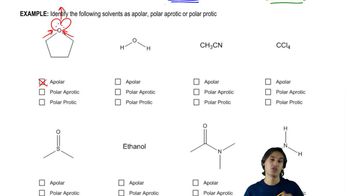
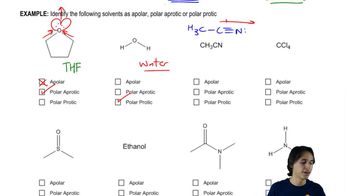
  • Identification of polarity in solvents
    01:16
  • Identification of polarity in solvents
    00:39

Nucleophiles and Basicity

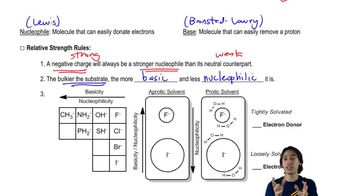
  • Understanding the difference between basicity and nucleophilicity.
    06:21

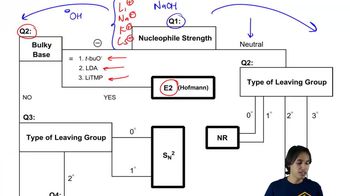
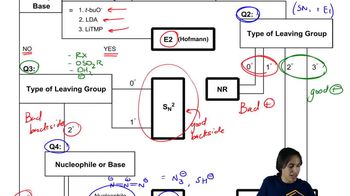
SN1 SN2 E1 E2 Chart (Big Daddy Flowchart)

  • How to predict SN2 and E2 mechanisms.
    09:52
  • How to predict SN1 and E1 mechanisms.
    06:30
  • Overview of the flowchart.
    02:27

Cumulative Substitution/Elimination

  • Intro to Substitution/Elimination Problems
    00:38

Alkyne Hydrohalogenation

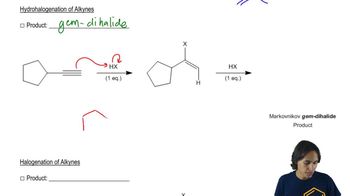
  • Double hydrohalogenation of alkynes.
    02:20
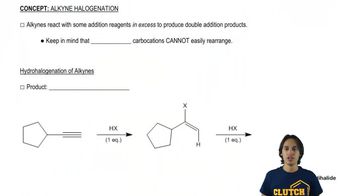
  • General properties of double addition reactions to alkynes.
    01:01

Alkyne Hydration

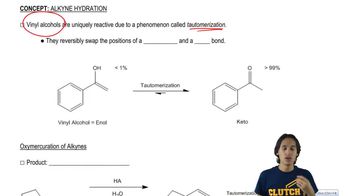
  • Vinyl alcohols yield tautomers.
    03:51
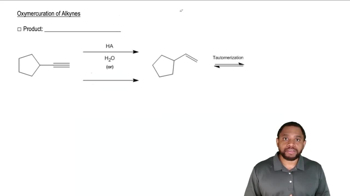
  • Markovnikov addition of alcohols yields ketones.
    03:29

Alkyne Hydroboration

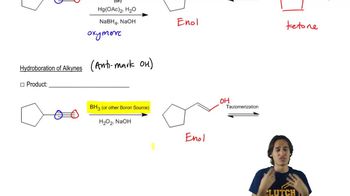
  • Anti-Markovnikov addition of alcohols to terminal alkynes yields aldehydes
    02:43

Alkyne Halogenation

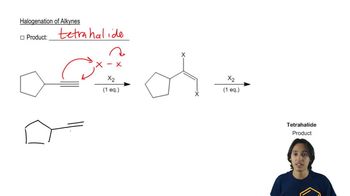
  • Double halogenation of alkynes.
    02:15