Indietro

Arrows, Resonance, Acid/Base Chemistry, and Substitution/Elimination Mechanisms in Organic Chemistry

Guida di studio - Impara con i video

Lezioni curate abbinate al materiale che hai caricato – impara ogni argomento passo dopo passo.

Resonance Structures

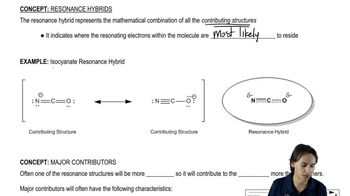
  • How to draw a resonance hybrid.
    03:24
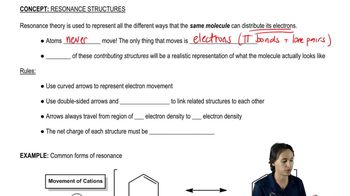
  • The rules you need for resonance:
    03:34
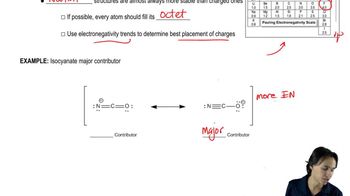
  • How to determine which structure is most stable.
    01:32

Acid and Base Definitions

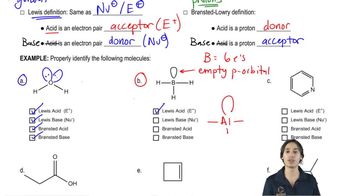
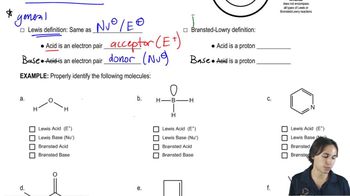
  • Lewis vs. Bronsted-Lowry Definition
    07:46
  • The Bronsted-Lowry definition of acids and bases.
    00:54
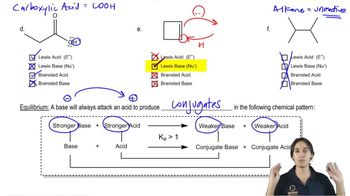
  • Equilibrium constant and conjugates.
    02:11

Equilibrium Constant and pKa

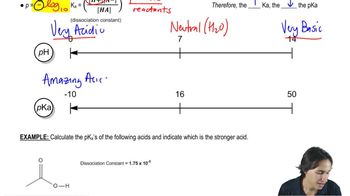
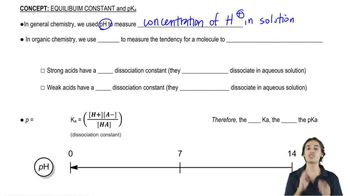
  • The pH scale vs. the pKa scale.
    02:15
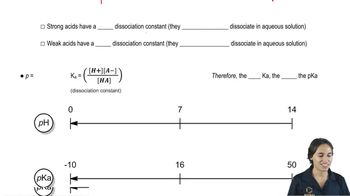
  • The relationship between equilibrium constant and pKa.
    02:19
  • Why we use pKa instead of pH.
    01:46

pKa Values

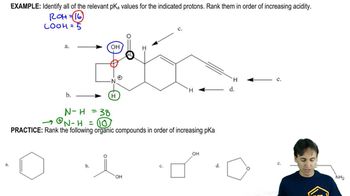
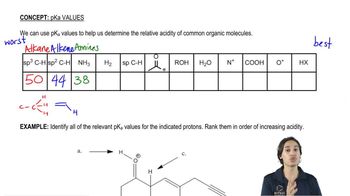
  • Identifying pKa values
    07:45
  • The 12 pKa values you want to memorize (because they are important!).
    09:36

Factors Affecting Acidity

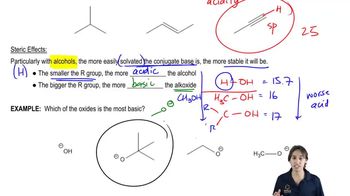
  • Which of the oxides is the most basic?
    00:30
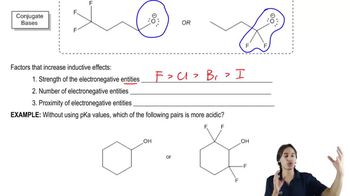
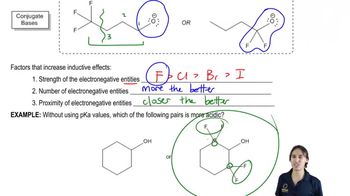
  • The 3 factors that determine the strength of inductive effects.
    03:09
  • Using Inductive Effect to determine acidity
    01:54

Alkyl Halides

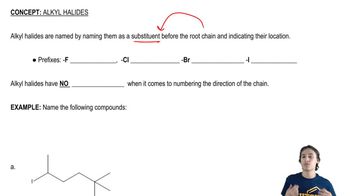
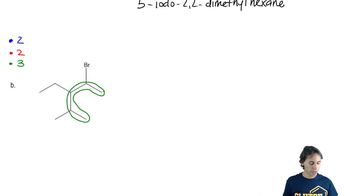
  • How to name alkyl halides
    01:52
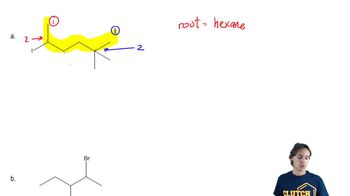
  • Name the following alkyl halide
    01:58
  • Name the following alkyl halide
    03:53

The SN2 Mechanism

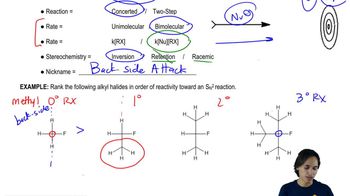
  • Ranking reactivity toward SN2
    04:03
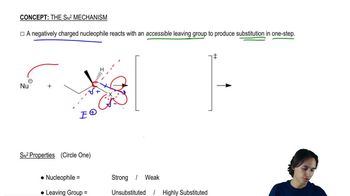
  • Drawing the SN2 Mechanism
    08:33
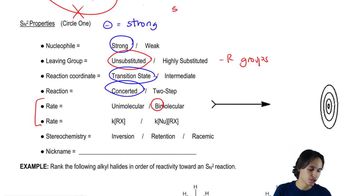
  • Understanding the properties of SN2.
    11:57

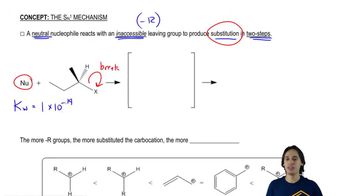
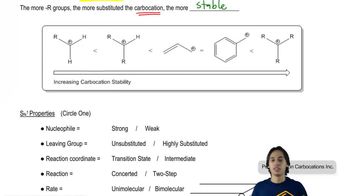
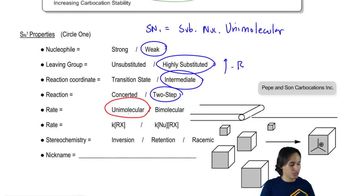
The SN1 Mechanism

  • Drawing the SN1 Mechanism
    10:49
  • Why highly substituted leaving groups favor SN1.
    01:13
  • Understanding the properties of SN1.
    08:16

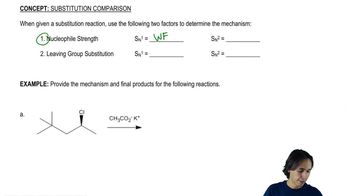
Substitution Comparison

  • How do we predict if the mechanism is SN1 or SN2?
    03:32

Leaving Groups

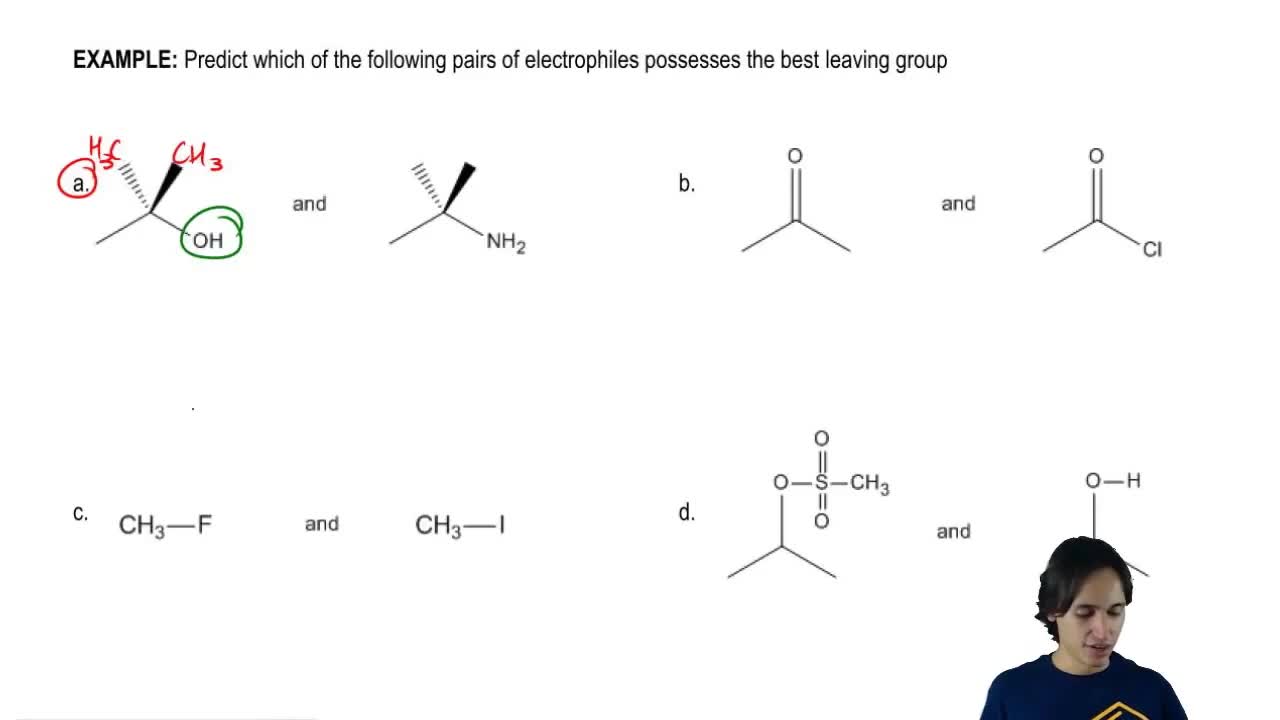
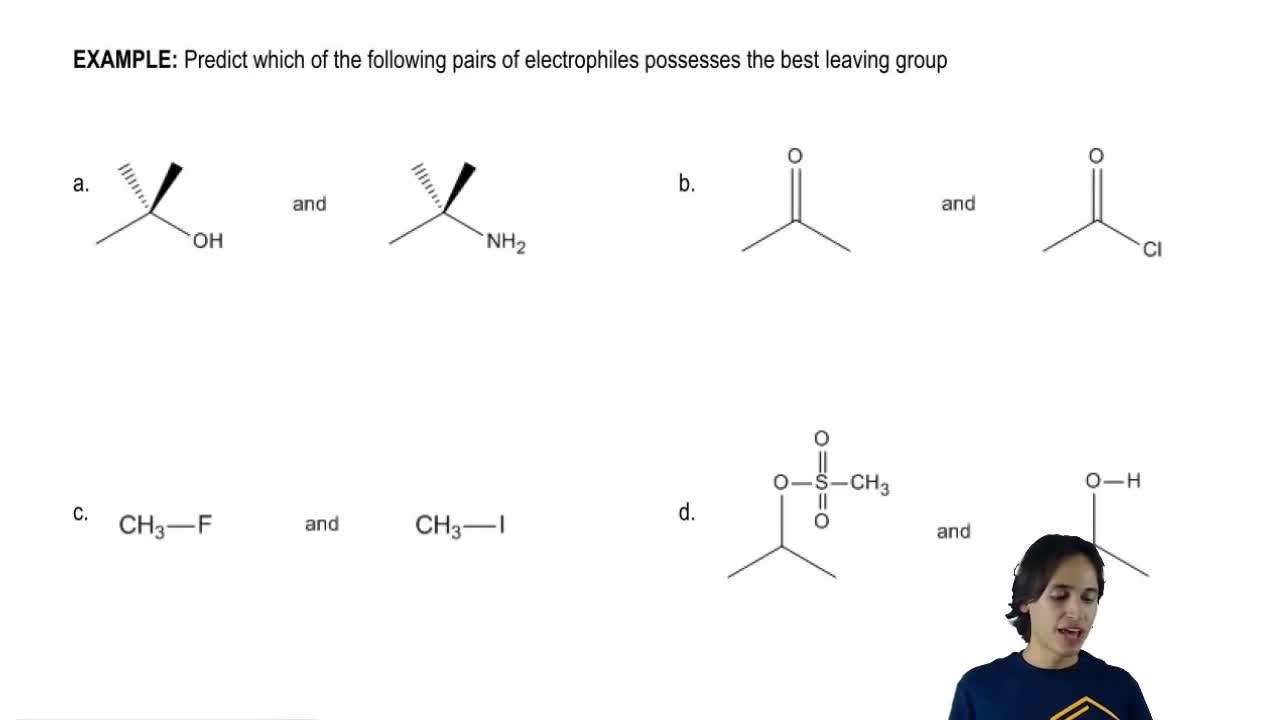
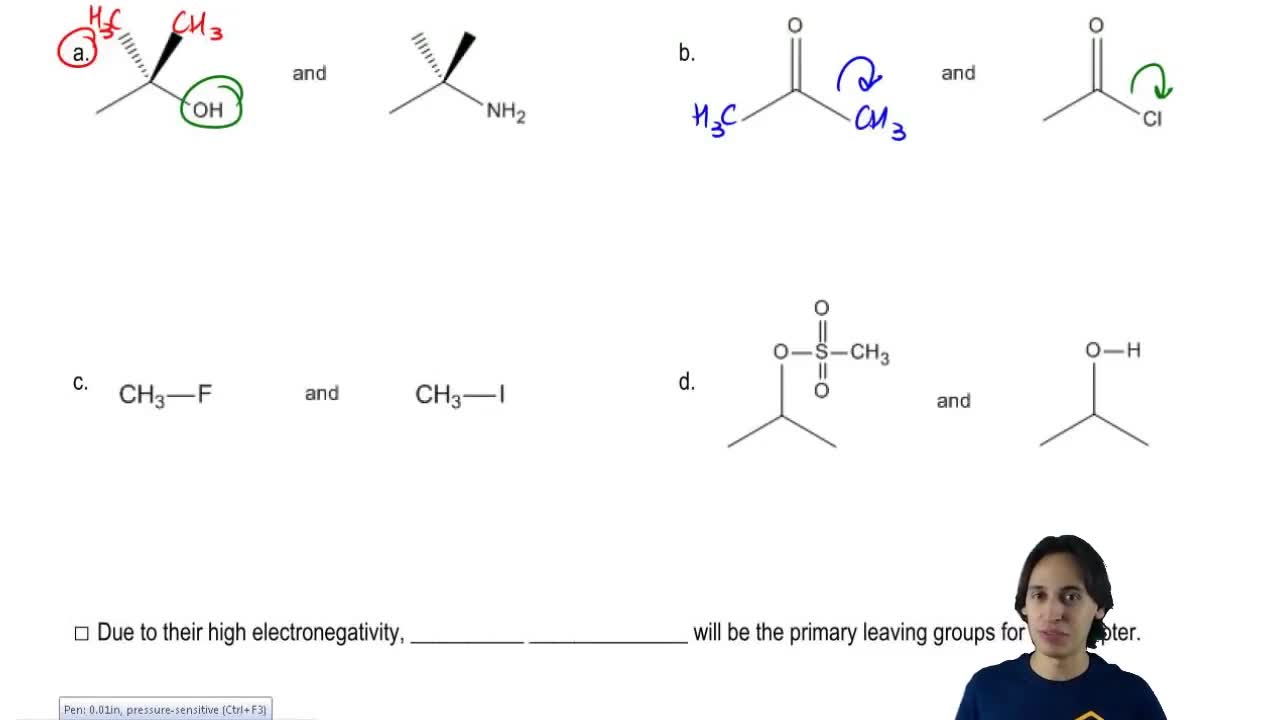
  • Predict the best leaving group
    00:50
  • Predict the best leaving group
    01:12
  • Predict the best leaving group
    00:36

Nucleophiles and Basicity

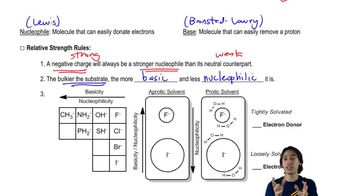
  • Understanding the difference between basicity and nucleophilicity.
    06:21

Solvents

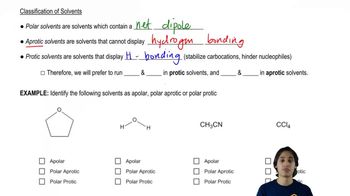
  • The difference between protic vs. aprotic solvents.
    03:57
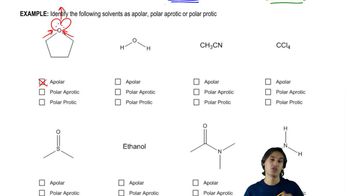
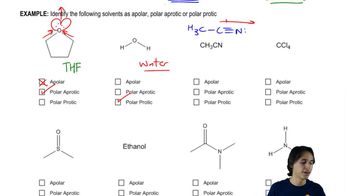
  • Identification of polarity in solvents
    01:16
  • Identification of polarity in solvents
    00:39

E2 Mechanism

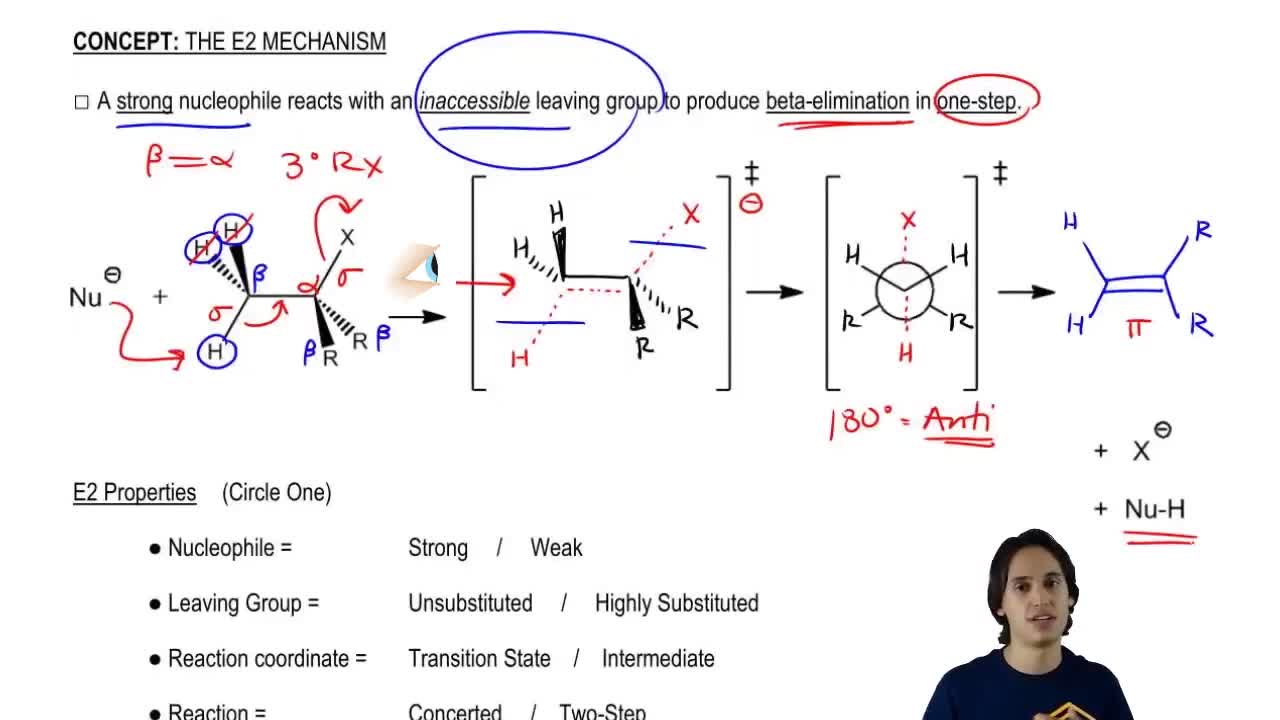
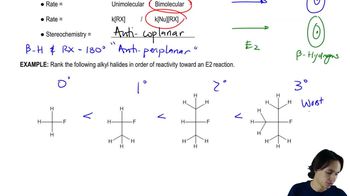
  • Understanding the properties of E2.
    04:42
  • Drawing the E2 Mechanism.
    09:36
  • Rank reactivity toward E2
    02:03

The E1 Mechanism

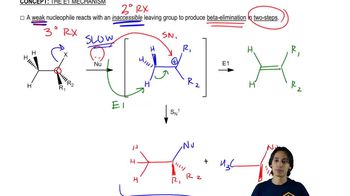
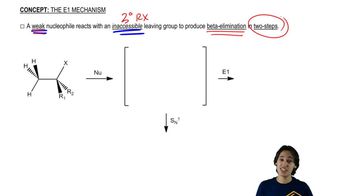
  • Understanding the properties of E1.
    03:32
  • Drawing the E1 Mechanism.
    08:09

Recognizing Different β-Hydrogens

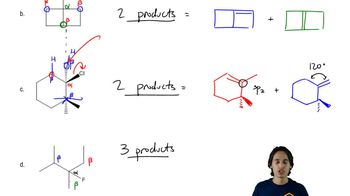
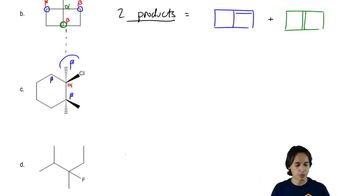
  • Identify the number of unique products
    02:08
  • Identify the number of unique products
    03:19
  • Identify the number of unique products
    02:02

The Anti-Coplanar Requirement

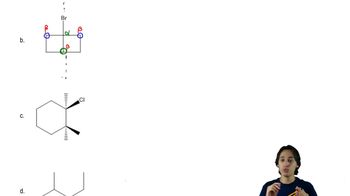
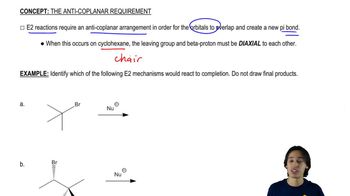
  • The Anti-Coplanar Requirement
    03:19
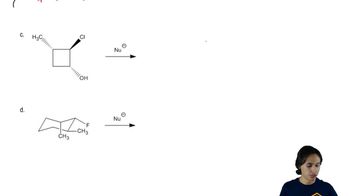
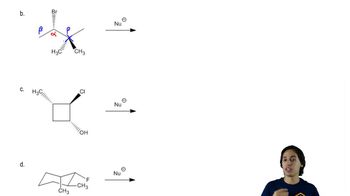
  • Identify the completion of E2 mechanisms
    03:39
  • Identify the completion of E2 mechanisms
    01:09

Energy Diagram

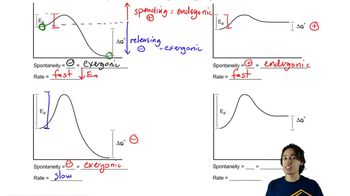
  • Favorability and rate of Free Energy Diagrams
    01:14
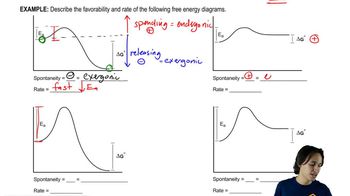
  • Favorability and rate of Free Energy Diagrams
    00:34
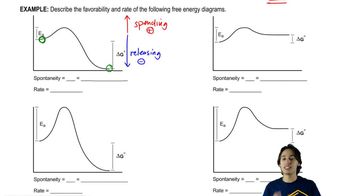
  • Favorability and rate of Free Energy Diagrams
    02:18