 Indietro
Chapter 7: The Reactions of Alkynes and Multistep Synthesis
Guida di studio - Note intelligenti
 Appunti personalizzati basati sui tuoi materiali, ampliati con definizioni chiave, esempi e contesto.
The Reactions of Alkynes
Introduction to Alkynes
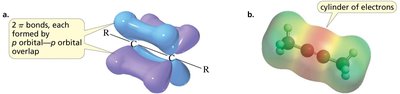
Alkynes are hydrocarbons containing at least one carbon–carbon triple bond. Their unique structure and reactivity make them important in both natural and synthetic organic chemistry. - General formula: Acyclic alkynes: ; Cyclic alkynes: - Triple bond: Composed of one sigma () bond and two pi () bonds. 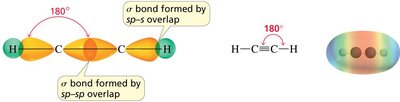
Occurrence and Applications
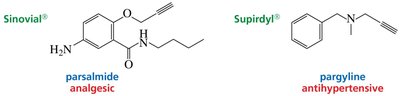
Alkynes are found in nature and are also synthesized for various applications, including pharmaceuticals and agrochemicals. - Examples: Capillin (fungicide), Ichthyothereol (convulsant), Enediyne (anticancer drug), Parsalmide (analgesic), Pargyline (antihypertensive). 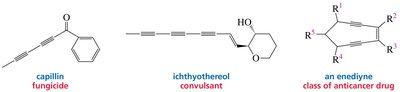
Nomenclature of Alkynes
Basic Naming Rules
The IUPAC system names alkynes by identifying the longest chain containing the triple bond and assigning the lowest possible number to the triple bond. - Terminal alkyne: Triple bond at the end of the chain. - Internal alkyne: Triple bond within the chain. 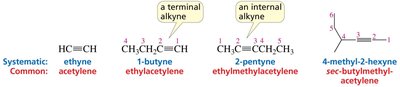
Numbering and Functional Group Priority
When multiple functional groups are present, the chain is numbered to give the lowest possible number to the highest priority group. - Priority order: 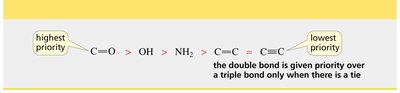
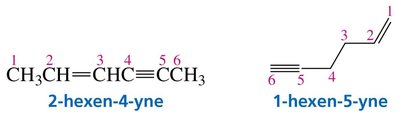
Compounds with Multiple Functional Groups
When both double and triple bonds are present, the chain is numbered to include both groups with the lowest possible numbers. 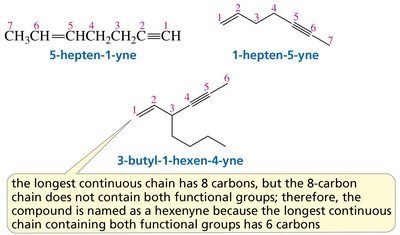
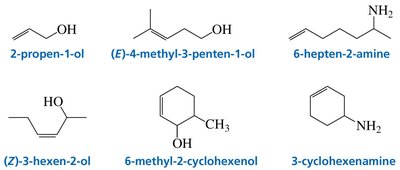
Examples of Nomenclature
- 2-hexen-4-yne and 1-hexen-5-yne are examples of compounds with both double and triple bonds.
Structure and Physical Properties of Alkynes
Bonding in Alkynes
Alkynes have a linear geometry due to sp hybridization. - Bond angle: 180° - Bond formation: bond by sp–sp overlap; bonds by p–p overlap.
Physical Properties
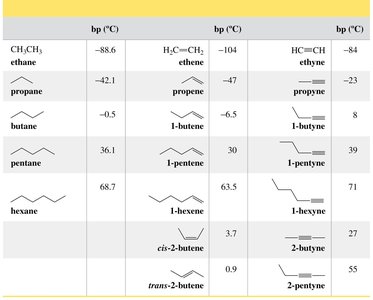
Unsaturated hydrocarbons (alkenes and alkynes) have lower boiling points than their saturated analogs due to decreased van der Waals forces.
Compound | Boiling Point (°C) |
|---|---|
Ethane | -88.6 |
Ethene | -104 |
Ethyne | -84 |
Propane | -42.1 |
Propene | -47 |
Propyne | -23 |
1-Butene | -6.5 |
1-Butyne | 8 |
1-Pentene | 30 |
1-Pentyne | 39 |
1-Hexene | 63.5 |
1-Hexyne | 71 |
cis-2-Butene | 3.7 |
2-Butyne | 27 |
trans-2-Butene | 0.9 |
2-Pentyne | 55 |
Electrophilic Addition Reactions of Alkynes
General Mechanism
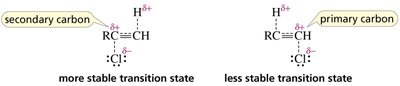
Alkynes undergo electrophilic addition reactions similar to alkenes, but the intermediate carbocations are less stable. - Carbocation stability: Tertiary > Secondary > Primary > Methyl > Vinyl 
Formation of π-Complex
Due to the instability of vinylic cations, a π-complex intermediate is often formed. 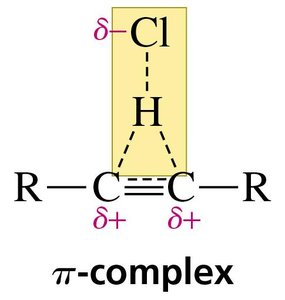
Evidence for π-Complex
The formation of (Z)-isomers in addition reactions supports the existence of a π-complex. 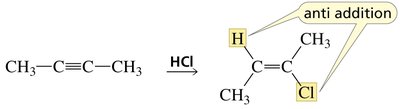
Reactivity and Stability
Alkynes are less stable and less reactive than alkenes due to higher activation energy and less stable intermediates. 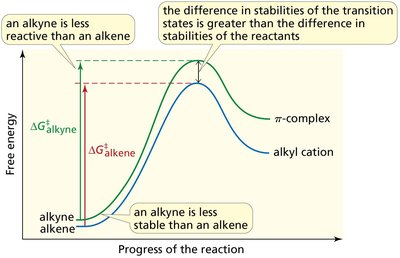
Second Addition and Regioselectivity
- Second addition: After the first addition, a halo-substituted alkene can undergo a second electrophilic addition to form a geminal dihalide. 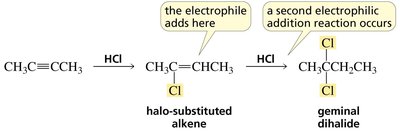 - Regioselectivity: Addition to terminal alkynes is regioselective, favoring the formation of products where the electrophile adds to the less substituted carbon.
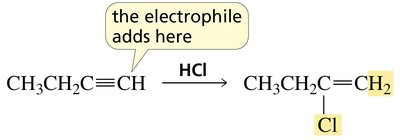
Mechanism of Electrophilic Addition
The mechanism involves the formation of a π-complex, followed by the addition of the electrophile and nucleophile. 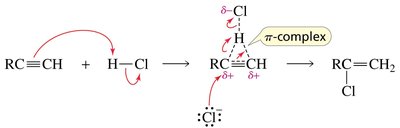
Addition of Halogens
Alkynes react with chlorine and bromine to form tetrahalides. 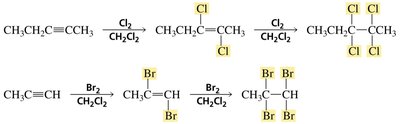
Hydration Reactions of Alkynes
Acid-Catalyzed Addition of Water
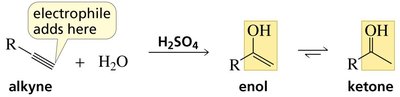
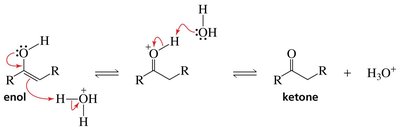
- Alkenes: Addition of water forms alcohols. - Alkynes: Addition of water forms enols, which rapidly tautomerize to ketones. 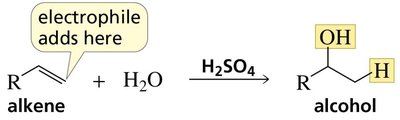
Keto–Enol Interconversion
Enols and ketones interconvert via tautomerization, a process catalyzed by acid. 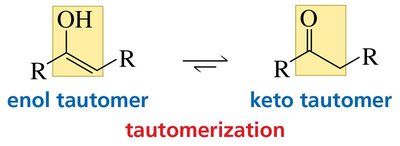
Hydration of Internal and Terminal Alkynes
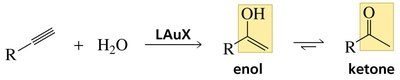
- Internal alkynes: Produce ketones. - Terminal alkynes: Less reactive; require catalysts (gold or mercury) to increase reaction rate. 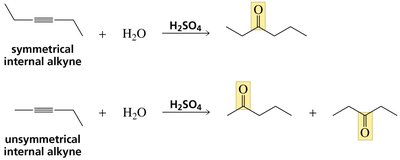

Gold and Mercury Catalysis
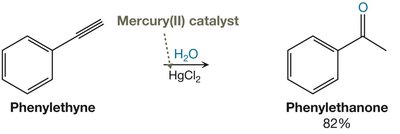
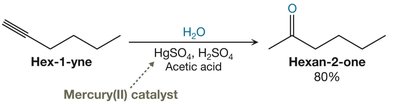
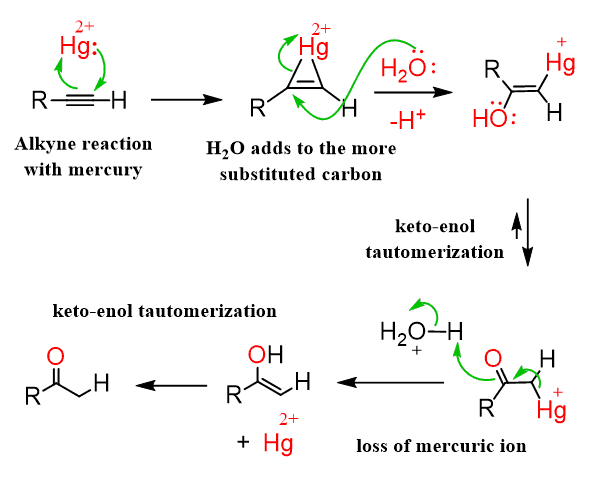
- Gold catalysts: Facilitate hydration and tautomerization. 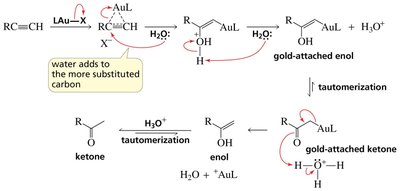 - Mercury catalysts: Markovnikov addition on terminal alkynes produces methyl ketones.
Hydroboration–Oxidation of Alkynes
Hydroboration–Oxidation Mechanism
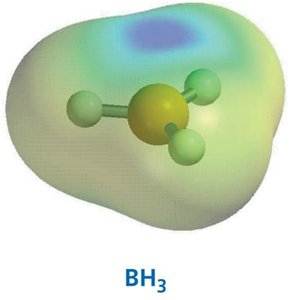
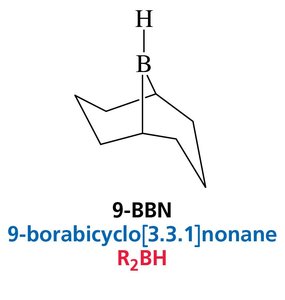
Borane () and 9-BBN are used to add water across the triple bond, forming aldehydes (terminal alkynes) or ketones (internal alkynes). 
Hydrogenation of Alkynes
Complete Hydrogenation
Addition of hydrogen converts alkynes to alkanes.
Partial Hydrogenation
- Poisoned catalyst: Stops reaction at alkene stage (e.g., Lindlar's catalyst: Pd/CaCO3 poisoned with lead acetate and quinoline). - Syn addition: Hydrogens add to the same side, forming cis-alkenes.
- Anti addition: Sodium in liquid ammonia produces trans-alkenes.
Acidity and Alkylation of Alkynes
Acidity of Terminal Alkynes
Hydrogens attached to sp carbons are more acidic than those on sp2 or sp3 carbons. - Relative acid strengths:
Deprotonation and Alkylation
- Strong base: Amide ion () is required to deprotonate terminal alkynes. - Alkylation: Deprotonated alkynes can react with alkyl halides to form new carbon–carbon bonds.
Multistep Synthesis Using Alkynes
Formation of Larger Alkynes
Terminal alkynes can be used as starting materials in multistep syntheses to build more complex molecules.
Examples and Applications
Several examples illustrate the use of alkynes in synthetic strategies, including the preparation of specific compounds from given starting materials.
Learning Objectives
Name an alkyne given its structure and draw the structure of an alkyne given its name.
Predict the products of the addition of excess hydrogen halide to a terminal alkyne, including the regiochemistry.
Predict the products of the acid-catalyzed addition of water, hydroboration–oxidation, halogenation, and hydrogenation of an alkyne.
Use alkynes as starting materials in multistep syntheses.
Predict the stereoisomers obtained from the reduction of an alkyne to an alkene.
Additional info: Academic context and expanded explanations were added to ensure completeness and clarity for exam preparation.
