Indietro

Chapter 7: The Reactions of Alkynes and Multistep Synthesis

Guida di studio - Impara con i video

Lezioni curate abbinate al materiale che hai caricato – impara ogni argomento passo dopo passo.

Alkenes, Alkynes and Alcohols

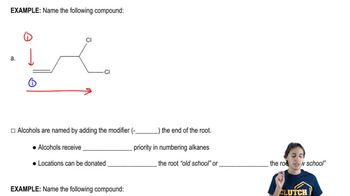
  • Name the following alkene
    02:04
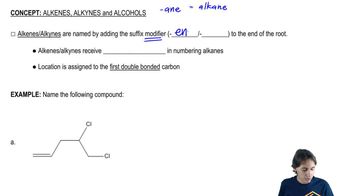
  • How to name alkenes and alkynes
    01:55

Alkyne Hydrohalogenation

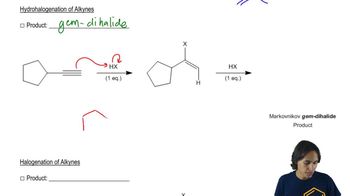
  • Double hydrohalogenation of alkynes.
    02:20
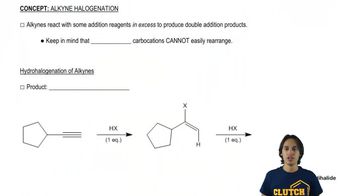
  • General properties of double addition reactions to alkynes.
    01:01

Alkyne Halogenation

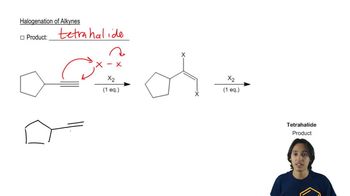
  • Double halogenation of alkynes.
    02:15

Alkyne Hydration

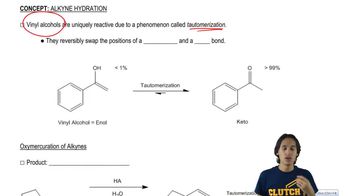
  • Vinyl alcohols yield tautomers.
    03:51
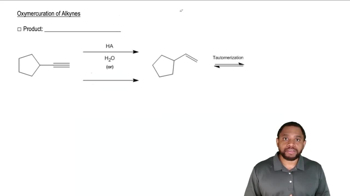
  • Markovnikov addition of alcohols yields ketones.
    03:29

Alkyne Hydroboration

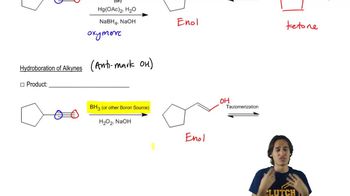
  • Anti-Markovnikov addition of alcohols to terminal alkynes yields aldehydes
    02:43

Hydroboration-Oxidation

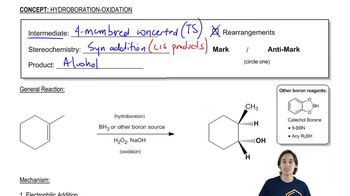
  • General properties of hydroboration-oxidation.
    06:38
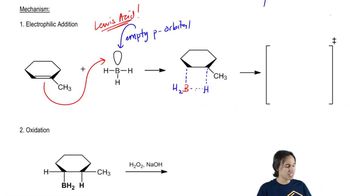
  • Acid-catalyzed hydroboration-oxidation mechanism
    06:14

Acid-Catalyzed Dehydration

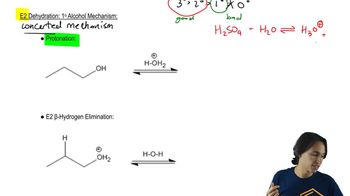
  • Dehydration of 1° alcohols:The E2 Mechanism
    05:20
  • An extra note of caution with 1° alcohols.
    01:06
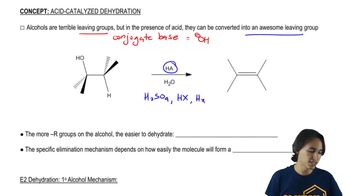
  • General features of acid-catalyzed dehydration.
    06:01

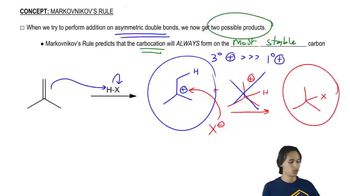
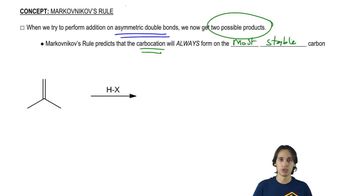
Markovnikov's Rule

  • Provide the mechanism
    01:26
  • How to add to asymmetrical double bonds.
    03:38

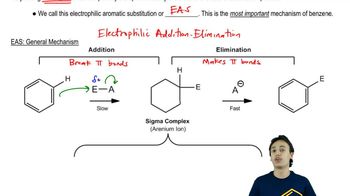
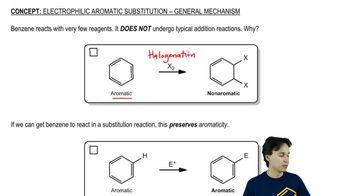
Electrophilic Aromatic Substitution – General Mechanism

  • EAS General Mechanism
    06:52
  • EAS Review
    03:07

Reaction Mechanism

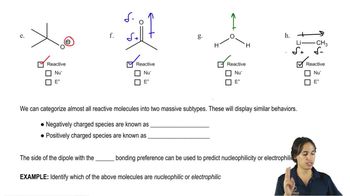
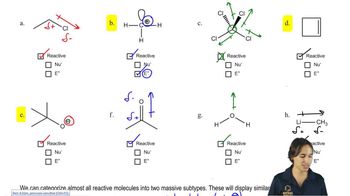
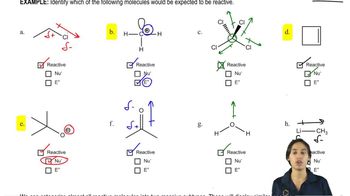
  • How to tell if charged molecules will react as nucleophiles or electrophiles.
    02:39
  • Nucleophile or Electrophile
    01:49
  • How to tell if uncharged molecules will react as nucleophiles or electrophiles.
    02:48

Acid and Base Definitions

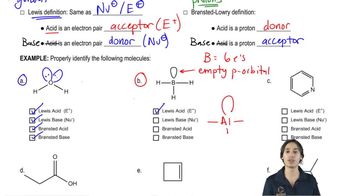
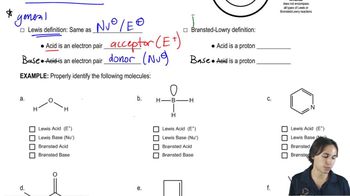
  • Lewis vs. Bronsted-Lowry Definition
    07:46
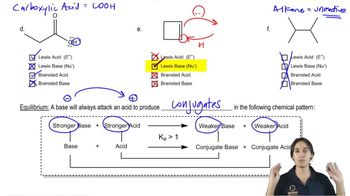
  • The Bronsted-Lowry definition of acids and bases.
    00:54
  • Equilibrium constant and conjugates.
    02:11

pKa Values

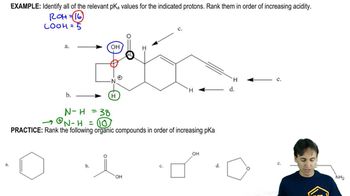
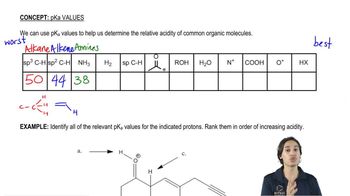
  • Identifying pKa values
    07:45
  • The 12 pKa values you want to memorize (because they are important!).
    09:36

Factors Affecting Acidity

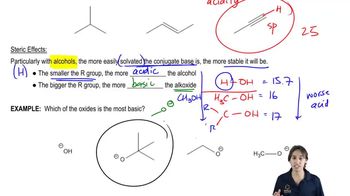
  • Which of the oxides is the most basic?
    00:30
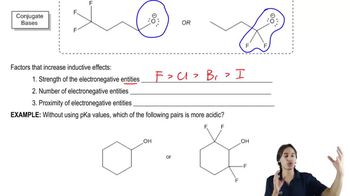
  • The 3 factors that determine the strength of inductive effects.
    03:09
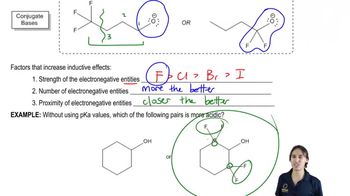
  • Using Inductive Effect to determine acidity
    01:54

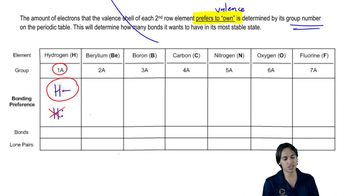
Bonding Preferences

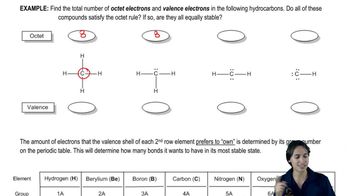
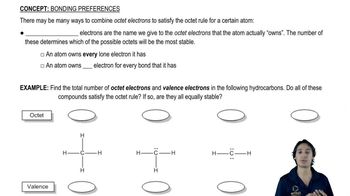
  • What is the difference between valence and octet electrons?
    02:04
  • Understanding the hydrogen isotopes.
    08:32
  • What is a valence electron?
    02:14

Electronegativity

  • Differences between ionic, polar and covalent bonds
    11:33

Formal Charges

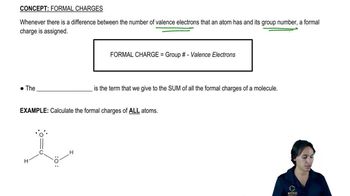
  • Calculate the formal charges of ALL atoms.
    02:21
  • Calculating formal and net charge.
    01:34

Hybridization

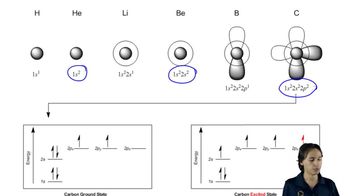
  • How carbon creates 4 partially-filled orbitals.
    02:53
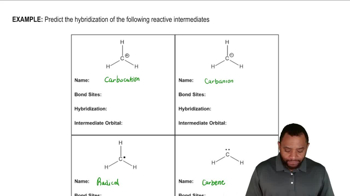
  • Bond sites, hybridization, and intermediate orbitals
    04:58
  • Introduction to the reactive intermediates.
    02:47