Indietro

Chem 326 Organic Chemistry I – Syllabus and Course Structure Overview

Guida di studio - Impara con i video

Lezioni curate abbinate al materiale che hai caricato – impara ogni argomento passo dopo passo.

Lewis Structure

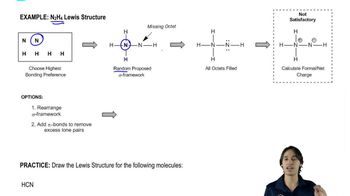
  • Drawing the Lewis Structure for N2H4.
    04:12
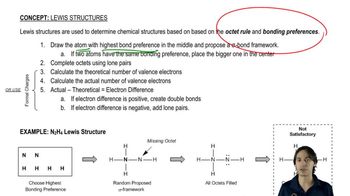
  • How to use Organic Chemistry to make Lewis Structures easier.
    03:49

Formal Charges

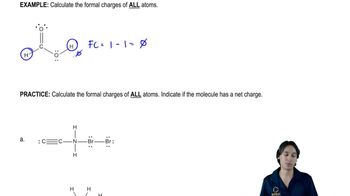
  • Calculate the formal charges of ALL atoms.
    02:21
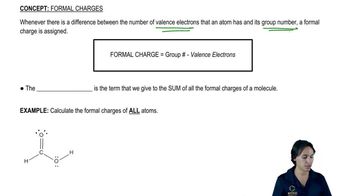
  • Calculating formal and net charge.
    01:34

Molecular Orbitals

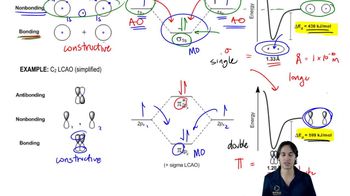
  • Sigma bond vs. pi bond, which is stronger?
    03:25
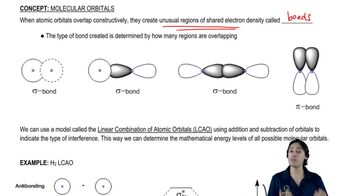
  • What’s the difference between sigma and pi bonds?
    02:19
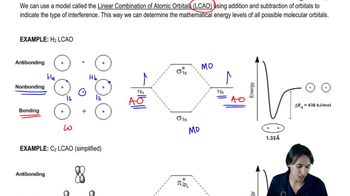
  • What’s the difference between atomic and molecular orbitals?
    11:25

Functional Groups

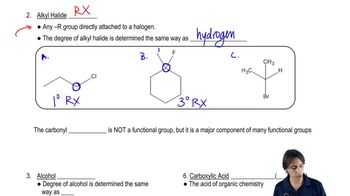
  • Assigning Degrees to Alkyl Halides
    01:30
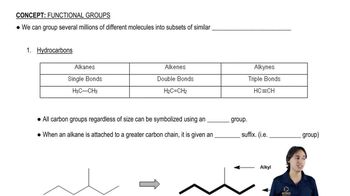
  • Why we need functional groups.
    01:49
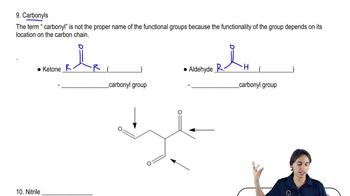
  • The difference between aldehydes and ketones.
    03:08

Intermolecular Forces

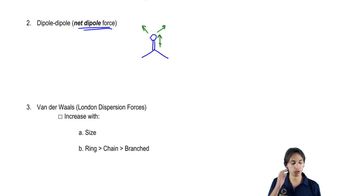
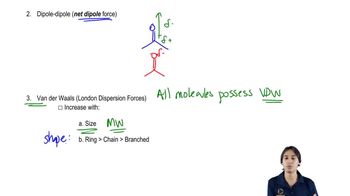
  • How dipole-dipole forces work.
    01:46
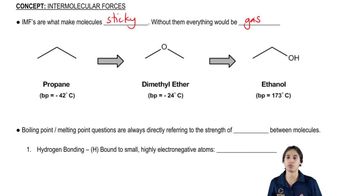
  • How IMFs are related to melting and boiling points.
    03:08
  • How Van der Waals forces work.
    03:01

Acid and Base Definitions

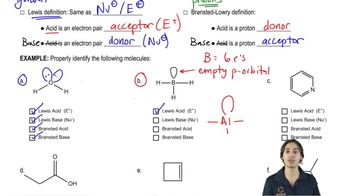
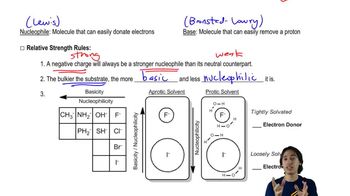
  • Lewis vs. Bronsted-Lowry Definition
    07:46
  • The Bronsted-Lowry definition of acids and bases.
    00:54
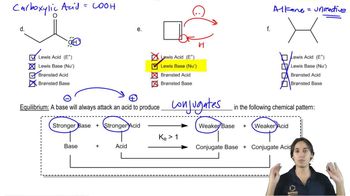
  • Equilibrium constant and conjugates.
    02:11

Equilibrium Constant and pKa

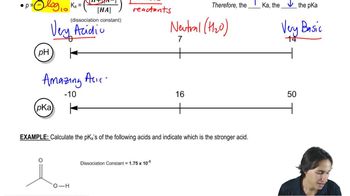
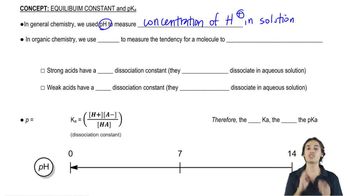
  • The pH scale vs. the pKa scale.
    02:15
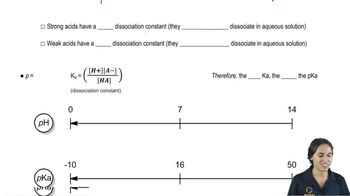
  • The relationship between equilibrium constant and pKa.
    02:19
  • Why we use pKa instead of pH.
    01:46

pKa Values

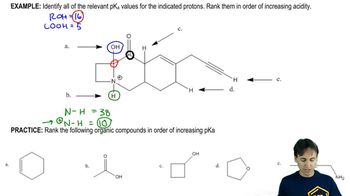
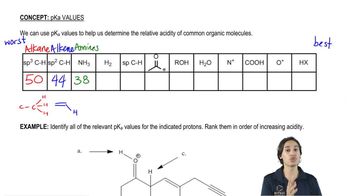
  • Identifying pKa values
    07:45
  • The 12 pKa values you want to memorize (because they are important!).
    09:36

Reaction Mechanism

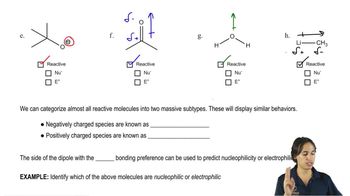
  • How to tell if charged molecules will react as nucleophiles or electrophiles.
    02:39
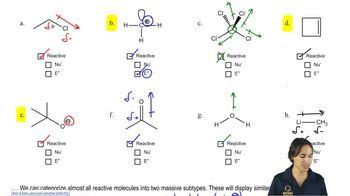
  • Nucleophile or Electrophile
    01:49
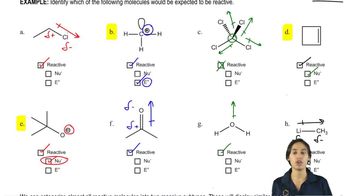
  • How to tell if uncharged molecules will react as nucleophiles or electrophiles.
    02:48

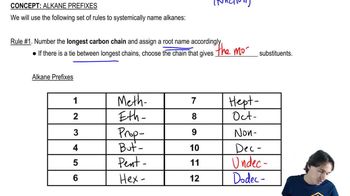
Alkane Nomenclature

  • Naming the root chain
    01:02
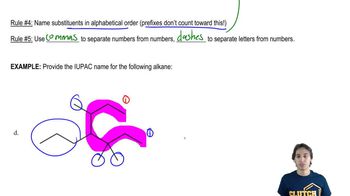
  • Provide the IUPAC name for the following alkane
    07:08
  • The different parts of an IUPAC name
    03:43

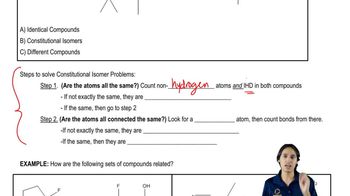
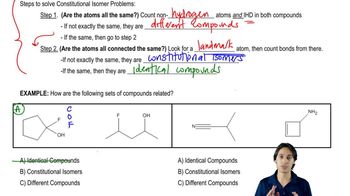
Constitutional Isomers

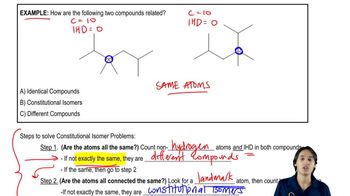
  • Isomeric Relationships
    03:28
  • Using the flowchart to determine isometric relationships.
    05:02
  • Isomeric Relationships
    02:56

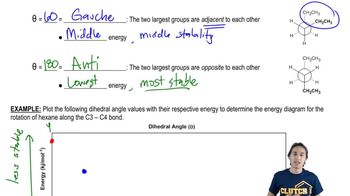
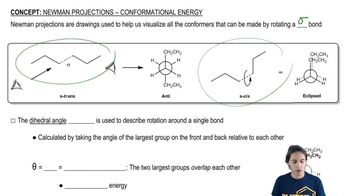
Newman Projections

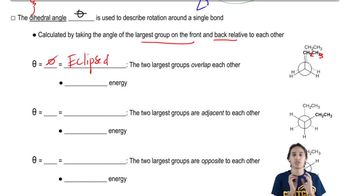
  • How to draw a Newman Projection Energy Diagram.
    07:27
  • How sigma bond rotation is visualized
    03:11
  • The energy states of 3 different Newman Projections.
    03:51

Chair Flip

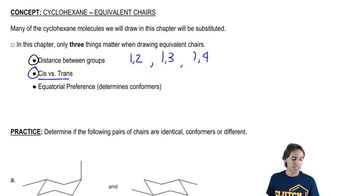
  • The 3 important factors when drawing chairs
    05:12

Chirality

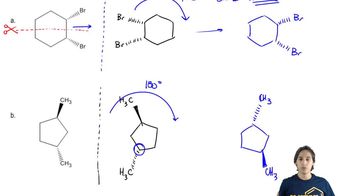
  • Drawing Mirror Images and Determining Chirality
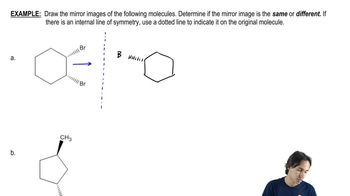
    03:24
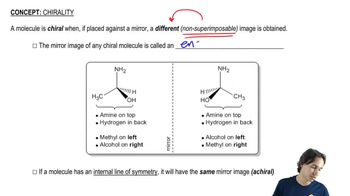
  • What is chirality?
    05:10
  • Drawing Mirror Images and Determining Chirality
    03:44

Cahn-Ingold-Prelog Nomenclature

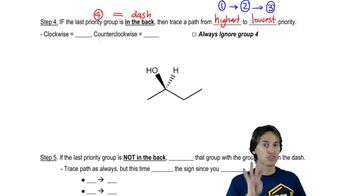
  • R and S Naming- Step 4
    03:07
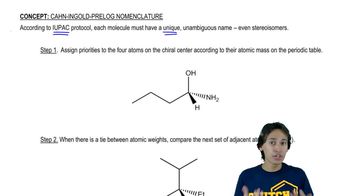
  • Why stereoisomers need their own naming system.
    01:48
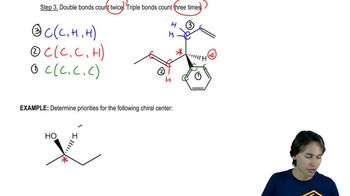
  • Determining Priorities
    01:19

Types of Stereoisomers

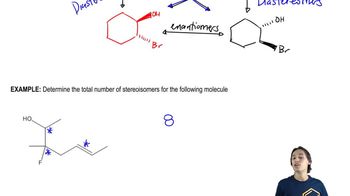
  • Determine total number of stereoisomers
    00:49
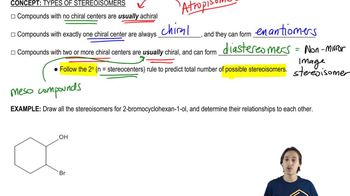
  • How to predict the total number of stereoisomers.
    01:03
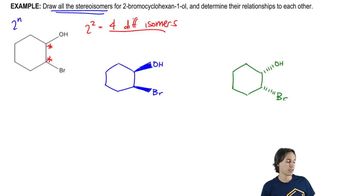
  • Draw stereoisomers and determine relationship
    07:41

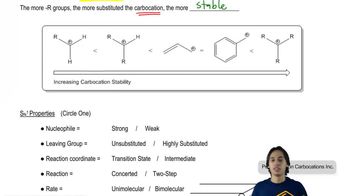
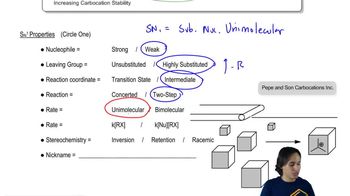
SN1 Mechanism

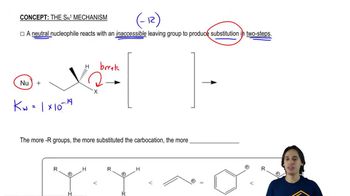
  • Drawing the SN1 Mechanism
    10:49
  • Why highly substituted leaving groups favor SN1.
    01:13
  • Understanding the properties of SN1.
    08:16

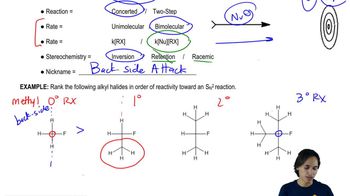
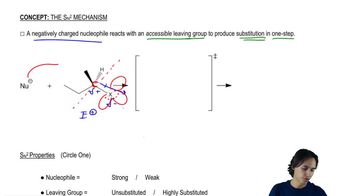
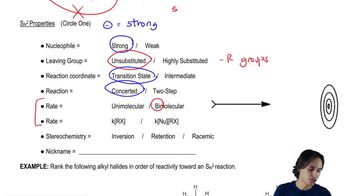
The SN2 Mechanism

  • Ranking reactivity toward SN2
    04:03
  • Drawing the SN2 Mechanism
    08:33
  • Understanding the properties of SN2.
    11:57

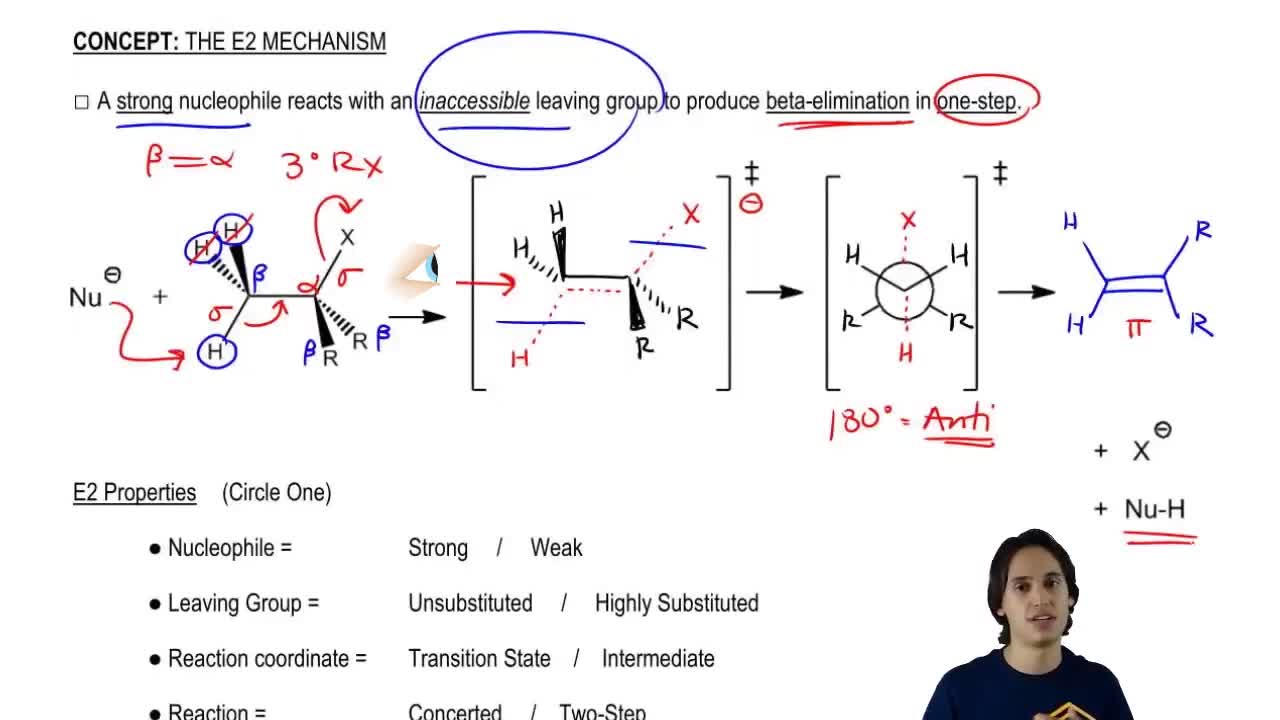
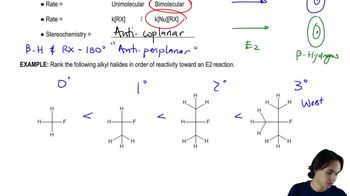
E2 Mechanism

  • Understanding the properties of E2.
    04:42
  • Drawing the E2 Mechanism.
    09:36
  • Rank reactivity toward E2
    02:03

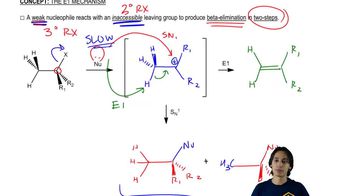
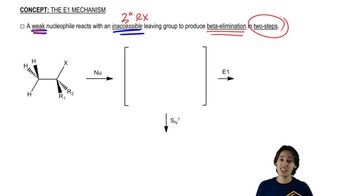
The E1 Mechanism

  • Understanding the properties of E1.
    03:32
  • Drawing the E1 Mechanism.
    08:09

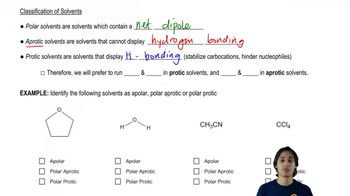
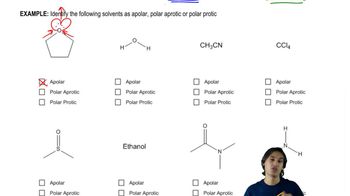
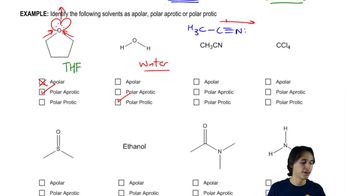
Solvents

  • The difference between protic vs. aprotic solvents.
    03:57
  • Identification of polarity in solvents
    01:16
  • Identification of polarity in solvents
    00:39

Nucleophiles and Basicity

  • Understanding the difference between basicity and nucleophilicity.
    06:21

SN1 SN2 E1 E2 Chart (Big Daddy Flowchart)

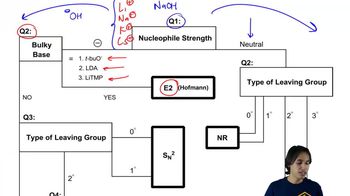
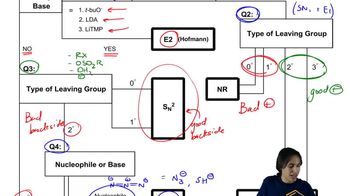
  • How to predict SN2 and E2 mechanisms.
    09:52
  • How to predict SN1 and E1 mechanisms.
    06:30
  • Overview of the flowchart.
    02:27

Elimination and Zaitsev's Rule

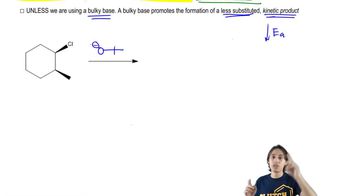
  • Hofmann product
    02:39
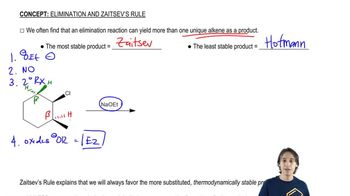
  • Defining Zaitsev’s Rule
    01:18
  • Zaitsev product
    07:01

Infrared Spectroscopy

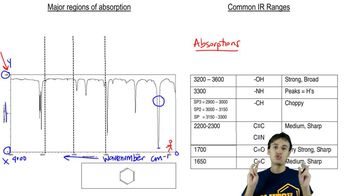
  • General Features of IR Spect
    16:04

Mass Spect - Introduction

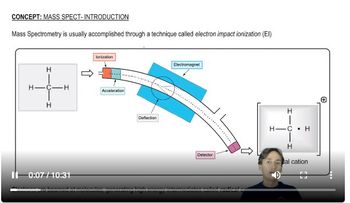
  • Equipment and Theory
    10:48
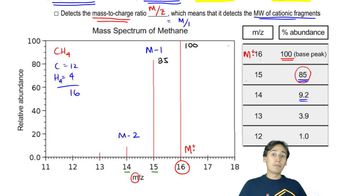
  • How to Read a Mass Spectrum
    01:25

1H Nuclear Magnetic Resonance - General Features

  • General NMR Features
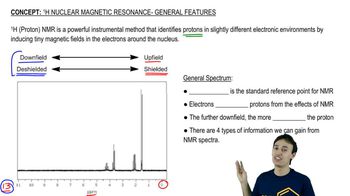
    10:06

1H NMR - Chemical Shifts

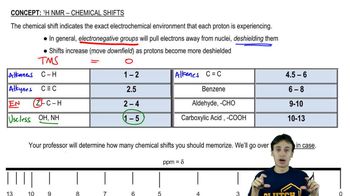
  • 1H NMR Chemical Shifts
    11:44
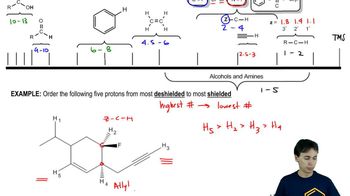
  • Ranking Shielded Protons
    04:18

1H NMR - Integration

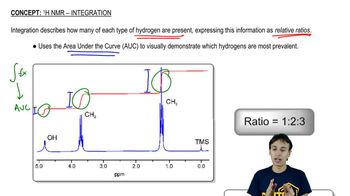
  • 1H NMR Integration
    06:46
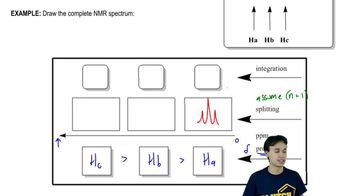
  • Draw Complete NMR Spectrum
    04:29

Structure Determination - Molecular Sentences

  • Building Molecular Sentences
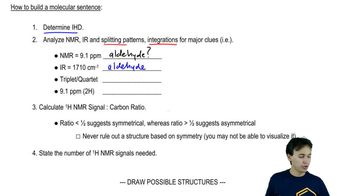
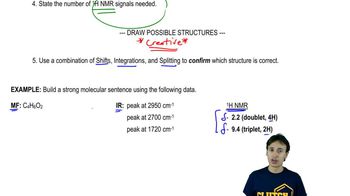
    11:19
  • Building a molecular sentence
    16:59