Indietro

E1 Mechanism: Predicting the Product of Alkyl Halide Elimination

Guida di studio - Impara con i video

Lezioni curate abbinate al materiale che hai caricato – impara ogni argomento passo dopo passo.

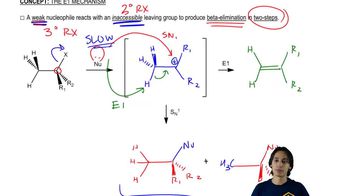
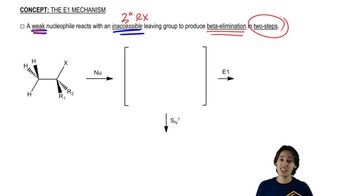
The E1 Mechanism

  • Understanding the properties of E1.
    03:32
  • Drawing the E1 Mechanism.
    08:09

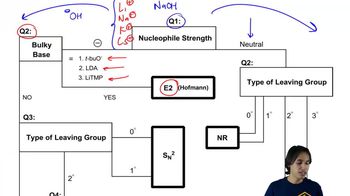
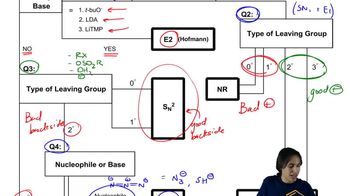
SN1 SN2 E1 E2 Chart (Big Daddy Flowchart)

  • How to predict SN2 and E2 mechanisms.
    09:52
  • How to predict SN1 and E1 mechanisms.
    06:30
  • Overview of the flowchart.
    02:27

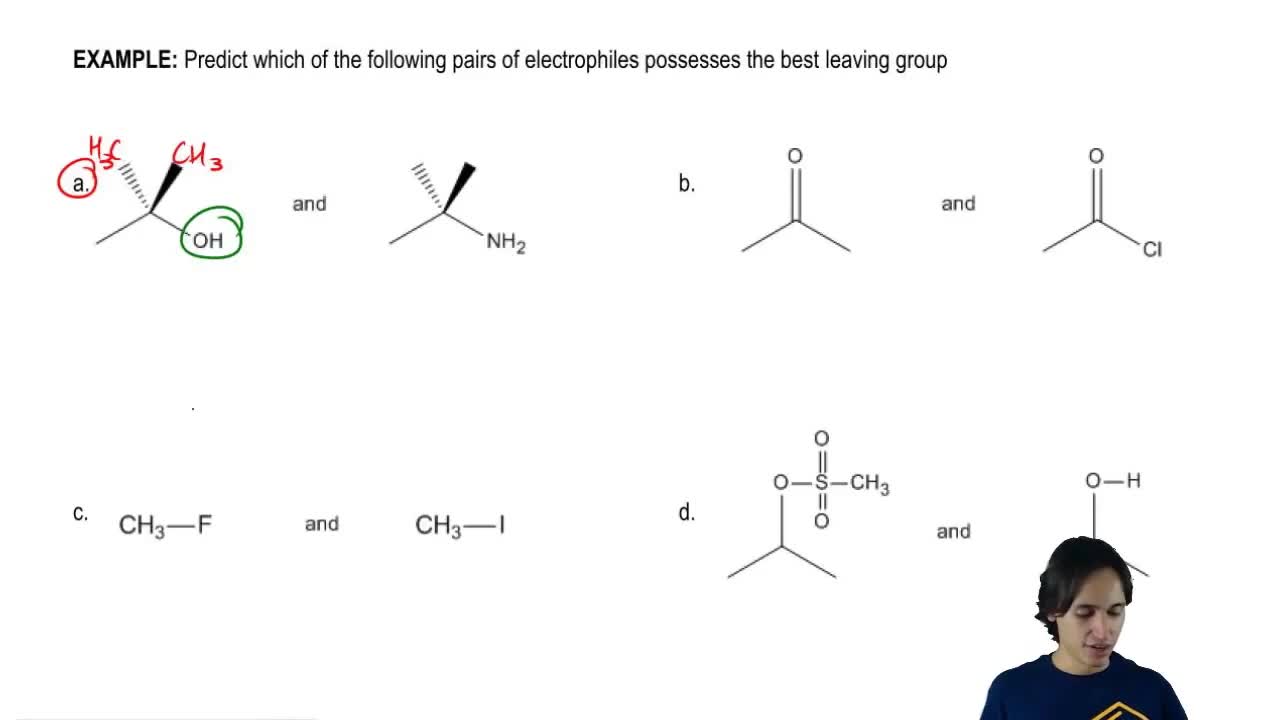
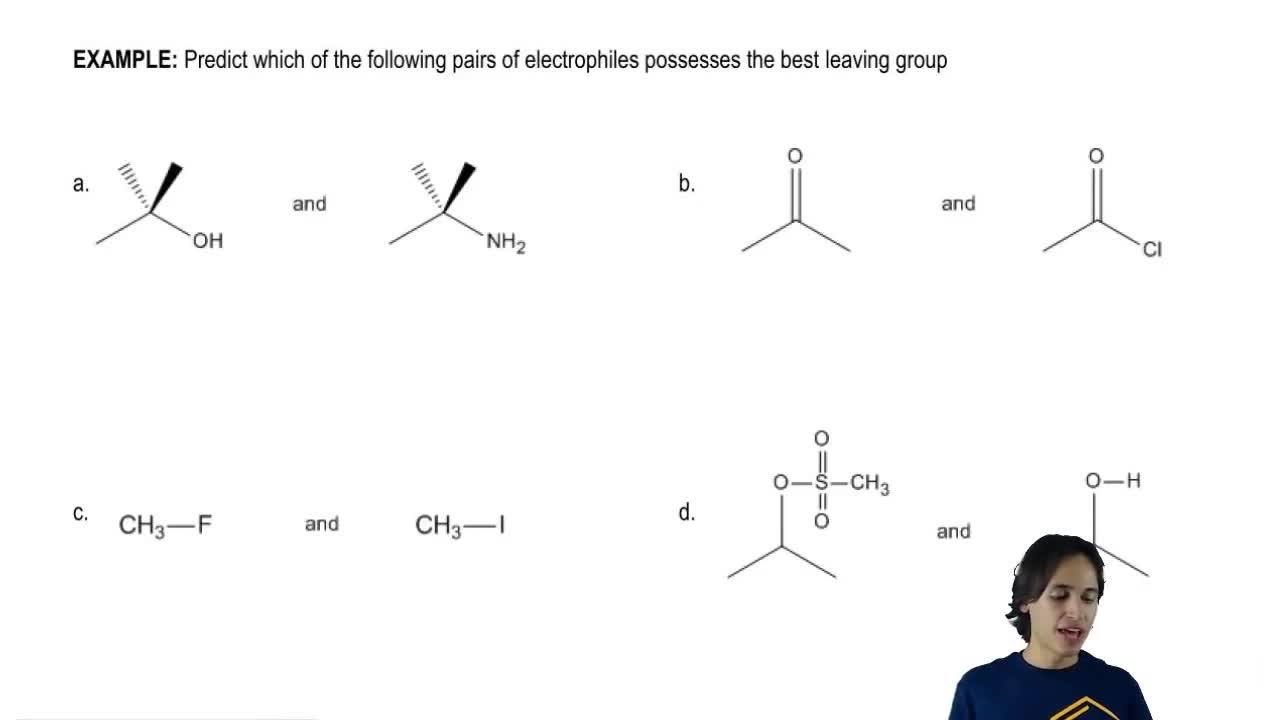
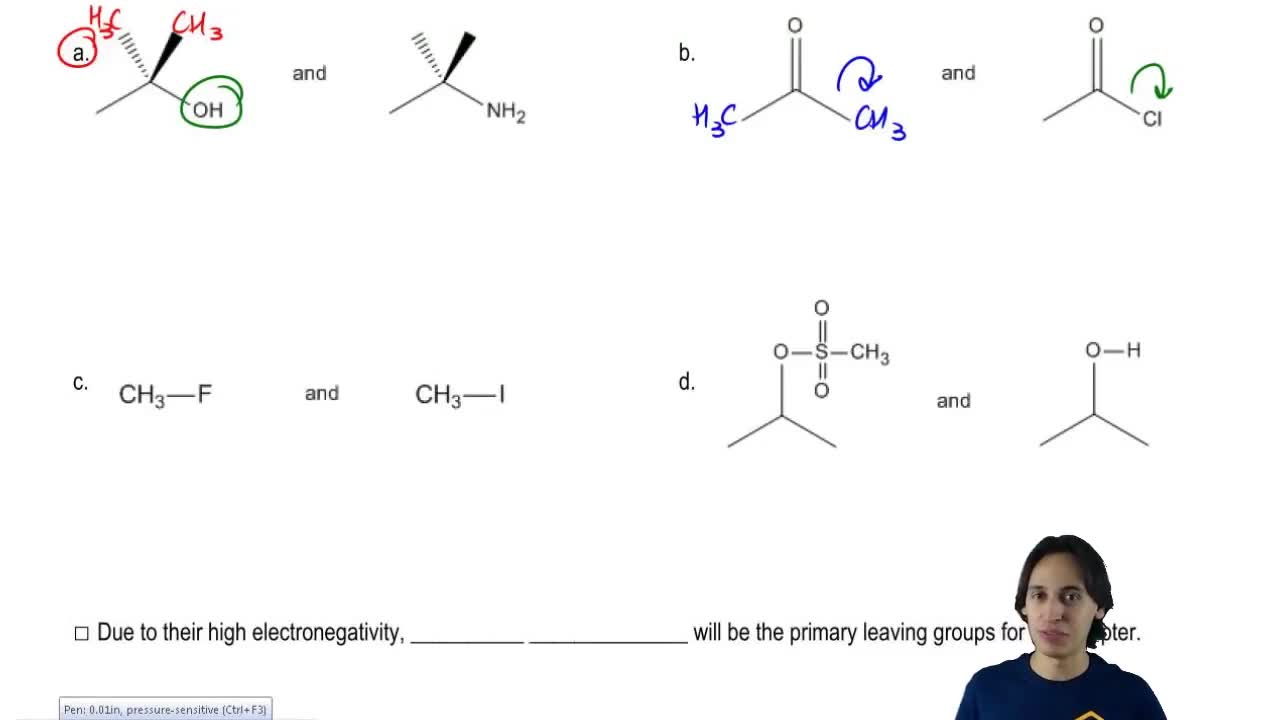
Leaving Groups

  • Predict the best leaving group
    00:50
  • Predict the best leaving group
    01:12
  • Predict the best leaving group
    00:36

Carbocation Intermediates – Stability

  • Determining Carbocation Stability
    05:58
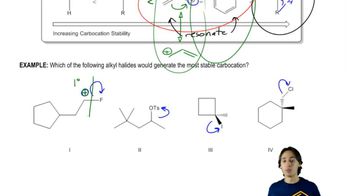
  • Predicting the most stable carbocation
    01:21

Recognizing Different β-Hydrogens

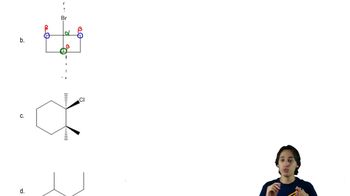
  • Identify the number of unique products
    02:08
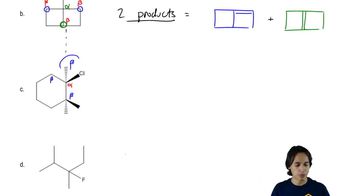
  • Identify the number of unique products
    03:19
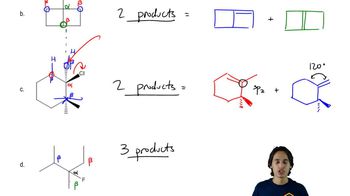
  • Identify the number of unique products
    02:02

The Anti-Coplanar Requirement

  • The Anti-Coplanar Requirement
    03:19
  • Identify the completion of E2 mechanisms
    03:39
  • Identify the completion of E2 mechanisms
    01:09

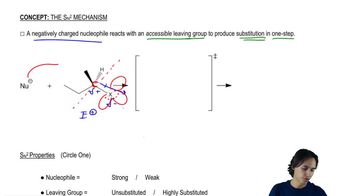
The SN2 Mechanism

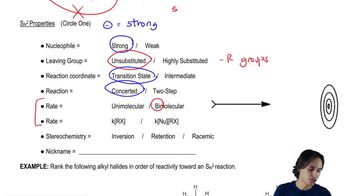
  • Ranking reactivity toward SN2
    04:03
  • Drawing the SN2 Mechanism
    08:33
  • Understanding the properties of SN2.
    11:57

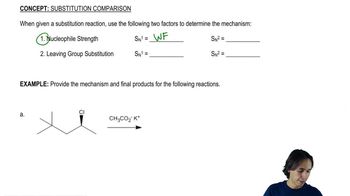
Substitution Comparison

  • How do we predict if the mechanism is SN1 or SN2?
    03:32

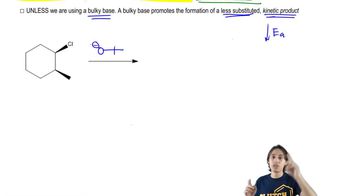
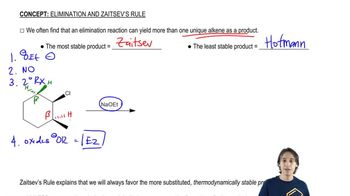
Elimination and Zaitsev's Rule

  • Hofmann product
    02:39
  • Defining Zaitsev’s Rule
    01:18
  • Zaitsev product
    07:01

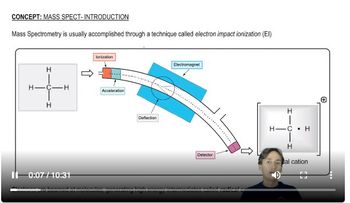
Mass Spect - Introduction

  • Equipment and Theory
    10:48
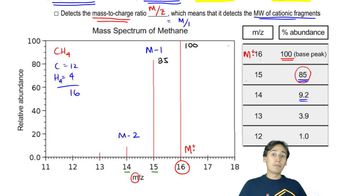
  • How to Read a Mass Spectrum
    01:25

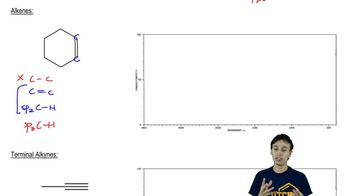
IR Spectroscopy - Frequencies

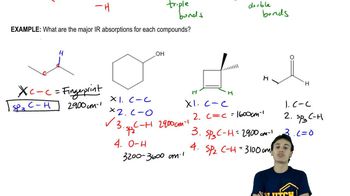
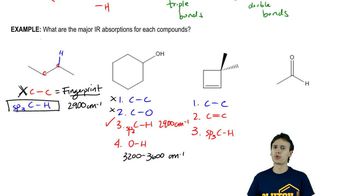
  • Major IR absorptions
    02:22
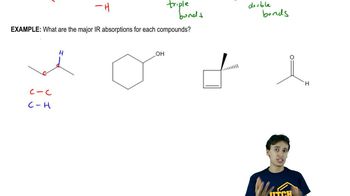
  • Major IR absorptions
    02:03
  • Major IR absorptions
    02:02

IR Spect: Drawing Spectra

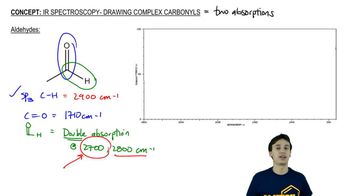
  • Drawing Complex Carbonyls
    07:56
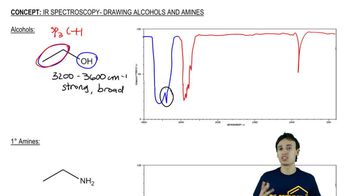
  • Drawing Alcohols and Amines
    10:39
  • Drawing Hydrocarbons
    12:06

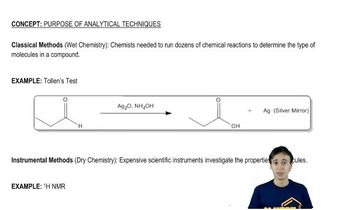
Purpose of Analytical Techniques

  • Reason for Analytical Methods
    05:41

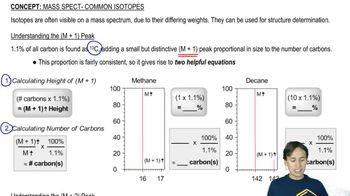
Mass Spect - Common Isotopes

  • The (M + 1) Peak
    09:26
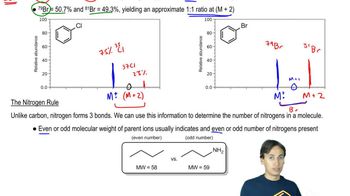
  • The Nitrogen Rule
    03:32
  • The (M + 2) Peak
    05:23

1H NMR Spin-Splitting - Common Patterns

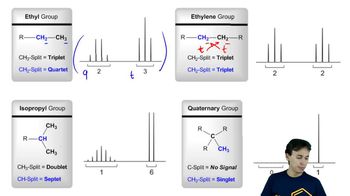
  • Common Splitting Patterns
    08:06

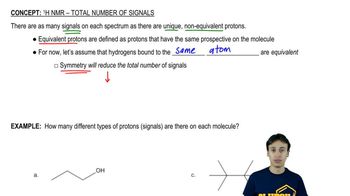
1H NMR - Total Number of Signals

  • General Assumption for 1H NMR Signals
    04:35
  • Identifying Proton Signals
    02:02
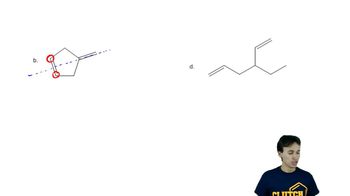
  • Identifying Proton Signals
    01:55

1H NMR: E/Z Diastereoisomerism

  • Determining Diastereoisomerism
    01:38
  • Determining Diastereoisomerism
    02:40
  • E/Z Diastereoisomerism
    03:48

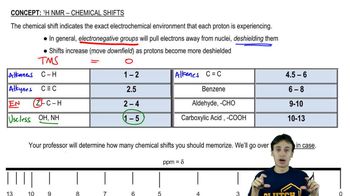
1H NMR - Chemical Shifts

  • 1H NMR Chemical Shifts
    11:44
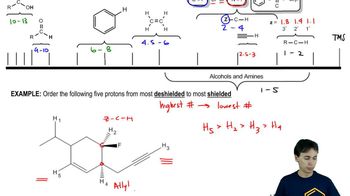
  • Ranking Shielded Protons
    04:18

Structure Determination - Molecular Sentences

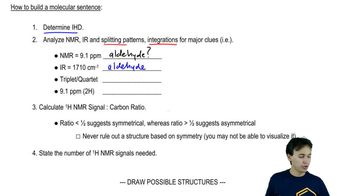
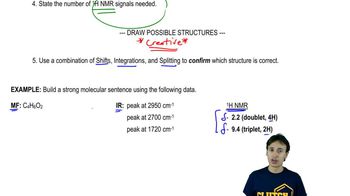
  • Building Molecular Sentences
    11:19
  • Building a molecular sentence
    16:59

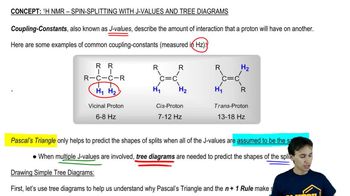
1H NMR: Spin-Splitting Simple Tree Diagrams

  • Splitting with J-Values:Simple Tree Diagram
    11:03

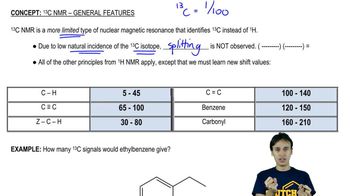
13C NMR - General Features

  • 13C NMR General Features
    04:00
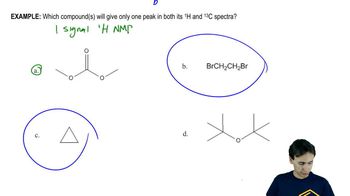
  • 1H and 13C Joint Problem
    01:10
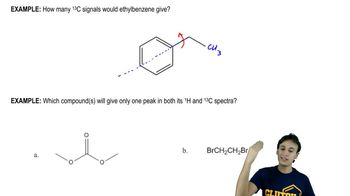
  • Identifying 13C Signals
    02:12