Indietro

Organic Chemistry Exam 3 Practice – Step-by-Step Guidance

Guida di studio - Impara con i video

Lezioni curate abbinate al materiale che hai caricato – impara ogni argomento passo dopo passo.

Acidity of Phenols

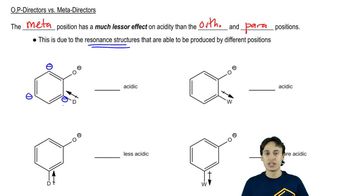
  • O,P-positions vs. Meta-Positions
    02:48
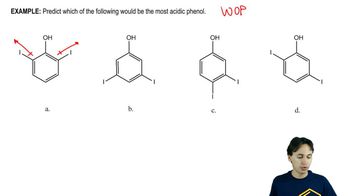
  • Identify the most acidic phenol
    00:52
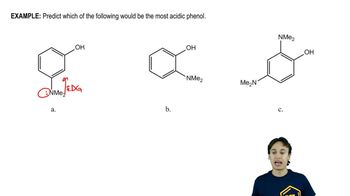
  • Identify the most acidic phenol
    02:27

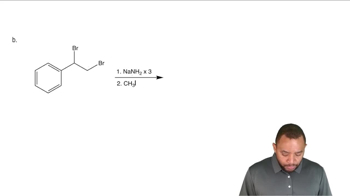
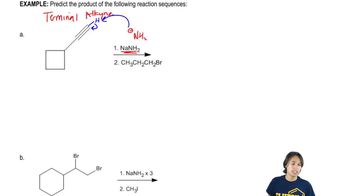
Alkynide Synthesis

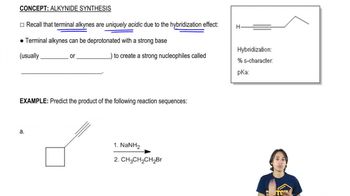
  • Understanding how to convert terminal alkynes to alkynides.
    04:19
  • Using double dehydrohalogenation to perform alkynide synthesis.
    02:57
  • The mechanism of alkynide synthesis.
    03:48

Alkyne Hydration

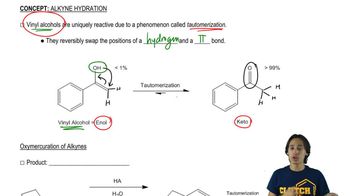
  • Alkyne Hydration
    09:11

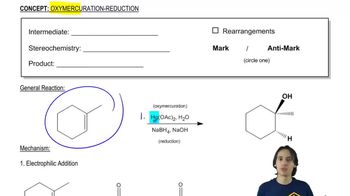
Oxymercuration-Reduction

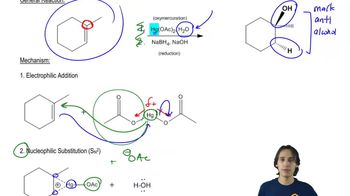
  • Acid-catalyzed oxymercuration-reduction mechanism
    09:01
  • General properties of oxymercuration-reduction.
    05:

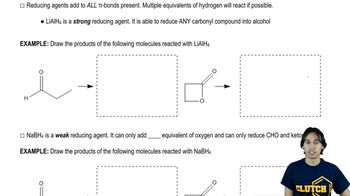
Reduction

  • Intro
    00:15
  • Reducing Agents
    09:28

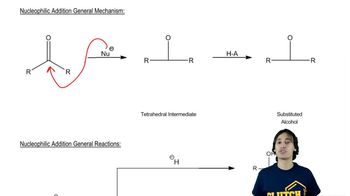
Nucleophilic Addition

  • Nucleophilic Addition
    08:27

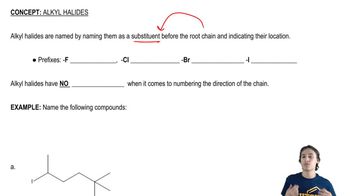
Alkyl Halides

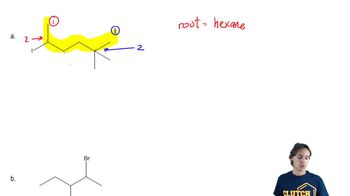
  • How to name alkyl halides
    01:52
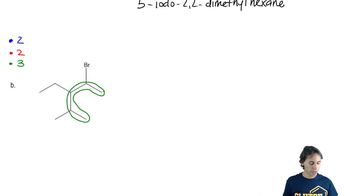
  • Name the following alkyl halide
    01:58
  • Name the following alkyl halide
    03:53

Leaving Groups

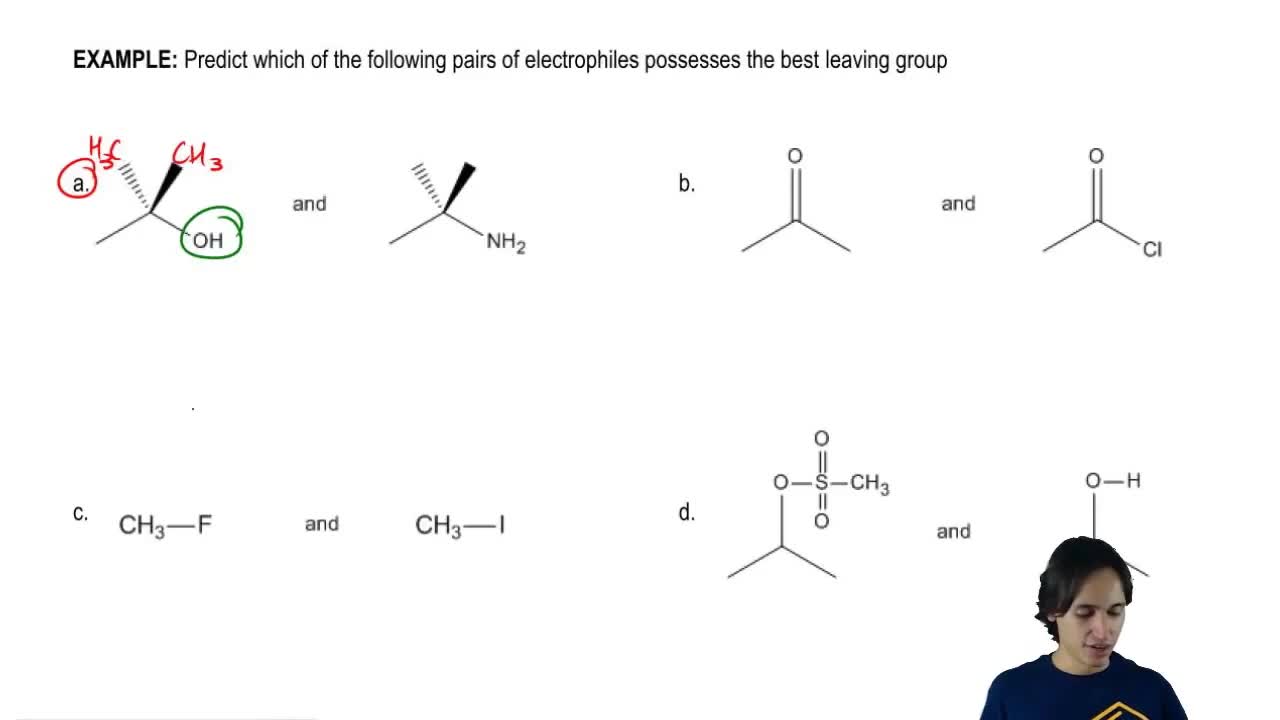
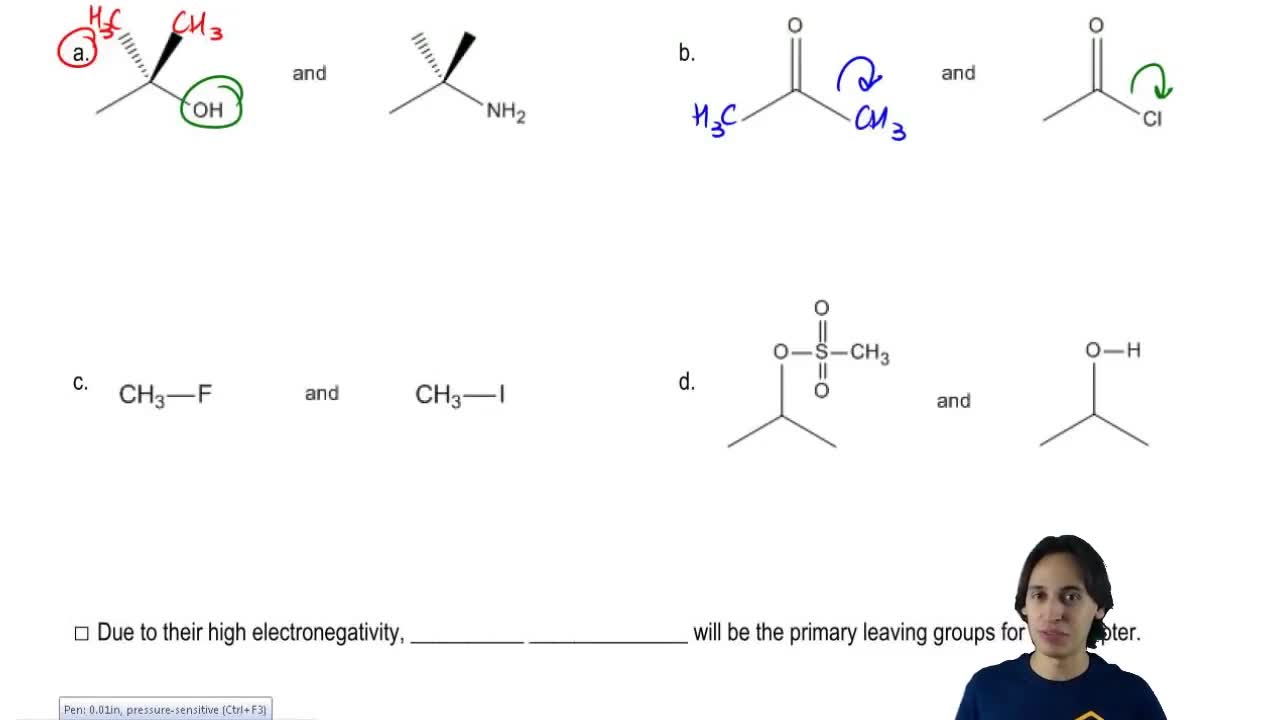
  • Predict the best leaving group
    00:50
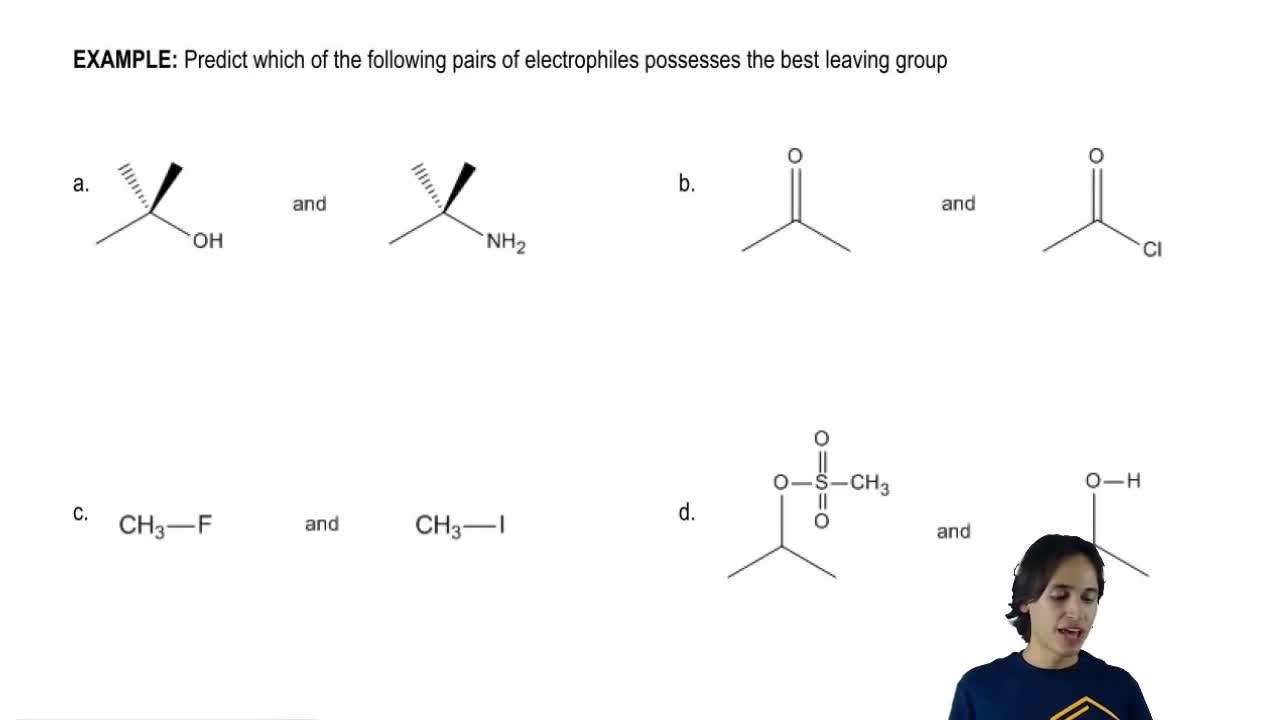
  • Predict the best leaving group
    01:12
  • Predict the best leaving group
    00:36

The SN2 Mechanism

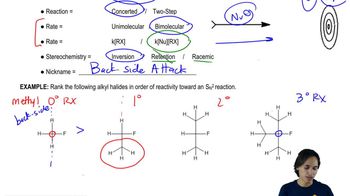
  • Ranking reactivity toward SN2
    04:03
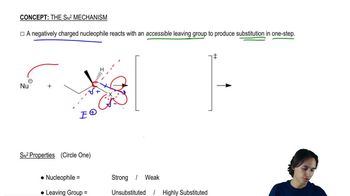
  • Drawing the SN2 Mechanism
    08:33
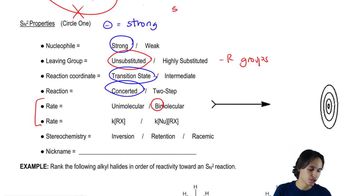
  • Understanding the properties of SN2.
    11:57

The SN1 Mechanism

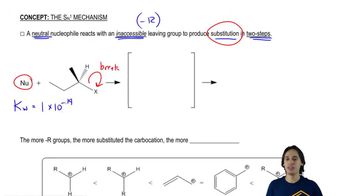
  • Drawing the SN1 Mechanism
    10:49
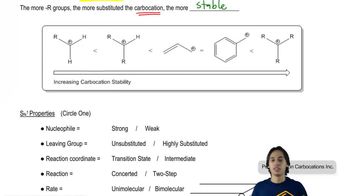
  • Why highly substituted leaving groups favor SN1.
    01:13
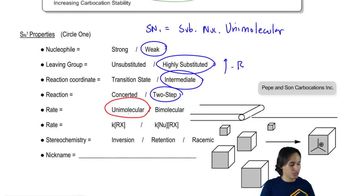
  • Understanding the properties of SN1.
    08:16

Markovnikov's Rule

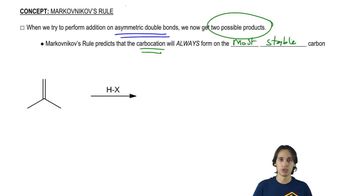
  • Provide the mechanism
    01:26
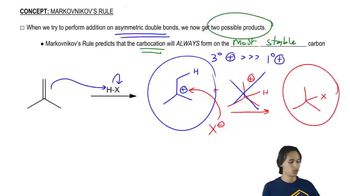
  • How to add to asymmetrical double bonds.
    03:38

Reaction Mechanism

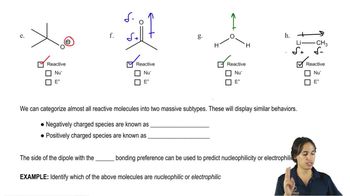
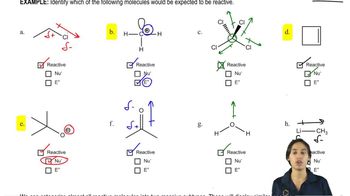
  • How to tell if charged molecules will react as nucleophiles or electrophiles.
    02:39
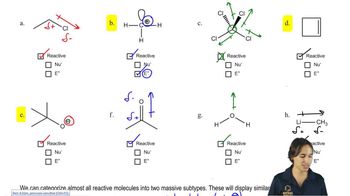
  • Nucleophile or Electrophile
    01:49
  • How to tell if uncharged molecules will react as nucleophiles or electrophiles.
    02:48
Carbocation Intermediate – Rearrangements

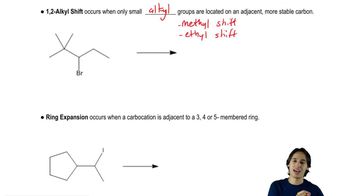
  • Alkyl Shift
    03:43
  • Understanding why carbocations shift.
    00:47
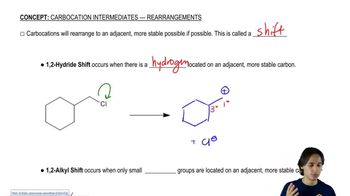
  • Hydride Shift
    03:34

Acid and Base Definitions

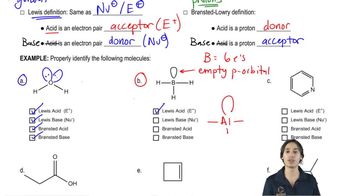
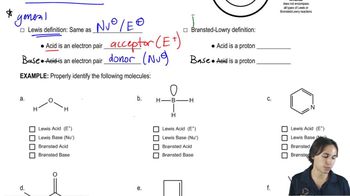
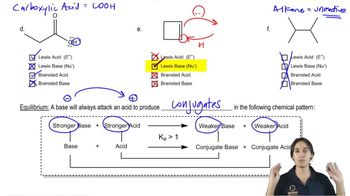
  • Lewis vs. Bronsted-Lowry Definition
    07:46
  • The Bronsted-Lowry definition of acids and bases.
    00:54
  • Equilibrium constant and conjugates.
    02:11

pKa Values

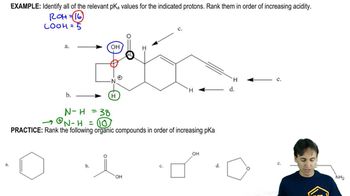
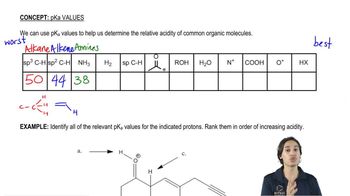
  • Identifying pKa values
    07:45
  • The 12 pKa values you want to memorize (because they are important!).
    09:36

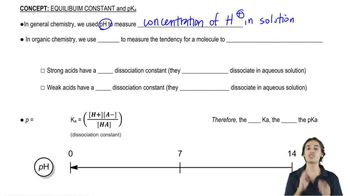
Equilibrium Constant and pKa

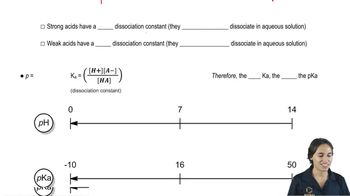
  • The pH scale vs. the pKa scale.
    02:15
  • The relationship between equilibrium constant and pKa.
    02:19
  • Why we use pKa instead of pH.
    01:46

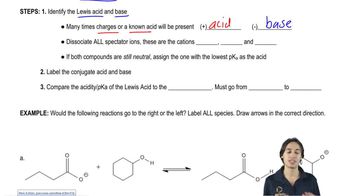
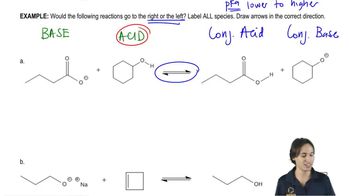
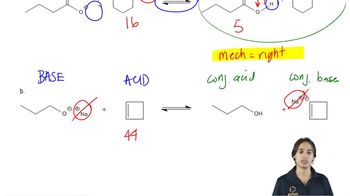
Acid Base Equilibrium

  • The 3 steps for determining the direction of acid and base equilibrium.
    05:11
  • Determining Acid/Base Equilibrium
    04:00
  • Determining Acid/Base Equilibrium
    02:34

Solvents

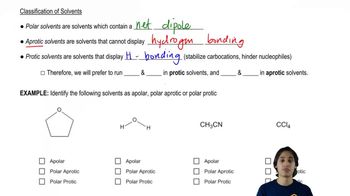
  • The difference between protic vs. aprotic solvents.
    03:57
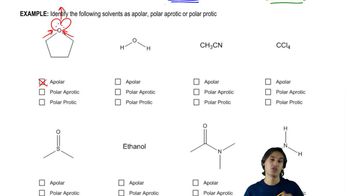
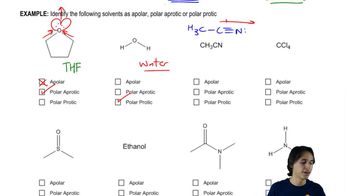
  • Identification of polarity in solvents
    01:16
  • Identification of polarity in solvents
    00:39

Alkane Nomenclature

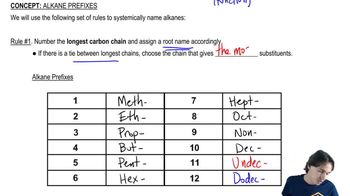
  • Naming the root chain
    01:02
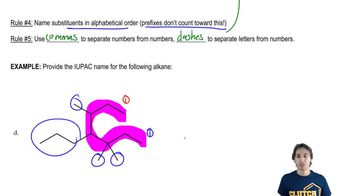
  • Provide the IUPAC name for the following alkane
    07:08
  • The different parts of an IUPAC name
    03:43

Alkenes, Alkynes and Alcohols

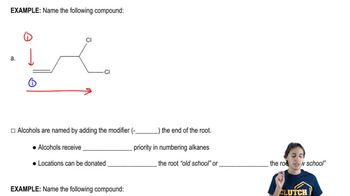
  • Name the following alkene
    02:04
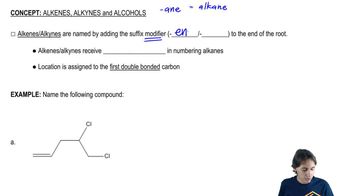
  • How to name alkenes and alkynes
    01:55

Alcohol Nomenclature

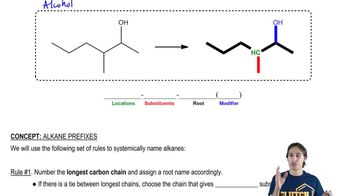
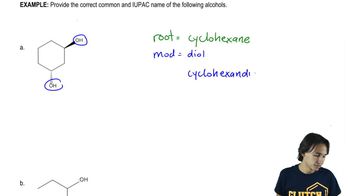
  • Provide the correct common and IUPAC name.
    01:49
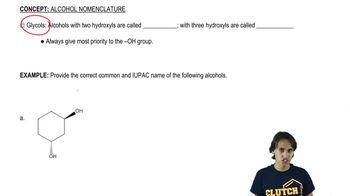
  • How to name polyols.
    01:47
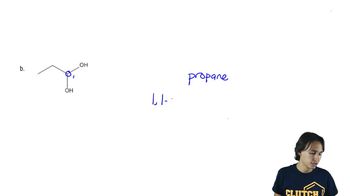
  • Provide the correct common and IUPAC name.
    00:59

Alkyl Halides

  • How to name alkyl halides
    01:52
  • Name the following alkyl halide
    01:58
  • Name the following alkyl halide
    03:53

Radical Initiators

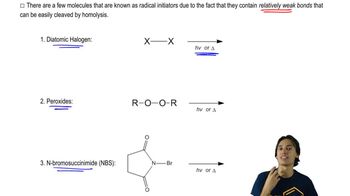
  • What are Radical Initiators?
    03:49
  • Heterolytic vs. Homolytic Bond Cleavage .
    04:39