Indietro

Organic Chemistry Exam III Study Guidance

Guida di studio - Impara con i video

Lezioni curate abbinate al materiale che hai caricato – impara ogni argomento passo dopo passo.

Molecular Orbitals

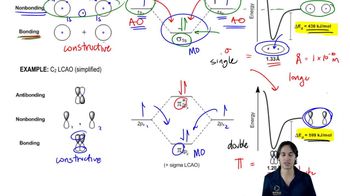
  • Sigma bond vs. pi bond, which is stronger?
    03:25
  • What’s the difference between sigma and pi bonds?
    02:19
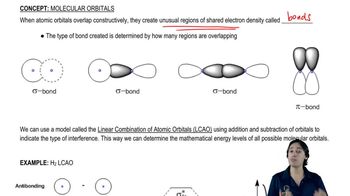
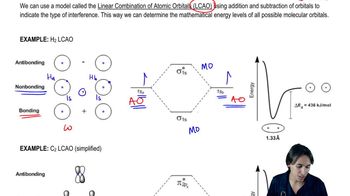
  • What’s the difference between atomic and molecular orbitals?
    11:25

Sigma and Pi Bonds

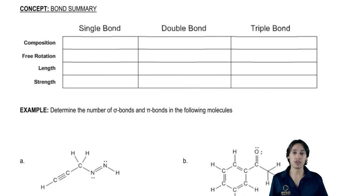
  • Single bonds, double bonds, and triple bonds.
    06:00
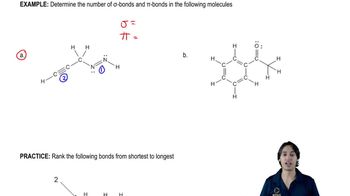
  • Sigma bonds and pi bonds
    01:05
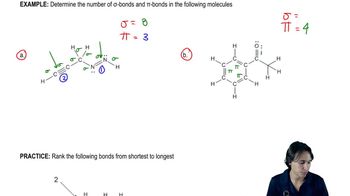
  • Sigma bonds and pi bonds
    00:59

Molecular Geometry

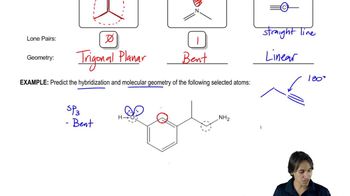
  • Predict the hybridization and molecular geometry
    01:54
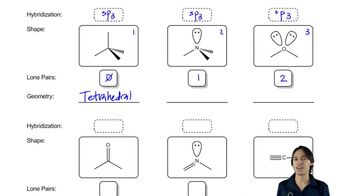
  • Molecular Geometry Explained.
    07:44

Functional Groups

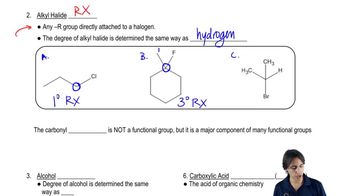
  • Assigning Degrees to Alkyl Halides
    01:30
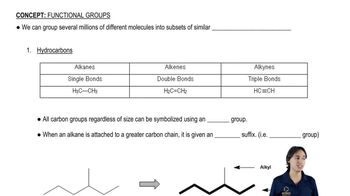
  • Why we need functional groups.
    01:49
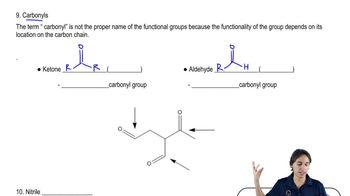
  • The difference between aldehydes and ketones.
    03:08

Reaction Mechanism

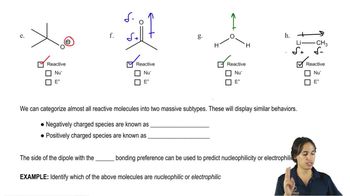
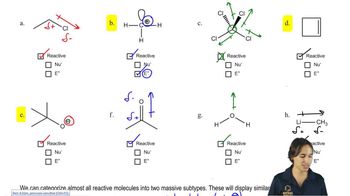
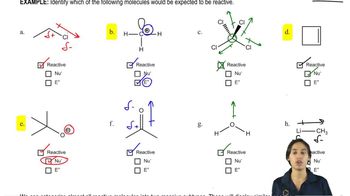
  • How to tell if charged molecules will react as nucleophiles or electrophiles.
    02:39
  • Nucleophile or Electrophile
    01:49
  • How to tell if uncharged molecules will react as nucleophiles or electrophiles.
    02:48

Acid and Base Definitions

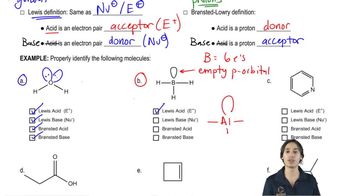
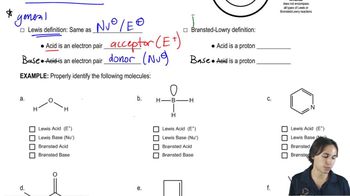
  • Lewis vs. Bronsted-Lowry Definition
    07:46
  • The Bronsted-Lowry definition of acids and bases.
    00:54
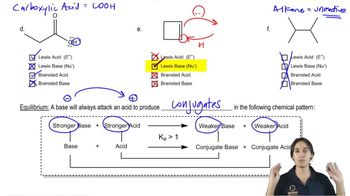
  • Equilibrium constant and conjugates.
    02:11

Equilibrium Constant and pKa

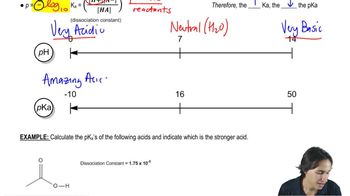
  • The pH scale vs. the pKa scale.
    02:15
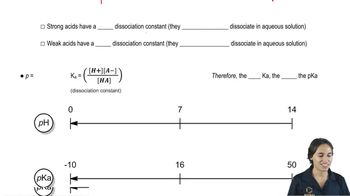
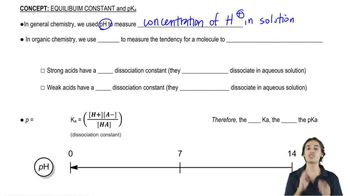
  • The relationship between equilibrium constant and pKa.
    02:19
  • Why we use pKa instead of pH.
    01:46

pKa Values

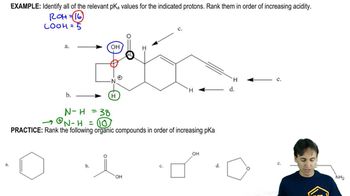
  • Identifying pKa values
    07:45
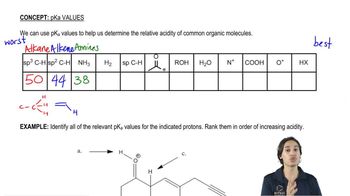
  • The 12 pKa values you want to memorize (because they are important!).
    09:36

Alkenes, Alkynes and Alcohols

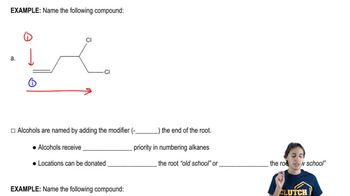
  • Name the following alkene
    02:04
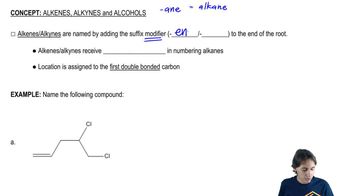
  • How to name alkenes and alkynes
    01:55

Newman Projections – Conformational Energy

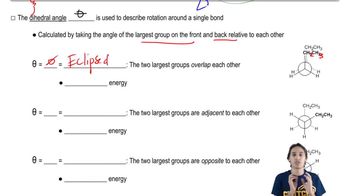
  • How to draw a Newman Projection Energy Diagram.
    07:27
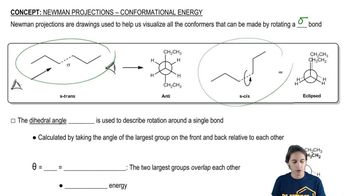
  • How sigma bond rotation is visualized
    03:11
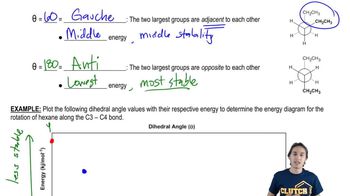
  • The energy states of 3 different Newman Projections.
    03:51

Chair Flip

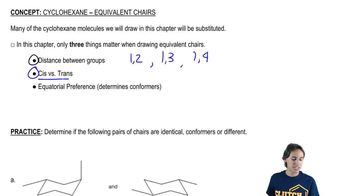
  • The 3 important factors when drawing chairs
    05:12

A-Values

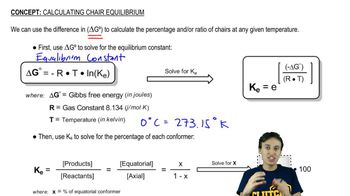
  • Calculating Chair Equilibrium
    06:27

Chirality

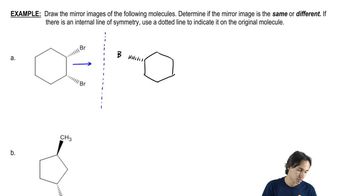
  • Drawing Mirror Images and Determining Chirality
    03:24
  • What is chirality?
    05:10
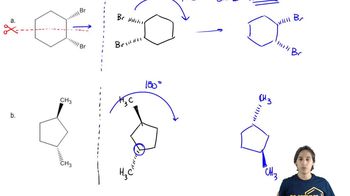
  • Drawing Mirror Images and Determining Chirality
    03:44

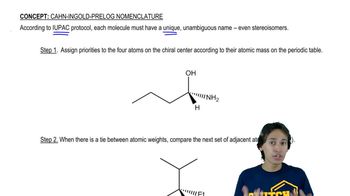
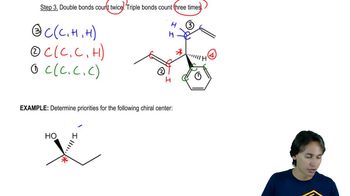
Cahn-Ingold-Prelog Nomenclature

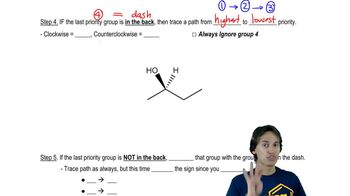
  • R and S Naming- Step 4
    03:07
  • Why stereoisomers need their own naming system.
    01:48
  • Determining Priorities
    01:19

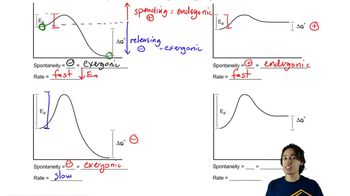
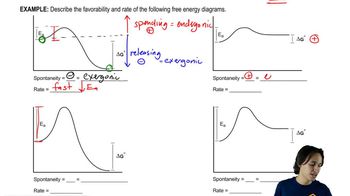
Energy Diagram

  • Favorability and rate of Free Energy Diagrams
    01:14
  • Favorability and rate of Free Energy Diagrams
    00:34
  • Favorability and rate of Free Energy Diagrams
    02:18

Gibbs Free Energy

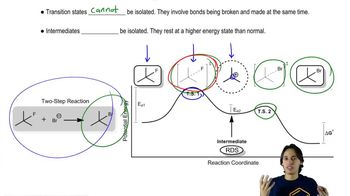
  • Intermediates vs. Transition States
    06:55
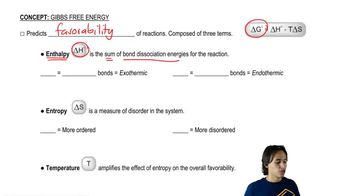
  • Breaking down the different terms of the Gibbs Free Energy equation.
    05:02

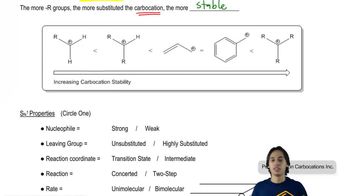
Carbocation Intermediates – Stability

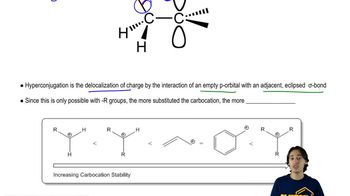
  • Determining Carbocation Stability
    05:58
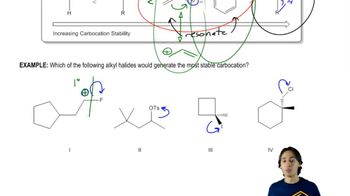
  • Predicting the most stable carbocation
    01:21

Carbocation Intermediate – Rearrangements

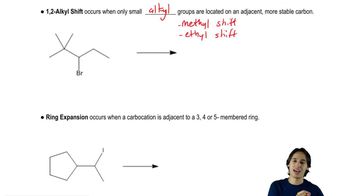
  • Alkyl Shift
    03:43
  • Understanding why carbocations shift.
    00:47
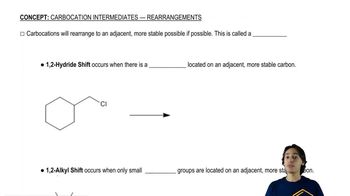
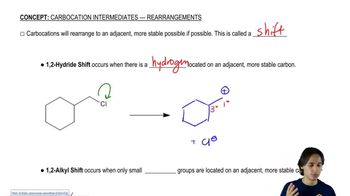
  • Hydride Shift
    03:34

Introduction to Substitution

  • Predict the product
    05:55
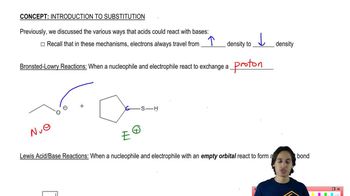
  • Nucleophiles and Electrophiles can react in Bronsted-Lowry Reactions.
    05:01
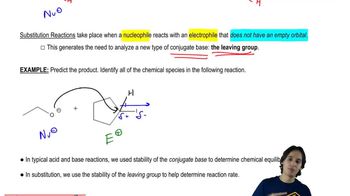
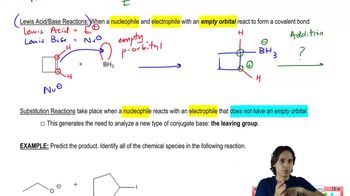
  • Nucleophiles and Electrophiles can react in Substitution Reactions.
    01:47

Leaving Groups

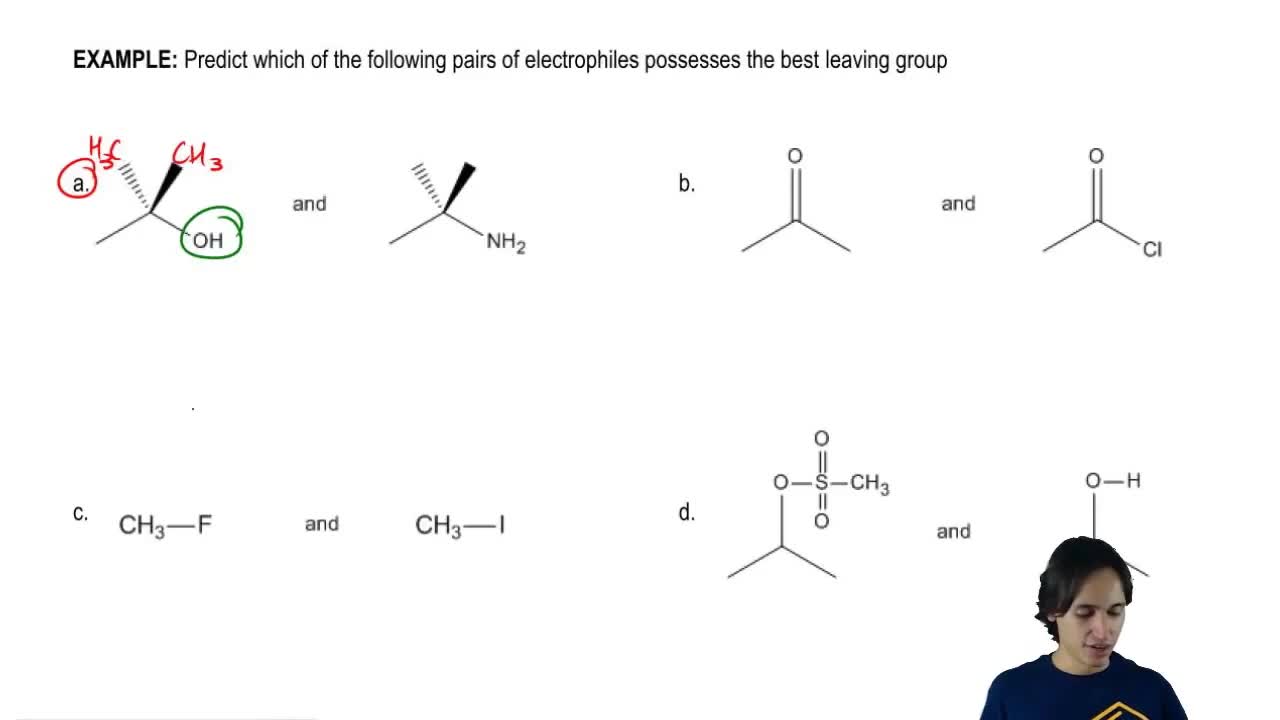
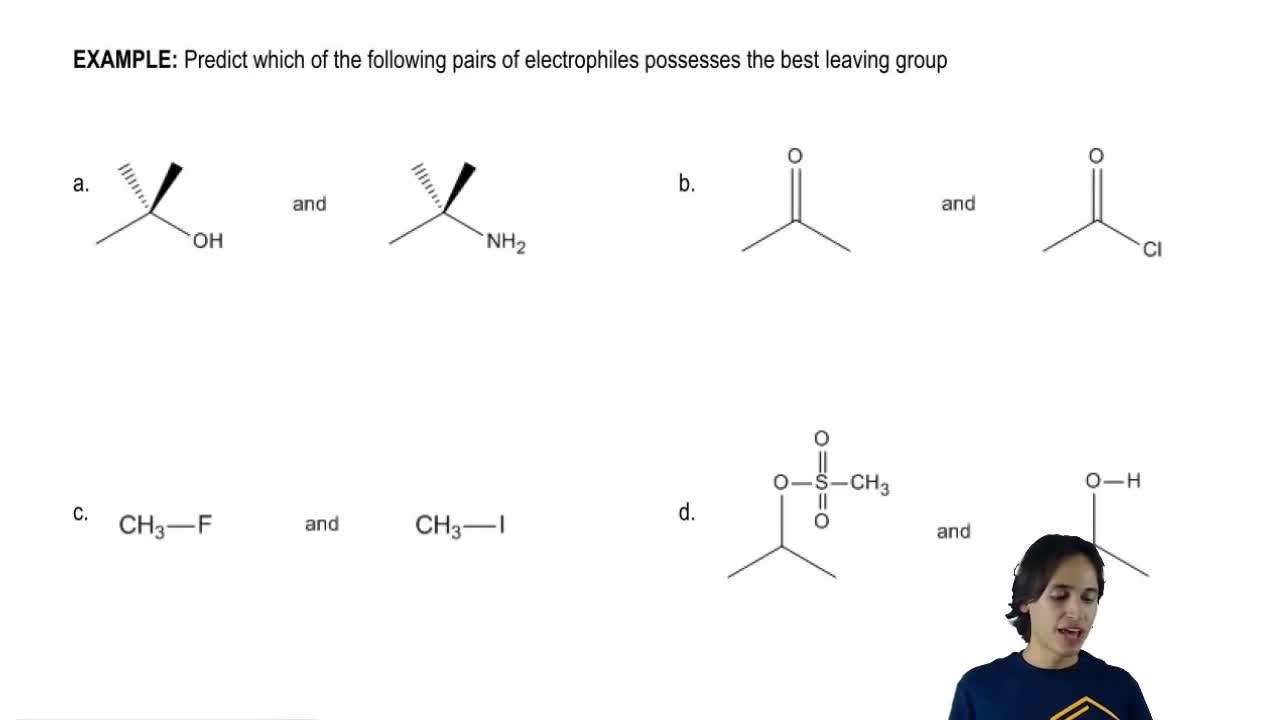
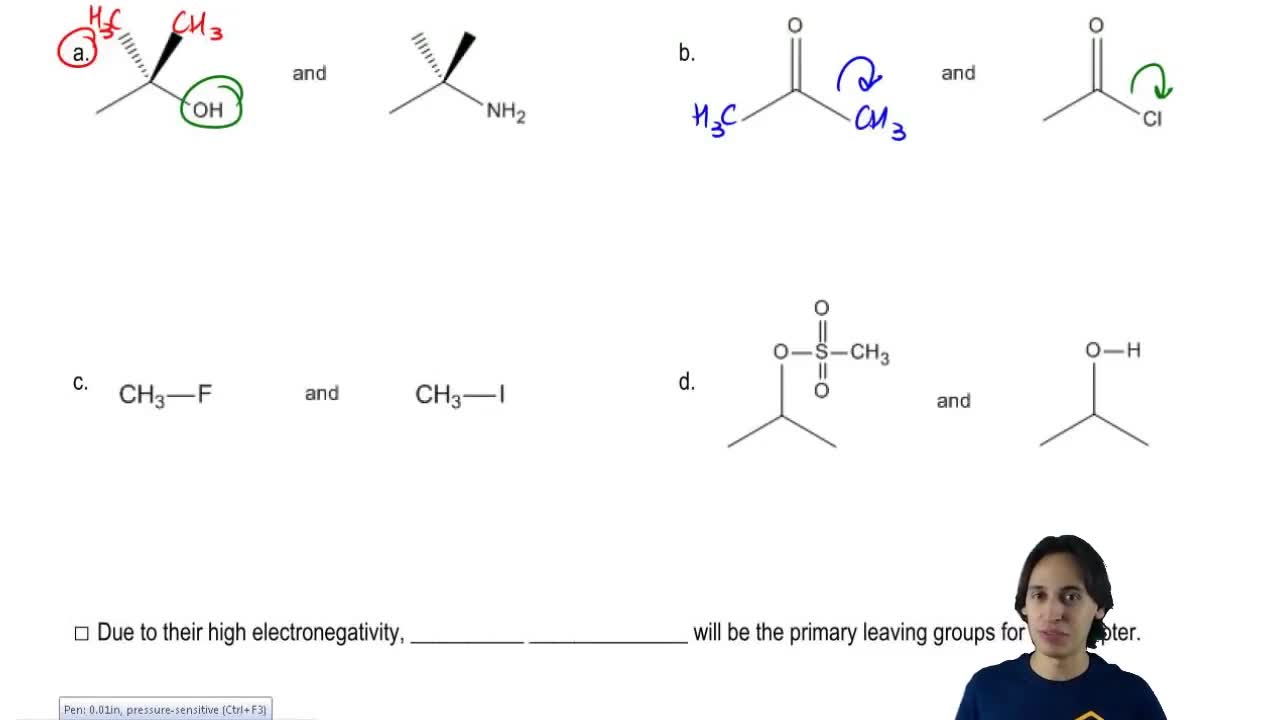
  • Predict the best leaving group
    00:50
  • Predict the best leaving group
    01:12
  • Predict the best leaving group
    00:36

The SN2 Mechanism

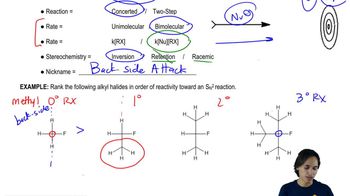
  • Ranking reactivity toward SN2
    04:03
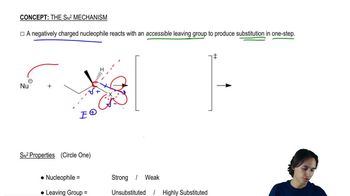
  • Drawing the SN2 Mechanism
    08:33
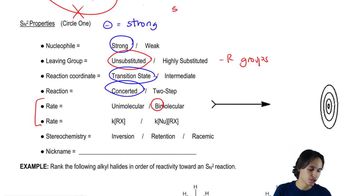
  • Understanding the properties of SN2.
    11:57

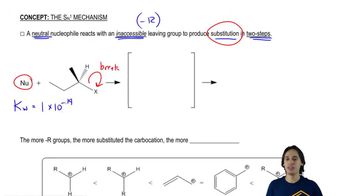
The SN1 Mechanism

  • Drawing the SN1 Mechanism
    10:49
  • Why highly substituted leaving groups favor SN1.
    01:13
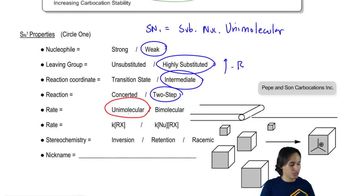
  • Understanding the properties of SN1.
    08:16

Substitution Comparison

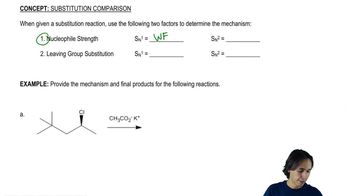
  • How do we predict if the mechanism is SN1 or SN2?
    03:32

E2 Mechanism

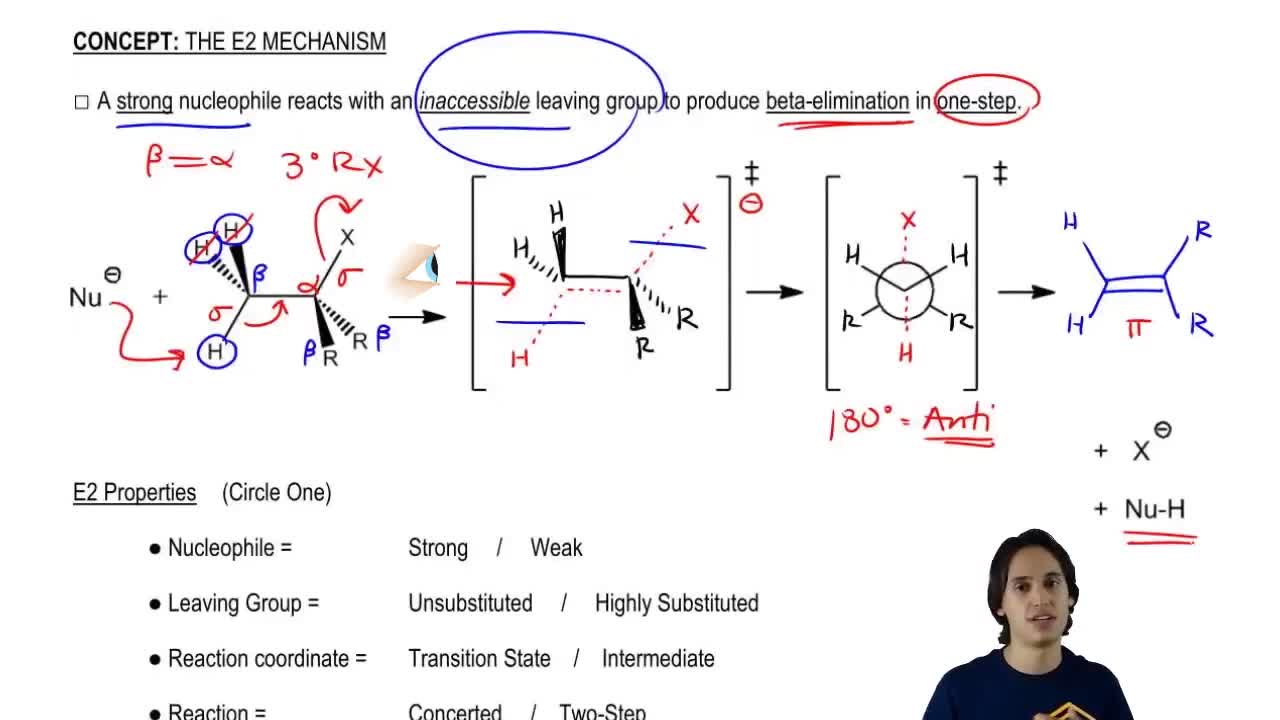
  • Understanding the properties of E2.
    04:42
  • Drawing the E2 Mechanism.
    09:36
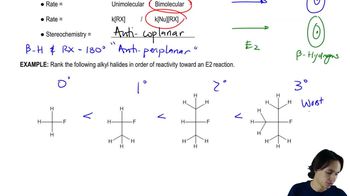
  • Rank reactivity toward E2
    02:03

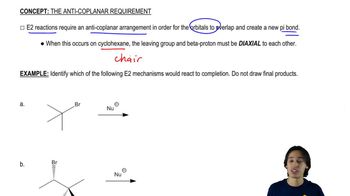
The Anti-Coplanar Requirement

  • The Anti-Coplanar Requirement
    03:19
  • Identify the completion of E2 mechanisms
    03:39
  • Identify the completion of E2 mechanisms
    01:09

The E1 Mechanism

  • Understanding the properties of E1.
    03:32
  • Drawing the E1 Mechanism.
    08:09

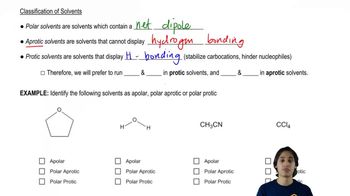
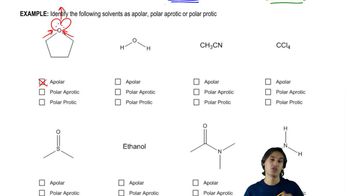
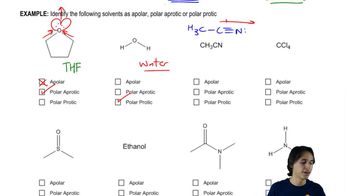
Solvents

  • The difference between protic vs. aprotic solvents.
    03:57
  • Identification of polarity in solvents
    01:16
  • Identification of polarity in solvents
    00:39

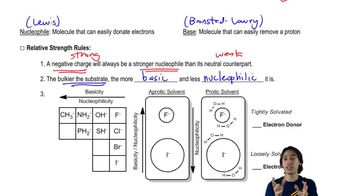
Nucleophiles and Basicity

  • Understanding the difference between basicity and nucleophilicity.
    06:21

SN1 SN2 E1 E2 Chart (Big Daddy Flowchart)

  • How to predict SN2 and E2 mechanisms.
    09:52
  • How to predict SN1 and E1 mechanisms.
    06:30
  • Overview of the flowchart.
    02:27

Cumulative Substitution/Elimination

  • Intro to Substitution/Elimination Problems
    00:38

Stability of Alkenes

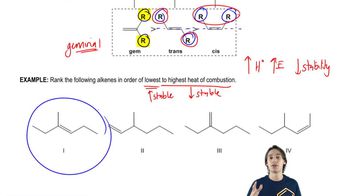
  • Heat of Combustion
    02:55
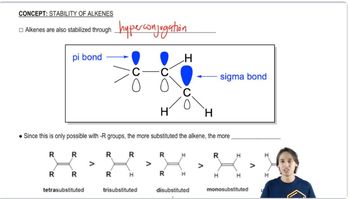
  • Understanding trends of alkene stability.
    04:28

Elimination and Zaitsev's Rule

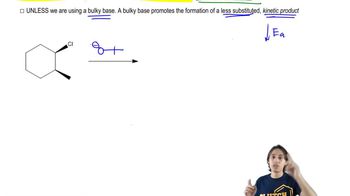
  • Hofmann product
    02:39
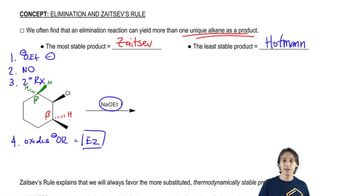
  • Defining Zaitsev’s Rule
    01:18
  • Zaitsev product
    07:01

Dehydrohalogenation

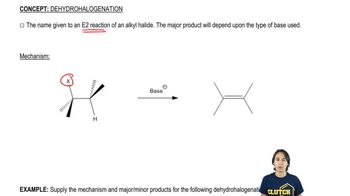
  • The dehydrohalogenation mechanism.
    03:02
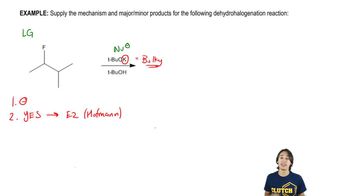
  • Dehydrohalogenation mechanism and products
    04:35

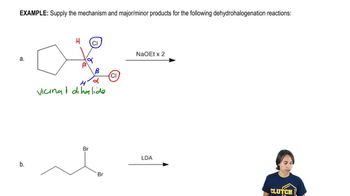
Double Dehydrohalogenation (Alkyne Synthesis)

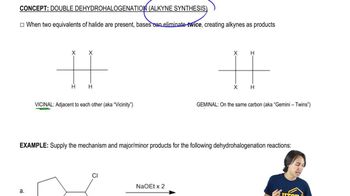
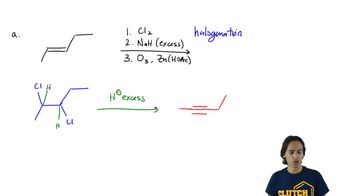
  • General features of double dehydrohalogenation.
    02:20
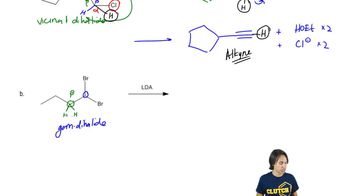
  • Supply the mechanism and product for the following reaction.
    02:26
  • The double dehydrohalogenation mechanism.
    04:03

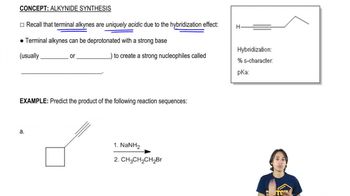
Alkynide Synthesis

  • Understanding how to convert terminal alkynes to alkynides.
    04:19
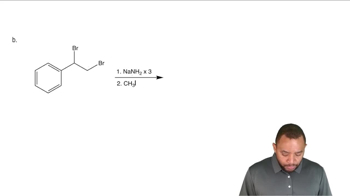
  • Using double dehydrohalogenation to perform alkynide synthesis.
    02:57
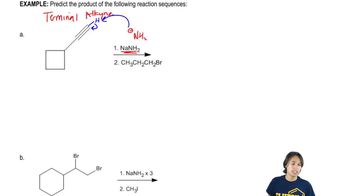
  • The mechanism of alkynide synthesis.
    03:48

Hydrogenation of Alkynes

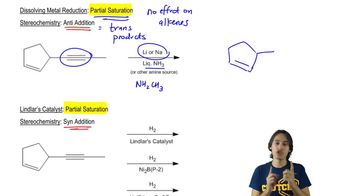
  • Using Dissolving Metal Reduction or Lindlar’s Catalyst to turn alkynes to alkenes.
    06:08
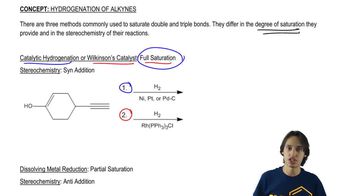
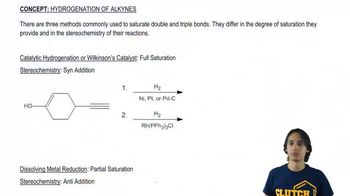
  • Using Catalytic hydrogenation or Wilkinson’s Catalyst to turn alkynes to alkanes.
    03:46
  • The definition of hydrogenation.
    00:48

Acid-Catalyzed Dehydration

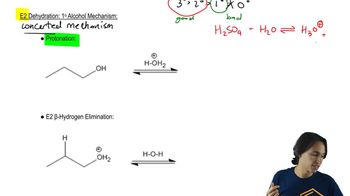
  • Dehydration of 1° alcohols:The E2 Mechanism
    05:20
  • An extra note of caution with 1° alcohols.
    01:06
  • General features of acid-catalyzed dehydration.
    06:01

General Mechanism – Addition Reaction

  • Provide the mechanism
    01:15
  • Features of Addition Mechanisms.
    05:39

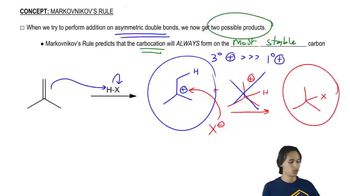
Markovnikov's Rule

  • Provide the mechanism
    01:26
  • How to add to asymmetrical double bonds.
    03:38

Hydrohalogenation

  • General properties of hydrohalogenation.
    04:07
  • Provide the mechanism
    02:24

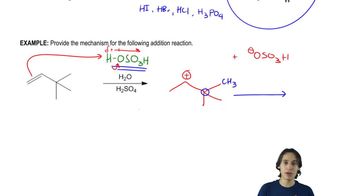
Acid-Catalyzed Hydration

  • General properties of acid-catalyzed hydration.
    06:32
  • Acid-catalyzed hydration mechanism
    06:34

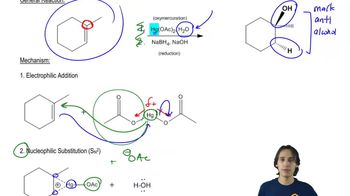
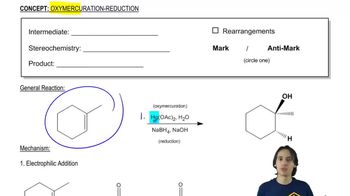
Oxymercuration-Reduction

  • Acid-catalyzed oxymercuration-reduction mechanism
    09:01
  • General properties of oxymercuration-reduction.
    05:

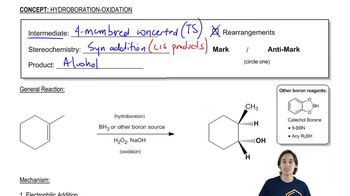
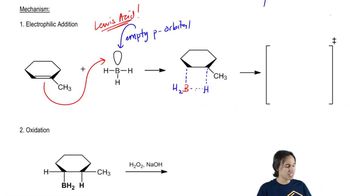
Hydroboration-Oxidation

  • General properties of hydroboration-oxidation.
    06:38
  • Acid-catalyzed hydroboration-oxidation mechanism
    06:14

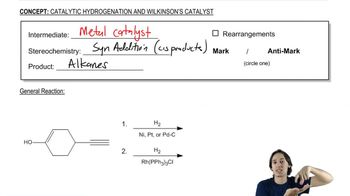
Catalytic Hydrogenation and Wilkinson's Catalyst

  • General properties of catalytic hydrogenation.
    05:21

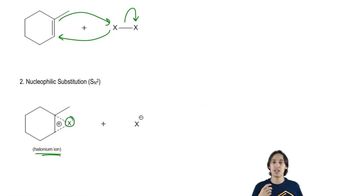
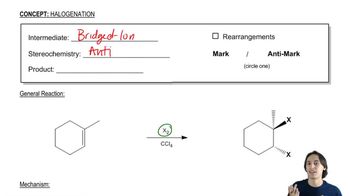
Halogenation

  • Halogenation Mechanism
    03:45
  • General properties of halogenation.
    02:27

Halohydrin Formation

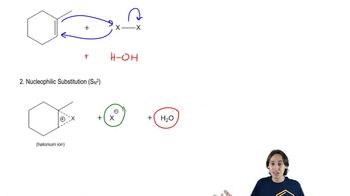
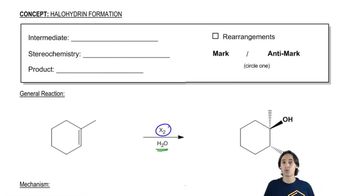
  • Halohydrin Mechanism
    04:48
  • General properties of halohydrin formation.
    01:44

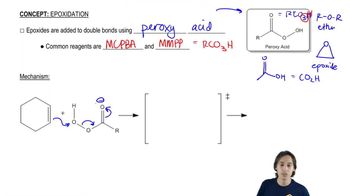
Epoxidation

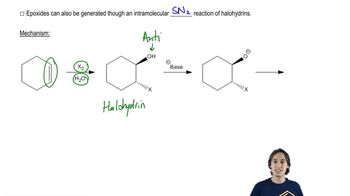
  • Halohydrins to epoxides via intramolecular SN2.
    02:26
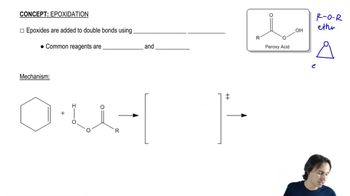
  • General properties of epoxidation.
    02:19
  • The mechanism of how peroxy acids make epoxides.
    03:19

Epoxide Ring Opening

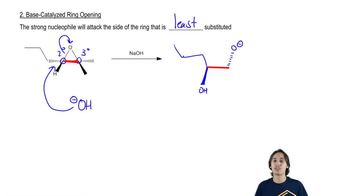
  • Base-Catalyzed Epoxide Ring-Opening
    04:44
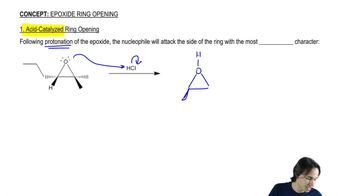
  • Acid-Catalyzed Epoxide Ring-Opening
    04:34

Syn Vicinal Dihydroxylation

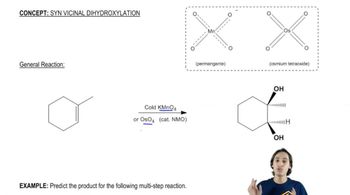
  • General properties of syn vicinal dihydroxylation.
    03:50
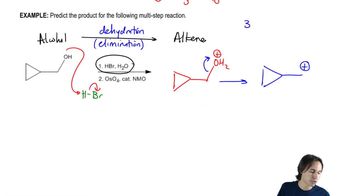
  • Predict the product for the following multi-step reaction.
    04:42

Weak Oxidative Cleavage

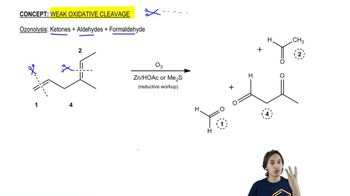
  • General properties of ozonolysis.
    06:30

Ozonolysis Full Mechanism

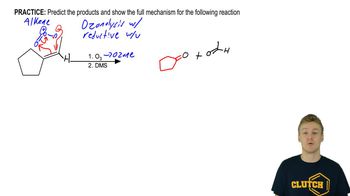
  • Predict the products and show the mechanism:
    12:11
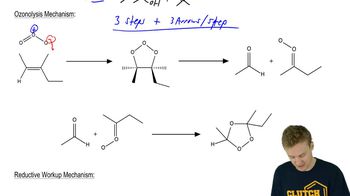
  • General Mechanism:
    07:48
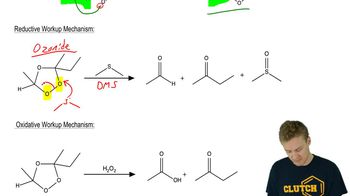
  • Reductive Workup Mechanism:
    03:16

Oxidative Cleavage

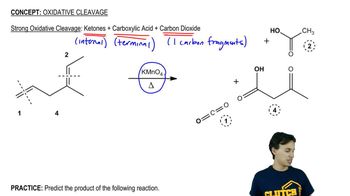
  • General properties of strong oxidative cleavage.
    06:00

Alkyne Oxidative Cleavage

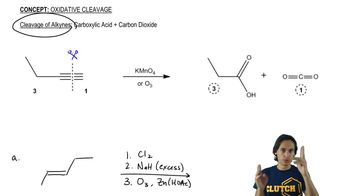
  • General features of alkyne cleavage.
    02:13
  • Predict the product of the following reaction.
    03:50

Alkyne Hydrohalogenation

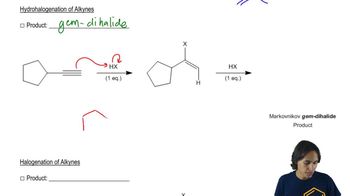
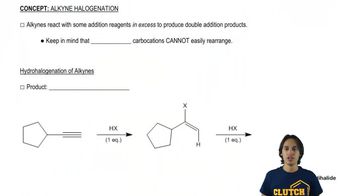
  • Double hydrohalogenation of alkynes.
    02:20
  • General properties of double addition reactions to alkynes.
    01:01

Alkyne Halogenation

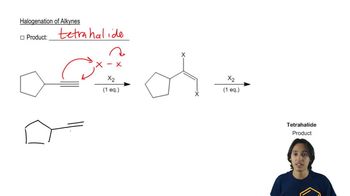
  • Double halogenation of alkynes.
    02:15

Alkyne Hydration

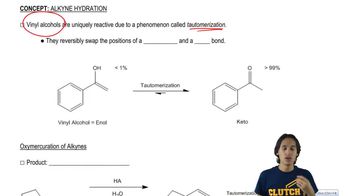
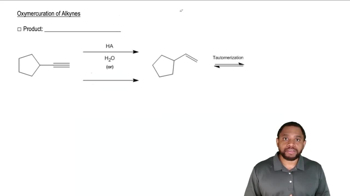
  • Vinyl alcohols yield tautomers.
    03:51
  • Markovnikov addition of alcohols yields ketones.
    03:29

Alkyne Hydroboration

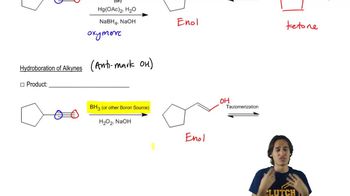
  • Anti-Markovnikov addition of alcohols to terminal alkynes yields aldehydes
    02:43

Radical Initiators

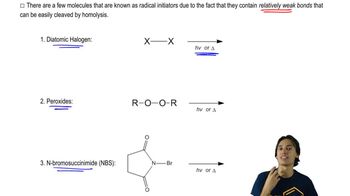
  • What are Radical Initiators?
    03:49
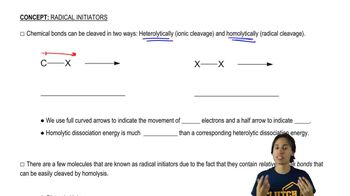
  • Heterolytic vs. Homolytic Bond Cleavage .
    04:39

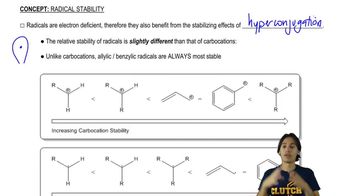
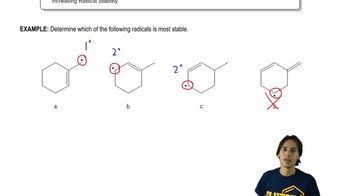
Radical Stability

  • The radical stability trend.
    03:43
  • Determine which of the following radicals is the most stable.
    03:25
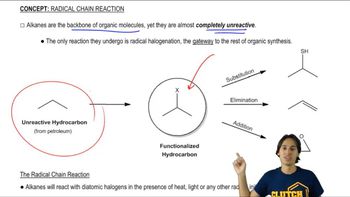
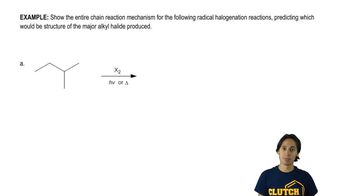
Radical Chain Reaction

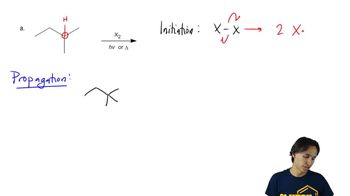
  • The one reaction that alkanes will actually undergo.
    02:05
  • Explaining the following problem.
    00:34
  • Show the entire chain reaction mechanism.
    04:08

Radical Selectivity

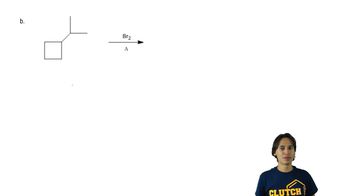
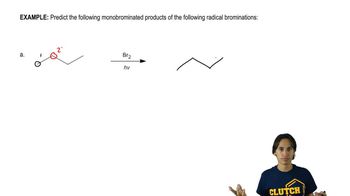
  • Predict the Product.
    00:48
  • Predict the Product.
    01:02
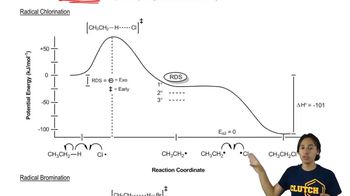
  • Using the Hammond Postulate to describe radical chlorination.
    03:03

Radical Hydrohalogenation

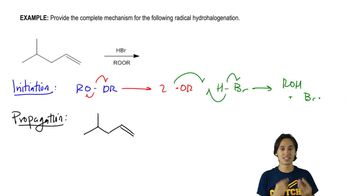
  • Provide the complete mechanism for the following radical hydrohalogenation.
    02:53
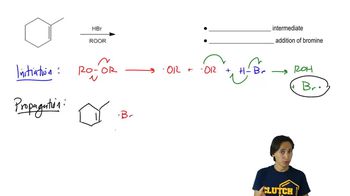
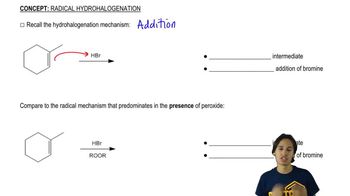
  • How Radical Hydrohalogenation is different from typical Hydrohalogenation.
    07:13
  • Overview of Hydrohalogention.
    01:18

Radical Polymerization

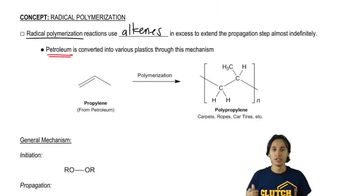
  • General features of Radical Polymerization.
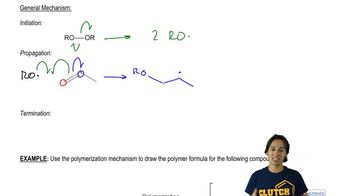
    02:44
  • The mechanism of Radical Polymerization.
    03:28
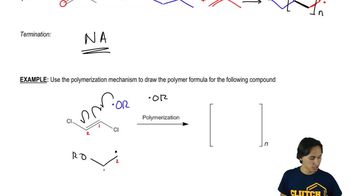
  • Use the polymerization mechanism to draw the polymer formula for the following compound.
    02:20

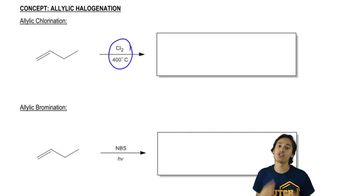
Allylic Halogenation

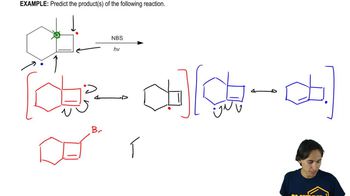
  • Predict the product(s) of the following reaction.
    04:28
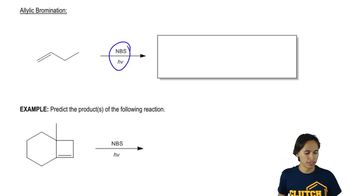
  • Mechanism of Allylic Bromination.
    00:54
  • The products of Allylic Chlorination.
    00:48

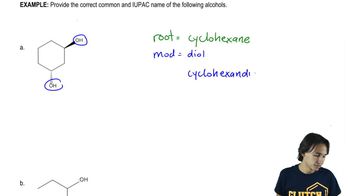
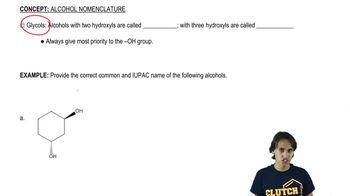
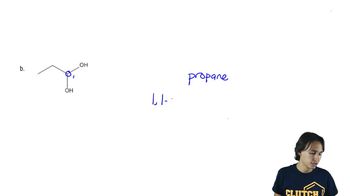
Alcohol Nomenclature

  • Provide the correct common and IUPAC name.
    01:49
  • How to name polyols.
    01:47
  • Provide the correct common and IUPAC name.
    00:59

Synthesis of Alcohols Overview

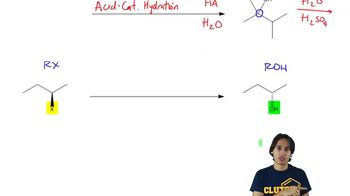
  • Forming alcohols through SN2 reactions.
    01:44
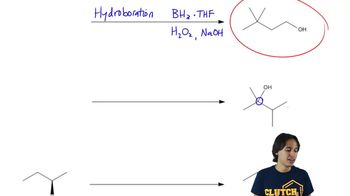
  • Forming alcohols through Acid-Catalyzed Hydration.
    02:02
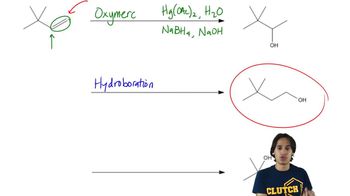
  • Forming alcohols through Hydroboration-Oxidation.
    01:37

Leaving Group Conversions - Using HX

  • Why do we need to convert Alcohol into a good leaving group?
    02:03
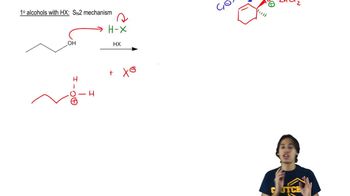
  • Using HX acids via SN2 reaction.
    02:16
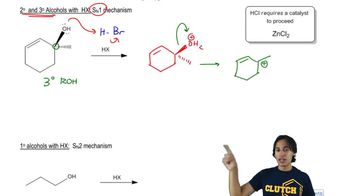
  • Using HX acids via SN1 reaction.
    07:20

Leaving Group Conversions - SOCl2 and PBr3

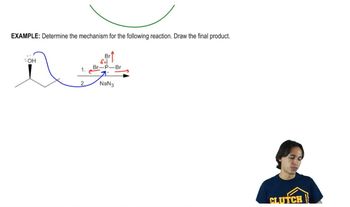
  • Predict the mechanism of PBr3, and draw the final product.
    06:01
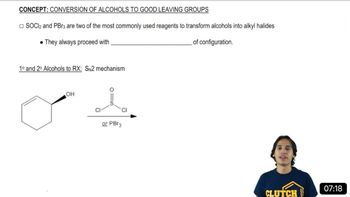
  • Learning the mechanism of SOCl2.
    07:18

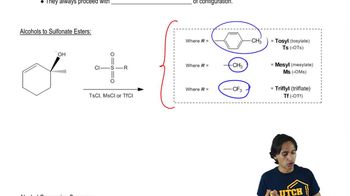
Leaving Group Conversions - Sulfonyl Chlorides

  • Learning the mechanism of Sulfonyl Chlorides.
    05:33

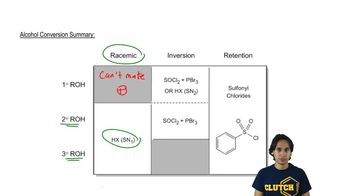
Leaving Group Conversions Summary

  • Comparing and contrasting the Alcohol Conversions.
    04:30

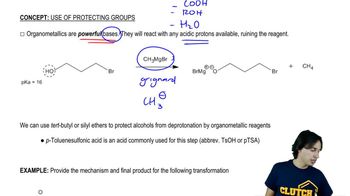
Use of Protecting Groups

  • Use of Protecting Groups
    04:34
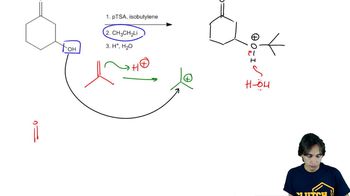
  • Provide mechanism and final product of transformation.
    04:45
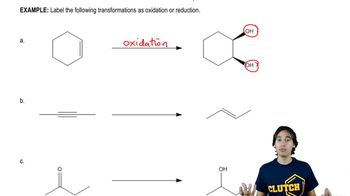
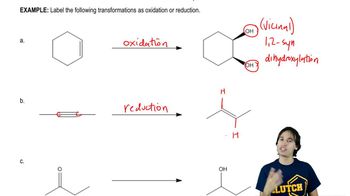
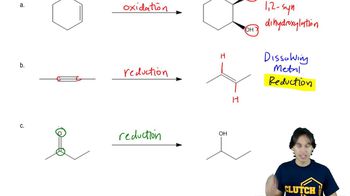
Intro to Redox

  • Distinguishing between Oxidation and Reduction
    00:54
  • Distinguishing between Oxidation and Reduction
    01:18
  • Distinguishing between Oxidation and Reduction
    00:54

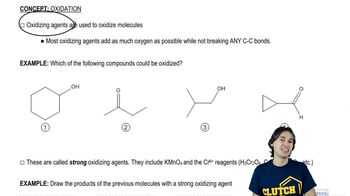
Oxidization

  • Reagents
    01:52
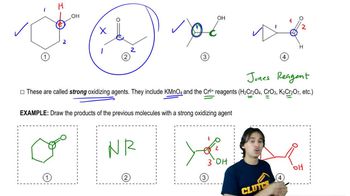
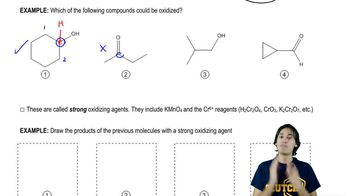
  • Strong oxidizing agents
    05:53
  • Strong oxidizing agents
    03:40

Reduction

  • Intro
    00:15
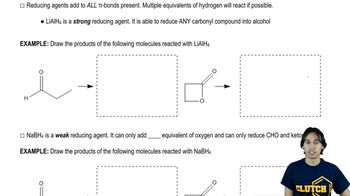
  • Reducing Agents
    09:28

Nucleophilic Addition

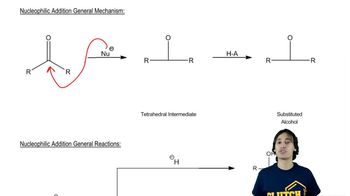
  • Nucleophilic Addition
    08:27

Preparation of Organometallics

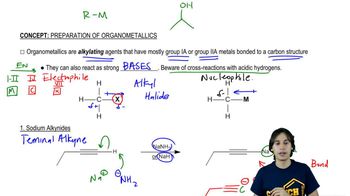
  • Ruining Organometallics
    02:50
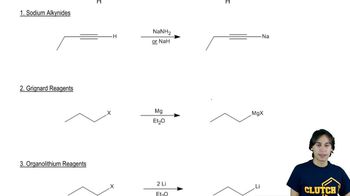
  • General Reaction
    12:21

Reactions of Organometallics

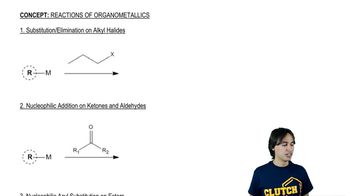
  • Reactions of Organometallics
    13:40

Retrosynthesis

  • Intro
    01:07

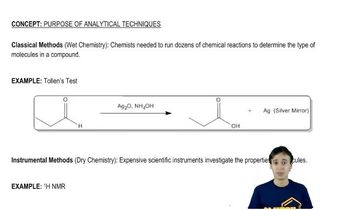
Purpose of Analytical Techniques

  • Reason for Analytical Methods
    05:41

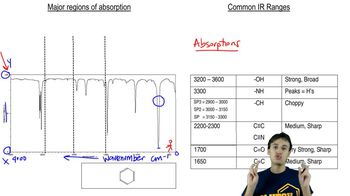
Infrared Spectroscopy

  • General Features of IR Spect
    16:04

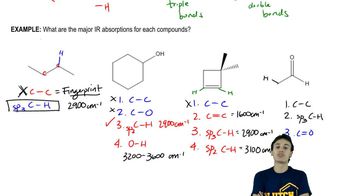
IR Spectroscopy - Frequencies

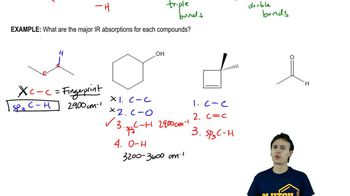
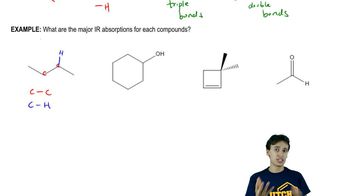
  • Major IR absorptions
    02:22
  • Major IR absorptions
    02:03
  • Major IR absorptions
    02:02

IR Spect: Drawing Spectra

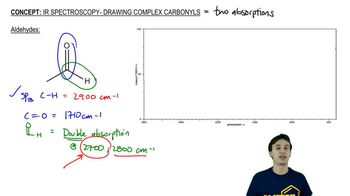
  • Drawing Complex Carbonyls
    07:56
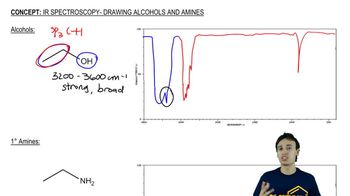
  • Drawing Alcohols and Amines
    10:39
  • Drawing Hydrocarbons
    12:06

IR Spect: Extra Practice