Indietro

Predicting Products and Mechanisms for (1-bromoethyl)cyclohexane in Methanol

Guida di studio - Impara con i video

Lezioni curate abbinate al materiale che hai caricato – impara ogni argomento passo dopo passo.

The SN2 Mechanism

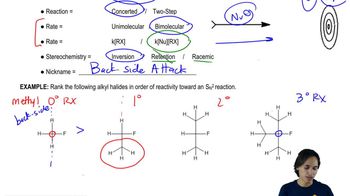
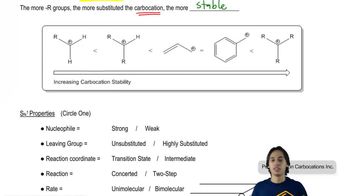
  • Ranking reactivity toward SN2
    04:03
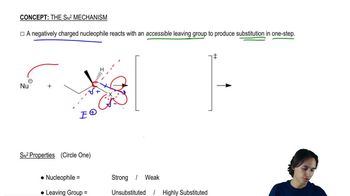
  • Drawing the SN2 Mechanism
    08:33
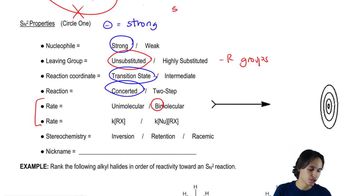
  • Understanding the properties of SN2.
    11:57

The SN1 Mechanism

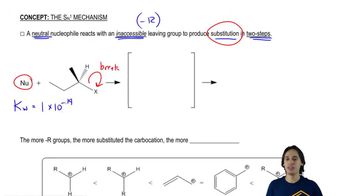
  • Drawing the SN1 Mechanism
    10:49
  • Why highly substituted leaving groups favor SN1.
    01:13
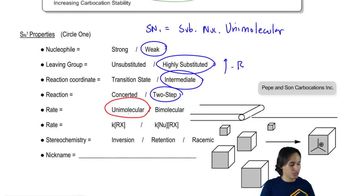
  • Understanding the properties of SN1.
    08:16

E2 Mechanism

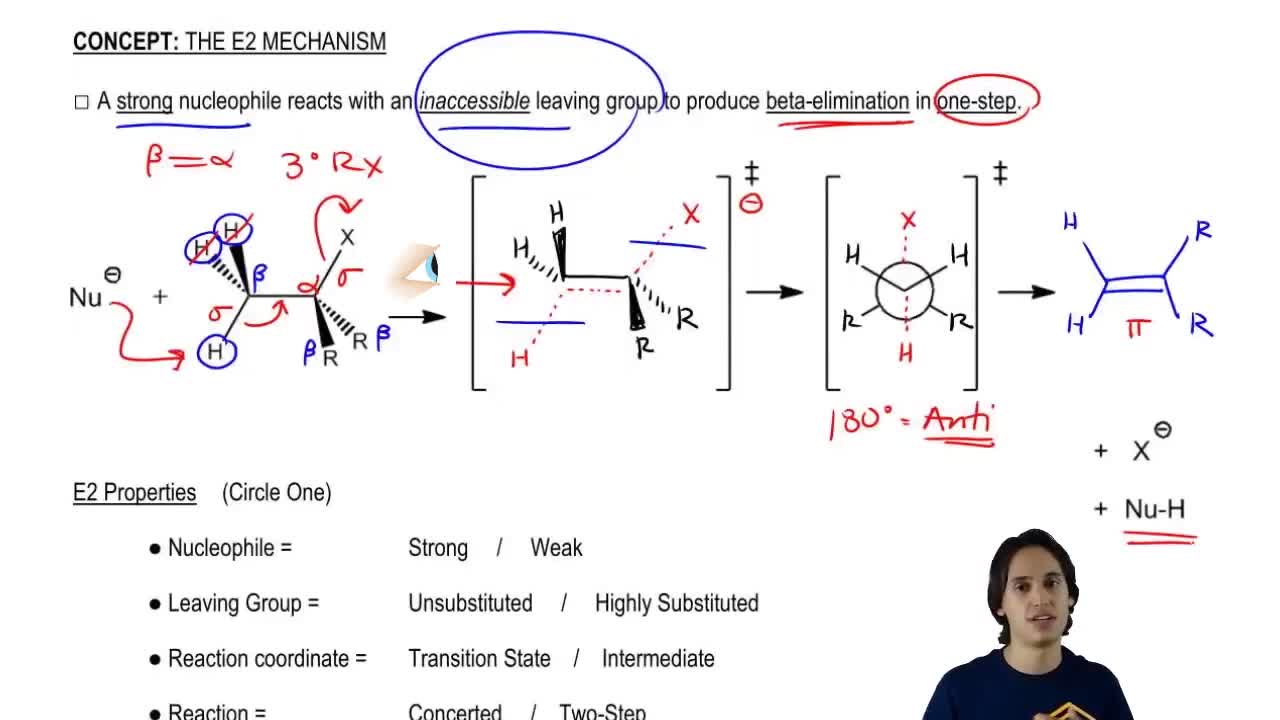
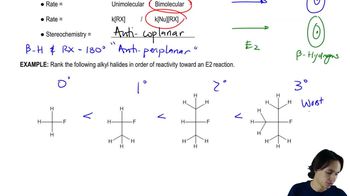
  • Understanding the properties of E2.
    04:42
  • Drawing the E2 Mechanism.
    09:36
  • Rank reactivity toward E2
    02:03

The E1 Mechanism

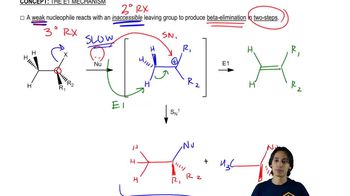
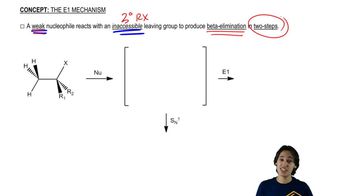
  • Understanding the properties of E1.
    03:32
  • Drawing the E1 Mechanism.
    08:09

Substitution Comparison

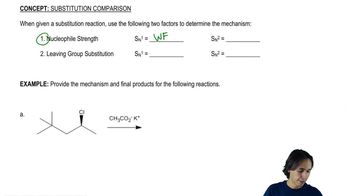
  • How do we predict if the mechanism is SN1 or SN2?
    03:32

Halohydrin Formation

  • Halohydrin Mechanism
    04:48
  • General properties of halohydrin formation.
    01:44

Hydrohalogenation

  • General properties of hydrohalogenation.
    04:07
  • Provide the mechanism
    02:24

Hydroboration-Oxidation

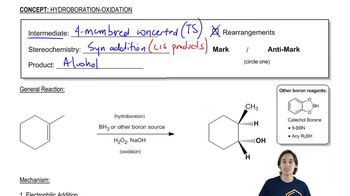
  • General properties of hydroboration-oxidation.
    06:38
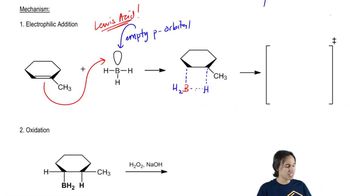
  • Acid-catalyzed hydroboration-oxidation mechanism
    06:14

Alkyne Hydration

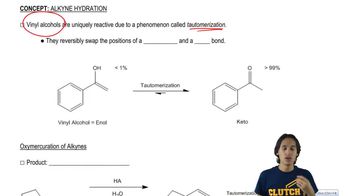
  • Vinyl alcohols yield tautomers.
    03:51
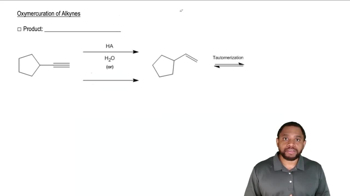
  • Markovnikov addition of alcohols yields ketones.
    03:29

Alkynide Alkylation

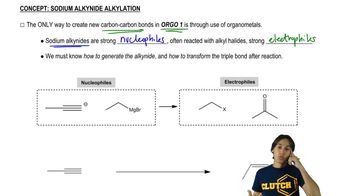
  • Sodium Alkynide Alkylation
    03:19

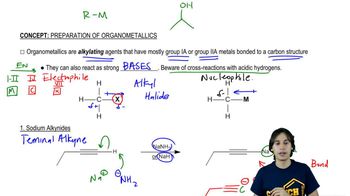
Preparation of Organometallics

  • Ruining Organometallics
    02:50
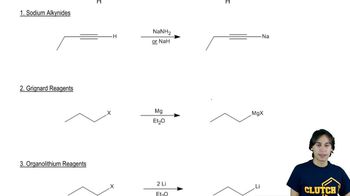
  • General Reaction
    12:21

Reactions of Organometallics

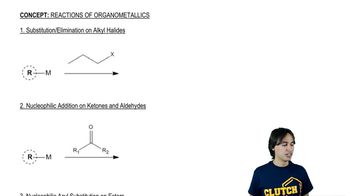
  • Reactions of Organometallics
    13:40

Alcohol Nomenclature

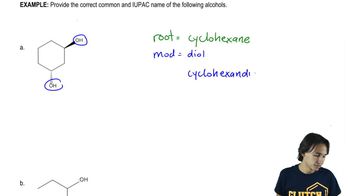
  • Provide the correct common and IUPAC name.
    01:49
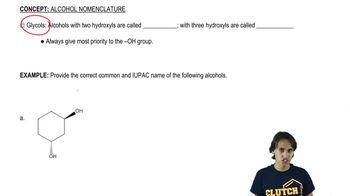
  • How to name polyols.
    01:47
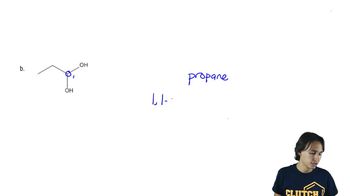
  • Provide the correct common and IUPAC name.
    00:59

Oxidation

  • Reagents
    01:52
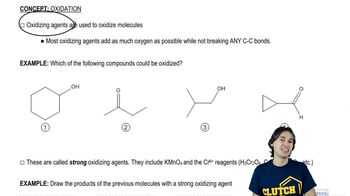
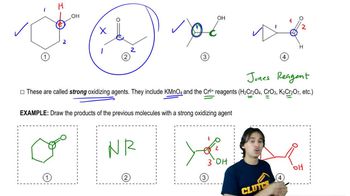
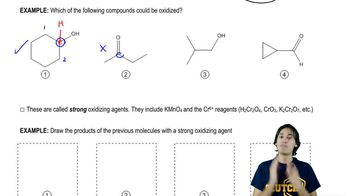
  • Strong oxidizing agents
    05:53
  • Strong oxidizing agents
    03:40

Reduction

  • Intro
    00:15
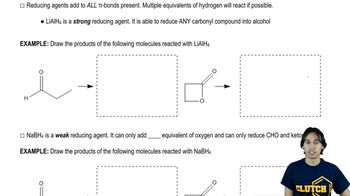
  • Reducing Agents
    09:28