Indietro

Study Notes: Unsaturated Hydrocarbons – Alkenes, Alkynes, and Aromatic Compounds

Guida di studio - Impara con i video

Lezioni curate abbinate al materiale che hai caricato – impara ogni argomento passo dopo passo.

Alkenes, Alkynes and Alcohols

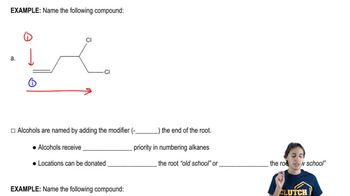
  • Name the following alkene
    02:04
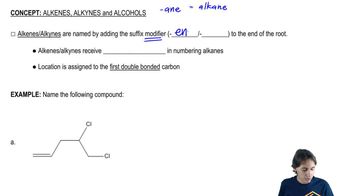
  • How to name alkenes and alkynes
    01:55

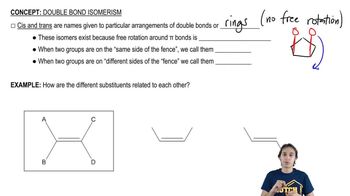
Cis vs Trans

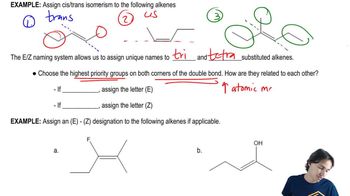
  • Why we need to use the E/Z naming system
    02:07
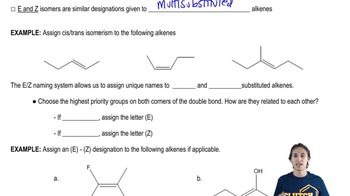
  • What does E and Z stand for?
    00:50
  • How to name different types of double bonds or rings
    04:28

Cahn-Ingold-Prelog Nomenclature

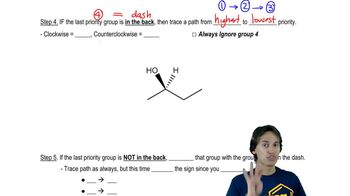
  • R and S Naming- Step 4
    03:07
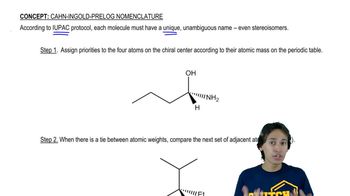
  • Why stereoisomers need their own naming system.
    01:48
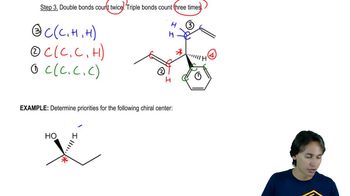
  • Determining Priorities
    01:19

Reaction Mechanism

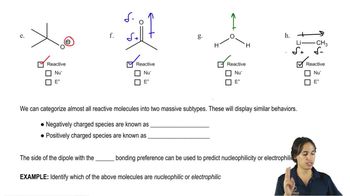
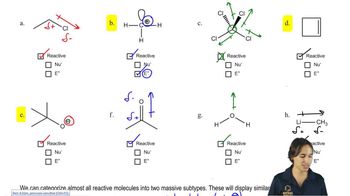
  • How to tell if charged molecules will react as nucleophiles or electrophiles.
    02:39
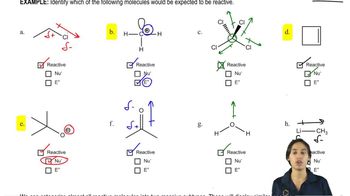
  • Nucleophile or Electrophile
    01:49
  • How to tell if uncharged molecules will react as nucleophiles or electrophiles.
    02:48

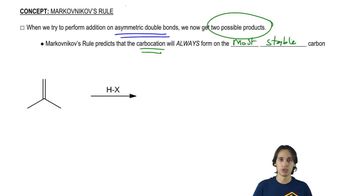
Markovnikov's Rule

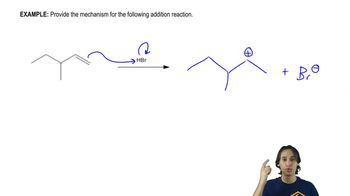
  • Provide the mechanism
    01:26
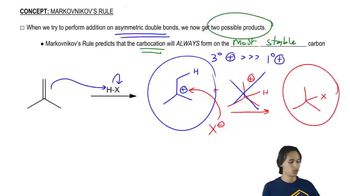
  • How to add to asymmetrical double bonds.
    03:38

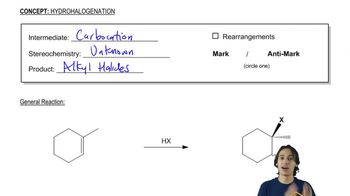
Hydrohalogenation

  • General properties of hydrohalogenation.
    04:07
  • Provide the mechanism
    02:24

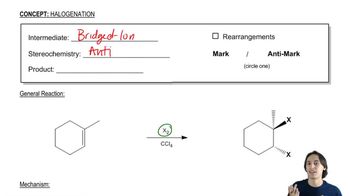
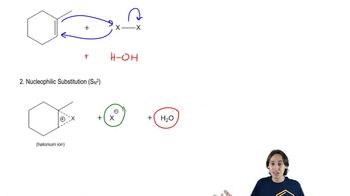
Halogenation

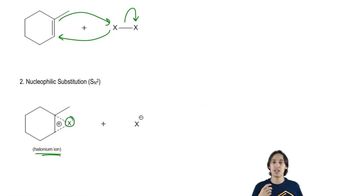
  • Halogenation Mechanism
    03:45
  • General properties of halogenation.
    02:27

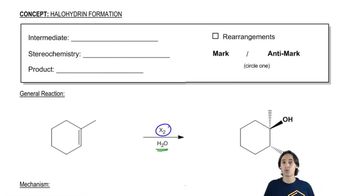
Halohydrin Formation

  • Halohydrin Mechanism
    04:48
  • General properties of halohydrin formation.
    01:44

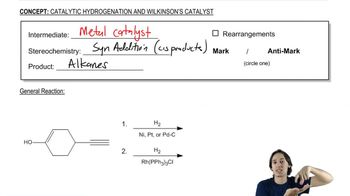
Catalytic Hydrogenation and Wilkinson's Catalyst

  • General properties of catalytic hydrogenation.
    05:21

Elimination and Zaitsev's Rule

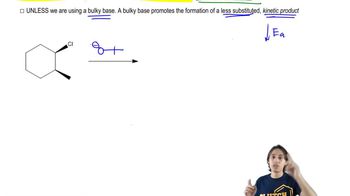
  • Hofmann product
    02:39
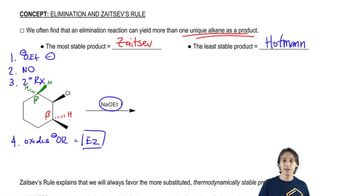
  • Defining Zaitsev’s Rule
    01:18
  • Zaitsev product
    07:01

Dehydrohalogenation

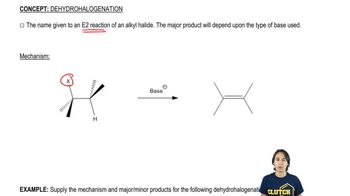
  • The dehydrohalogenation mechanism.
    03:02
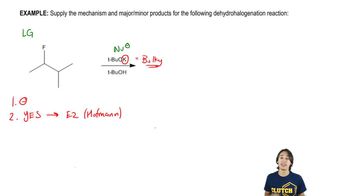
  • Dehydrohalogenation mechanism and products
    04:35

Carbocation Intermediates – Stability

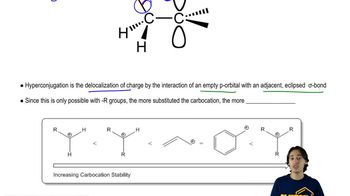
  • Determining Carbocation Stability
    05:58
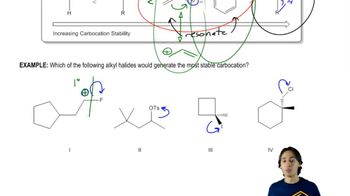
  • Predicting the most stable carbocation
    01:21