Indietro

Thermodynamics and Kinetics of Free Radical Halogenation of Alkanes

Guida di studio - Impara con i video

Lezioni curate abbinate al materiale che hai caricato – impara ogni argomento passo dopo passo.

Radical Initiators

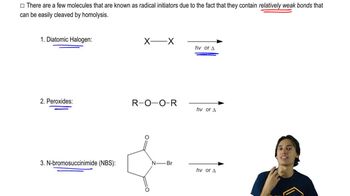
  • What are Radical Initiators?
    03:49
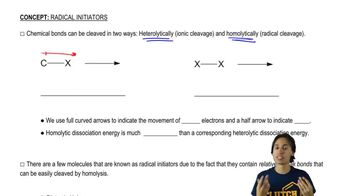
  • Heterolytic vs. Homolytic Bond Cleavage .
    04:39

Radical Stability

  • The radical stability trend.
    03:43
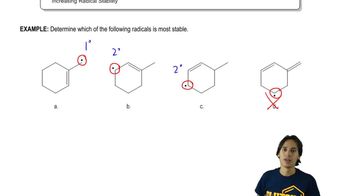
  • Determine which of the following radicals is the most stable.
    03:25

Radical Chain Reaction

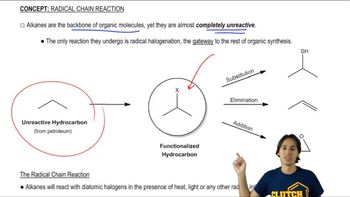
  • The one reaction that alkanes will actually undergo.
    02:05
  • Explaining the following problem.
    00:34
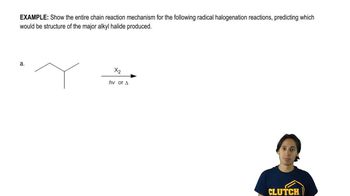
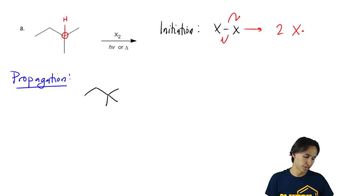
  • Show the entire chain reaction mechanism.
    04:08

Radical Selectivity

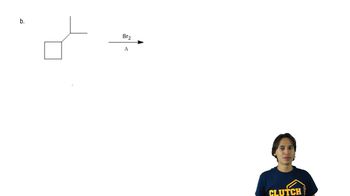
  • Predict the Product.
    00:48
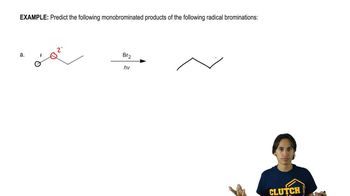
  • Predict the Product.
    01:02
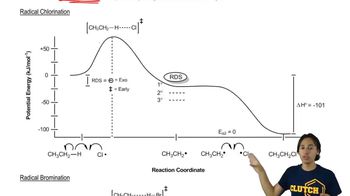
  • Using the Hammond Postulate to describe radical chlorination.
    03:03

Radical Hydrohalogenation

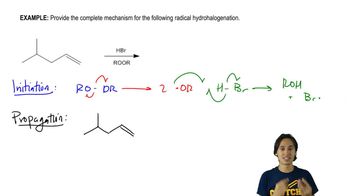
  • Provide the complete mechanism for the following radical hydrohalogenation.
    02:53
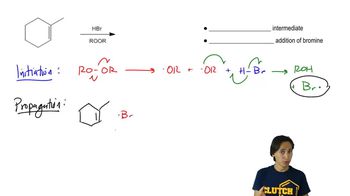
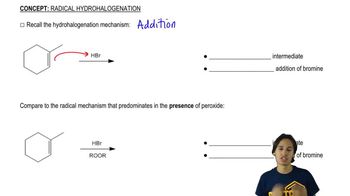
  • How Radical Hydrohalogenation is different from typical Hydrohalogenation.
    07:13
  • Overview of Hydrohalogention.
    01:18

Bonding Preferences

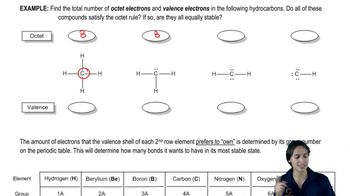
  • What is the difference between valence and octet electrons?
    02:04
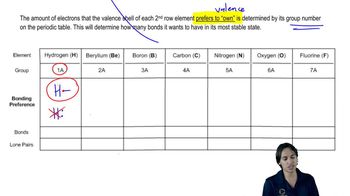
  • Understanding the hydrogen isotopes.
    08:32
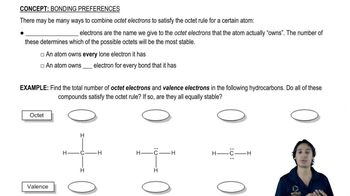
  • What is a valence electron?
    02:14

Energy Diagram

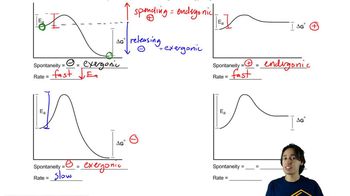
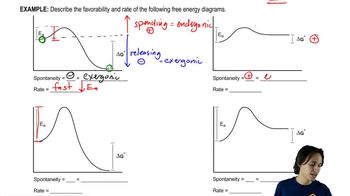
  • Favorability and rate of Free Energy Diagrams
    01:14
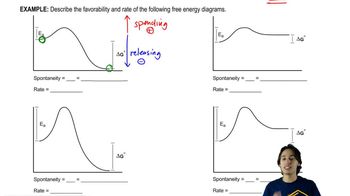
  • Favorability and rate of Free Energy Diagrams
    00:34
  • Favorability and rate of Free Energy Diagrams
    02:18

Gibbs Free Energy

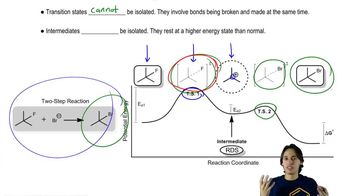
  • Intermediates vs. Transition States
    06:55
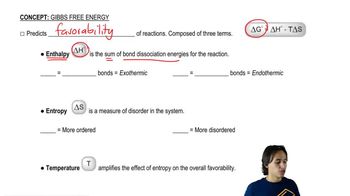
  • Breaking down the different terms of the Gibbs Free Energy equation.
    05:02

Enthalpy

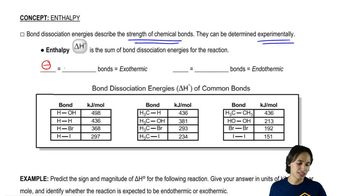
  • How to calculate enthalpy using bond dissociation energies.
    04:09
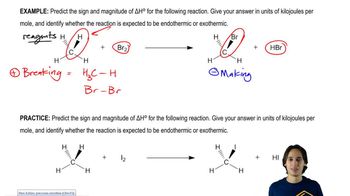
  • Calculating Enthalpies
    04:38

Entropy

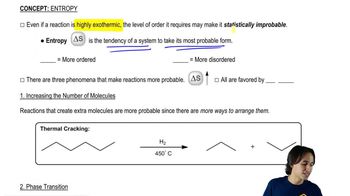
  • 3 ways to increase entropy.
    07:11
  • Explaining what entropy is.
    02:46

Hammond Postulate

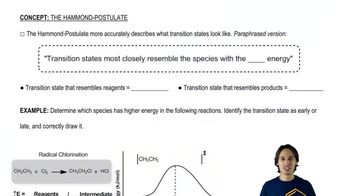
  • Defining the Hammond Postulate.
    01:30
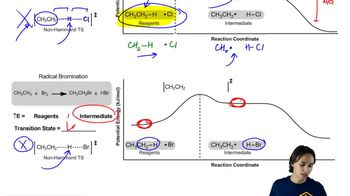
  • Bromination explains the Hammond Postulate.
    02:58
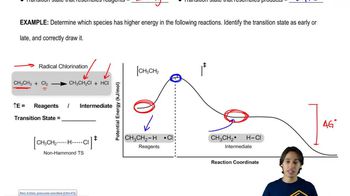
  • Chlorination explains the Hammond Postulate.
    05:23

Carbocation Intermediates – Stability

  • Determining Carbocation Stability
    05:58
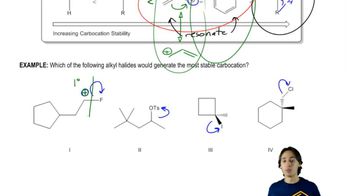
  • Predicting the most stable carbocation
    01:21

Carbocation Intermediate – Rearrangements

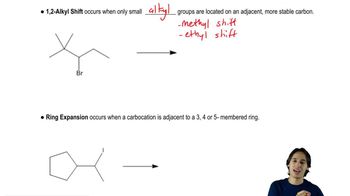
  • Alkyl Shift
    03:43
  • Understanding why carbocations shift.
    00:47
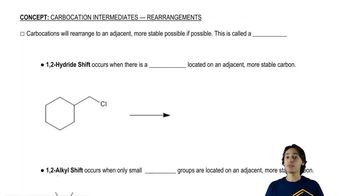
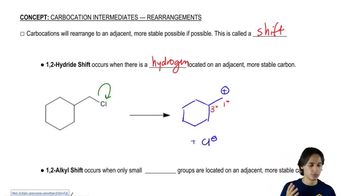
  • Hydride Shift
    03:34

Energy Diagram

  • Favorability and rate of Free Energy Diagrams
    01:14
  • Favorability and rate of Free Energy Diagrams
    00:34
  • Favorability and rate of Free Energy Diagrams
    02:18

Introduction to Substitution

  • Predict the product
    05:55
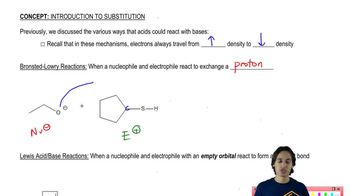
  • Nucleophiles and Electrophiles can react in Bronsted-Lowry Reactions.
    05:01
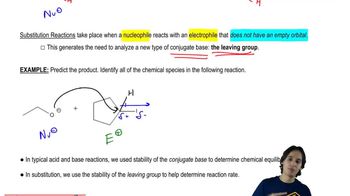
  • Nucleophiles and Electrophiles can react in Substitution Reactions.
    01:47