 Indietro
Understanding Fitness and Wellness: Foundations of Personal Health
Guida di studio - Note intelligenti
 Appunti personalizzati basati sui tuoi materiali, ampliati con definizioni chiave, esempi e contesto.
What is Wellness?
Defining Wellness
Wellness is a state of optimal health that encompasses multiple dimensions of well-being, not merely the absence of disease or infirmity. It is a holistic approach that integrates physical, mental, emotional, and social health, among others, to promote a balanced and fulfilling life.
Health: Traditionally defined as a state of complete physical, mental, and social well-being.
Wellness: Goes beyond health, emphasizing proactive, positive choices and interconnected components.
The Eight Components of Wellness
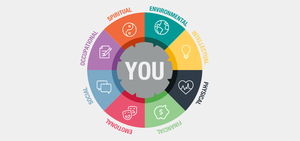
Wellness is comprised of eight interconnected components, each contributing to overall well-being. These components are:
Physical Health: Improved by reducing disease risk, proper nutrition, regular self-exams, and maintaining a high quality of life.
Emotional Health: Also known as mental health; involves self-esteem, emotional stability, coping with stress, and healthy interpersonal relationships.
Intellectual Health: Keeping the mind active through lifelong learning and critical thinking.
Spiritual Health: Not limited to religion; includes personal values, altruistic actions, and a sense of purpose.
Social Health: Development and nurturing of meaningful relationships and supportive networks.
Environmental Health: Awareness of how the environment affects you and how you affect the environment; prevention of diseases related to environmental factors.
Occupational Health: Fulfillment in work, managing toxic coworkers, and achieving work-life balance.
Financial Health: Living comfortably, managing debt, and setting short- and long-term financial goals.
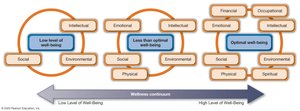
Interconnection of Wellness Components
The eight components of wellness are not independent; they interact and influence each other. Optimal wellness is achieved when all components are balanced and integrated.
Wellness Goals and Public Health Initiatives
Healthy People 2020 Initiative
The U.S. government developed the Healthy People 2020 initiative to set national wellness goals. These goals focus on improving quality of life, reducing health disparities, and promoting health equity across all groups.
Attaining high-quality, longer lives
Reducing risk of injury and premature death
Achieving health equity and eliminating disparities
Improving health of all groups
Promoting physical activity and exercise

Quality of Life, Exercise, and Aging
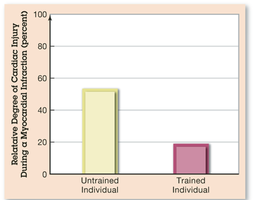
Exercise and Cardiac Protection
Regular physical activity is associated with improved quality of life and reduced risk of cardiac injury during events such as myocardial infarction. Trained individuals experience less cardiac injury compared to untrained individuals.
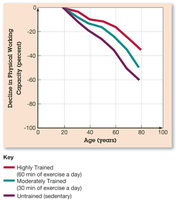
Exercise and Aging
Physical activity helps maintain functional capacity as people age. Highly trained individuals retain greater physical working capacity compared to sedentary individuals.
Health-Related Physical Fitness Components
Five Major Components
Health-related physical fitness is comprised of five major components, each essential for overall wellness:
Cardiorespiratory Endurance: The ability of the heart and lungs to supply oxygen during sustained physical activity.
Muscular Strength: The maximum force a muscle or group of muscles can exert.
Muscular Endurance: The ability of muscles to perform repeated contractions over time.
Flexibility: The range of motion available at a joint.
Body Composition: The proportion of fat and non-fat mass in the body.
Self-Assessment and Behavior Change
Self-Assessment
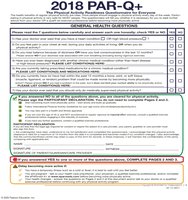
Assessing your current health habits is crucial before setting wellness goals. Self-assessment tools, such as the PAR-Q+ questionnaire, help determine readiness for physical activity and identify potential health risks.
Is it safe to engage in exercise?
Do you make time for exercise?
What is your confidence level?
How are you motivated for exercise?
What are your barriers?
Transtheoretical Model of Behavior Change
The Transtheoretical Model (TTM) describes six stages for modifying or eliminating unhealthy behaviors and adopting new, healthy behaviors. This model is widely used in health and wellness interventions.
Precontemplation: No intention to change behavior.
Contemplation: Considering change.
Preparation: Planning for change.
Action: Actively making changes.
Maintenance: Sustaining the change.
Termination: Change is fully integrated; no risk of relapse.
Behavior Modification Strategies
Effective strategies for behavior change include:
Behavior change contracts: Writing down goals and plans for accountability.
Anthropometric measurements: Tracking physical changes.
Self-monitoring: Recording exercise frequency, nutrition, etc.
Counter conditioning: Replacing unhealthy habits with healthy ones.
Self-reinforcement: Using rewards that support desired goals.
Decisional balance: Weighing pros and cons of behavior change.
Relapse prevention: Identifying and managing high-risk triggers.
S.M.A.R.T. Goals
Setting S.M.A.R.T. goals is essential for successful behavior change. Each goal should be:
S: Simple, straightforward, clear
M: Measurable
A: Attainable, challenging but achievable
R: Realistic, relevant to long-term plans
T: Time-bound
Summary Table: Eight Components of Wellness
Component | Description | Example |
|---|---|---|
Physical | Maintaining bodily health through exercise, nutrition, and medical care | Regular exercise, balanced diet |
Emotional | Managing emotions, stress, and self-esteem | Healthy coping strategies, positive relationships |
Intellectual | Engaging in lifelong learning and critical thinking | Reading, problem-solving |
Spiritual | Finding purpose and meaning in life | Altruism, personal values |
Social | Building and maintaining relationships | Supportive friendships |
Environmental | Awareness of environmental impact | Recycling, pollution prevention |
Occupational | Job satisfaction and work-life balance | Meaningful work, positive workplace |
Financial | Managing finances for comfort and security | Budgeting, saving |
