 Indietro
Carbohydrates: Structure, Function, Digestion, and Related Disorders
Guida di studio - Note intelligenti
 Appunti personalizzati basati sui tuoi materiali, ampliati con definizioni chiave, esempi e contesto.
Carbohydrates: Structure and Function
Types and Functions of Common Carbohydrates
Carbohydrates are the primary energy source for the human body, providing approximately 4 kcal per gram. They are classified based on their chemical structure and physiological roles.
Glucose: Found in fruits, honey, and blood; main energy source for cells.
Fructose: Present in fruits and honey; provides energy as a natural fruit sugar.
Starch: Located in rice, potatoes, bread, and pasta; storage form of carbohydrates in plants.
Glycogen: Stored in liver and skeletal muscles; storage form of glucose in animals and humans.
Sucrose: Table sugar from sugar cane and beets; provides energy.
Lactose: Found in milk and dairy products; provides energy.
Classification: Monosaccharides and Disaccharides
Carbohydrates are categorized by their complexity:
Monosaccharides: The simplest form, cannot be broken down further. Examples: Glucose (C6H12O6), Fructose, Galactose. General formula:
Disaccharides: Formed by two monosaccharides. Examples:
Maltose: Glucose + Glucose (malt sugar)
Sucrose: Glucose + Fructose (table sugar)
Lactose: Glucose + Galactose (milk sugar)
Polysaccharides: Starch, Glycogen, and Fiber
Polysaccharides are complex carbohydrates made of many monosaccharides joined together. They serve as energy storage and structural components.
Starch: Plant storage form; found in grains and tubers.
Glycogen: Animal storage form; stored in liver and muscles.
Fiber: Includes cellulose; indigestible by humans, aids in digestive health.
Carbohydrate Digestion and Absorption
Digestive Process
Carbohydrate digestion involves several organs and enzymes:
Mouth: Salivary amylase breaks down starch into maltose.
Stomach: Minimal carbohydrate digestion occurs.
Small Intestine:
Sucrase breaks down sucrose into glucose and fructose.
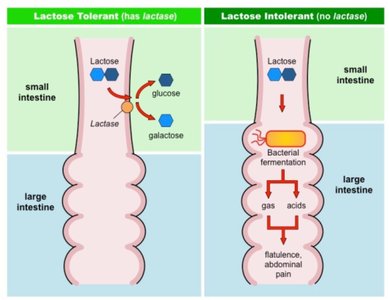
Lactase breaks down lactose into glucose and galactose.
Pancreatic amylase continues starch digestion.
Liver: Converts fructose and galactose into glucose; glucose is released, stored as glycogen, or converted to fat.
Carbohydrate-Related Hormones
Insulin and Glucagon
The pancreas produces hormones to regulate blood glucose:
Insulin:
Produced by beta cells; released when blood glucose rises.
Lowers blood glucose by facilitating cellular uptake, glycogen formation, fat storage, and protein synthesis.
Glucagon:
Produced by alpha cells; released when blood glucose drops.
Raises blood glucose by stimulating glycogen breakdown, gluconeogenesis, and fat breakdown.
Lipogenesis
Lipogenesis is the process of converting excess glucose and other energy sources into fat for storage, mainly in the liver and adipose tissue.
Ketoacidosis
Ketoacidosis is a dangerous condition where excessive ketone bodies accumulate, making blood acidic. It is common in poorly controlled type 1 diabetes and can lead to unconsciousness or death if untreated.
Blood Glucose Disorders
Hyperglycemia and Hypoglycemia
Blood glucose imbalances can have significant health effects:
Hyperglycemia: High blood glucose; symptoms include thirst, frequent urination, fatigue, and blurred vision.
Hypoglycemia: Low blood glucose; symptoms include shaking, sweating, hunger, dizziness, confusion, and weakness.
Diabetes Mellitus
Diabetes mellitus is a chronic disease characterized by high blood glucose due to insufficient insulin production or ineffective insulin use. There are three main types:
Type 1 Diabetes: Autoimmune destruction of beta cells; requires insulin treatment.
Type 2 Diabetes: Insulin resistance; most common type, associated with obesity and inactivity.
Gestational Diabetes: Develops during pregnancy; increases risk of Type 2 diabetes later.
Carbohydrate-Related Disorders
Nonalcoholic Fatty Liver Disease (NAFLD)
NAFLD is the accumulation of excess fat in the liver, not caused by alcohol. It is linked to obesity, insulin resistance, and Type 2 diabetes, and may progress to severe liver damage.
Lactose Intolerance
Lactose intolerance occurs when the small intestine lacks lactase, preventing digestion of lactose. Undigested lactose causes bloating, gas, abdominal pain, and diarrhea.
Metabolic Syndrome
Metabolic syndrome is a cluster of risk factors that increase the likelihood of heart disease, stroke, and Type 2 diabetes. The five major risk factors are abdominal obesity, high blood pressure, high fasting blood glucose, high triglycerides, and low HDL cholesterol.
Hemorrhoids
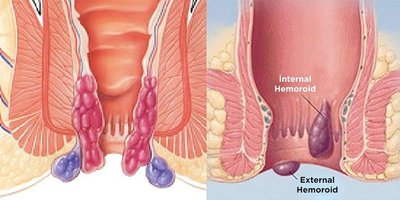
Hemorrhoids are swollen veins in the rectum or anus, often caused or worsened by constipation and straining. Low fiber intake increases risk.
Diverticulosis and Diverticulitis
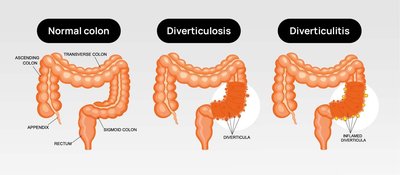
Diverticulosis is the formation of small pouches (diverticula) in the colon wall, often asymptomatic. Diverticulitis occurs when these pouches become inflamed or infected, causing pain and fever.
Dietary Fiber
Soluble vs. Insoluble Fiber
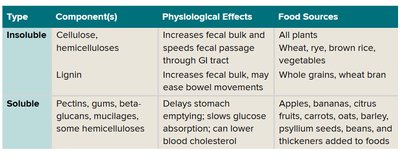
Dietary fiber is a carbohydrate that cannot be fully digested. It is classified as soluble or insoluble, each with distinct physiological effects and food sources.
Type | Component(s) | Physiological Effects | Food Sources |
|---|---|---|---|
Insoluble | Cellulose, hemicelluloses, lignin | Increases fecal bulk, speeds GI passage, may ease bowel movements | All plants, wheat, rye, brown rice, vegetables, whole grains, wheat bran |
Soluble | Pectins, gums, beta-glucans, mucilages, some hemicelluloses | Delays stomach emptying, slows glucose absorption, can lower blood cholesterol | Apples, bananas, citrus fruits, carrots, oats, barley, psyllium seeds, beans, thickeners added to foods |
Nonnutritive Sweeteners
Definition and Examples
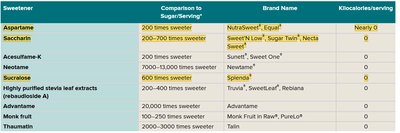
Nonnutritive sweeteners provide sweetness with few or no calories. They are much sweeter than sugar and are used in various food products.
Sweetener | Comparison to Sugar/Serving | Brand Name | Kilocalories/Serving |
|---|---|---|---|
Aspartame | 200 times sweeter | NutraSweet®, Equal® | Nearly 0 |
Saccharin | 200–700 times sweeter | Sweet'N Low®, Sugar Twin®, Necta Sweet® | 0 |
Acesulfame-K | 200 times sweeter | Sunett®, Sweet One® | 0 |
Neotame | 7000–13,000 times sweeter | Newtame® | 0 |
Sucralose | 600 times sweeter | Splenda® | 0 |
Highly purified stevia leaf extracts (rebaudioside A) | 200–400 times sweeter | Truvia®, SweetLeaf®, Rebiana | 0 |
Advantame | 20,000 times sweeter | Advantame | 0 |
Monk fruit | 200–300 times sweeter | Monk Fruit in Raw®, PureLo® | 0 |
Thaumatin | 2000–3000 times sweeter | Talin | 0 |
Glycemic Index (GI)
Definition and Importance
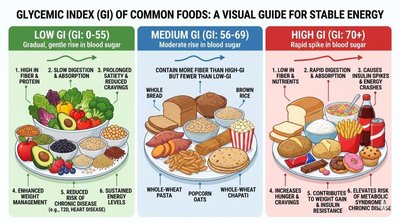
The glycemic index (GI) ranks foods based on how quickly they raise blood glucose compared to a reference food. It helps guide dietary choices for blood glucose management.
Low GI (≤55): Beans, lentils, apples, whole grains; slow rise in blood glucose.
Medium GI (56–69): Some rice, oatmeal; moderate rise.
High GI (≥70): White bread, glucose, refined cereals; rapid rise.
Glycemic Load (GL): Considers both GI and the amount of carbohydrate in a serving.
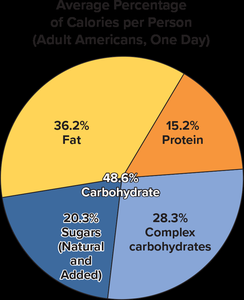
Summary Table: Average Daily Caloric Distribution
The average adult American's daily caloric intake is distributed as follows:
Carbohydrate: 48.6% (including 28.3% complex carbohydrates and 20.3% sugars)
Fat: 36.2%
Protein: 15.2%
