
Ch. 12 The Central Nervous System
Amerman- Human Anatomy & Physiology 3e
Amerman3rd EditionHuman Anatomy & PhysiologyISBN: 9780138247201, 9780138247928, 9780138201814Non è quello che usi tu?Cambia libro di testo
Capitolo 12, Problema 2a

Mark the following statements about the brain as true or false. If a statement is false, correct it to make a true statement.
Humans use only 10% of their brains.

Guida verificata passo dopo passo
1
Step 1: Understand the claim in the statement: The statement 'Humans use only 10% of their brains' is a common myth and needs to be evaluated based on scientific evidence.
Step 2: Recall the basic anatomy and physiology of the brain: The brain is a highly active organ, and modern neuroimaging techniques (like fMRI and PET scans) show that nearly all parts of the brain have some level of activity, even during rest.
Step 3: Consider the functional roles of different brain regions: Different areas of the brain are responsible for various functions, such as motor control, sensory processing, memory, emotions, and decision-making. These functions require the coordinated activity of multiple brain regions.
Step 4: Correct the false statement: The corrected statement should be 'Humans use virtually all parts of their brains, and different regions are active at different times depending on the task or activity.'
Step 5: Reflect on the importance of dispelling myths: Understanding the full utilization of the brain helps appreciate its complexity and the importance of maintaining brain health through proper nutrition, exercise, and mental stimulation.

Risposta video verificata per un problema simile:

Questa soluzione video è stata consigliata dai nostri tutor come utile per risolvere questo problema.

Concetti chiave

Ecco i concetti essenziali che devi comprendere per rispondere correttamente alla domanda.

Brain Utilization Myth

The idea that humans only use 10% of their brains is a myth. Neuroimaging studies show that virtually all parts of the brain have a known function and are active at different times, depending on the activity being performed. This misconception likely arose from misinterpretations of neurological research and has been perpetuated in popular culture.
Video consigliato:
3:10
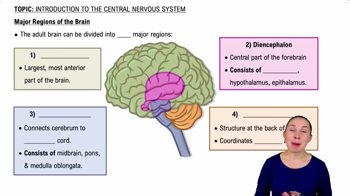
Major Regions of the Brain

Neuroplasticity

Neuroplasticity refers to the brain's ability to reorganize itself by forming new neural connections throughout life. This adaptability allows the brain to compensate for injury, learn new information, and adjust to new experiences. Understanding neuroplasticity is crucial for recognizing how the brain can be more dynamic than the 10% myth suggests.

Brain Functionality

Different regions of the brain are responsible for various functions, such as movement, sensation, emotion, and cognition. The brain operates as a complex network where all areas contribute to overall functioning, debunking the notion that only a small fraction is utilized. This understanding highlights the importance of the entire brain in daily activities and cognitive processes.
Video consigliato:
Percorso guidato
06:04
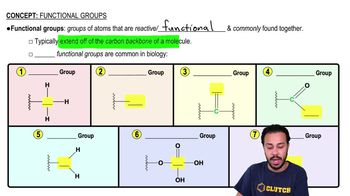
Functional Groups