
Complement proteins are crucial for stimulating phagocytes to clear immune complexes. Predict what type of hypersensitivity disorder might result from complement deficiencies. Explain what other consequences might arise from a complement deficiency.
Ch. 20 The Lymphatic System and Immunity
Amerman3rd EditionHuman Anatomy & PhysiologyISBN: 9780138247201, 9780138247928, 9780138201814Non è quello che usi tu?Cambia libro di testo
Capitolo 20, Problema L2.1a
Eileen presents with flu-like symptoms, including fever, chills, and body aches.
What part of the immune response is likely producing these symptoms?
Guida verificata passo dopo passo1
Understand that Eileen's symptoms (fever, chills, and body aches) are part of the body's innate immune response, which is the first line of defense against pathogens.
Recognize that fever is caused by pyrogens, which are substances released by immune cells (like macrophages) or pathogens that signal the hypothalamus to increase the body's temperature. This helps inhibit pathogen growth and enhances immune cell activity.
Identify that chills are often associated with the body's effort to raise its temperature during a fever. Muscle contractions (shivering) generate heat to support the elevated temperature set by the hypothalamus.
Explain that body aches are caused by the release of inflammatory mediators, such as cytokines (e.g., interleukins and tumor necrosis factor), which promote inflammation and recruit immune cells to the site of infection. These mediators can also affect nearby tissues, leading to discomfort and pain.
Conclude that these symptoms are part of the systemic inflammatory response, which is a coordinated effort by the innate immune system to fight off the infection and prevent its spread.

Risposta video verificata per un problema simile:
Questa soluzione video è stata consigliata dai nostri tutor come utile per risolvere questo problema.
Concetti chiave
Ecco i concetti essenziali che devi comprendere per rispondere correttamente alla domanda.
Innate Immune Response
The innate immune response is the body's first line of defense against pathogens. It includes physical barriers like skin and mucous membranes, as well as immune cells that respond quickly to infections. Symptoms such as fever and body aches are often a result of this response, as the body releases cytokines to signal inflammation and recruit immune cells to the site of infection.
Video consigliato:
Percorso guidato
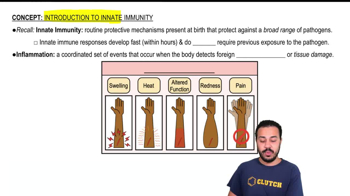
Innate Immunity
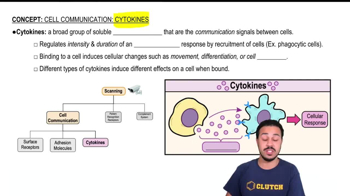
Cytokines
Cytokines are small proteins released by immune cells that play a crucial role in cell signaling during the immune response. They help regulate the intensity and duration of the immune response, and can induce fever, inflammation, and other systemic symptoms. In Eileen's case, cytokines are likely responsible for her flu-like symptoms as they mediate the body's reaction to infection.
Video consigliato:
Percorso guidato
Cytokines
Systemic Inflammatory Response
The systemic inflammatory response is a widespread reaction of the body to infection or injury, characterized by symptoms such as fever, chills, and malaise. This response is part of the innate immune system and aims to eliminate pathogens and promote healing. Eileen's flu-like symptoms indicate that her body is undergoing this response to combat the underlying infection.
Video consigliato:
Percorso guidato
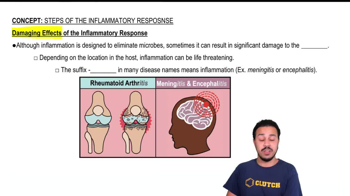
Damaging Effects of the Inflammatory Response
Pratica correlata
Domanda del libro di testo
648
views
Domanda del libro di testo
Eileen presents with flu-like symptoms, including fever, chills, and body aches.
You order blood work and find that the number of neutrophils in the blood is greatly elevated. What does this tell you about the likely type of pathogen involved? Explain.
1015
views
Domanda del libro di testo
Eileen presents with flu-like symptoms, including fever, chills, and body aches.
c. What might it mean if lymphocytes instead of neutrophils were elevated? Explain your reasoning.
227
views
Domanda del libro di testo
Terrence has severe asthma and allergies, and is placed on a medication that blocks the functioning of IgE. How would this medication alleviate his symptoms?
1055
views
