Domanda del libro di testo
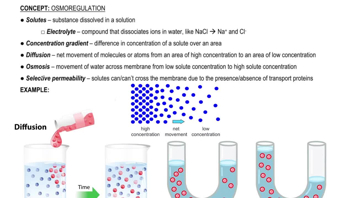
How does an electrolyte differ from a nonelectrolyte?
729
views

 Amerman 3rd EditionCh. 25 Fluid, Electrolyte, and Acid-Base HomeostasisProblema L2.1
 Guida verificata passo dopo passo
 3:42
3:42
 07:59
07:59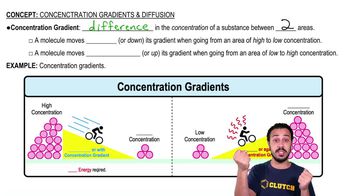 04:51
04:51How does an electrolyte differ from a nonelectrolyte?
A woman begins a diet and exercise regimen and loses 30 lb. Will her total body water increase, decrease, or stay the same? Why?
Explain how the amount of water in the body affects the concentration of ions and solutes in the ECF.
Diabetic ketoacidosis is characterized by an increased level of ketone bodies, which causes metabolic acidosis. A patient in diabetic ketoacidosis will have an altered rate of ventilation. Will the patient be hyperventilating or hypoventilating? How will a change in the rate and depth of ventilation compensate for an acidosis that is metabolic in nature?
List the effects of each of the following hormones on electrolyte balance. Note that some hormones affect more than one electrolyte.
a. Angiotensin-II
b. Aldosterone
c. Parathyroid hormone
d. Vitamin D
e. Atrial natriuretic peptide