
Ch. 26 The Reproductive System
Amerman- Human Anatomy & Physiology 3e
Amerman3rd EditionHuman Anatomy & PhysiologyISBN: 9780138247201, 9780138247928, 9780138201814Non è quello che usi tu?Cambia libro di testo
Capitolo 26, Problema L3.1

Mr. Hassan has recently started getting up during the night to urinate and has also noticed that he is having trouble emptying his bladder. He has made a doctor's appointment, but his wife has already told him that the doctor will want to check his prostate. Do you think his wife is correct? Explain your answer.

Guida verificata passo dopo passo
1
Step 1: Understand the symptoms described in the problem. Mr. Hassan is experiencing nocturia (frequent urination at night) and difficulty emptying his bladder. These symptoms are commonly associated with issues in the urinary system, particularly the prostate gland in males.
Step 2: Recall the anatomy of the male urinary system. The prostate gland is located just below the bladder and surrounds the urethra. If the prostate becomes enlarged, it can compress the urethra, leading to urinary symptoms such as difficulty emptying the bladder and frequent urination.
Step 3: Consider the condition known as benign prostatic hyperplasia (BPH). BPH is a common, non-cancerous enlargement of the prostate gland that occurs in older men. It can cause the symptoms Mr. Hassan is experiencing due to the obstruction of urine flow.
Step 4: Explain why the doctor would likely check the prostate. Given the symptoms and the anatomical relationship between the prostate and the urinary system, the doctor would likely perform a digital rectal exam (DRE) or order tests such as a prostate-specific antigen (PSA) test to assess the size and health of the prostate.
Step 5: Conclude that Mr. Hassan's wife is correct. The symptoms strongly suggest a potential issue with the prostate, and it is standard medical practice to evaluate the prostate in cases of urinary difficulties in men, especially as they age.

Risposta video verificata per un problema simile:

Questa soluzione video è stata consigliata dai nostri tutor come utile per risolvere questo problema.

Concetti chiave

Ecco i concetti essenziali che devi comprendere per rispondere correttamente alla domanda.

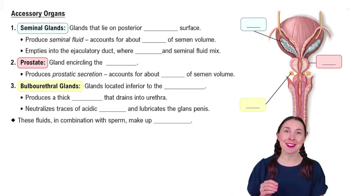
Prostate Health

The prostate is a small gland located below the bladder in men, responsible for producing seminal fluid. As men age, the prostate can enlarge, leading to conditions such as benign prostatic hyperplasia (BPH), which can cause urinary symptoms like increased frequency and difficulty in urination. Understanding prostate health is crucial in assessing Mr. Hassan's symptoms.
Video consigliato:
3:21
Accessory Organs

Urinary Symptoms

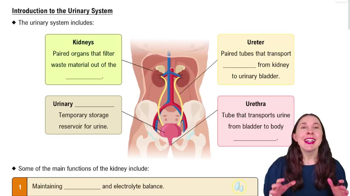
Urinary symptoms can include increased frequency of urination, urgency, nocturia (waking at night to urinate), and difficulty in starting or fully emptying the bladder. These symptoms can be indicative of various underlying conditions, including prostate issues, urinary tract infections, or bladder dysfunction. Recognizing these symptoms helps in diagnosing the potential causes.
Video consigliato:
2:57
The Urinary System

Diagnostic Procedures

When a patient presents with urinary symptoms, healthcare providers often conduct specific diagnostic procedures, including a digital rectal exam (DRE) to assess prostate size and condition. Additional tests may include blood tests for prostate-specific antigen (PSA) levels or imaging studies. Understanding these procedures is essential for anticipating what Mr. Hassan might experience during his doctor's visit.
Video consigliato:
02:19
Connective Tissue Proper: Loose Connective Tissue Example 2