Ch. 5 The Integumentary System
Amerman- Human Anatomy & Physiology 3e
Amerman3rd EditionHuman Anatomy & PhysiologyISBN: 9780138247201, 9780138247928, 9780138201814Non è quello che usi tu?Cambia libro di testo
Capitolo 5, Problema 11e

The pigment hemoglobin in red blood cells gives light-colored skin a pinkish hue when it binds large amounts of oxygen.

Guida verificata passo dopo passo
1
Understand the role of hemoglobin: Hemoglobin is a protein found in red blood cells that binds oxygen in the lungs and transports it to tissues throughout the body. It also contributes to the color of blood and, indirectly, the skin's appearance.
Recognize the relationship between oxygen and hemoglobin: When hemoglobin binds to oxygen, it forms oxyhemoglobin, which has a bright red color. This is why oxygen-rich blood appears brighter and contributes to the pinkish hue in light-colored skin.
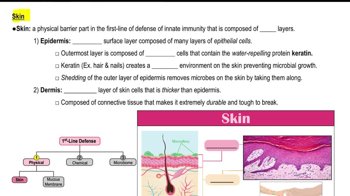
Consider the anatomy of skin: Light-colored skin has less melanin, which means the blood vessels in the dermis are more visible. The pinkish hue is due to the reflection of the color of oxygenated blood through the skin.
Understand the physiological process: When hemoglobin binds large amounts of oxygen, it enhances the oxygenation of tissues and increases the visibility of the bright red color of oxyhemoglobin through the skin.
Relate this to overall health: The pinkish hue in light-colored skin can be an indicator of good oxygenation and healthy circulation, as hemoglobin is effectively transporting oxygen throughout the body.

Risposta video verificata per un problema simile:

Questa soluzione video è stata consigliata dai nostri tutor come utile per risolvere questo problema.

Concetti chiave

Ecco i concetti essenziali che devi comprendere per rispondere correttamente alla domanda.

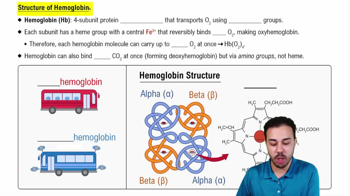
Hemoglobin

Hemoglobin is a protein found in red blood cells responsible for transporting oxygen from the lungs to the rest of the body. It contains iron, which binds to oxygen, allowing red blood cells to carry oxygen efficiently. The structure of hemoglobin enables it to change color based on its oxygen saturation, contributing to the pinkish hue observed in light-colored skin.
Video consigliato:
Percorso guidato
6:45
Structure of Hemoglobin

Oxygen Binding

Oxygen binding refers to the process by which oxygen molecules attach to hemoglobin in the lungs. This binding is crucial for oxygen transport, as it allows hemoglobin to carry oxygen through the bloodstream to tissues and organs. The amount of oxygen bound to hemoglobin can affect the color of blood and, consequently, the appearance of skin, particularly in individuals with lighter skin tones.
Video consigliato:
Percorso guidato
9:16
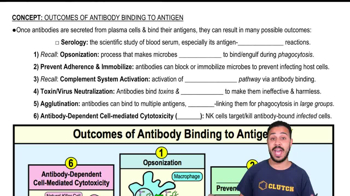
Outcomes of Antibody Binding to Antigen

Skin Pigmentation

Skin pigmentation is determined by the presence of melanin, a pigment produced by melanocytes in the skin. In individuals with light-colored skin, lower levels of melanin allow underlying blood vessels and hemoglobin to show through, resulting in a pinkish hue, especially when hemoglobin is oxygenated. This interaction between blood and skin pigmentation plays a significant role in the overall appearance of skin tone.
Video consigliato: