Ch. 19 The Cardiovascular System: Blood Vessels
Marieb - Human Anatomy & Physiology 11th Edition
Marieb, Hoehn11th EditionHuman Anatomy & PhysiologyISBN: 9780136874034Non è quello che usi tu?Cambia libro di testo
Capitolo 19, Problema 18

Physiologists often consider capillaries and postcapillary venules together.
a. What functions do these vessels share?
b. Structurally, how do they differ?

Guida verificata passo dopo passo
1
Step 1: Understand the shared functions of capillaries and postcapillary venules. Both types of vessels are involved in the exchange of substances between the blood and surrounding tissues, including nutrients, gases, and waste products. They also play a role in the regulation of blood flow and immune cell trafficking.
Step 2: Identify the specific functions related to permeability. Capillaries and postcapillary venules both allow for the passage of fluids and cells, but postcapillary venules are especially important sites for leukocyte (white blood cell) exit from the bloodstream during inflammation.
Step 3: Examine the structural features of capillaries. Capillaries are composed primarily of a single layer of endothelial cells with a thin basement membrane, which facilitates efficient exchange of materials.
Step 4: Compare the structure of postcapillary venules to capillaries. Postcapillary venules are slightly larger in diameter, have a similar endothelial lining, but also possess a more developed basement membrane and surrounding pericytes, which provide structural support.
Step 5: Summarize the key structural difference. While both vessels have endothelial linings, postcapillary venules have a structure that supports their role in leukocyte trafficking and fluid exchange, distinguishing them from the simpler capillary walls.

Risposta video verificata per un problema simile:

Questa soluzione video è stata consigliata dai nostri tutor come utile per risolvere questo problema.
Durata del video:
1m

Concetti chiave

Ecco i concetti essenziali che devi comprendere per rispondere correttamente alla domanda.

Functions of Capillaries and Postcapillary Venules

Both capillaries and postcapillary venules facilitate the exchange of gases, nutrients, and waste products between blood and tissues. They also play key roles in immune responses by allowing leukocyte migration and regulating fluid balance through filtration and reabsorption.
Video consigliato:
Percorso guidato
5:59
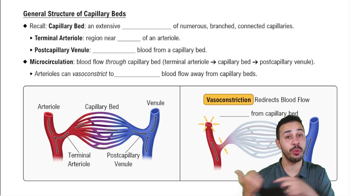
General Structure of Capillary Beds

Structural Characteristics of Capillaries

Capillaries are the smallest blood vessels with thin walls composed of a single layer of endothelial cells and a basement membrane. This minimal structure allows efficient exchange of substances but provides limited mechanical support.
Video consigliato:
Percorso guidato
6:52
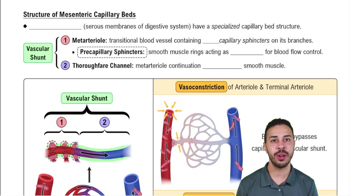
Structure of Mesenteric Capillary Beds

Structural Characteristics of Postcapillary Venules

Postcapillary venules are slightly larger than capillaries and have a thin endothelial lining with a discontinuous basement membrane. Unlike capillaries, they have pericytes and are more permeable, facilitating leukocyte passage during inflammation.
Video consigliato:
04:15
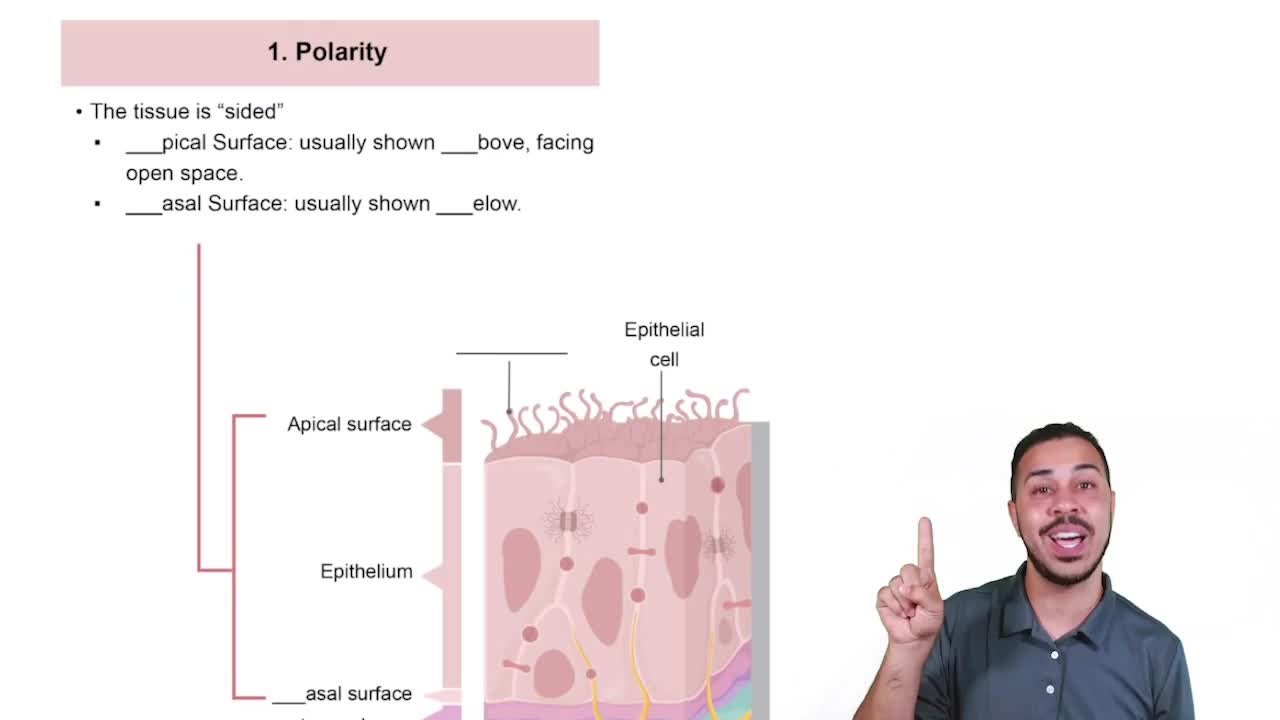
Characteristic 1: Polarity