Ch. 6 The Muscular System
Marieb - Essentials of Human Anatomy & Physiology 13th Edition
Marieb13th EditionEssentials of Human Anatomy & PhysiologyISBN: 9780135624340Non è quello che usi tu?Cambia libro di testo
Capitolo 6, Problema 13

Muscle tone keeps muscles healthy. What is muscle tone, and what causes it? What happens to a muscle that loses its tone?

Guida verificata passo dopo passo
1
Muscle tone refers to the continuous and passive partial contraction of muscles, even when they are not actively being used. It helps maintain posture and ensures muscles are ready for action.
Muscle tone is caused by the constant, low-level activation of motor units by the nervous system. Specifically, signals from the brain and spinal cord stimulate muscle fibers to maintain a state of readiness.
The nervous system achieves muscle tone through reflex arcs, which involve sensory input from muscle spindles (stretch receptors) and motor output to adjust muscle tension.
When a muscle loses its tone, it becomes flaccid, meaning it loses its firmness and readiness for contraction. This can occur due to nerve damage, lack of use, or certain medical conditions.
A flaccid muscle may atrophy over time, which means it will shrink and weaken due to the loss of stimulation and reduced protein synthesis within the muscle fibers.

Risposta video verificata per un problema simile:

Questa soluzione video è stata consigliata dai nostri tutor come utile per risolvere questo problema.
Durata del video:
1m

Concetti chiave

Ecco i concetti essenziali che devi comprendere per rispondere correttamente alla domanda.

Muscle Tone

Muscle tone refers to the continuous and passive partial contraction of the muscles, which helps maintain posture and readiness for action. It is a state of slight tension in the muscles, allowing them to respond quickly to stimuli. Muscle tone is essential for overall muscle health and function, as it contributes to stability and coordination.
Video consigliato:
2:00
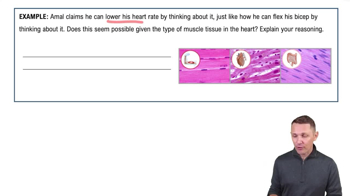
Introduction to Muscles and Muscle Tissue Example 1

Causes of Muscle Tone

Muscle tone is primarily influenced by the nervous system, particularly through the activity of motor neurons that stimulate muscle fibers. Factors such as physical activity, muscle use, and neurological health play significant roles in maintaining muscle tone. Regular exercise and movement enhance muscle tone by promoting muscle fiber engagement and neuromuscular efficiency.
Video consigliato:
2:00
Introduction to Muscles and Muscle Tissue Example 1

Effects of Loss of Muscle Tone

When a muscle loses its tone, it can lead to weakness, decreased stability, and impaired function. This condition, known as hypotonia, can result from inactivity, neurological disorders, or aging. Loss of muscle tone can also contribute to postural issues and increase the risk of injury, as the muscles are less prepared to support the body during movement.
Video consigliato:
Percorso guidato
1:32
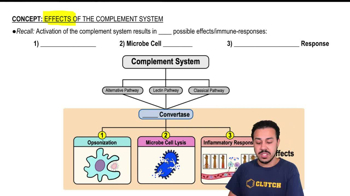
Effects of the Complement System