 Indietro
Cell Structure and Function: Prokaryotic and Eukaryotic Cells
Guida di studio - Note intelligenti
 Appunti personalizzati basati sui tuoi materiali, ampliati con definizioni chiave, esempi e contesto.
Cell Theory and the Origin of Cells
Pattern and Process of Cell Theory
The cell theory is a foundational concept in biology, describing both the pattern and process by which all living organisms are composed of cells and how new cells arise.
Pattern: All living things are composed of one or more cells, and the cell is the basic unit of life.
Process: New cells arise from preexisting cells through cellular division.
Historical context: Robert Hooke coined the term "cell" in 1665, and van Leeuwenhoek discovered bacteria and protozoa in the 1670s. Schleiden and Schwann unified these observations into cell theory in the 1830s.
Example: All cells on Earth can be traced back to a common ancestor, estimated to have existed about 3.5 billion years ago.
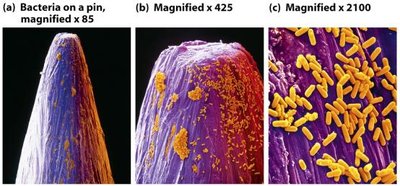
Implications of Cell Theory
All individuals in a population of single-celled organisms are related by common ancestry.
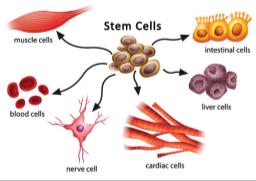
All cells in a multicellular organism are descended from preexisting cells, connecting them by common ancestry.
Structure determines function: The inherited structure of cells underlies the functions of organisms.
Types of Cells: Prokaryotic vs. Eukaryotic
Major Differences
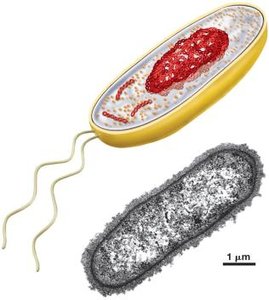
Prokaryotes: Lack a membrane-bound nucleus, have a simple structure, and are generally smaller (~1.0 μm in diameter).
Eukaryotes: Possess a membrane-bound nucleus, are larger, and contain extensive internal membranes organized into organelles.
Eukaryotic cells have a dynamic cytoskeleton and are typically more complex.
Example: Bacteria are prokaryotes, while plants, animals, fungi, and protists are eukaryotes.
Cellular Organization and Specialization
Unicellular organisms: All life processes occur within a single cell.
Colonial organisms: Clusters of physically connected, interdependent cells.
Tissues: Groups of similar cells functioning together as a unit.
Prokaryotic Cell Structure
Key Components
Cell wall: Provides protection and shape; composed of peptidoglycan in bacteria.
Plasma membrane: Selectively permeable barrier enclosing the cytoplasm.
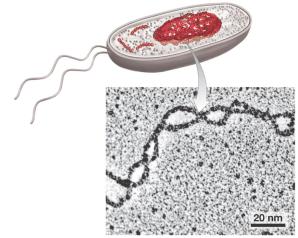
Nucleoid: Region containing the circular DNA chromosome (not membrane-bound).
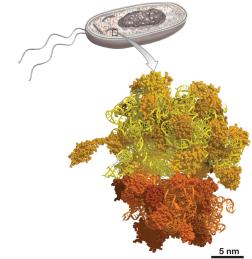
Ribosomes: Sites of protein synthesis, composed of RNA and protein.
Flagella: Tail-like structures for movement.
Cytoskeleton: Protein filaments providing shape and support.
Eukaryotic Cell Structure
Compartmentalization and Organelles
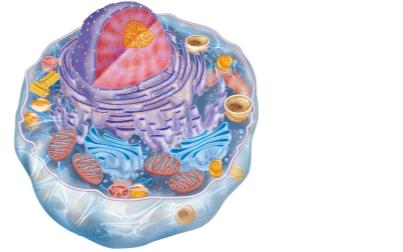
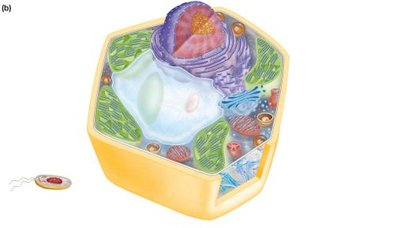
Eukaryotic cells are characterized by internal compartmentalization, which increases the efficiency of cellular processes by grouping enzymes and separating incompatible reactions.
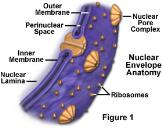
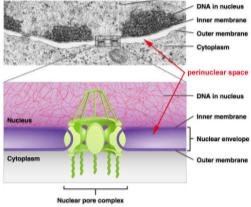
Nucleus: Stores genetic information in the form of chromatin (DNA + histone proteins), surrounded by a double membrane (nuclear envelope) with nuclear pores for molecular transport.
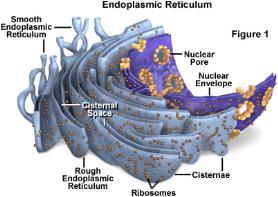
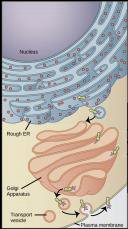
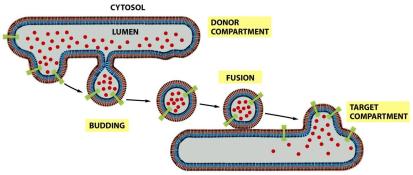
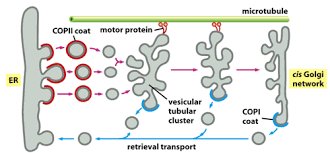
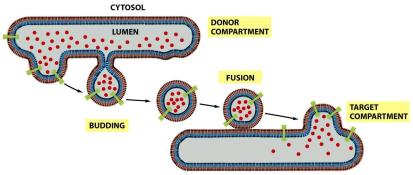
Endomembrane system: Includes the rough and smooth endoplasmic reticulum (ER), Golgi apparatus, vesicles, and lysosomes.
Other organelles: Mitochondria (ATP production), chloroplasts (photosynthesis in plants/algae), peroxisomes (oxidation reactions), and a dynamic cytoskeleton.
Nucleus
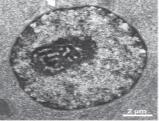
Function: DNA replication, RNA synthesis (transcription), and ribosome component production (nucleolus).
Structure: Double membrane (nuclear envelope), nuclear pores, chromatin, nucleolus.
Endomembrane System
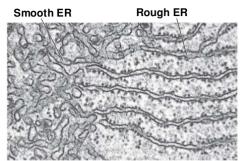
Rough ER (RER): Studded with ribosomes; site of protein synthesis and folding.
Smooth ER (SER): Lacks ribosomes; synthesizes lipids, metabolizes carbohydrates, detoxifies toxins, and regulates calcium.
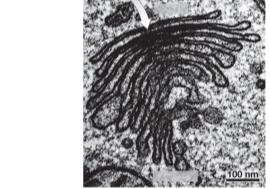
Golgi apparatus: Modifies, sorts, and packages proteins and lipids for delivery.
Vesicles: Transport materials between organelles and to/from the cell membrane.
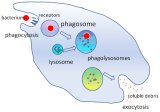
Lysosomes: Contain hydrolytic enzymes for digestion and recycling of cellular materials.
Protein and Lipid Modification
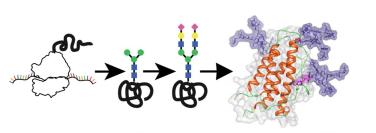
Glycosylation: Addition of sugars to proteins, affecting their structure and function.
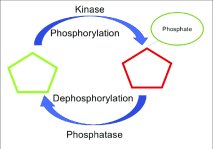
Phosphorylation: Addition of phosphate groups, regulating protein activity.
Mitochondria and Chloroplasts
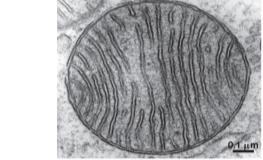
Mitochondria: Site of ATP production via cellular respiration; contains its own DNA and ribosomes.
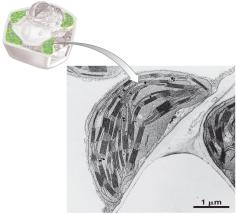
Chloroplasts: Site of photosynthesis in plants and algae; contains thylakoids, stroma, and its own DNA.
Peroxisomes
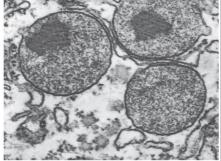
Single-membrane organelles involved in oxidation and reduction reactions, such as detoxification of hydrogen peroxide and breakdown of fatty acids.
Cytoskeleton
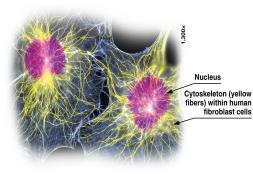
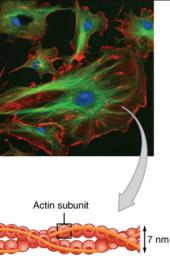
Microfilaments (Actin): Control cell shape, movement, and division.
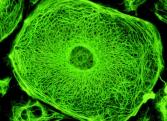
Intermediate filaments: Provide structural support and anchor organelles.
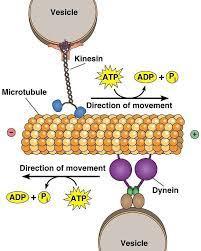
Microtubules: Involved in cell movement (cilia, flagella), chromosome movement during mitosis, and intracellular transport.
Summary Table: Prokaryotic vs. Eukaryotic Cells
Feature | Prokaryotic Cells | Eukaryotic Cells |
|---|---|---|
Nucleus | Absent | Present |
Size | ~1 μm | 10–100 μm |
Internal Membranes | Rare | Extensive (organelles) |
DNA Structure | Circular, single chromosome | Linear, multiple chromosomes |
Cell Wall | Usually present (peptidoglycan) | Present in plants/fungi (cellulose/chitin) |
Examples | Bacteria, Archaea | Plants, Animals, Fungi, Protists |
