Ch. 10 - Photosynthesis
Campbell - Campbell Biology 12th Edition
Urry12th EditionCampbell BiologyISBN: 9785794169850Non è quello che usi tu?Cambia libro di testo
Capitolo 10, Problema 6

In mechanism, photophosphorylation is most similar to
a. Substrate-level phosphorylation in glycolysis.
b. Oxidative phosphorylation in cellular respiration.
c. Carbon fixation.
d. Reduction of NADP+.

Guida verificata passo dopo passo
1
Understand the concept of photophosphorylation: Photophosphorylation is the process by which ATP is formed using the energy of sunlight during photosynthesis. It occurs in the chloroplasts of plant cells.
Compare photophosphorylation with substrate-level phosphorylation: Substrate-level phosphorylation occurs in glycolysis and involves the direct transfer of a phosphate group to ADP from a phosphorylated intermediate. This process does not involve an electron transport chain.
Compare photophosphorylation with oxidative phosphorylation: Oxidative phosphorylation occurs in cellular respiration within the mitochondria. It involves the electron transport chain and chemiosmosis, where ATP is synthesized using energy derived from the transfer of electrons through a series of complexes.
Consider the role of carbon fixation: Carbon fixation is part of the Calvin cycle in photosynthesis, where CO2 is converted into organic molecules. It does not directly involve the formation of ATP through an electron transport chain.
Evaluate the reduction of NADP+: The reduction of NADP+ to NADPH occurs during the light reactions of photosynthesis, but it is not directly involved in the phosphorylation of ADP to ATP.

Risposta video verificata per un problema simile:

Questa soluzione video è stata consigliata dai nostri tutor come utile per risolvere questo problema.
Durata del video:
49s

Concetti chiave

Ecco i concetti essenziali che devi comprendere per rispondere correttamente alla domanda.

Photophosphorylation

Photophosphorylation is the process by which ATP is formed using the energy of sunlight during photosynthesis. It occurs in the chloroplasts of plant cells, where light energy is captured by chlorophyll and used to drive the synthesis of ATP from ADP and inorganic phosphate. This process is crucial for converting solar energy into chemical energy.
Video consigliato:
10:11
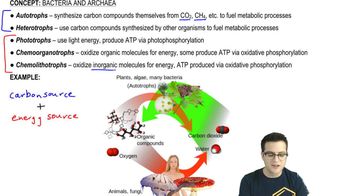
Prokaryote Metabolism

Oxidative Phosphorylation

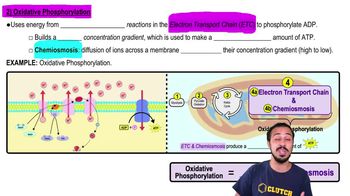
Oxidative phosphorylation is a metabolic pathway that uses energy released by the oxidation of nutrients to produce ATP. It occurs in the mitochondria during cellular respiration, where electrons are transferred through a series of complexes in the electron transport chain, ultimately reducing oxygen to water and driving the synthesis of ATP. This process is similar to photophosphorylation in its use of a proton gradient to generate ATP.
Video consigliato:
06:27
Oxidative Phosphorylation

Electron Transport Chain

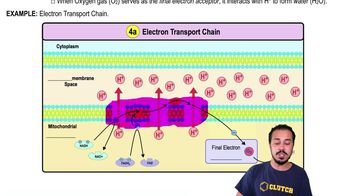
The electron transport chain is a series of protein complexes located in the inner mitochondrial membrane (or thylakoid membrane in chloroplasts) that transfer electrons from electron donors to electron acceptors via redox reactions. This transfer of electrons is coupled with the pumping of protons across the membrane, creating a proton gradient that drives ATP synthesis. Both photophosphorylation and oxidative phosphorylation rely on this mechanism to produce ATP.
Video consigliato:
07:41
Electron Transport Chain