Ch. 27 - Bacteria and Archaea
Campbell - Campbell Biology 12th Edition
Urry12th EditionCampbell BiologyISBN: 9785794169850Non è quello che usi tu?Cambia libro di testo
Capitolo 27, Problema 6

Plantlike photosynthesis that releases O2 occurs in
a. Cyanobacteria
b. Archaea
c. Gram-positive bacteria
d. Chemoautotrophic bacteria

Guida verificata passo dopo passo
1
Understand the process of photosynthesis: Photosynthesis is the process by which green plants, algae, and certain bacteria convert light energy into chemical energy, producing oxygen (O2) as a byproduct.
Identify the organisms capable of photosynthesis: Among the options given, cyanobacteria are known for their ability to perform plantlike photosynthesis, releasing oxygen.
Differentiate between the types of bacteria: Cyanobacteria are a type of bacteria that contain chlorophyll and perform photosynthesis similar to plants. Archaea, gram-positive bacteria, and chemoautotrophic bacteria do not perform photosynthesis that releases oxygen.
Recognize the role of cyanobacteria: Cyanobacteria are often referred to as blue-green algae and are significant contributors to oxygen production in aquatic environments.
Conclude which organism performs plantlike photosynthesis: Based on the characteristics of cyanobacteria, they are the correct answer for the organism that performs plantlike photosynthesis releasing O2.

Risposta video verificata per un problema simile:

Questa soluzione video è stata consigliata dai nostri tutor come utile per risolvere questo problema.
Durata del video:
1m

Concetti chiave

Ecco i concetti essenziali che devi comprendere per rispondere correttamente alla domanda.

Photosynthesis

Photosynthesis is the process by which green plants, algae, and some bacteria convert light energy into chemical energy, producing oxygen as a byproduct. It involves the absorption of light by chlorophyll and the conversion of carbon dioxide and water into glucose and oxygen. This process is crucial for the survival of most life forms on Earth as it provides oxygen and organic compounds.
Video consigliato:
05:58
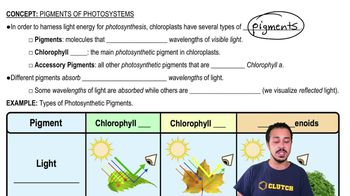
Pigments of Photosynthesis

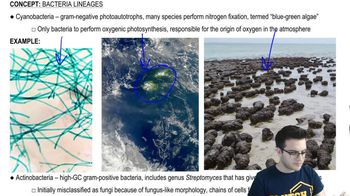
Cyanobacteria

Cyanobacteria, also known as blue-green algae, are a group of photosynthetic bacteria that perform plantlike photosynthesis, releasing oxygen. They are significant contributors to the Earth's oxygen supply and are found in diverse environments, from oceans to freshwater systems. Cyanobacteria possess chlorophyll and use sunlight to convert carbon dioxide and water into glucose and oxygen, similar to plants.
Video consigliato:
05:13
Prokaryote Lineages 2

Chemoautotrophic Bacteria

Chemoautotrophic bacteria obtain energy by oxidizing inorganic substances, such as hydrogen sulfide or ammonia, rather than through photosynthesis. They do not release oxygen as a byproduct because their energy conversion process does not involve the splitting of water molecules. These bacteria play a vital role in nutrient cycling, particularly in environments where sunlight is scarce, such as deep-sea vents.
Video consigliato:
04:46
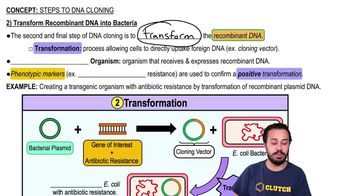
2) Transform Recombinant DNA into Bacteria