Ch.19 Enzymes and Vitamins
McMurry - Fundamentals of General, Organic, and Biological Chemistry 8th Edition
McMurry8th EditionFundamentals of General, Organic, and Biological ChemistryISBN: 9780134015187Non è quello che usi tu?Cambia libro di testo
Capitolo 19, Problema 21

Vitamins are a diverse group of compounds that must be present in the diet. List four functions of vitamins in the body.

Guida verificata passo dopo passo
1
Vitamins act as coenzymes or cofactors, which are molecules that assist enzymes in catalyzing biochemical reactions. For example, vitamin B-complex vitamins are essential for energy metabolism.
Vitamins play a role in maintaining healthy vision, skin, and immune function. For instance, vitamin A is crucial for vision and immune system support.
Vitamins are involved in the synthesis and repair of tissues. For example, vitamin C is necessary for the production of collagen, a protein that helps maintain the structure of skin, blood vessels, and connective tissues.
Vitamins help protect the body from oxidative damage. For instance, vitamins like vitamin E and vitamin C act as antioxidants, neutralizing free radicals that can damage cells and tissues.

Risposta video verificata per un problema simile:

Questa soluzione video è stata consigliata dai nostri tutor come utile per risolvere questo problema.
Durata del video:
1m

Concetti chiave

Ecco i concetti essenziali che devi comprendere per rispondere correttamente alla domanda.

Essential Nutrients

Vitamins are classified as essential nutrients, meaning they are necessary for various bodily functions but cannot be synthesized in sufficient quantities by the body. They must be obtained through diet, highlighting their importance in maintaining health and preventing deficiencies.
Video consigliato:
Percorso guidato
1:09
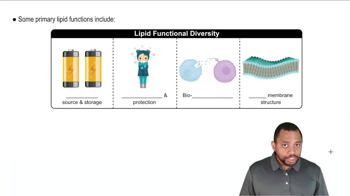
Intro to Lipids Concept 2

Biochemical Functions

Vitamins play critical roles in biochemical processes, including acting as coenzymes or precursors for enzyme function. For example, B vitamins are vital for energy metabolism, while vitamin K is essential for blood clotting, illustrating their diverse roles in maintaining physiological balance.
Video consigliato:
Percorso guidato
1:08
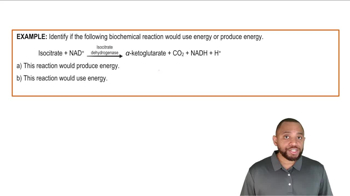
Energy Production In Biochemical Pathways Example 1

Antioxidant Properties

Certain vitamins, such as vitamins C and E, function as antioxidants, protecting the body from oxidative stress caused by free radicals. This protective role is crucial for reducing the risk of chronic diseases and supporting overall cellular health.
Video consigliato:
Percorso guidato
02:11
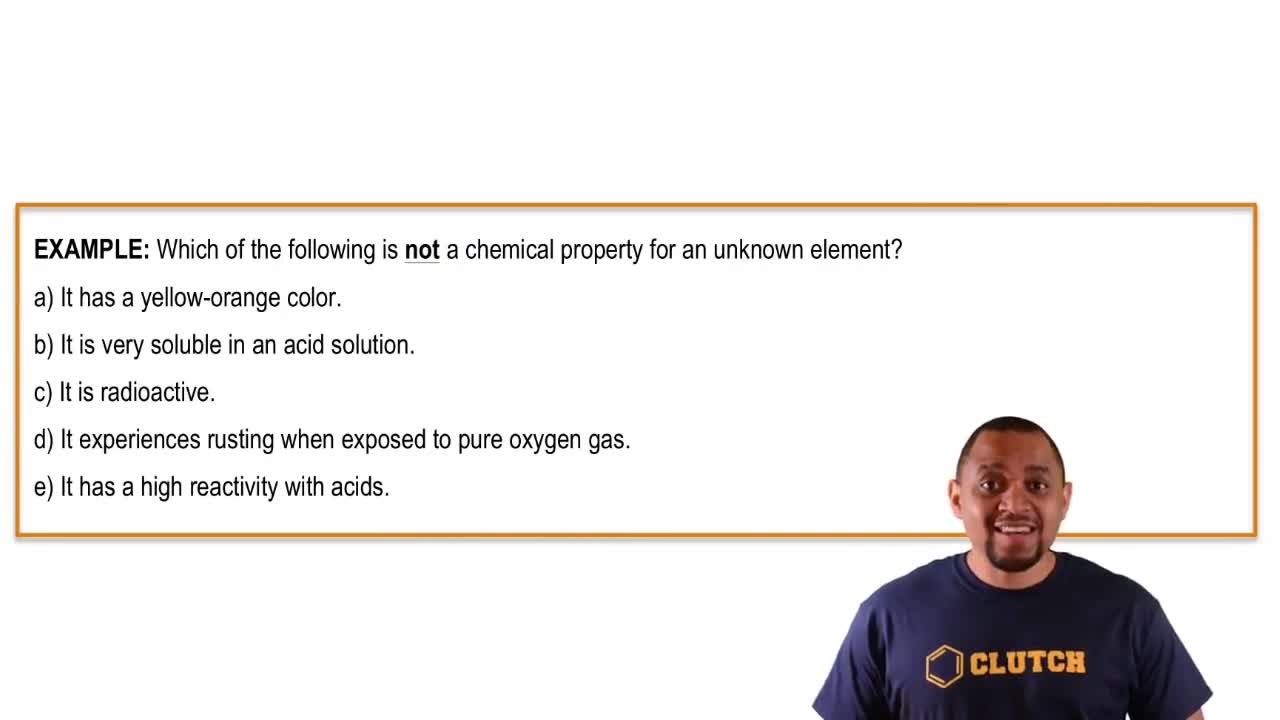
Chemical Properties Example 1