Ch.18 Metabolic Pathways and ATP Production
Timberlake - Chemistry: An Introduction to General, Organic, and Biological Chemistry 13th Edition
Timberlake13th EditionChemistry: An Introduction to General, Organic, and Biological ChemistryISBN: 9780134421353Non è quello che usi tu?Cambia libro di testo
Capitolo 18, Problema 97a

Which of the following molecules will produce the most ATP per mole?
a. glucose or maltose

Guida verificata passo dopo passo
1
Step 1: Understand the context of ATP production. ATP (adenosine triphosphate) is the primary energy currency in cells. It is produced during cellular respiration, which involves the breakdown of carbohydrates like glucose and maltose.
Step 2: Analyze the molecular structure of glucose and maltose. Glucose is a monosaccharide (C₆H₁₂O₆), while maltose is a disaccharide composed of two glucose units (C₁₂H₂₂O₁₁).
Step 3: Recognize that maltose, being a disaccharide, can be hydrolyzed into two glucose molecules during digestion. Each glucose molecule can then enter glycolysis and subsequent metabolic pathways to produce ATP.
Step 4: Compare the ATP yield. Since maltose consists of two glucose molecules, it has the potential to produce twice as much ATP as a single glucose molecule when fully metabolized.
Step 5: Conclude that maltose will produce more ATP per mole than glucose because it provides two glucose molecules for metabolism, effectively doubling the ATP yield compared to a single glucose molecule.

Risposta video verificata per un problema simile:

Questa soluzione video è stata consigliata dai nostri tutor come utile per risolvere questo problema.
Durata del video:
3m

Concetti chiave

Ecco i concetti essenziali che devi comprendere per rispondere correttamente alla domanda.

Cellular Respiration

Cellular respiration is the metabolic process by which cells convert nutrients into energy, specifically ATP. It involves glycolysis, the Krebs cycle, and oxidative phosphorylation. Understanding this process is crucial for determining how different molecules, like glucose and maltose, are broken down to produce ATP.
Video consigliato:
Percorso guidato
1:47
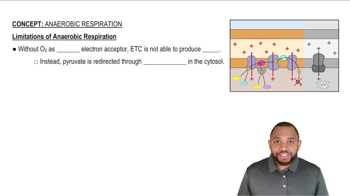
Anaerobic Respiration Concept 1

ATP Yield from Carbohydrates

Different carbohydrates yield varying amounts of ATP upon metabolism. For instance, glucose typically produces about 30-32 ATP molecules per mole, while maltose, being a disaccharide, is broken down into two glucose units, potentially yielding a similar amount. This concept is essential for comparing the energy output of these molecules.
Video consigliato:

Molecular Structure and Energy Content

The molecular structure of carbohydrates affects their energy content and how efficiently they can be metabolized. Glucose, a monosaccharide, is more readily utilized in cellular respiration compared to maltose, which requires additional enzymatic steps for breakdown. This structural difference plays a significant role in ATP production.
Video consigliato:
Percorso guidato
01:26
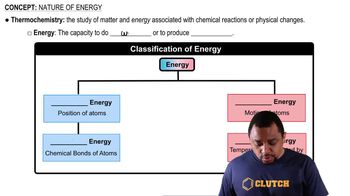
Nature of Energy