Ch. 12 - Characterizing and Classifying Eukaryotes
Bauman - Microbiology with Diseases by Taxonomy 6th Edition
Bauman6th EditionMicrobiology with Diseases by TaxonomyISBN: 9780134832302Non è quello che usi tu?Cambia libro di testo
Capitolo 12, Problema 6

Why are relatively large animals such as parasitic worms studied in microbiology?

Guida verificata passo dopo passo
1
Understand the scope of microbiology, which traditionally focuses on microorganisms such as bacteria, viruses, fungi, and protozoa, but also includes the study of microscopic stages of larger organisms.
Recognize that parasitic worms, although large enough to be seen with the naked eye, have life cycle stages (like eggs and larvae) that are microscopic and relevant to microbiology.
Consider that parasitic worms cause diseases in humans and animals, making their study important for understanding infection mechanisms, diagnosis, and treatment within microbiology.
Acknowledge that microbiology encompasses the study of all pathogens, including helminths (parasitic worms), because they interact with microorganisms and the host's immune system.
Conclude that parasitic worms are studied in microbiology due to their medical importance, microscopic life stages, and their role in infectious disease processes.

Risposta video verificata per un problema simile:

Questa soluzione video è stata consigliata dai nostri tutor come utile per risolvere questo problema.
Durata del video:
2m

Concetti chiave

Ecco i concetti essenziali che devi comprendere per rispondere correttamente alla domanda.

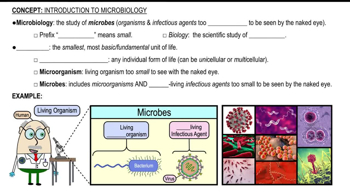
Scope of Microbiology

Microbiology studies microorganisms, including bacteria, viruses, fungi, and some parasites. Although parasitic worms are multicellular and larger, they are studied in microbiology because they interact with microbes and cause infectious diseases, bridging the gap between microbiology and parasitology.
Video consigliato:
07:27
Introduction to Microbiology

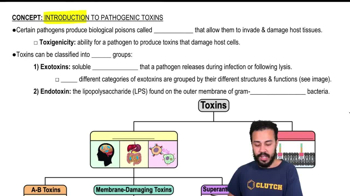
Parasitic Worms as Pathogens

Parasitic worms, or helminths, are important pathogens that infect humans and animals, causing diseases like schistosomiasis and filariasis. Understanding their biology, life cycle, and interaction with the host immune system is crucial for disease control and treatment.
Video consigliato:
03:40
Introduction to Pathogenic Toxins

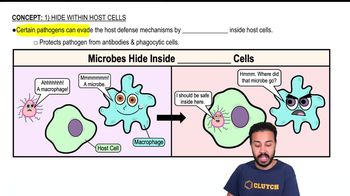
Host-Microbe Interactions

Studying parasitic worms in microbiology helps reveal complex host-microbe interactions, including immune responses and co-infections with microorganisms. This knowledge aids in comprehending disease mechanisms and developing integrated therapeutic strategies.
Video consigliato:
01:50
Hide Within Host Cells