
Ch. 14 - Infection, Infectious Diseases, and Epidemiology
Bauman - Microbiology with Diseases by Taxonomy 6th Edition
Bauman6th EditionMicrobiology with Diseases by TaxonomyISBN: 9780134832302Non è quello che usi tu?Cambia libro di testo
Capitolo 14, Problema 6

Describe three modes of disease transmission.

Guida verificata passo dopo passo
1
Identify the three main modes of disease transmission: direct contact, indirect contact, and vector-borne transmission.
Explain direct contact transmission as the spread of pathogens through physical contact between an infected individual and a susceptible host, such as touching, kissing, or sexual contact.
Describe indirect contact transmission, which involves the transfer of pathogens via a contaminated intermediate object or surface (fomite), or through airborne droplets expelled by coughing or sneezing.
Define vector-borne transmission as the spread of disease through living organisms (vectors) like mosquitoes, ticks, or fleas that carry pathogens from one host to another.
Summarize by highlighting how understanding these modes helps in implementing effective prevention and control measures in public health.

Risposta video verificata per un problema simile:

Questa soluzione video è stata consigliata dai nostri tutor come utile per risolvere questo problema.
Durata del video:
3m

Concetti chiave

Ecco i concetti essenziali che devi comprendere per rispondere correttamente alla domanda.

Direct Transmission

Direct transmission occurs when infectious agents are transferred directly from an infected individual to a susceptible host through physical contact, such as touching, kissing, or sexual intercourse. This mode allows pathogens to bypass environmental exposure, leading to immediate infection.
Video consigliato:
03:28
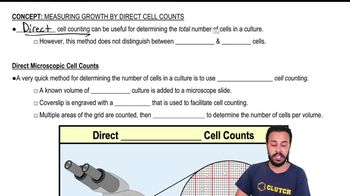
Direct Microscopic Cell Counts

Indirect Transmission

Indirect transmission involves the transfer of pathogens via an intermediate object or organism, such as contaminated surfaces (fomites), food, water, or vectors like mosquitoes. This mode requires the pathogen to survive outside the host before infecting a new individual.
Video consigliato:
04:23
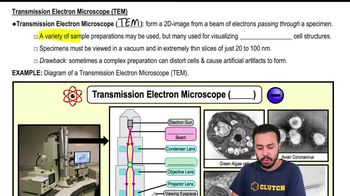
Transmission Electron Microscope (TEM)

Airborne Transmission

Airborne transmission happens when infectious agents are carried by dust or droplets suspended in the air, allowing them to be inhaled by a susceptible host. This mode can spread diseases over longer distances and does not require direct contact between individuals.
Video consigliato:
04:23
Transmission Electron Microscope (TEM)