Ch. 17 - Immunization and Immune Testing
Bauman - Microbiology with Diseases by Taxonomy 6th Edition
Bauman6th EditionMicrobiology with Diseases by TaxonomyISBN: 9780134832302Non è quello che usi tu?Cambia libro di testo
Capitolo 17, Problema 3

Compare the advantages and disadvantages of passive immunotherapy and active immunization.

Guida verificata passo dopo passo
1
Step 1: Define both terms clearly. Active immunization involves stimulating the body's own immune system to produce an immune response, typically through vaccination. Passive immunotherapy involves the direct transfer of antibodies from an external source to an individual, providing immediate but temporary protection.
Step 2: List the advantages of active immunization. These include long-lasting immunity due to memory cell formation, the ability to prevent disease before exposure, and often broader protection through the activation of both humoral and cellular immunity.
Step 3: List the disadvantages of active immunization. These can include the time delay before immunity develops, the need for multiple doses or boosters, and potential side effects related to the immune response.
Step 4: List the advantages of passive immunotherapy. These include immediate protection, usefulness in individuals who cannot mount an immune response (e.g., immunocompromised patients), and effectiveness in post-exposure situations.
Step 5: List the disadvantages of passive immunotherapy. These include the temporary nature of protection since no memory cells are formed, potential allergic reactions to foreign antibodies, and the lack of long-term immunity.

Risposta video verificata per un problema simile:

Questa soluzione video è stata consigliata dai nostri tutor come utile per risolvere questo problema.
Durata del video:
3m

Concetti chiave

Ecco i concetti essenziali che devi comprendere per rispondere correttamente alla domanda.

Passive Immunotherapy

Passive immunotherapy involves the direct transfer of pre-formed antibodies to an individual, providing immediate but temporary protection against pathogens. It is useful in emergencies or for individuals with weakened immune systems but does not induce long-lasting immunity or memory.
Video consigliato:
05:05
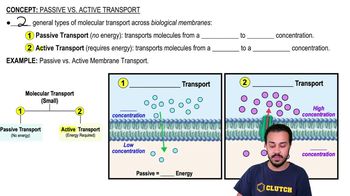
Passive vs. Active Transport

Active Immunization

Active immunization stimulates the body's own immune system to produce a specific response, including memory cells, by exposure to an antigen through vaccines. This leads to long-term protection but requires time to develop immunity and may need booster doses.
Video consigliato:
02:37
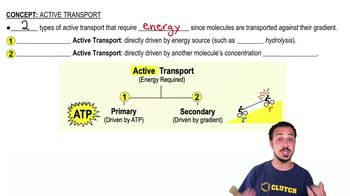
Active Transport

Advantages and Disadvantages Comparison

Understanding the pros and cons of both methods is essential: passive immunotherapy offers rapid protection but short duration, while active immunization provides lasting immunity but with delayed onset. Factors like urgency, immune status, and disease type influence the choice between them.
Video consigliato:
04:19
Moist Heat