
Ch. 18 - Immune Disorders
Bauman - Microbiology with Diseases by Taxonomy 6th Edition
Bauman6th EditionMicrobiology with Diseases by TaxonomyISBN: 9780134832302Non è quello che usi tu?Cambia libro di testo
Capitolo 18, Problema 7

When a surgeon conducts a cardiac bypass operation by transplanting a piece of vein from a patient’s leg to the same patient’s heart, this is a(n):
a. Rejected graft
b. Autograft
c. Allograft
d. Type IV hypersensitivity
e. Cardiograft

Guida verificata passo dopo passo
1
Understand the definitions of the key terms related to grafts and transplants in microbiology and immunology:
An autograft is a transplant of tissue from one part of the body to another part of the same individual.
An allograft is a transplant between two genetically different individuals of the same species.
A rejected graft refers to a transplant that the recipient's immune system attacks and fails to accept.
Since the vein is taken from the patient's own leg and transplanted to their heart, this fits the definition of an autograft.

Risposta video verificata per un problema simile:

Questa soluzione video è stata consigliata dai nostri tutor come utile per risolvere questo problema.
Durata del video:
2m

Concetti chiave

Ecco i concetti essenziali che devi comprendere per rispondere correttamente alla domanda.

Autograft

An autograft is a surgical graft of tissue taken from one part of a patient's body and transplanted to another part of the same individual. Since the tissue originates from the same person, the risk of immune rejection is minimal, making it ideal for procedures like cardiac bypass using the patient's own vein.

Allograft

An allograft involves transplanting tissue between two genetically different individuals of the same species. Unlike autografts, allografts carry a higher risk of immune rejection because the recipient's immune system recognizes the graft as foreign and may attack it.

Immune Rejection in Transplantation

Immune rejection occurs when the recipient's immune system identifies transplanted tissue as foreign and mounts an attack against it. This process can involve various hypersensitivity reactions, but autografts typically avoid rejection due to genetic identity, unlike allografts or xenografts.
Video consigliato:
03:19
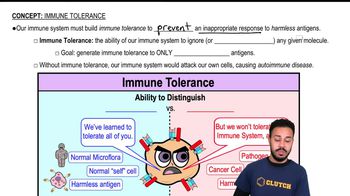
Immune Tolerance