Ch. 19 - Pathogenic Gram-Positive Bacteria
Bauman - Microbiology with Diseases by Taxonomy 6th Edition
Bauman6th EditionMicrobiology with Diseases by TaxonomyISBN: 9780134832302Non è quello che usi tu?Cambia libro di testo
Capitolo 19, Problema 4

A bacterium associated with bacteremia, meningitis, and pneumonia in newborns is
a. Staphylococcus aureus
b. Staphylococcus epidermidis
c. Streptococcus pyogenes
d. Streptococcus agalactiae

Guida verificata passo dopo passo
1
Step 1: Understand the clinical conditions mentioned: bacteremia (presence of bacteria in the blood), meningitis (inflammation of the membranes around the brain and spinal cord), and pneumonia (lung infection). These are serious infections, especially in newborns.
Step 2: Review the characteristics and common diseases caused by each bacterium listed: Staphylococcus aureus is often associated with skin infections and sometimes pneumonia; Staphylococcus epidermidis is usually a skin commensal and opportunistic pathogen; Streptococcus pyogenes is known for causing pharyngitis and skin infections; Streptococcus agalactiae (Group B Streptococcus) is a well-known cause of neonatal infections including bacteremia, meningitis, and pneumonia.
Step 3: Recall that Group B Streptococcus (Streptococcus agalactiae) is the primary pathogen linked to serious infections in newborns, often transmitted from mother to infant during birth.
Step 4: Compare the options with the clinical context: since the question focuses on newborn infections involving bacteremia, meningitis, and pneumonia, the bacterium most commonly associated with these in newborns is Streptococcus agalactiae.
Step 5: Conclude that the correct answer is the bacterium known for neonatal infections, which is Streptococcus agalactiae.

Risposta video verificata per un problema simile:

Questa soluzione video è stata consigliata dai nostri tutor come utile per risolvere questo problema.
Durata del video:
4m

Concetti chiave

Ecco i concetti essenziali che devi comprendere per rispondere correttamente alla domanda.

Neonatal Infections

Neonatal infections are diseases occurring in newborns, often caused by bacteria transmitted during birth or shortly after. Common infections include bacteremia, meningitis, and pneumonia, which can be life-threatening and require prompt diagnosis and treatment.
Video consigliato:
03:52
Map of Lesson on Bacteriophage Infections

Streptococcus agalactiae (Group B Streptococcus)

Streptococcus agalactiae, or Group B Streptococcus, is a leading cause of serious infections in newborns, including bacteremia, meningitis, and pneumonia. It colonizes the maternal genital tract and can be transmitted to infants during delivery.
Video consigliato:
02:00
Functional Groups Example 1

Differentiation of Bacterial Pathogens

Identifying the specific bacterial species responsible for infections is crucial for treatment. Staphylococcus aureus, Staphylococcus epidermidis, Streptococcus pyogenes, and Streptococcus agalactiae differ in their pathogenicity, typical infection sites, and clinical significance, especially in neonates.
Video consigliato:
04:07
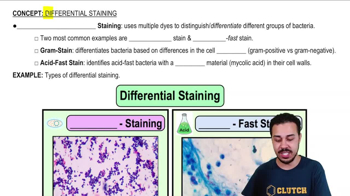
Differential Staining