Ch. 26 - Microbial Diseases of the Urinary and Reproductive Systems
Tortora - Microbiology: An Introduction 14th Edition
Tortora14th EditionMicrobiology: An IntroductionISBN: 9780138200398Non è quello che usi tu?Cambia libro di testo
Capitolo 22, Problema 8

Frothy, fishy discharge
a. candidiasis
b. bacterial vaginosis
c. genital herpes
d. lymphogranuloma venereum
e. trichomoniasis

Guida verificata passo dopo passo
1
Step 1: Identify the key symptom described in the problem, which is a 'frothy, fishy discharge.' This symptom is characteristic and helps narrow down the possible causes.
Step 2: Review the common clinical presentations of each listed condition: candidiasis, bacterial vaginosis, genital herpes, lymphogranuloma venereum, and trichomoniasis.
Step 3: Recall that candidiasis typically causes a thick, white, 'cottage cheese-like' discharge without a fishy odor.
Step 4: Understand that bacterial vaginosis is associated with a thin, grayish discharge and a fishy odor, but it is not usually frothy.
Step 5: Recognize that trichomoniasis often presents with a frothy, yellow-green discharge that has a fishy smell, making it the most likely diagnosis based on the symptom.

Risposta video verificata per un problema simile:

Questa soluzione video è stata consigliata dai nostri tutor come utile per risolvere questo problema.
Durata del video:
1m

Concetti chiave

Ecco i concetti essenziali che devi comprendere per rispondere correttamente alla domanda.

Clinical Presentation of Vaginal Infections

Understanding the symptoms and signs of vaginal infections is crucial for diagnosis. Frothy, fishy-smelling discharge is a distinctive symptom that helps differentiate between infections like candidiasis, bacterial vaginosis, and trichomoniasis. Recognizing these clinical features guides appropriate treatment.
Video consigliato:
3:43
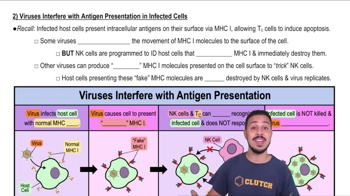
2) Viruses Interfere with Antigen Presentation in Infected Cells

Etiology and Microbiology of Trichomoniasis

Trichomoniasis is caused by the protozoan parasite Trichomonas vaginalis. It typically presents with frothy, greenish discharge and a characteristic fishy odor. Knowing the causative agent and its features helps distinguish it from bacterial or viral infections.
Video consigliato:
07:27
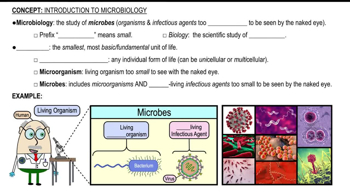
Introduction to Microbiology

Differential Diagnosis of Vaginal Discharges

Differentiating between candidiasis, bacterial vaginosis, genital herpes, lymphogranuloma venereum, and trichomoniasis requires knowledge of their unique symptoms, causative organisms, and discharge characteristics. This ensures accurate diagnosis and effective treatment.
Video consigliato:
04:07
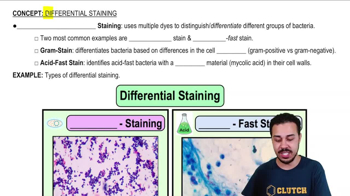
Differential Staining