Indietro

Isomers and Chirality: The Arrangement of Atoms in Space

Guida di studio - Impara con i video

Lezioni curate abbinate al materiale che hai caricato – impara ogni argomento passo dopo passo.

Types of Isomers

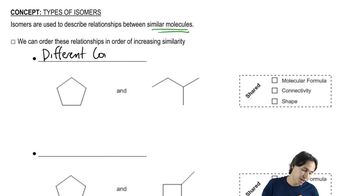
  • Determining when molecules are conformers.
    01:39
  • Determining when molecules are different.
    03:51
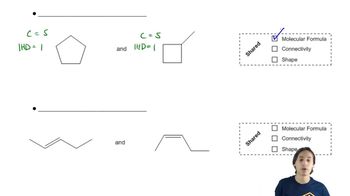
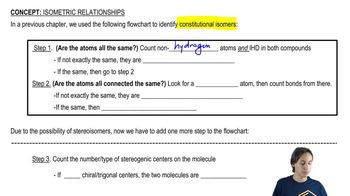
  • Determining when molecules are constitutional isomers.
    01:33

Chirality

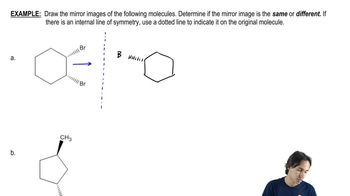
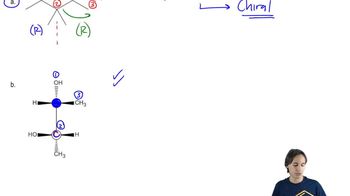
  • Drawing Mirror Images and Determining Chirality
    03:24
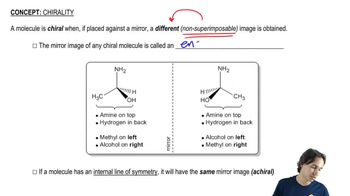
  • What is chirality?
    05:10
  • Drawing Mirror Images and Determining Chirality
    03:44

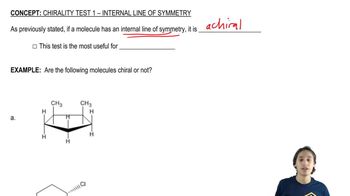
Chirality Test 1 - Internal Line of Symmetry

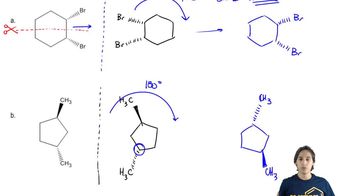
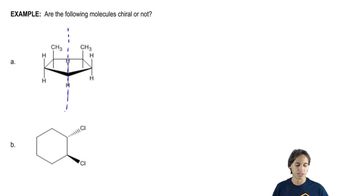
  • Determining Chirality with Plane of Symmetry
    00:25
  • Determining Chirality with Plane of Symmetry
    01:10
  • How and when to use the internal line of symmetry test.
    01:25

Chirality Test 2 - Stereocenters

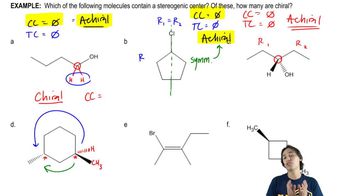
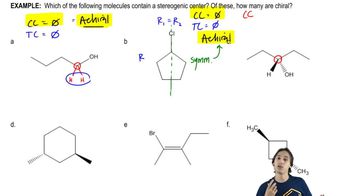
  • Determining Chirality using Stereocenter
    02:25
  • Determining Chirality using Stereocenter
    00:36
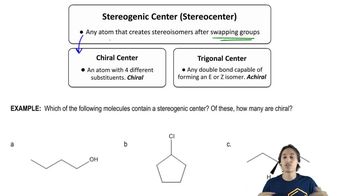
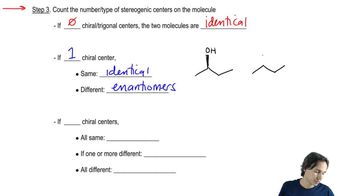
  • The difference between chiral and trigonal centers.
    02:38

Cahn-Ingold-Prelog Nomenclature

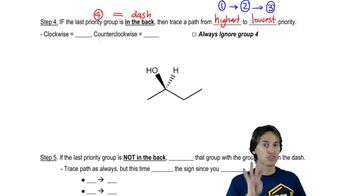
  • R and S Naming- Step 4
    03:07
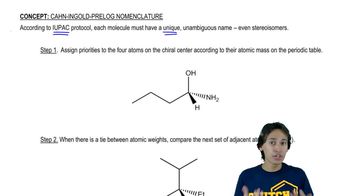
  • Why stereoisomers need their own naming system.
    01:48
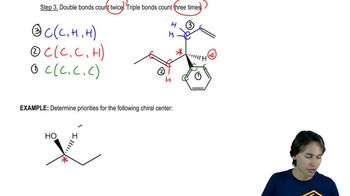
  • Determining Priorities
    01:19

Types of Stereoisomers

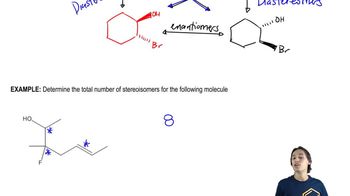
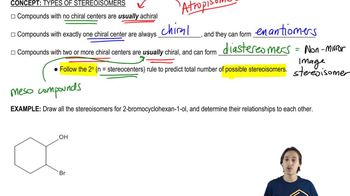
  • Determine total number of stereoisomers
    00:49
  • How to predict the total number of stereoisomers.
    01:03
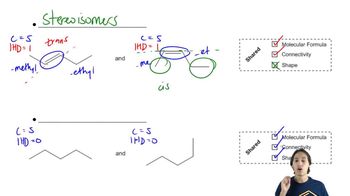
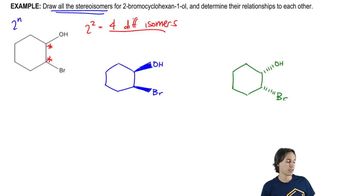
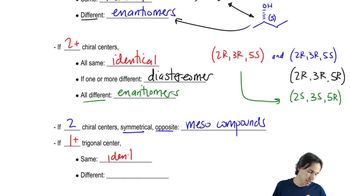
  • Draw stereoisomers and determine relationship
    07:41

Meso Compounds

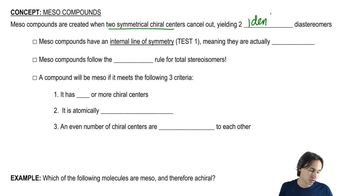
  • Defining meso compounds.
    01:40
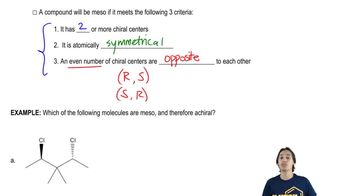
  • The 3 rules of meso compounds.
    04:10
  • Which of the following molecules are meso?
    03:44

Chirality Test 3 - Disubstituted Cycloalkanes Shortcuts

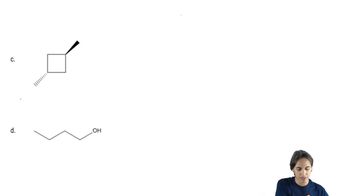
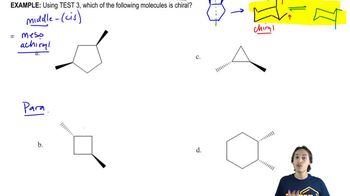
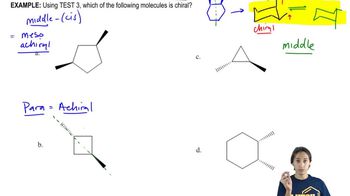
  • Is the following disubstituted cyclobutane chiral?
    00:35
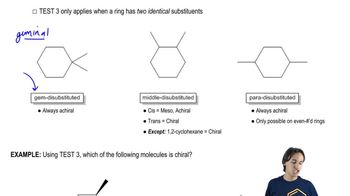
  • Three types of disubstituted cycloalkanes
    03:52
  • Is the following disubstituted cyclopropane chiral?
    00:22

Isometric Relationships

  • Same atoms, same connectivity, 1 chiral center.
    01:40
  • Same atoms, same connectivity, 1 or more trigonal centers.
    02:05
  • Different atoms or different connectivity.
    01:41

Fischer Projection

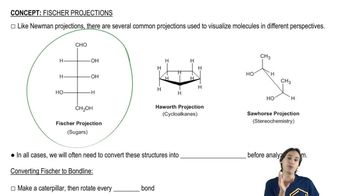
  • Introduction to different projections.
    01:15
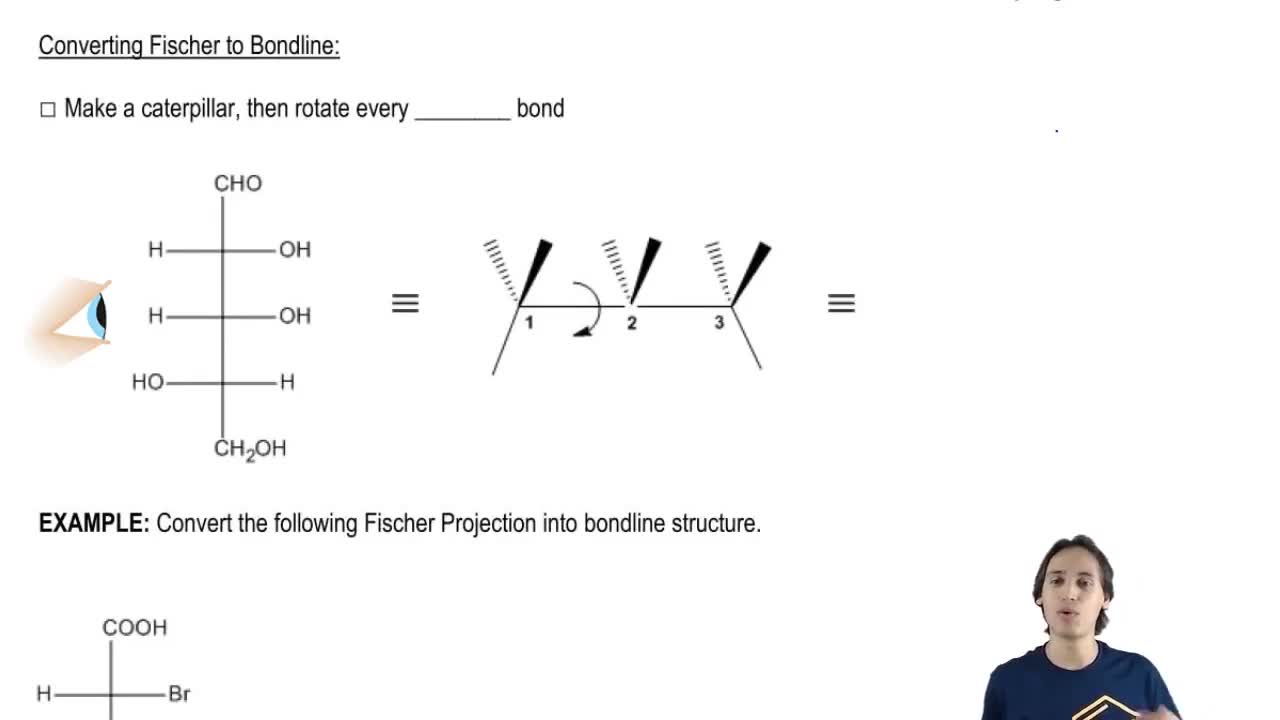
  • How to convert Fischer projections into bondline structures
    05:45
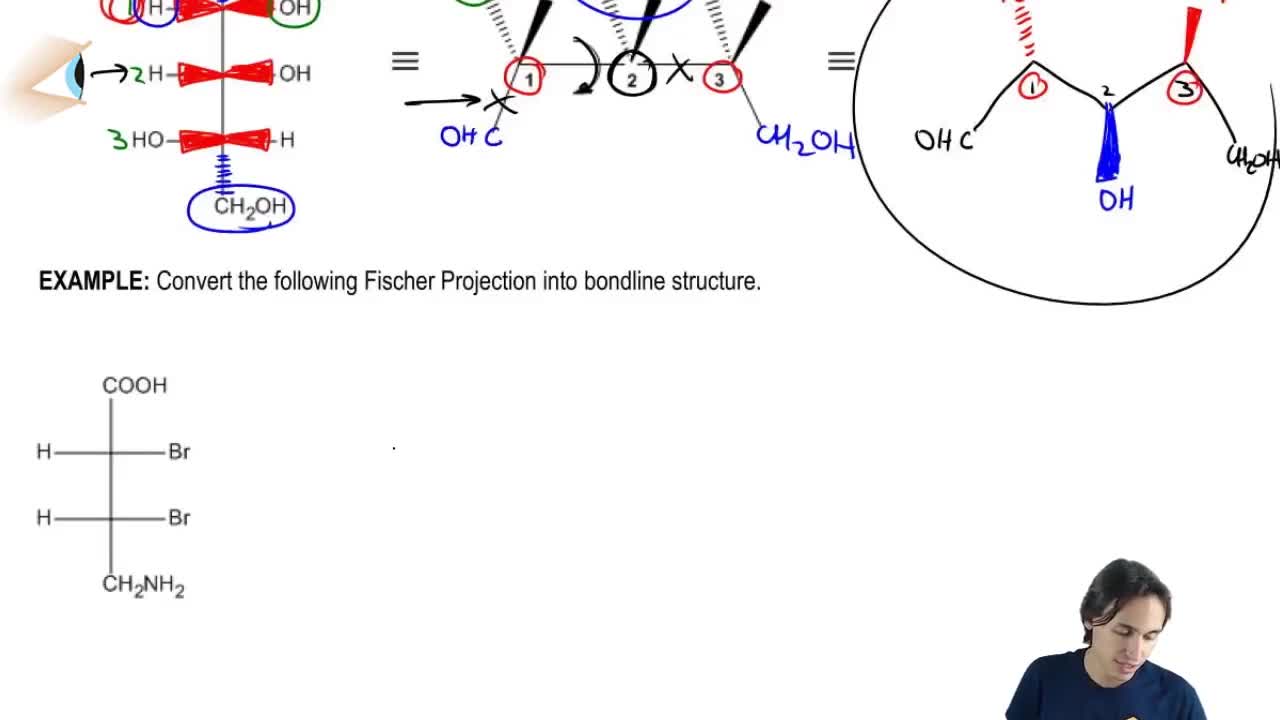
  • Convert the following Fischer projection into bondline structure.
    03:38

Optical Activity

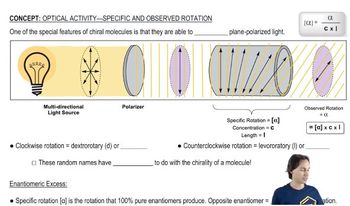
  • Specific rotation vs. observed rotation.
    05:43

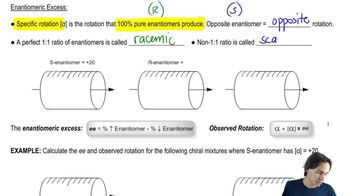
Enantiomeric Excess

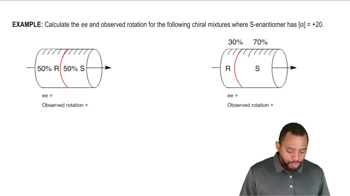
  • Calculating Enantiomeric Excess and Observed Rotation
    00:50
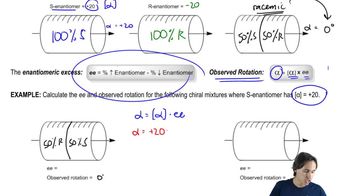
  • How to calculate enantiomeric excess.
    04:21
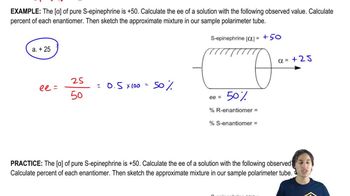
  • Calculating Enantiomeric Excess and Observed Rotation
    03:59

Calculations with Enantiomeric Percentages

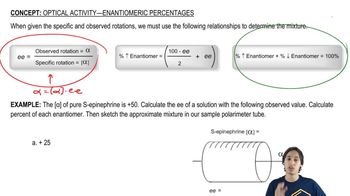
  • Calculating EE, percent of each enantiomer, and sketching mixture
    03:08
  • How to solve for the percentage of each enantiomer.
    03:23

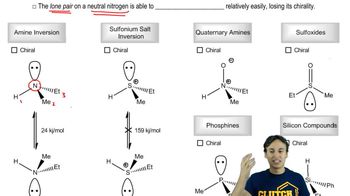
Non-Carbon Chiral Centers

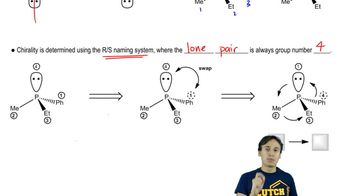
  • Determining R and S with Lone Pairs
    02:33
  • Understanding Other Chiral Atoms
    05:41