What is Anatomy & Physiology?
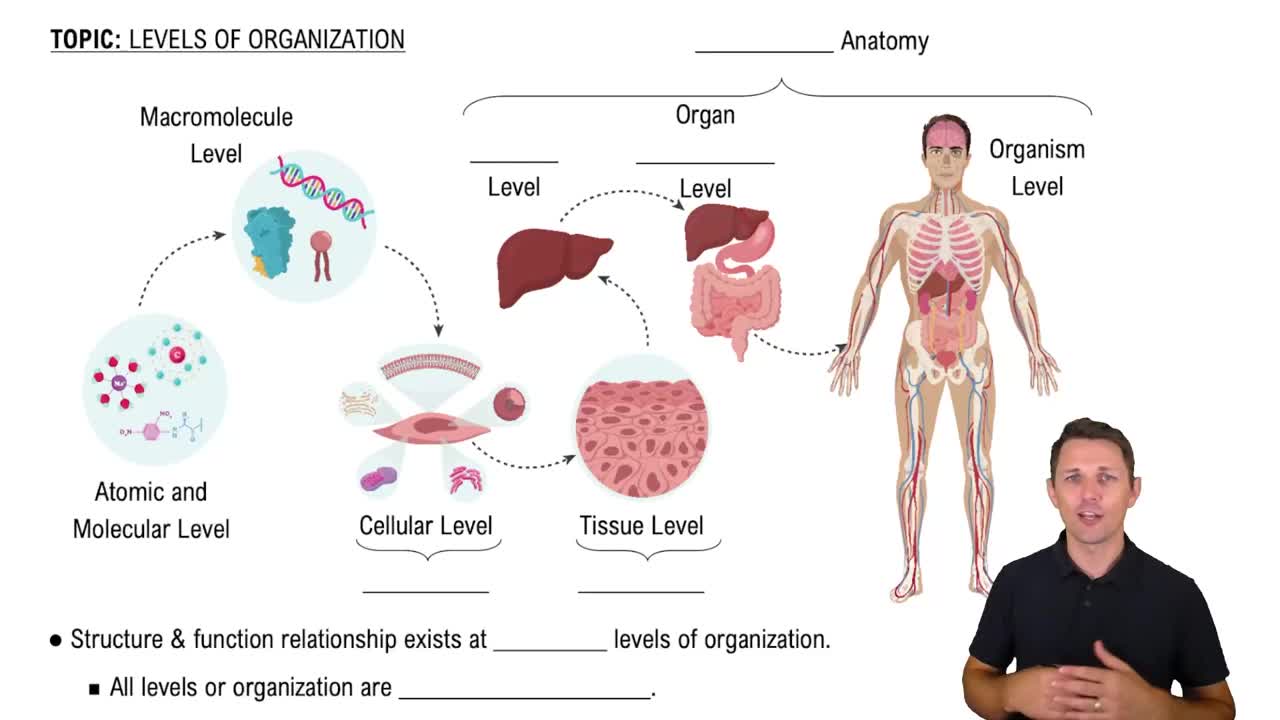
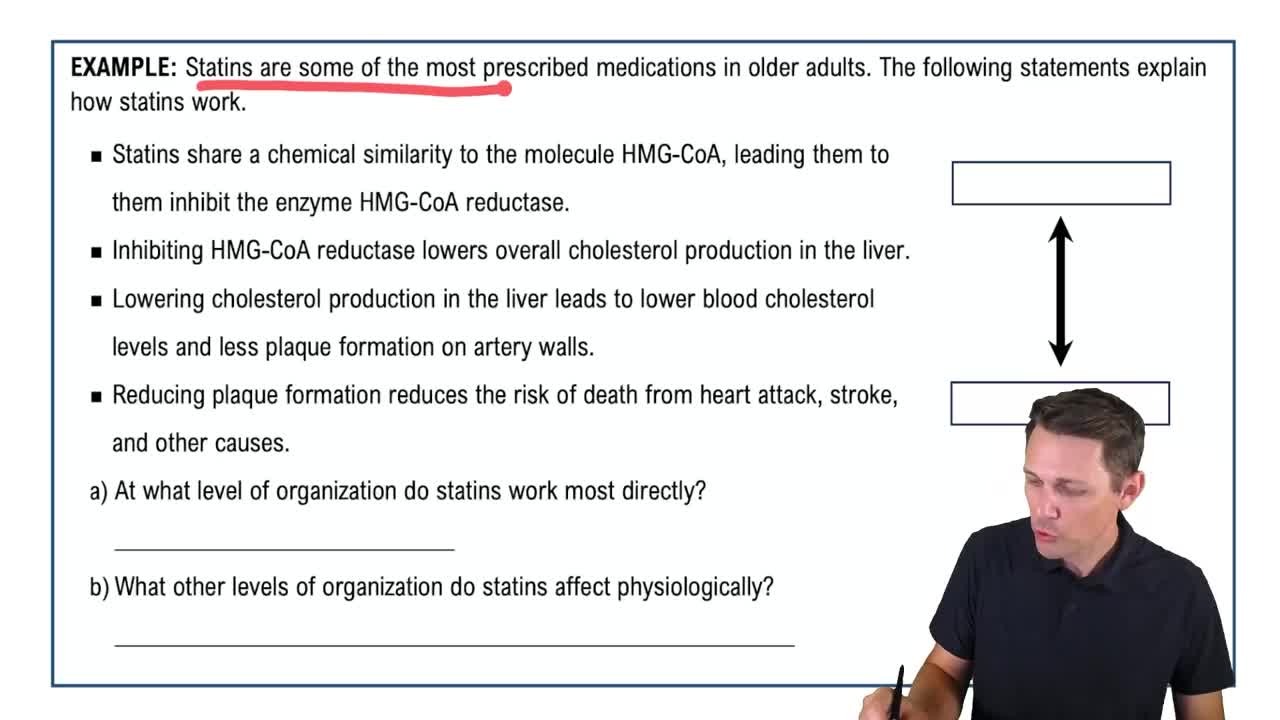
Levels of Organization
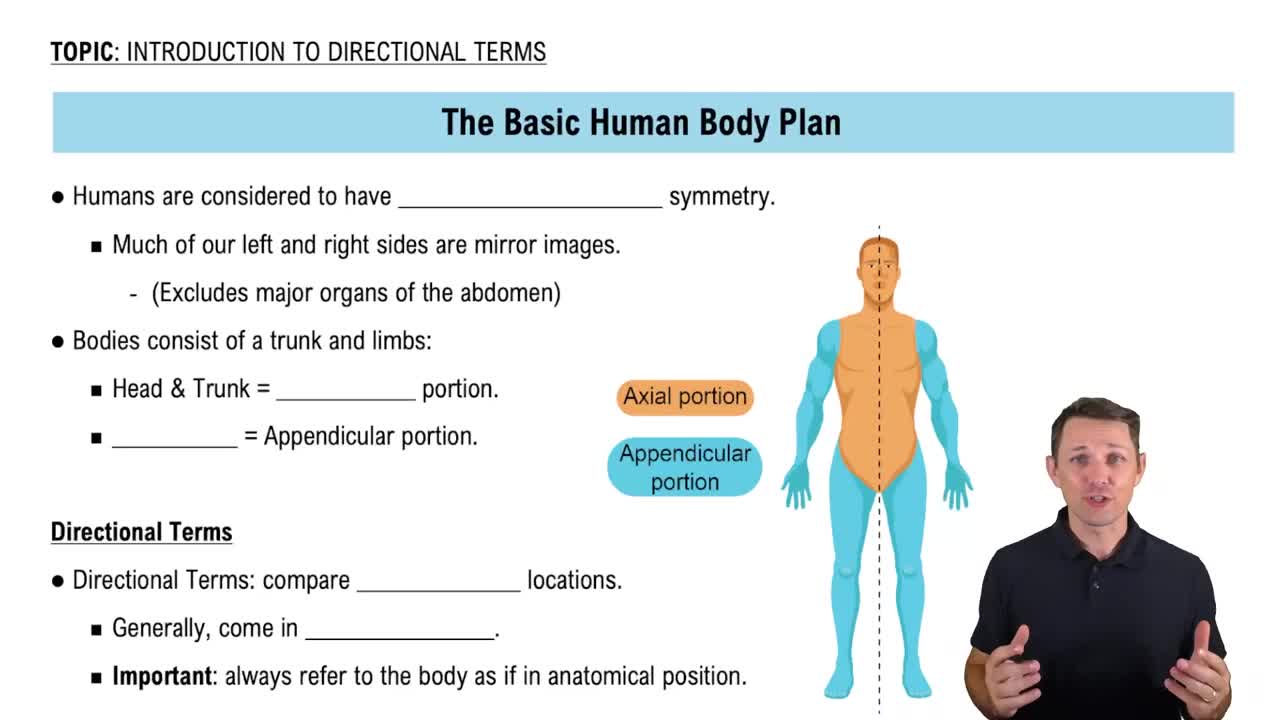
Introduction to Directional Terms
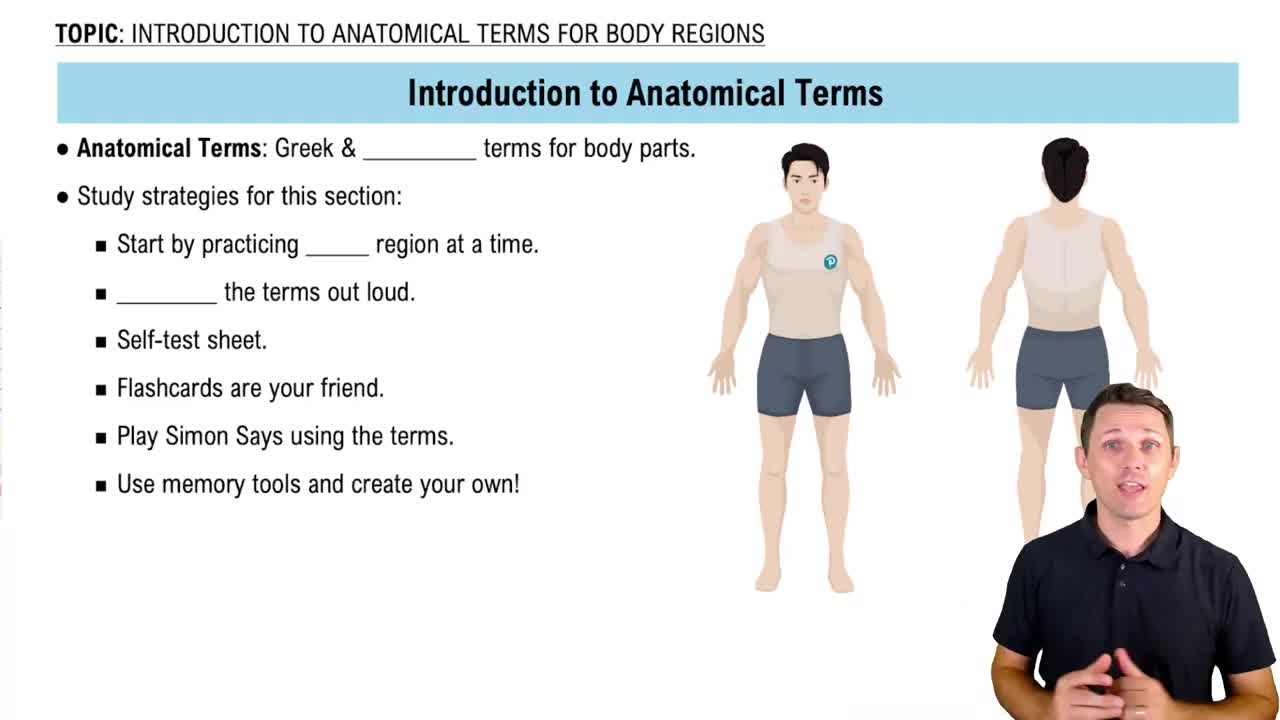
Introduction to Anatomical Terms for Body Regions
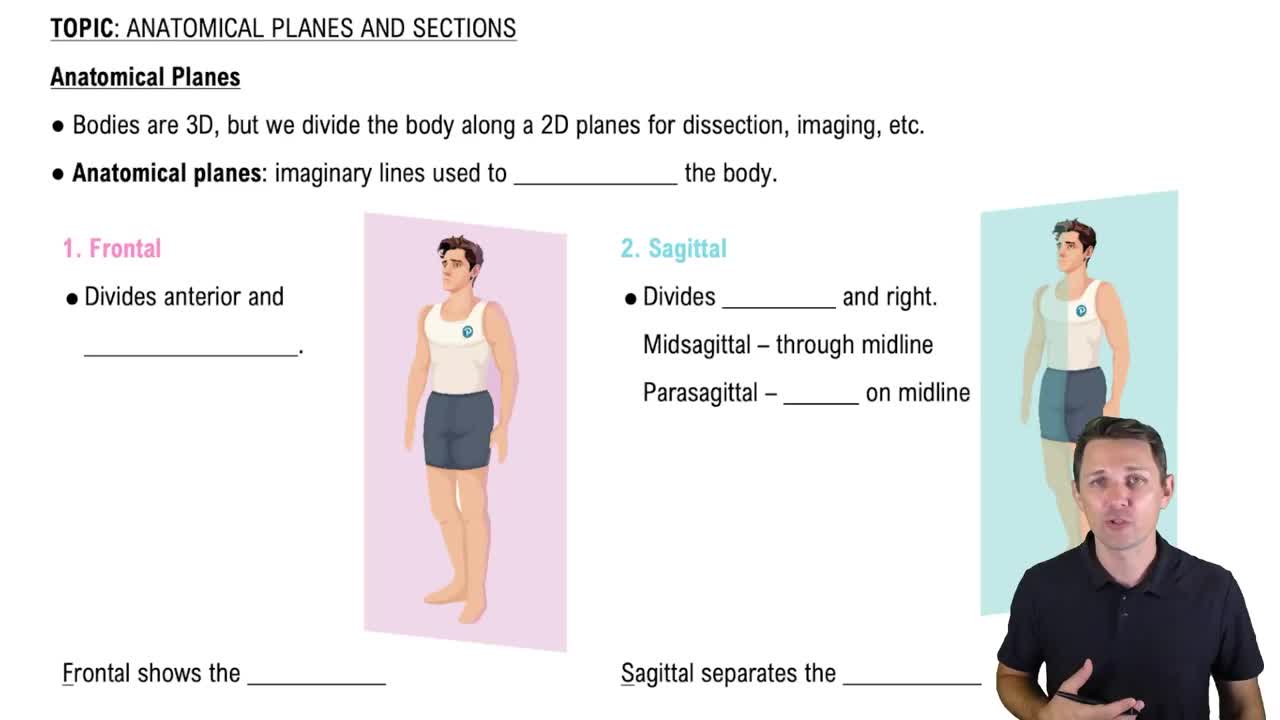
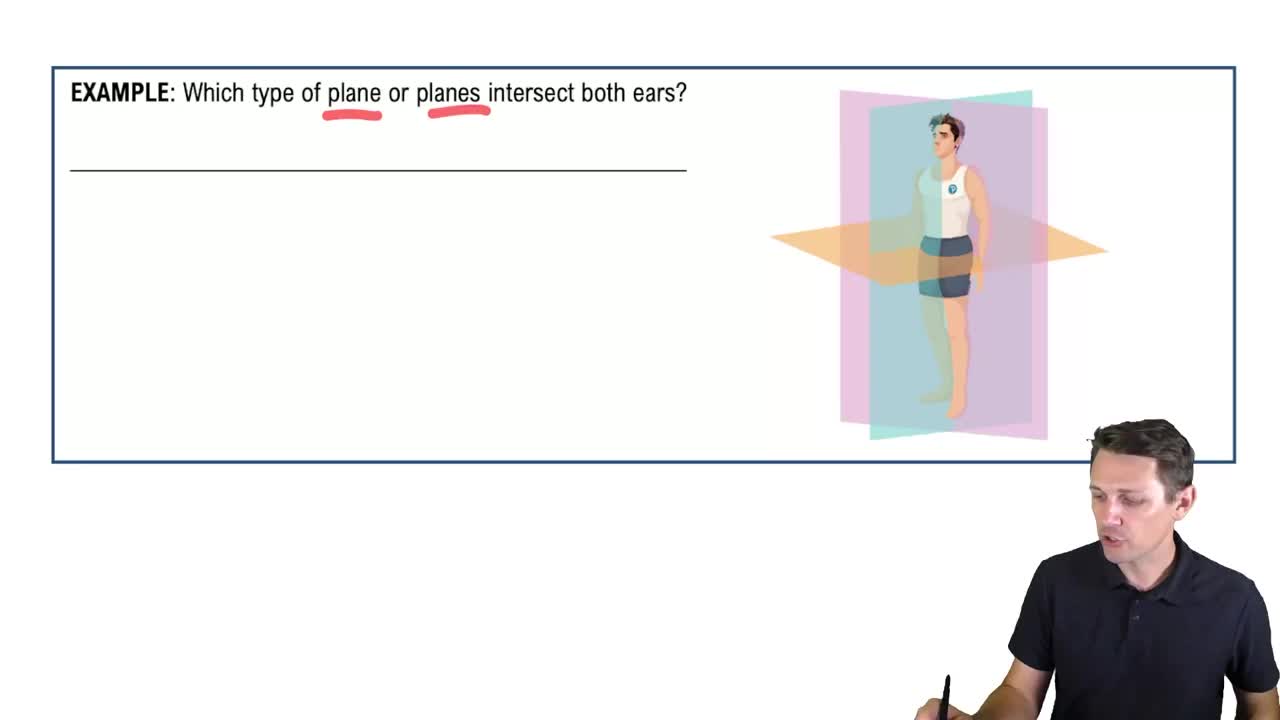
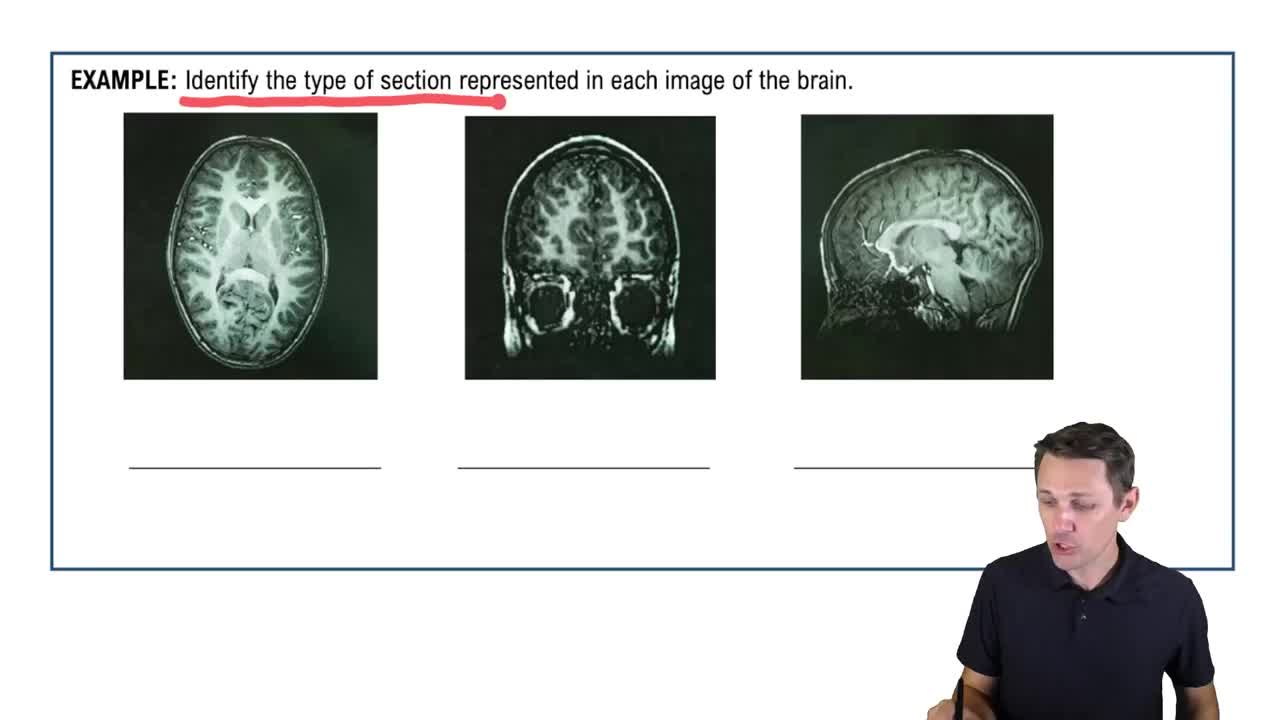
Anatomical Planes & Sections
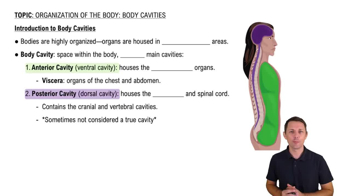
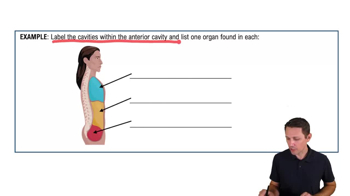
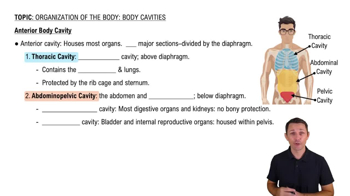
Organization of the Body: Body Cavities
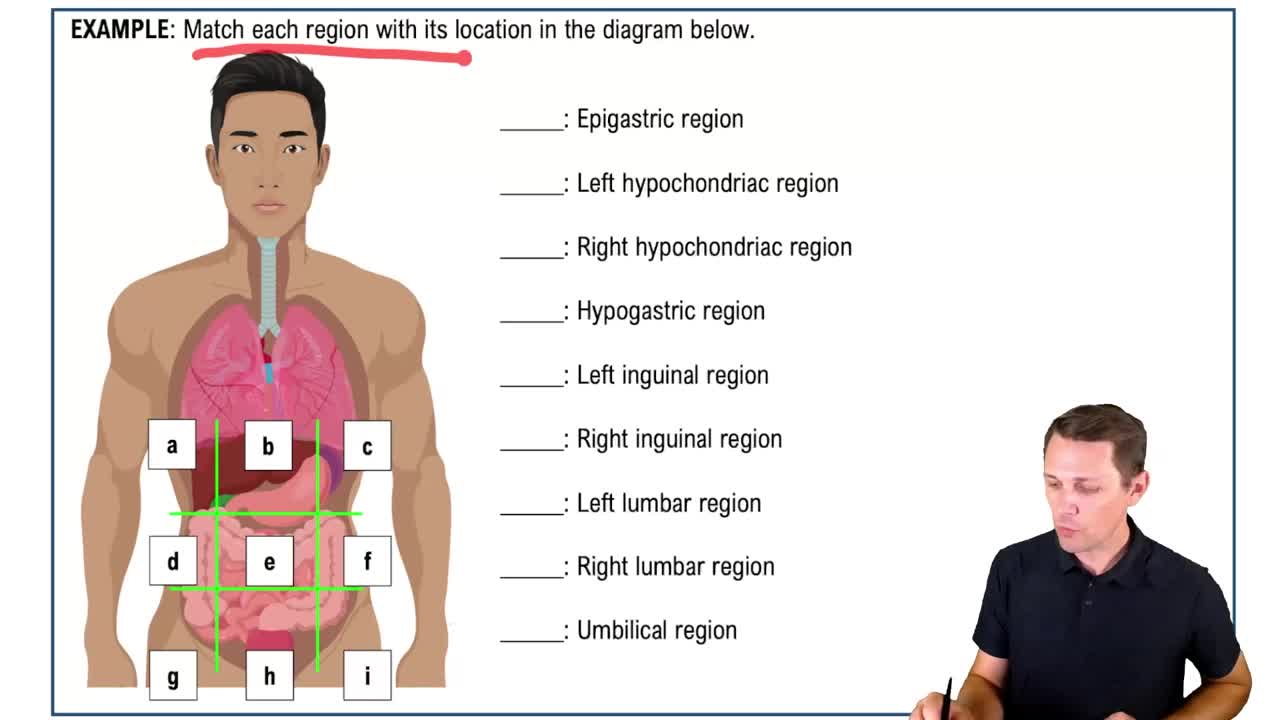
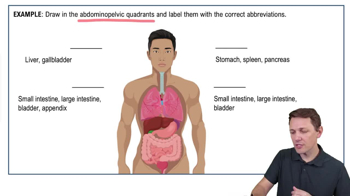
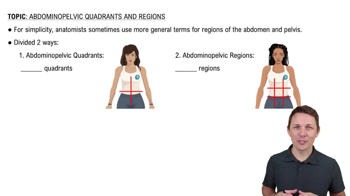
Abdominopelvic Quadrants and Regions
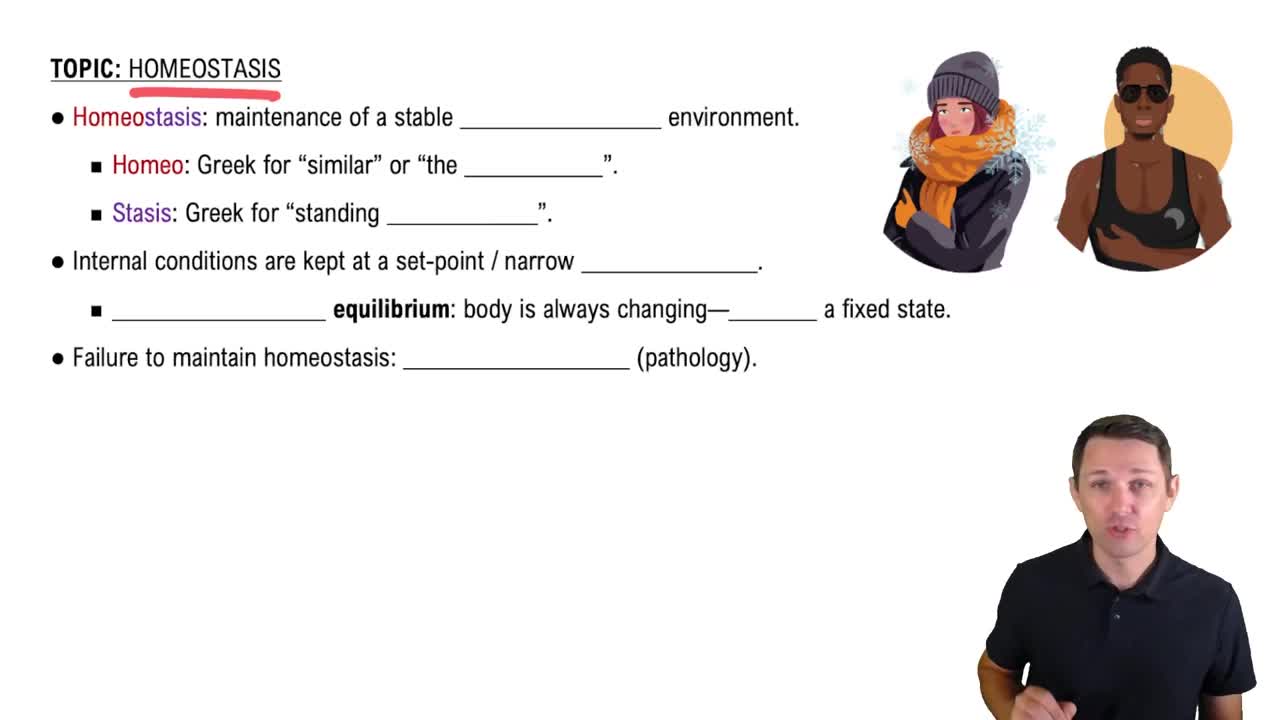
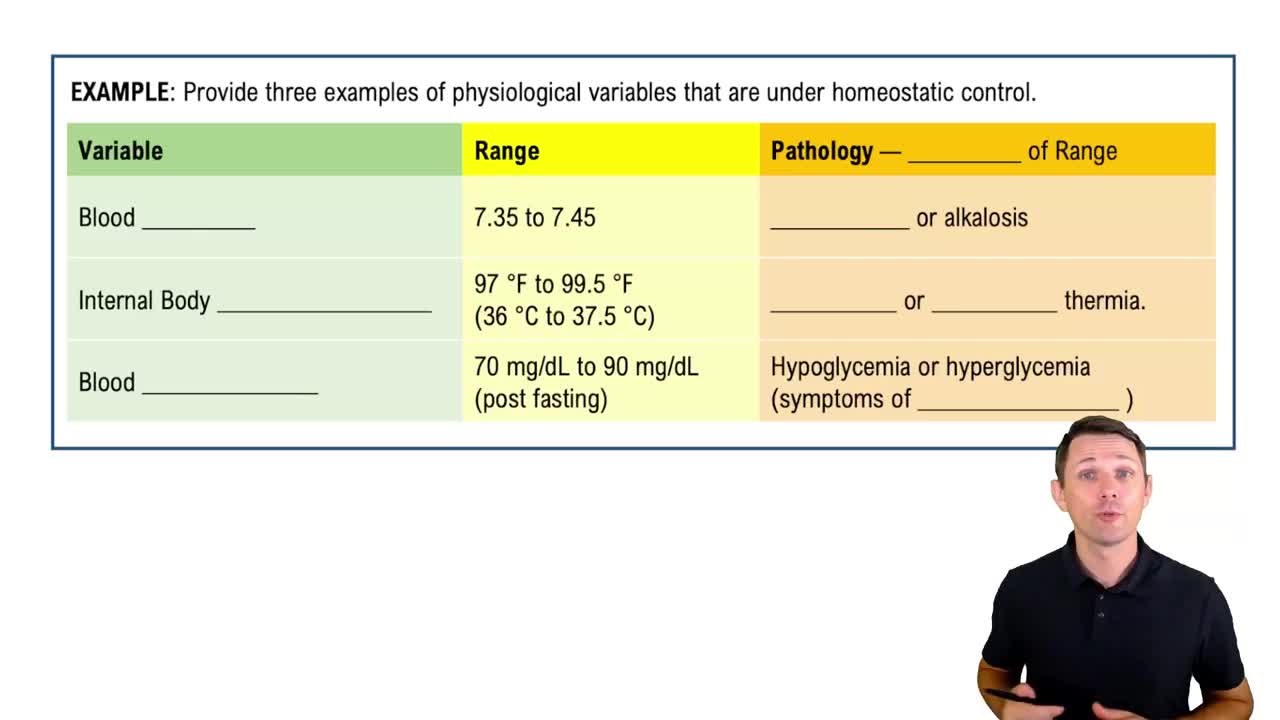
Homeostasis
Atoms- Smallest Unit of Matter
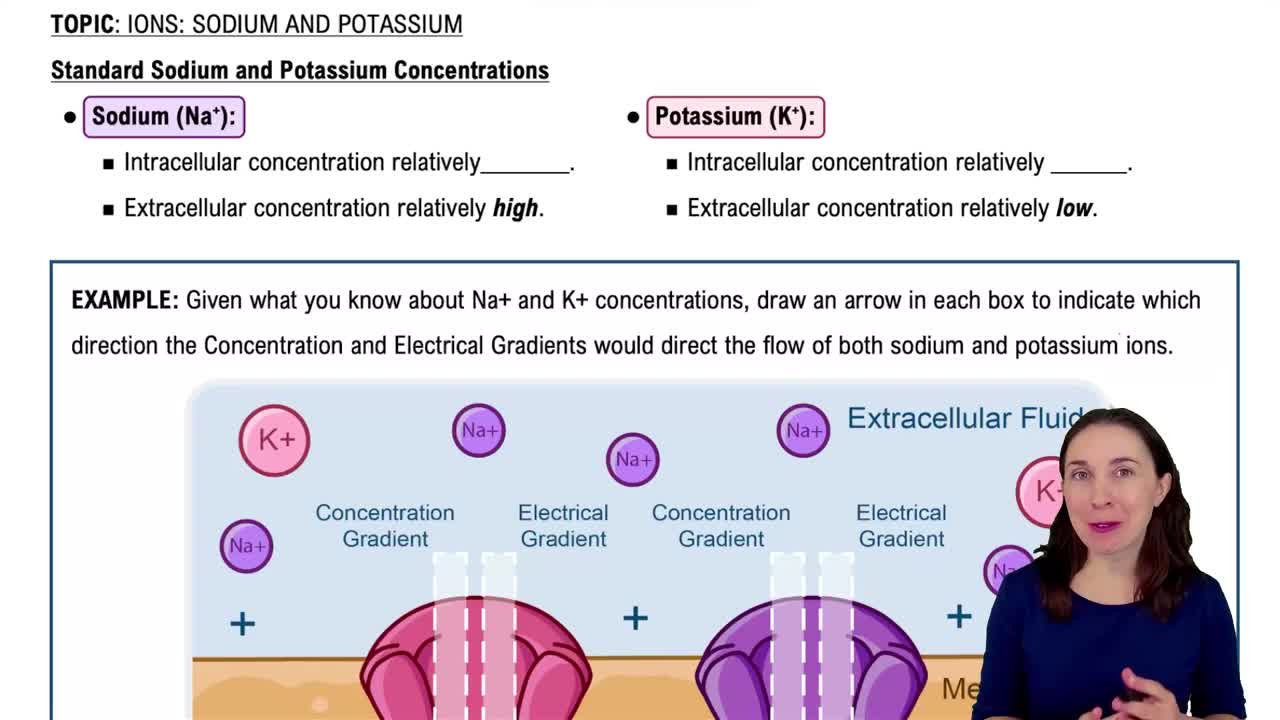
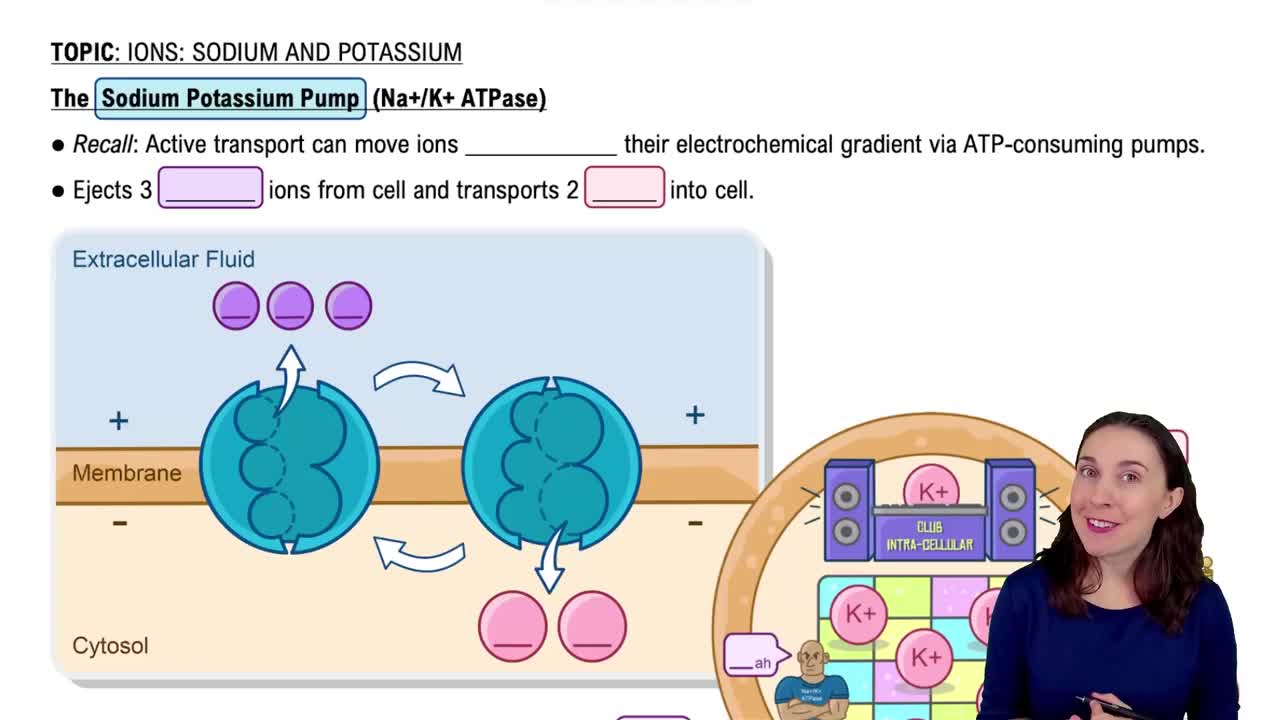
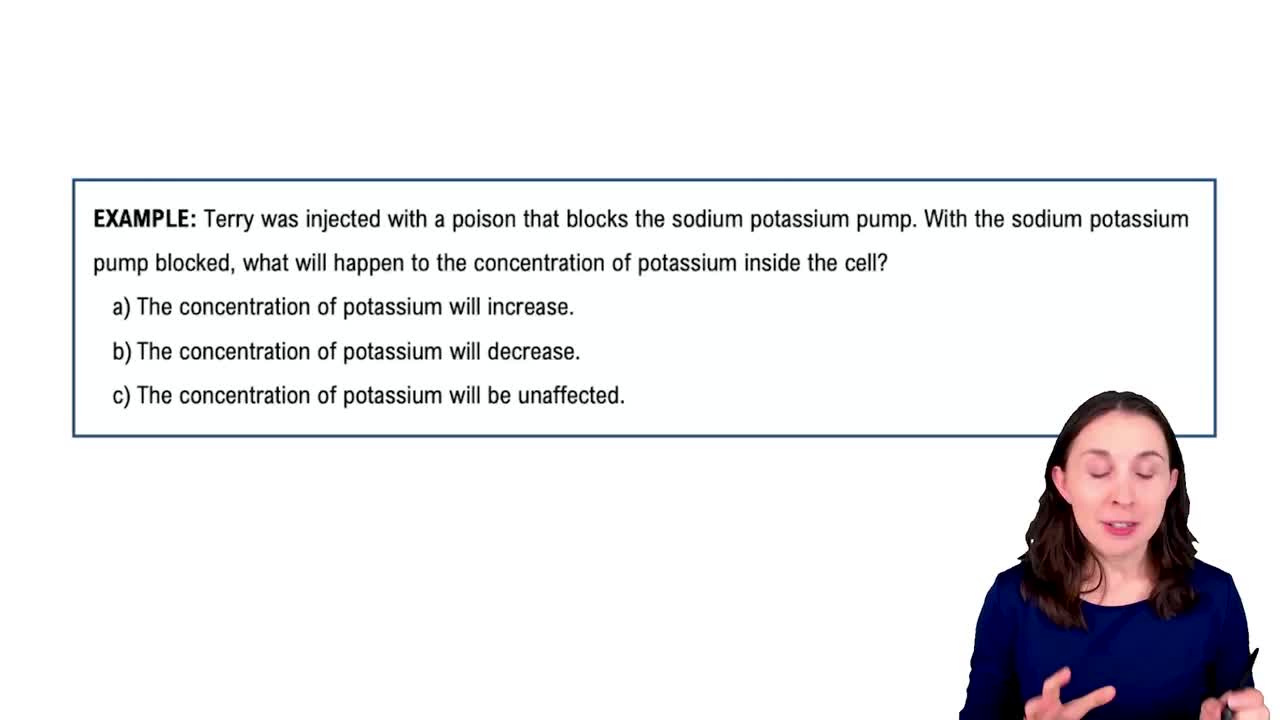
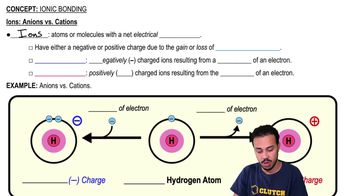
Ions - Sodium and Potassium
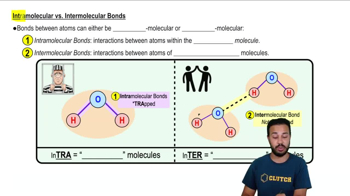
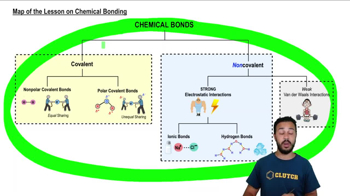
Introduction to Chemical Bonding
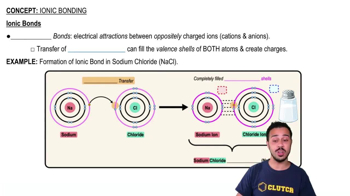
Ionic Bonding
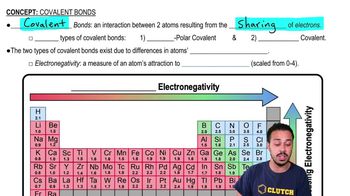
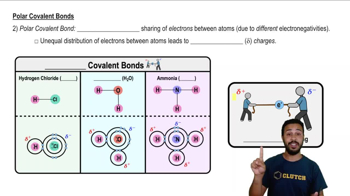
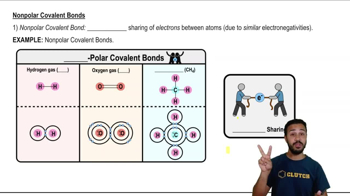
Covalent Bonds
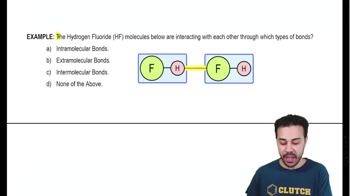
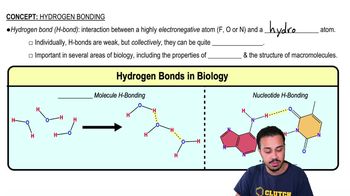
Hydrogen Bonding
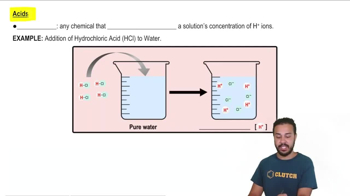
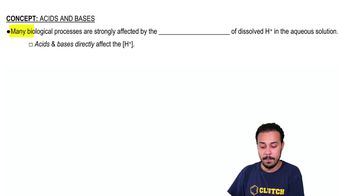
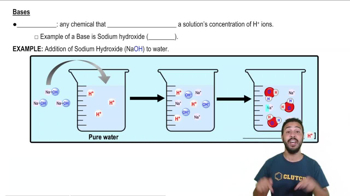
Acids and Bases
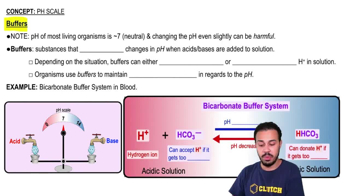
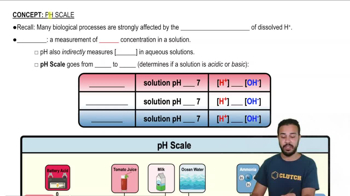
pH Scale
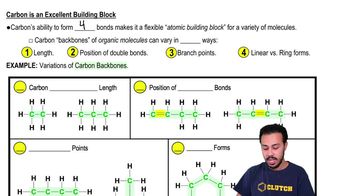
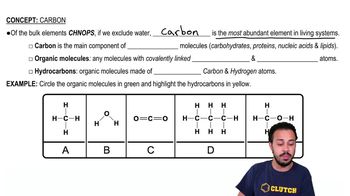
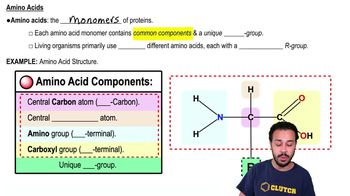
Carbon
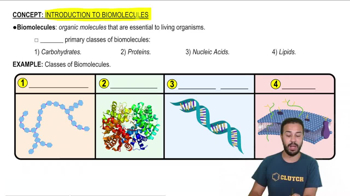
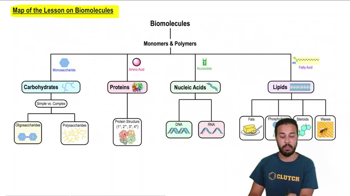
Introduction to Biomolecules
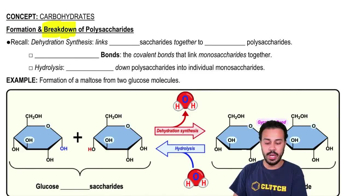
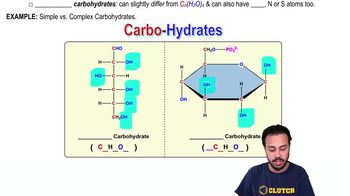
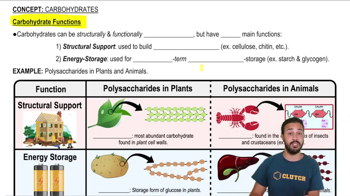
Carbohydrates
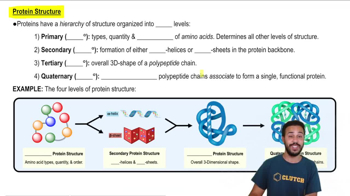
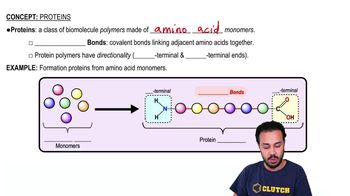
Proteins
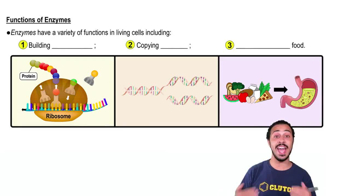
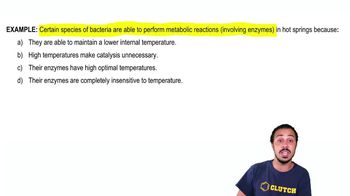
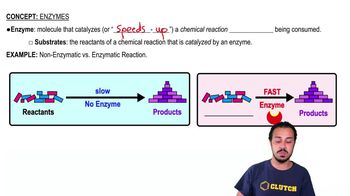
Enzymes
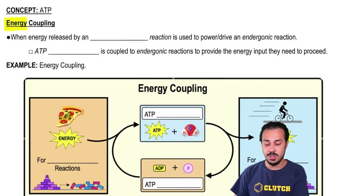
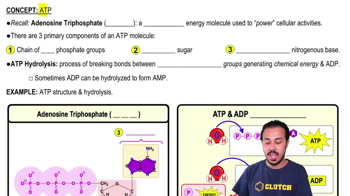
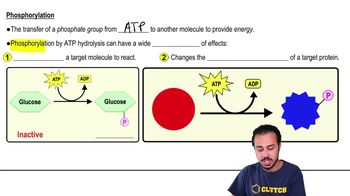
ATP
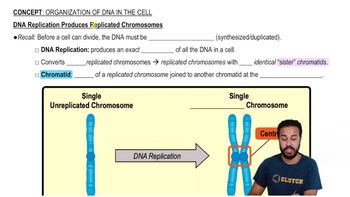
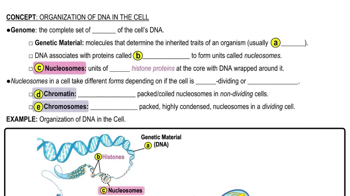
Organization of DNA in the Cell
Prokaryotic & Eukaryotic Cells
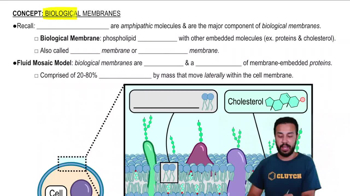
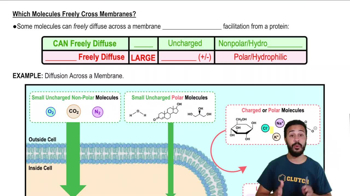
Biological Membranes
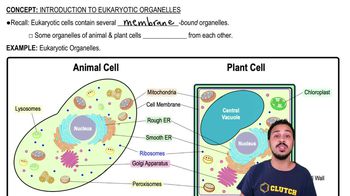
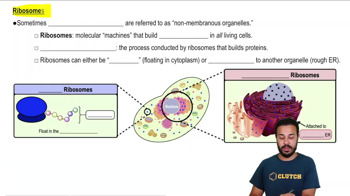
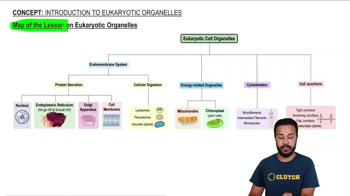
Introduction to Eukaryotic Organelles
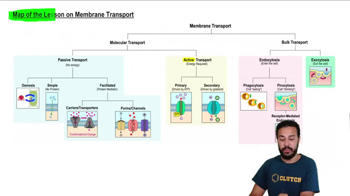
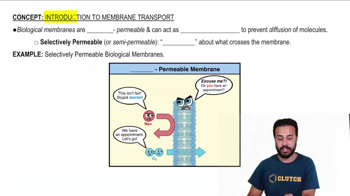
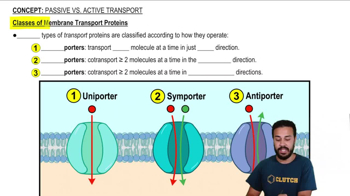
Introduction to Membrane Transport
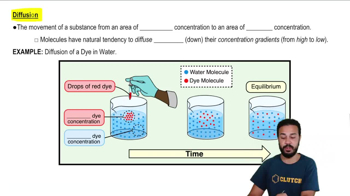
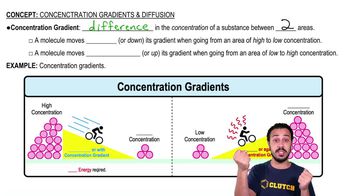
Concentration Gradients and Diffusion
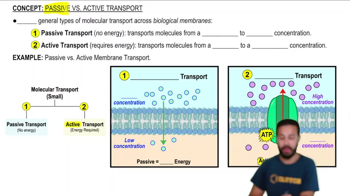
Passive vs. Active Transport
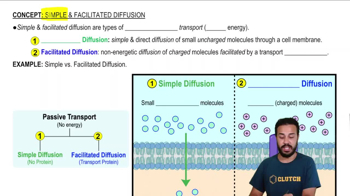
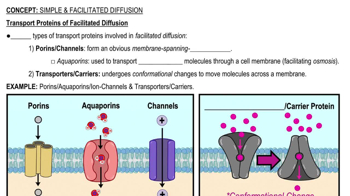
Simple and Facilitated Diffusion
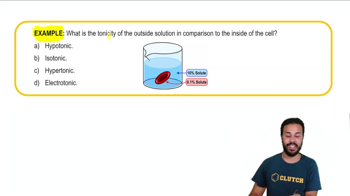
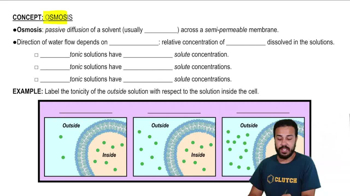
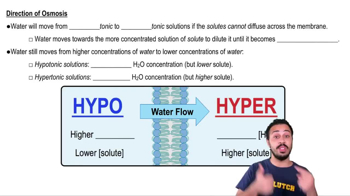
Osmosis
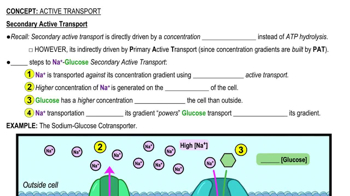
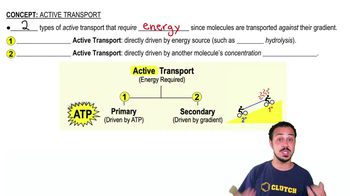
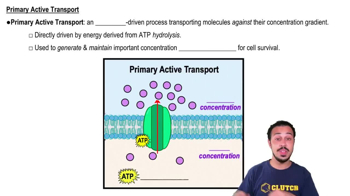
Active Transport
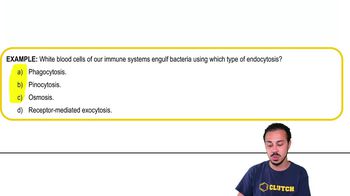
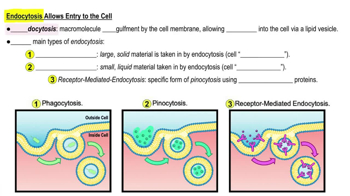
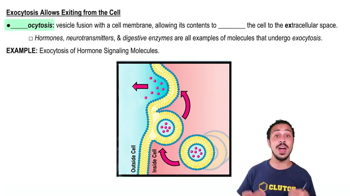
Endocytosis and Exocytosis
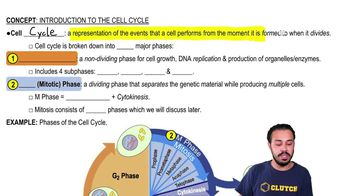
Introduction to the Cell Cycle
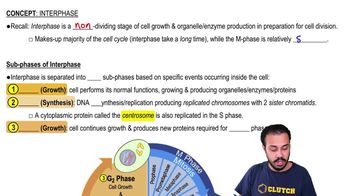
Interphase
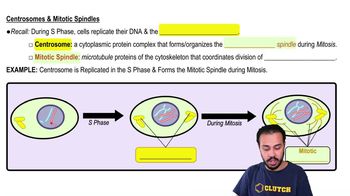
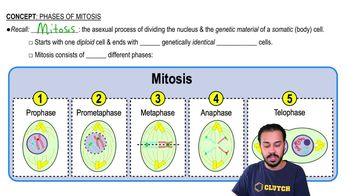
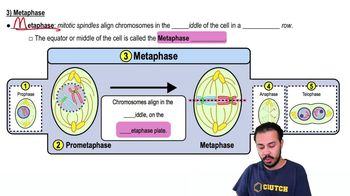
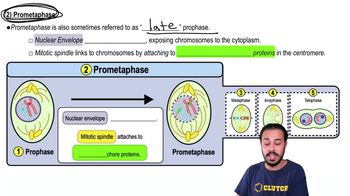
Phases of Mitosis
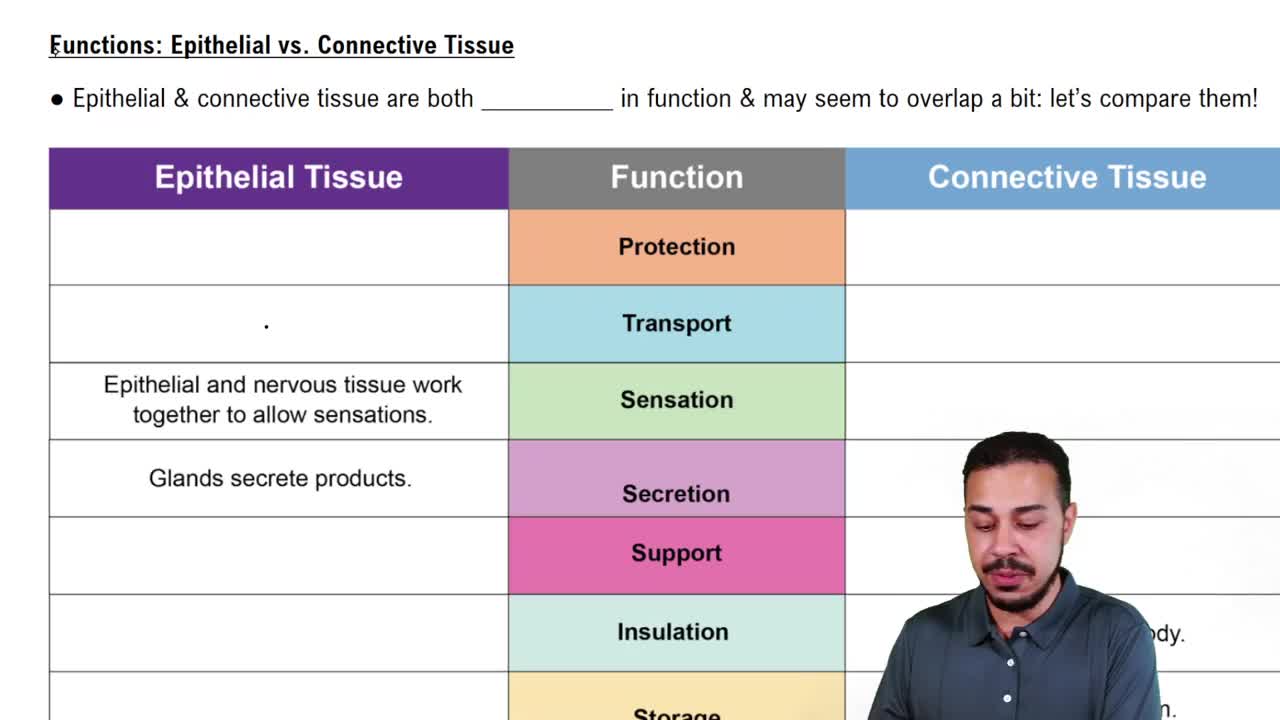
Introduction to Tissues & Histology
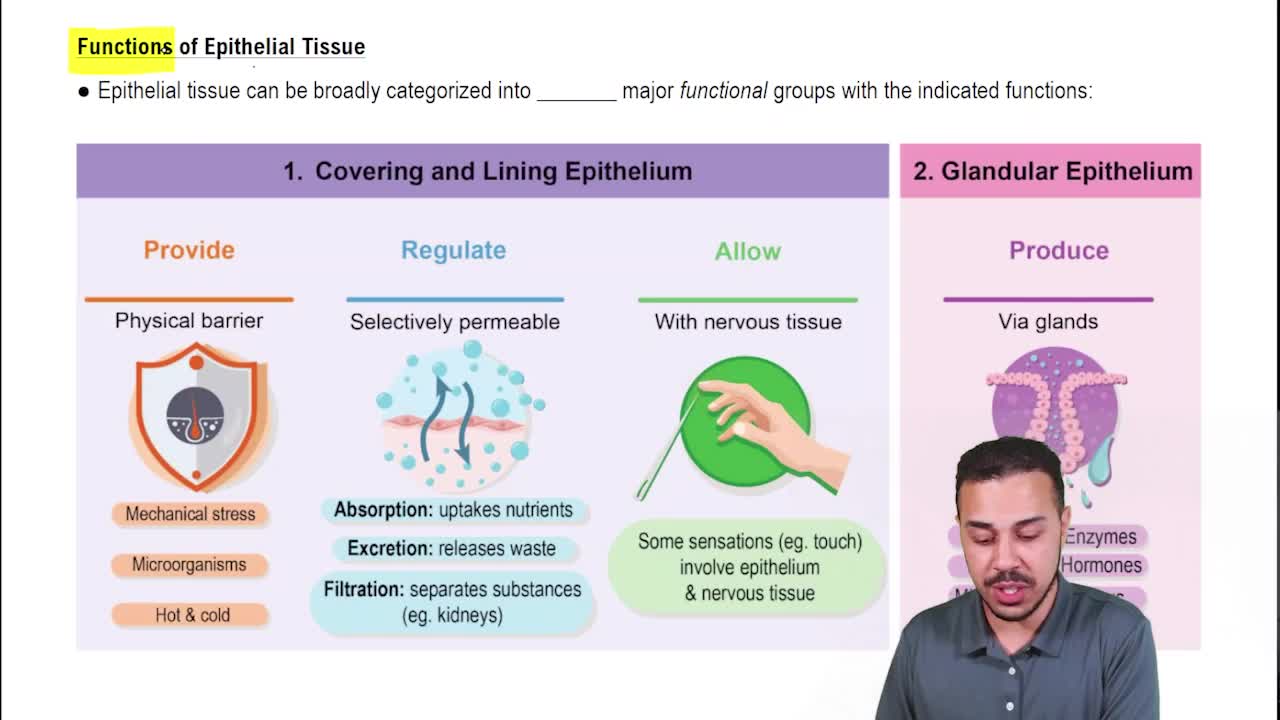
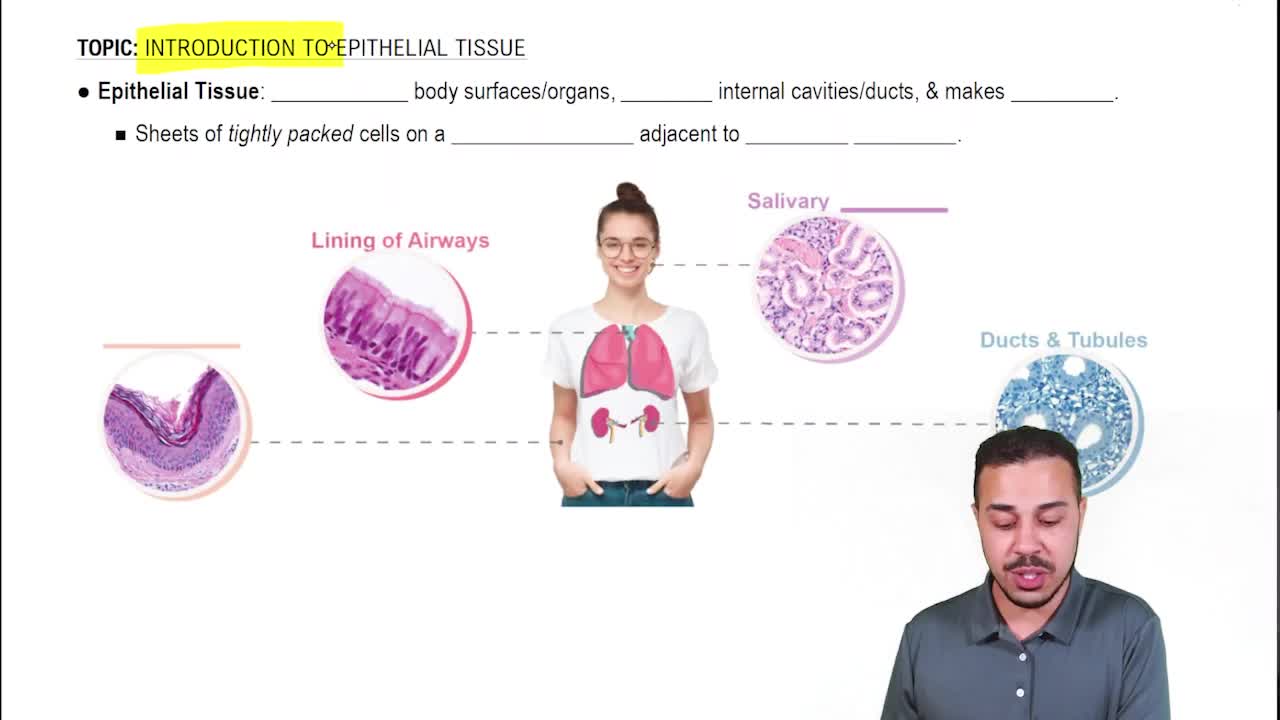
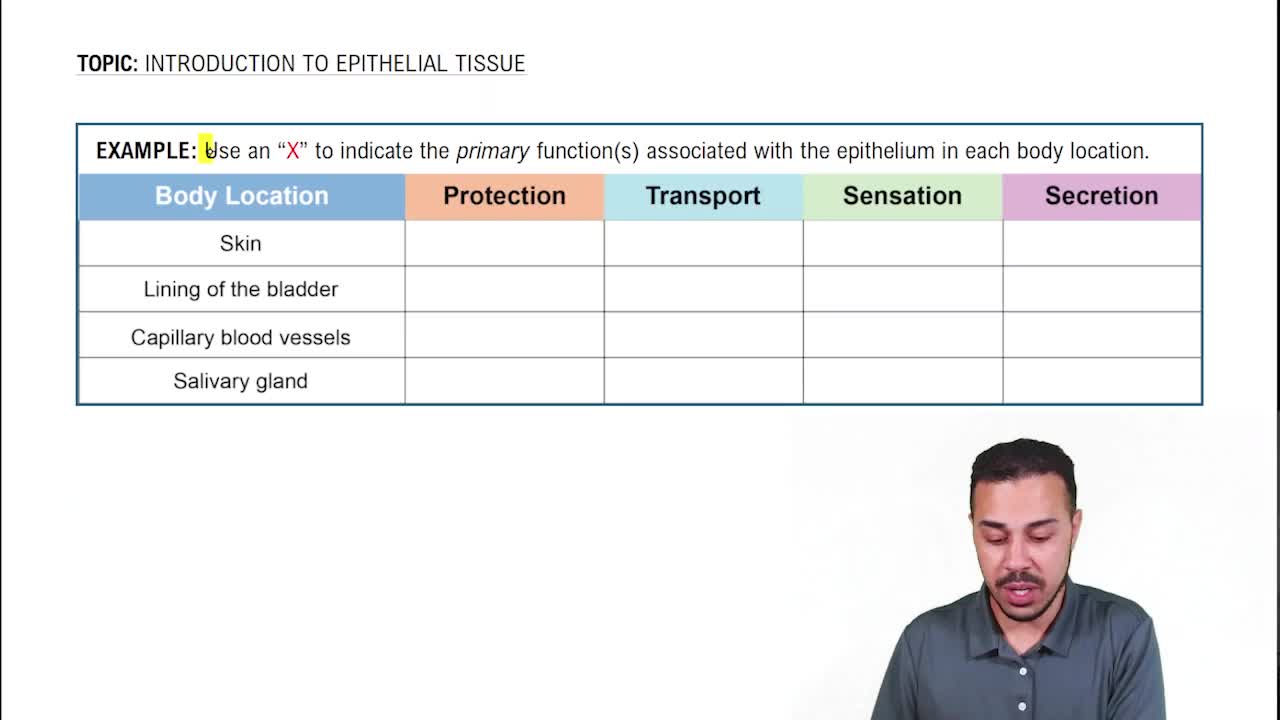
Introduction to Epithelial Tissue
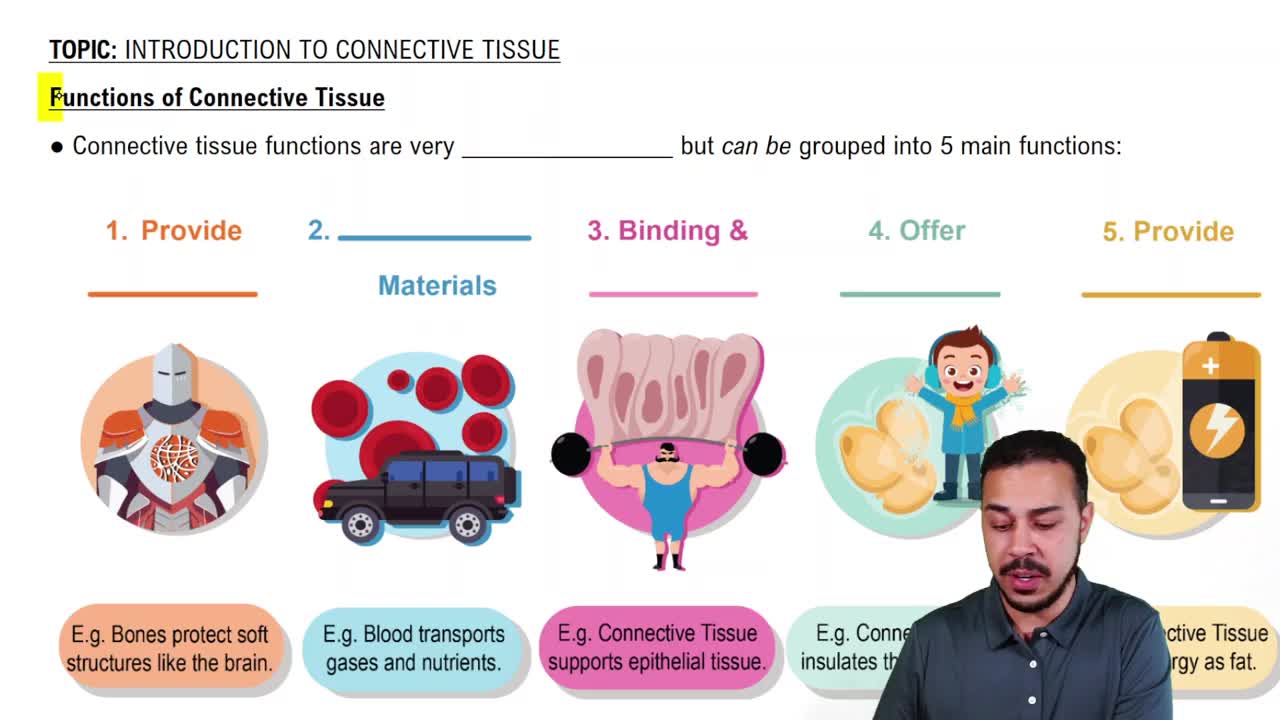
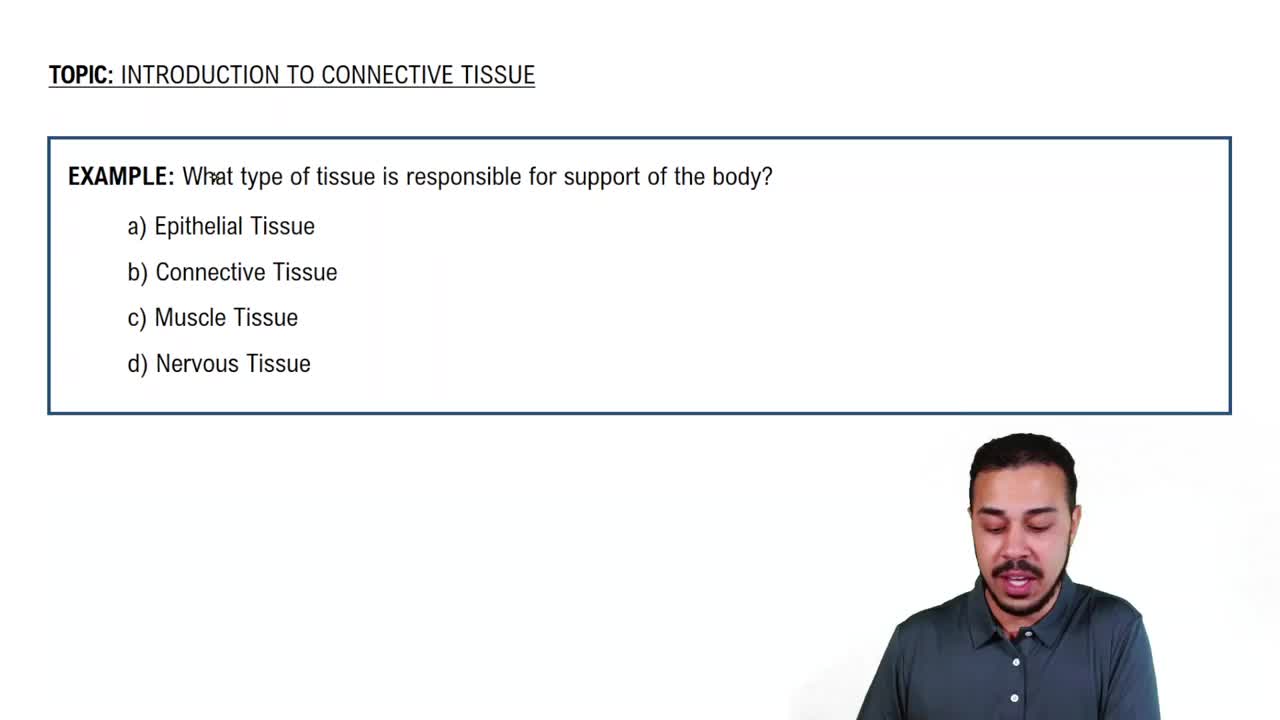
Introduction to Connective Tissue
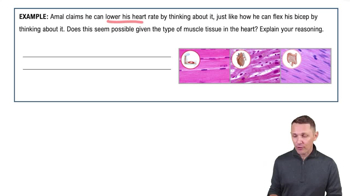
Introduction to Muscle Tissue
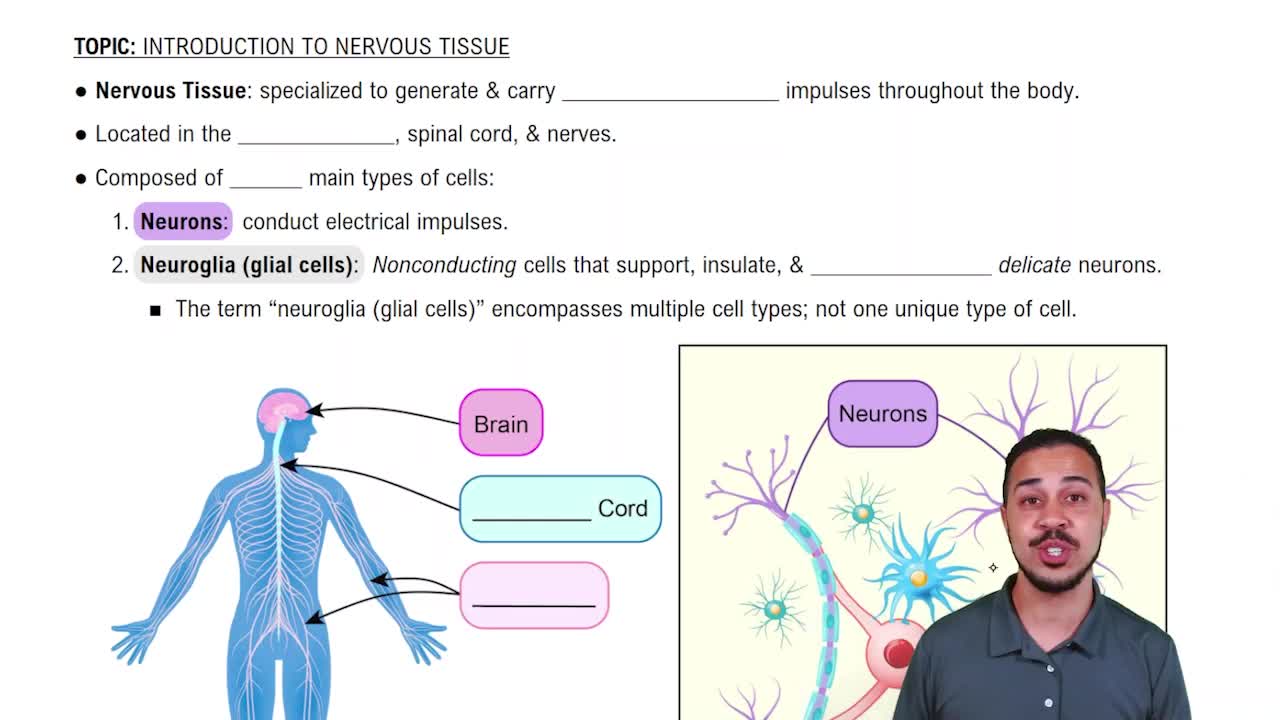
Introduction to Nervous Tissue
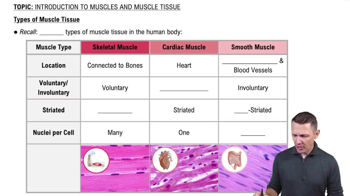
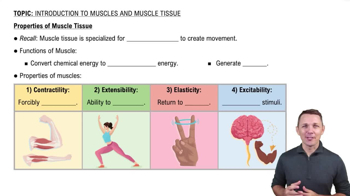
Introduction to Muscles and Muscle Tissue
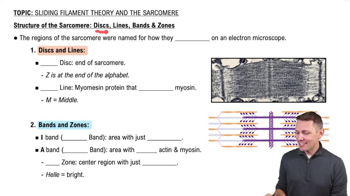
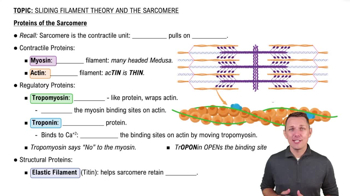
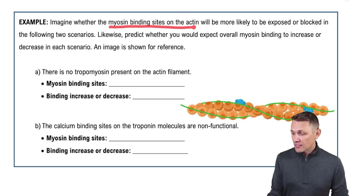
Sliding Filament Theory and the Sarcomere
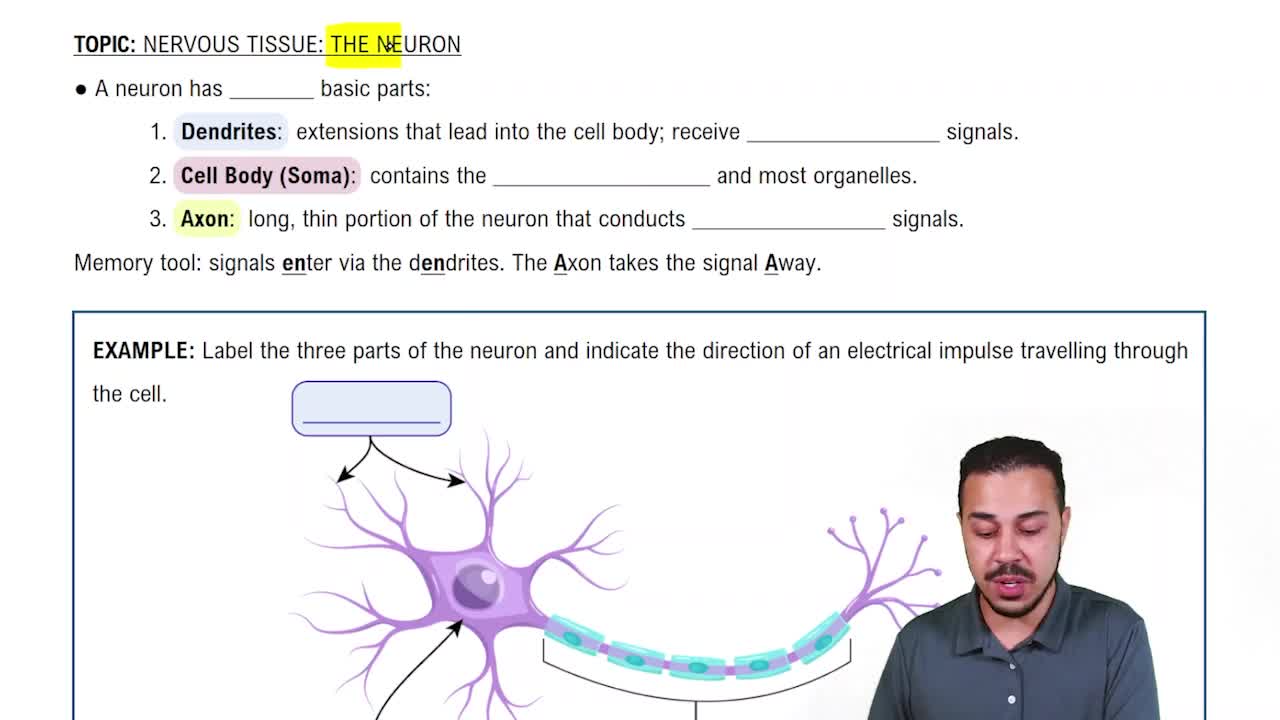
Nervous Tissue: The Neuron
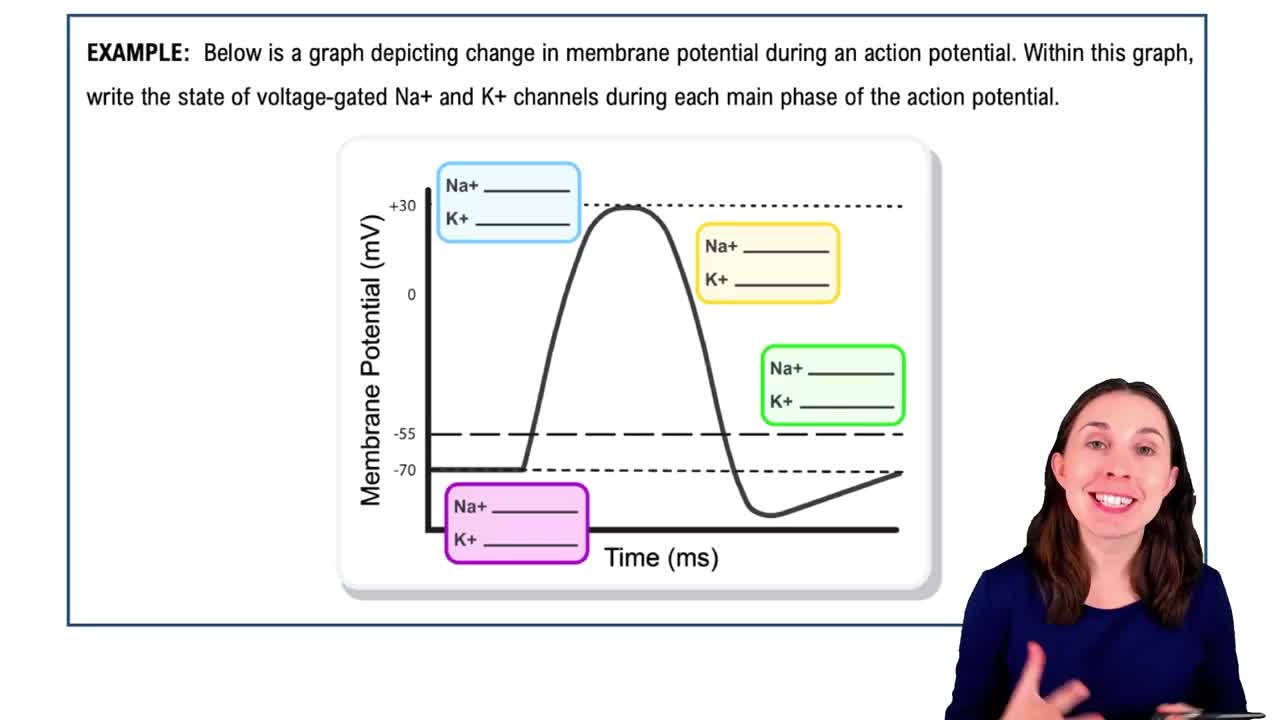
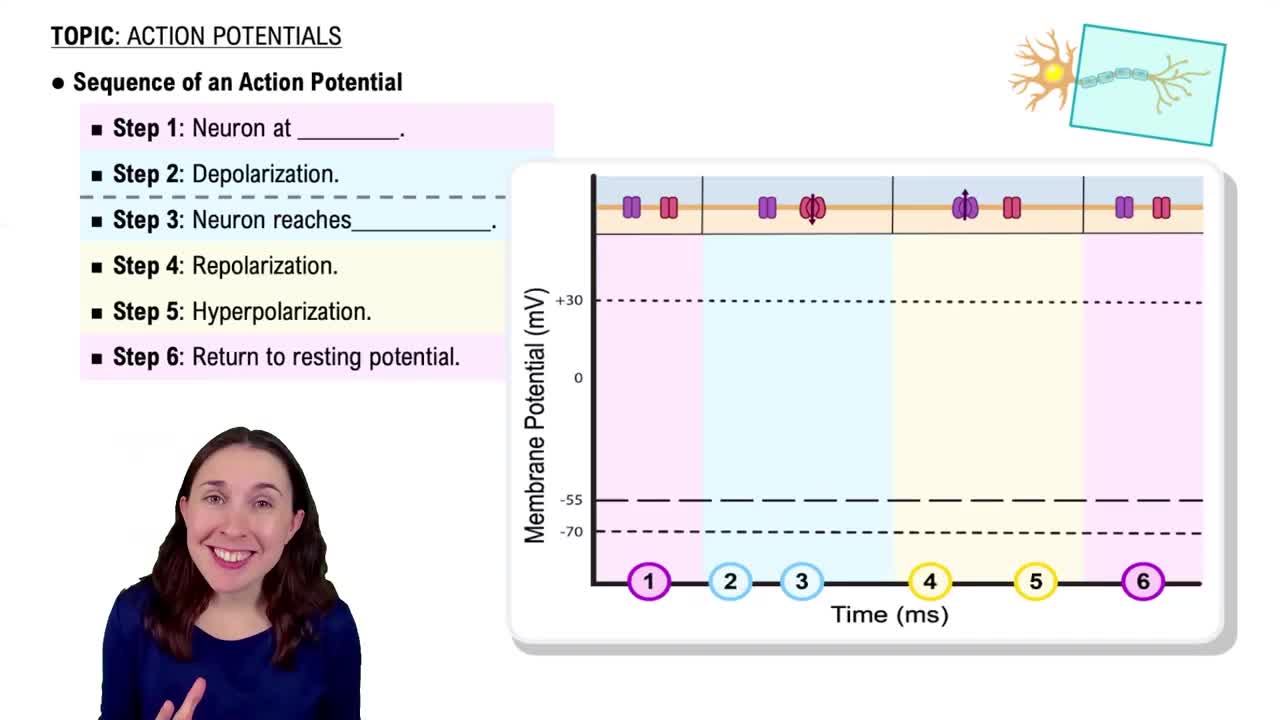
Action Potentials
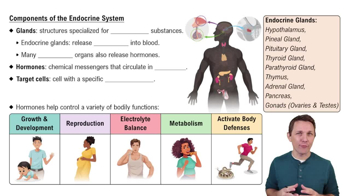
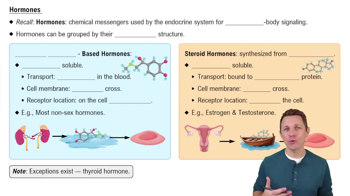
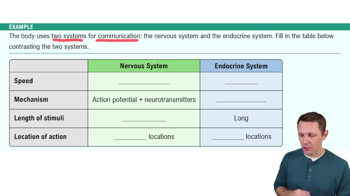
Introduction to the Endocrine System
Homeostasis
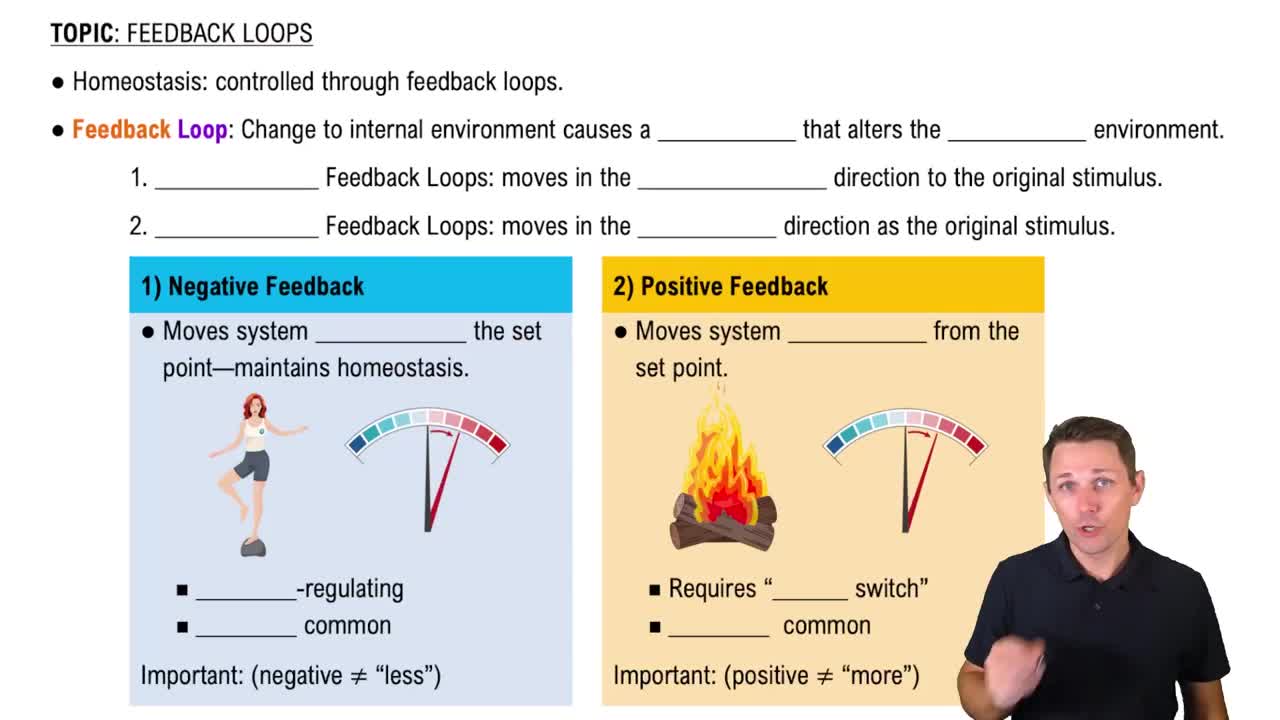
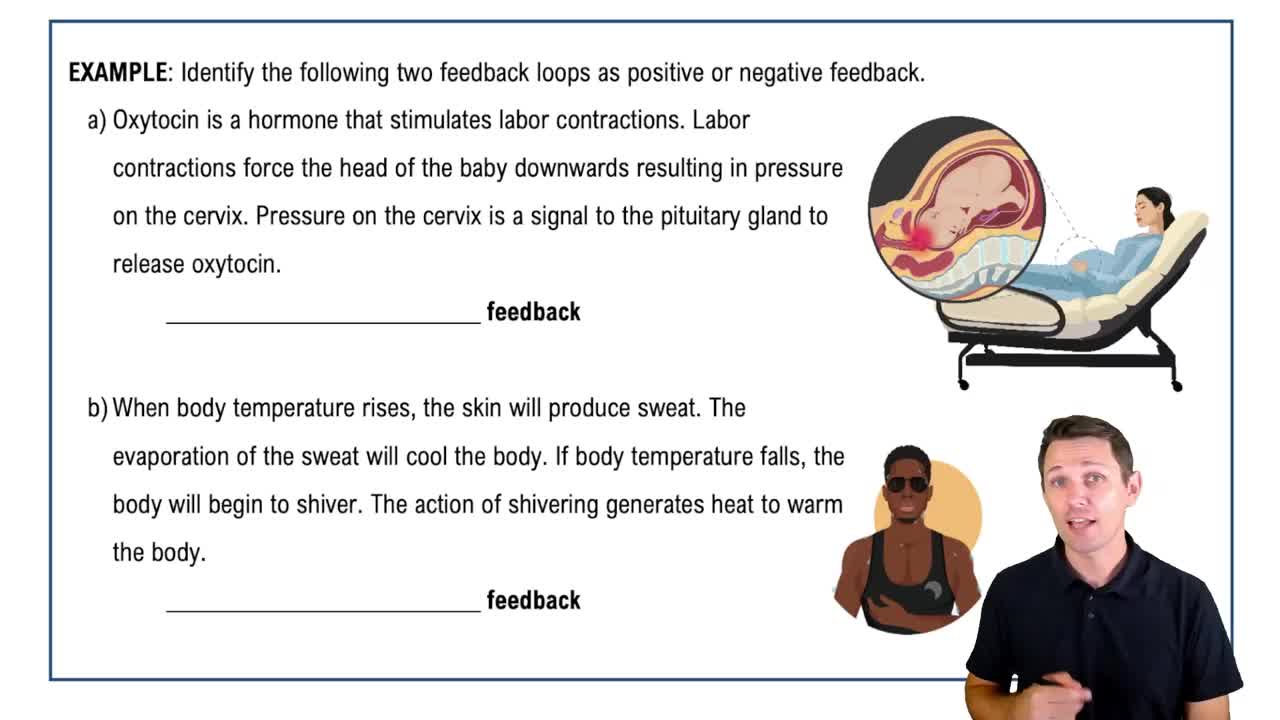
Feedback Loops
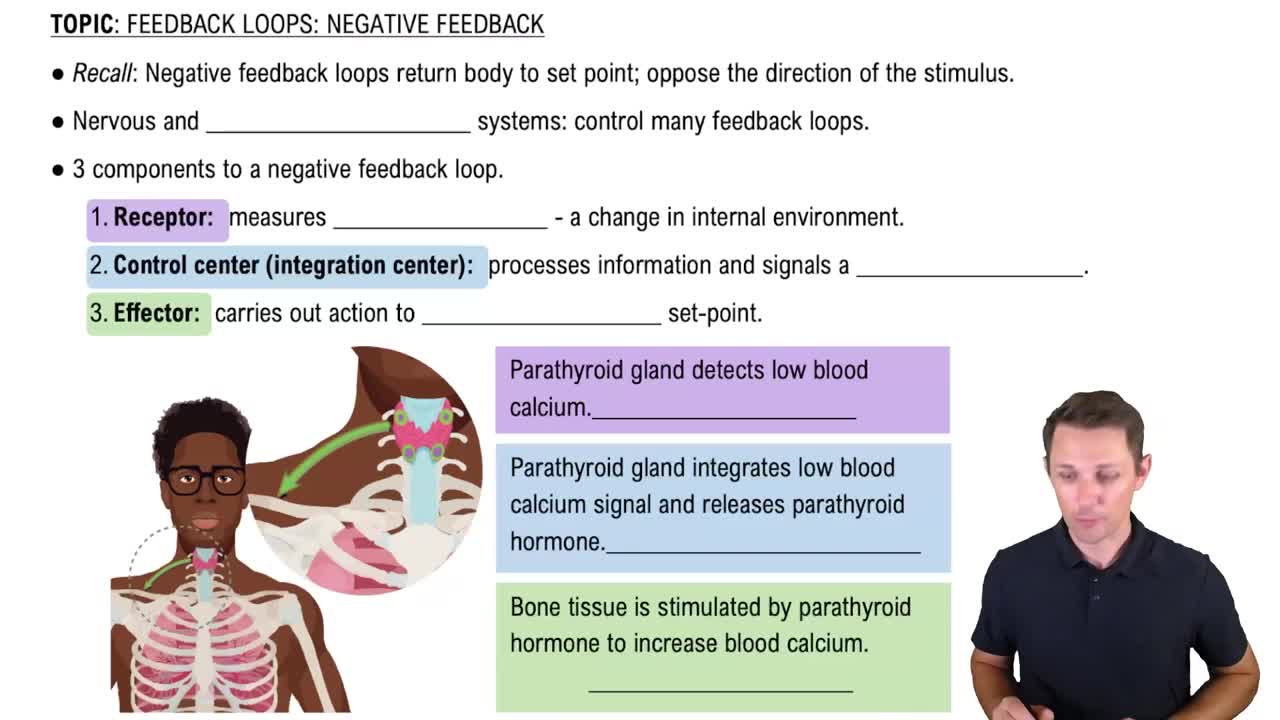
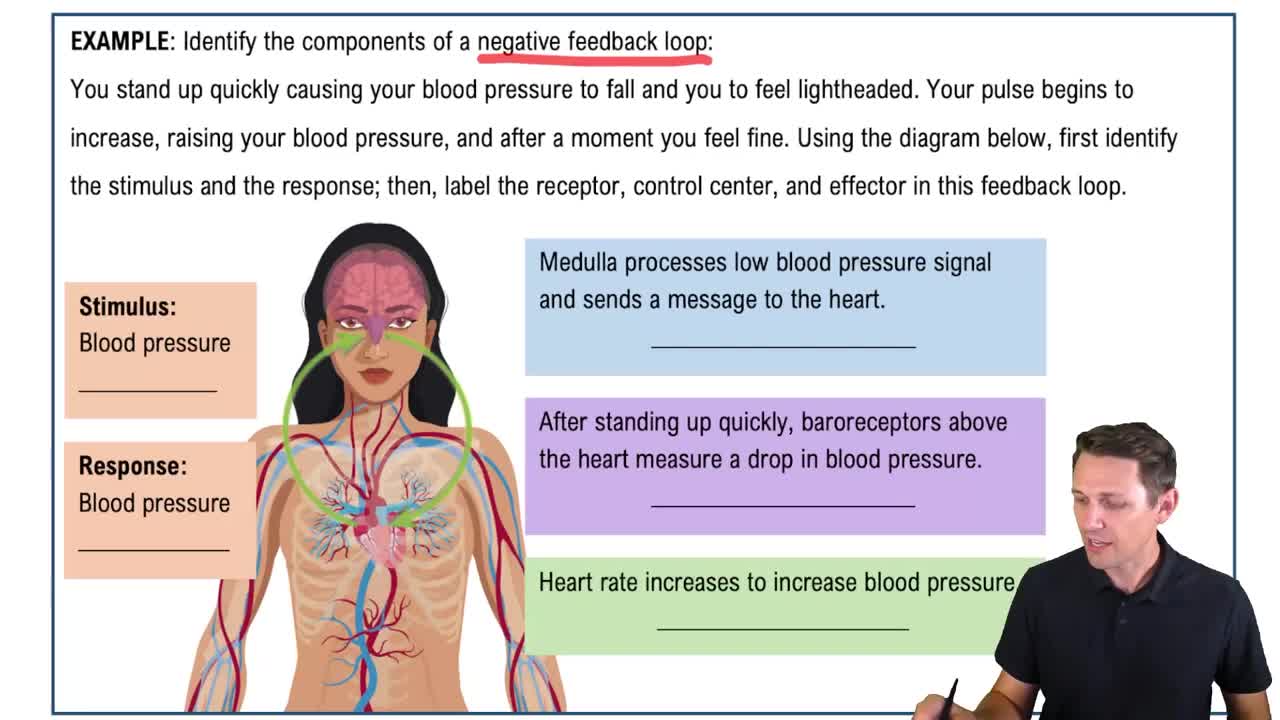
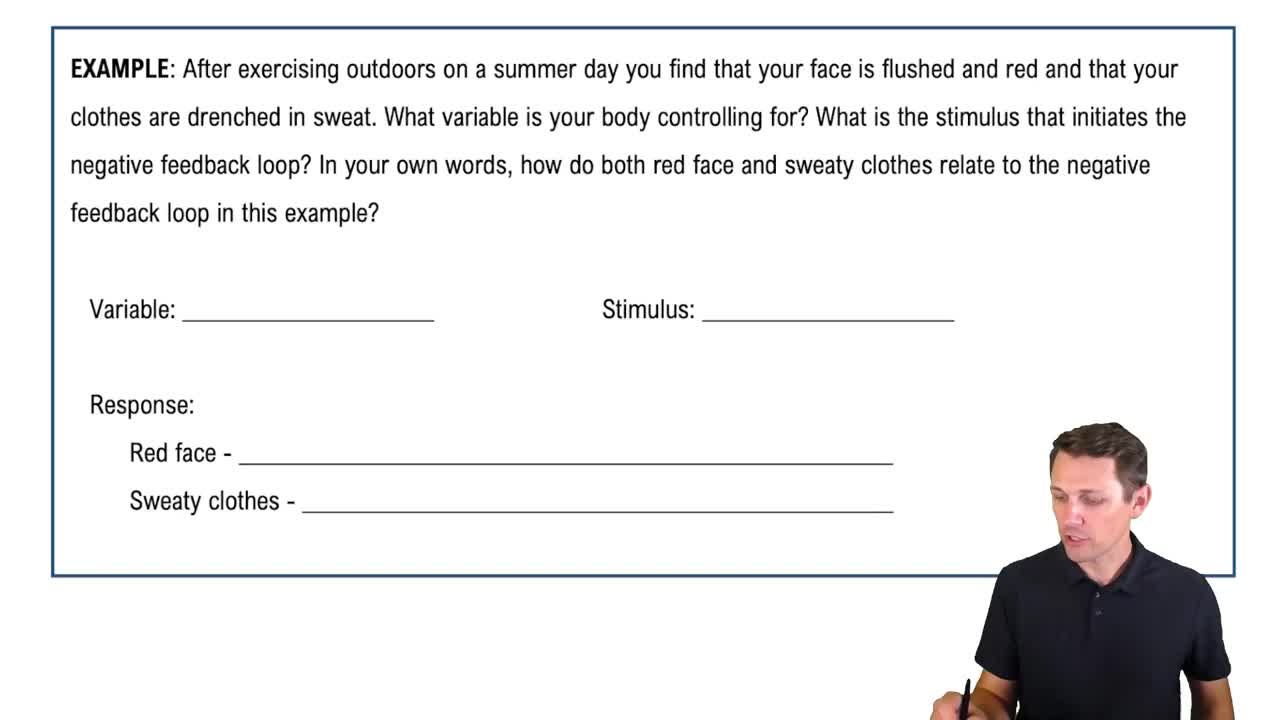
Feedback Loops: Negative Feedback
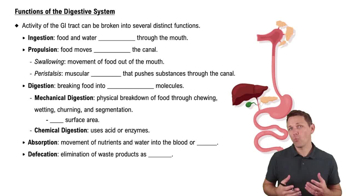
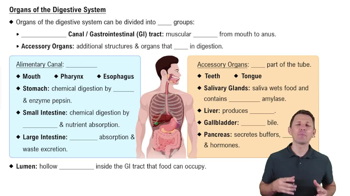
Introduction to the Digestive System
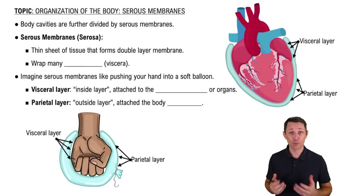
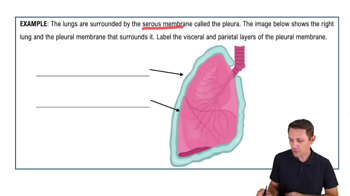
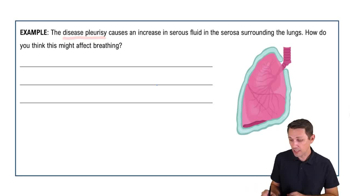
Organization of the Body: Serous Membranes
Introduction to the Integumentary System
 뒤로
 업로드한 자료에 맞춘 엄선된 수업 – 모든 주제를 단계별로 배워보세요.
 3:06