 뒤로
뒤로Chemistry Basics for Anatomy & Physiology: Atoms, Molecules, and Biochemistry
스터디 가이드 - 스마트 노트
 자료에 맞춘 맞춤형 노트, 핵심 정의, 예시, 맥락을 확장해 제공합니다.
Chemistry Basics in Anatomy & Physiology
Atoms and Atomic Structure
Atoms are the fundamental units of matter, forming the basis for all chemical processes in the body. Understanding their structure is essential for grasping cellular and molecular functions in Anatomy & Physiology.
Atom: The smallest unit of an element, consisting of a nucleus (protons and neutrons) and electron shells.
Proton (p+): Positively charged particle in the nucleus; defines the atomic number.
Neutron (n0): Neutral particle in the nucleus; contributes to atomic mass.
Electron (e-): Negatively charged particle orbiting the nucleus; involved in chemical bonding.
Electron shells: Energy levels where electrons reside; the outermost shell is the valence shell.
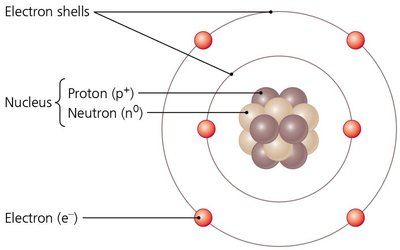
Example: Carbon atom has 6 protons, 6 neutrons, and 6 electrons.
The Periodic Table of Elements
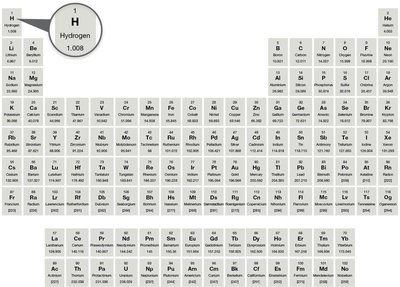
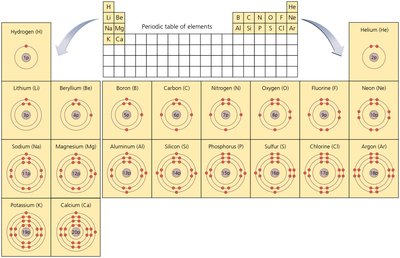
The periodic table organizes elements by their atomic number, chemical symbol, and atomic mass. It is a fundamental tool for identifying elements relevant to biological systems.
Atomic number: Number of protons in the nucleus; unique for each element.
Atomic mass: Sum of protons and neutrons; electrons have negligible mass.
Chemical symbol: Abbreviation for each element (e.g., H for hydrogen).
Ions and Isotopes
Atoms can exist as ions or isotopes, which are important in physiological processes and medical applications.
Ion: Atom with unequal numbers of protons and electrons.
Cation: Positively charged ion (lost electrons).
Anion: Negatively charged ion (gained electrons).
Isotope: Atoms of the same element with different numbers of neutrons.
Radioactive isotopes: Unstable isotopes used in medical imaging and treatments.
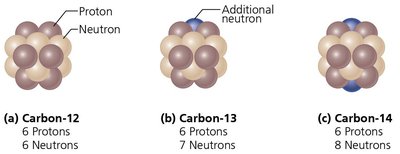
Example: Carbon-12, Carbon-13, and Carbon-14 are isotopes of carbon.
Electron Configuration and Chemical Behavior
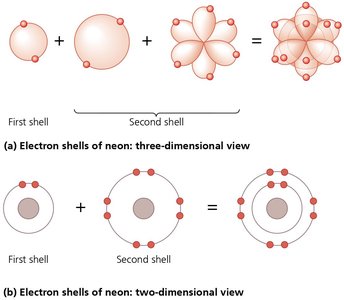
Electron shells and their arrangement determine how atoms interact and form bonds. Valence electrons are key to chemical reactivity.
Valence electrons: Electrons in the outermost shell; participate in bonding.
Stable configuration: Atoms with full valence shells are nonreactive (e.g., noble gases).
Reactive atoms: Atoms with incomplete valence shells seek to gain, lose, or share electrons.
Biologically Important Functional Groups
Functional Groups in Organic Molecules
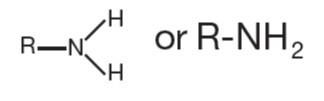
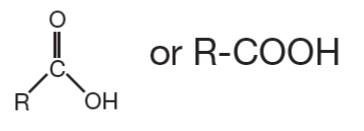
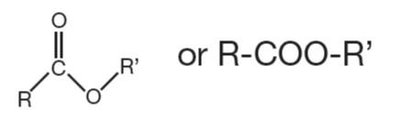
Functional groups are specific clusters of atoms within molecules that determine their chemical properties and reactivity. They are essential for the structure and function of biomolecules.
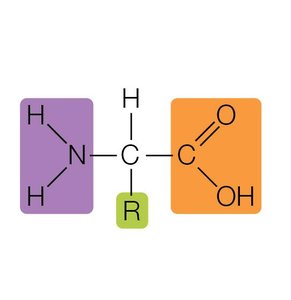
Amine group: R-NH2; found in amino acids and nucleotides.
Carboxyl group: R-COOH; present in amino acids and fatty acids.
Ester group: R-COO-R'; found in lipids.
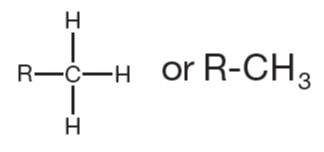
Methyl group: R-CH3; common in hydrocarbons and DNA regulation.
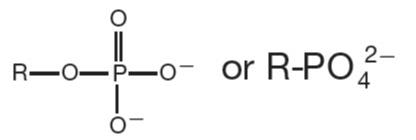
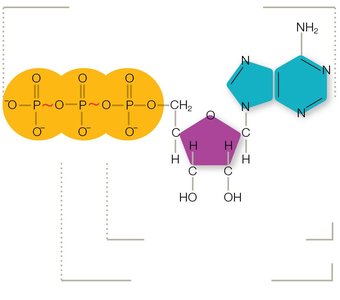
Phosphate group: R-PO42-; found in nucleic acids and ATP.
Acids, Bases, and pH
Acids, Bases, and Salts
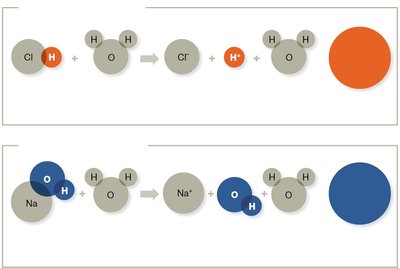
Acids and bases are crucial for maintaining physiological pH and are involved in many biochemical reactions.
Acid: Releases H+ ions in solution.
Base: Releases OH- ions in solution.
Salt: Formed when acids and bases react; consists of a cation and an anion.
Buffer: Stabilizes pH by absorbing or releasing H+ ions.
Solution Concentration and Molarity
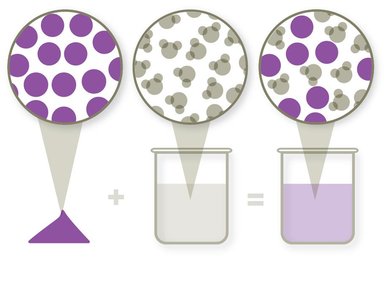
The concentration of solutes in a solution is important for physiological processes, such as intravenous therapy.
Molarity (mol/L): Moles of solute per liter of solution.
Weight-volume proportion: Mass of solute per volume of solvent (e.g., mg/mL).
pH Scale and Biological Relevance
The pH scale measures the acidity or basicity of a solution, which is vital for cellular function and homeostasis.
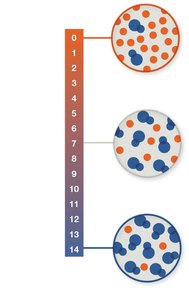
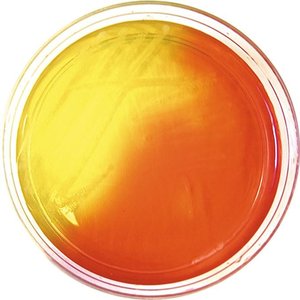
pH scale: Ranges from 0 (acidic) to 14 (basic); pH 7 is neutral.
Logarithmic scale: Each unit represents a tenfold change in H+ concentration.
Human blood pH: 7.35–7.45; deviations can cause acidosis or alkalosis.
Chemical Bonds and Interactions
Ionic Bonds
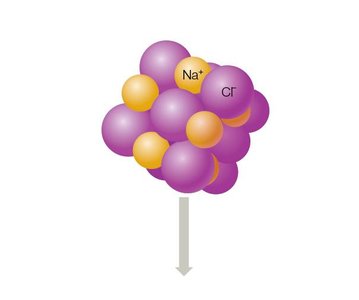
Ionic bonds form between oppositely charged ions, playing a key role in electrolyte balance and cellular signaling.
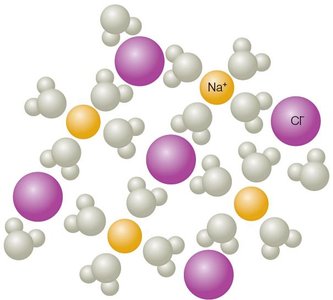
Ionic bond: Electrostatic attraction between cations and anions.
Electrolytes: Dissolved ions in solution; essential for nerve and muscle function.
Covalent Bonds
Covalent bonds involve the sharing of electrons between atoms, forming stable molecules such as water and organic compounds.
Single covalent bond: One pair of shared electrons (e.g., H2).
Double covalent bond: Two pairs of shared electrons (e.g., O2).
Carbon: Can form four covalent bonds, enabling complex organic structures.
Polar Covalent Bonds and Hydrogen Bonds
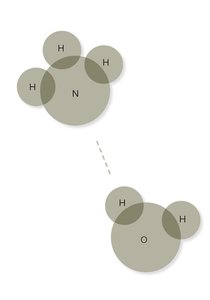
Polar covalent bonds create partial charges, leading to hydrogen bonding, which is critical for water properties and biomolecular structure.
Polar covalent bond: Unequal sharing of electrons; creates dipoles (e.g., H2O).
Hydrogen bond: Weak electrostatic attraction between polar molecules.
Hydrophobic, Hydrophilic, and Amphipathic Molecules
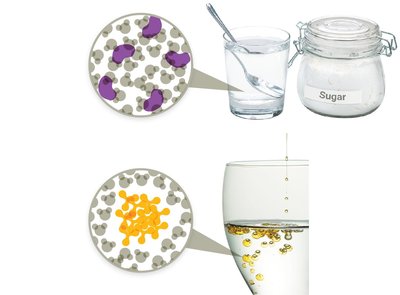
These properties determine how molecules interact with water, affecting cell membrane structure and function.
Hydrophilic: Water-loving; dissolves in water (e.g., sugars).
Hydrophobic: Water-fearing; does not dissolve in water (e.g., fats).
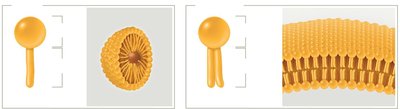
Amphipathic: Contains both hydrophilic and hydrophobic regions (e.g., phospholipids).
Chemical Reactions and Energy
Types of Chemical Reactions
Chemical reactions are essential for metabolism and cellular processes. They involve making and breaking chemical bonds.
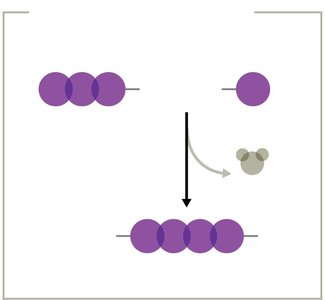
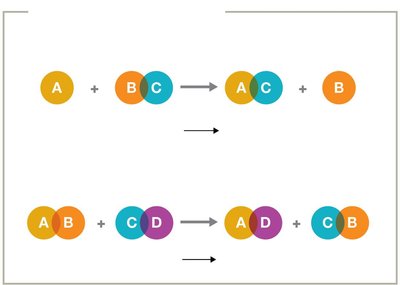
Synthesis reaction: Combines reactants to form a product (e.g., dehydration synthesis).
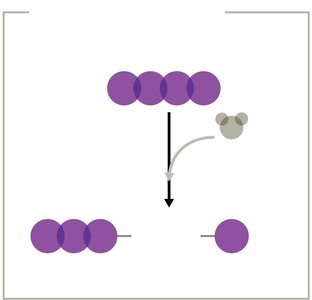
Decomposition reaction: Breaks down compounds into simpler components (e.g., hydrolysis).
Exchange reaction: Swaps components between compounds.
Activation Energy and Reaction Types
Activation energy is required to initiate chemical reactions. Reactions can be exergonic (release energy) or endergonic (consume energy).
Activation energy: Minimum energy needed to start a reaction.
Exergonic reaction: Releases more energy than it uses.
Endergonic reaction: Uses more energy than it releases.
Biologically Important Macromolecules
Classes of Biomolecules
Cells are built from four main classes of biomolecules: carbohydrates, lipids, nucleic acids, and proteins. Each has unique building blocks and functions.
Biomolecule | Examples | Building Blocks | Notes |
|---|---|---|---|
Carbohydrates | Glucose, Sucrose, Glycogen | Simple sugars | Monosaccharides, disaccharides, polysaccharides |
Nucleic Acids | DNA, RNA | Nucleotides | Genetic material, protein synthesis |
Proteins | Enzymes, Antibodies | Amino acids | Catalysts, immune response |
Lipids | Fats, Oils, Waxes, Steroids | Glycerol, Fatty acids | Energy storage, cell membranes |
Carbohydrates
Carbohydrates are organic molecules made of carbon, hydrogen, and oxygen. They serve as energy sources and structural components.
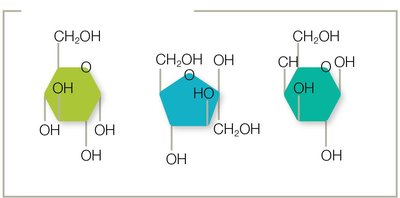
Monosaccharides: Single sugar units (e.g., glucose, fructose, galactose).
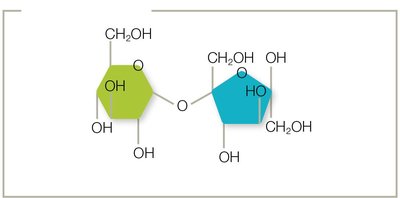
Disaccharides: Two monosaccharides linked by glycosidic bonds (e.g., sucrose).
Polysaccharides: Long chains of monosaccharides (e.g., glycogen, cellulose).
Lipids
Lipids are hydrophobic molecules that include fats, oils, waxes, and steroids. They are important for energy storage and membrane structure.
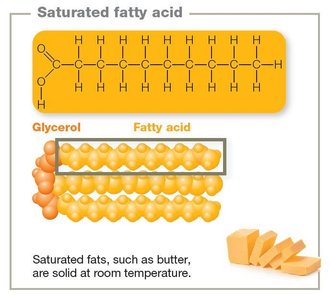
Saturated lipids: No double bonds; solid at room temperature (e.g., butter).
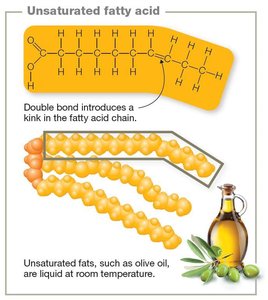
Unsaturated lipids: One or more double bonds; liquid at room temperature (e.g., olive oil).
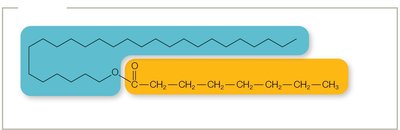
Waxes: Fatty acids linked to long-chain alcohols.
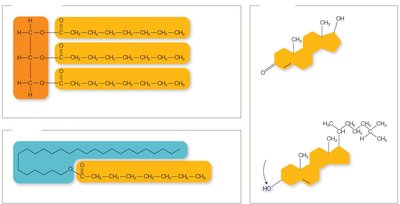
Steroids: Four fused hydrocarbon rings; includes cholesterol.
Nucleic Acids
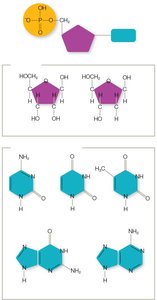
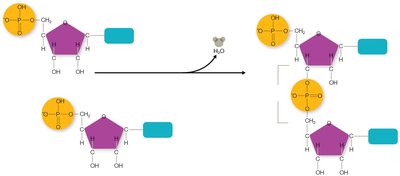
Nucleic acids (DNA and RNA) are polymers of nucleotides and serve as the genetic material of cells and viruses.
DNA: Double-stranded; contains deoxyribose sugar and bases A, G, C, T.
RNA: Single-stranded; contains ribose sugar and bases A, G, C, U.
Phosphodiester bonds: Link nucleotides to form the backbone.
Proteins
Proteins are polymers of amino acids and are essential for nearly all cellular functions.
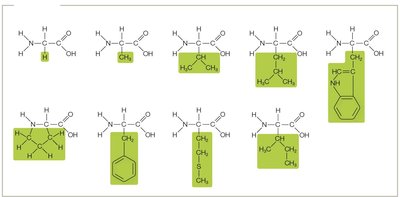
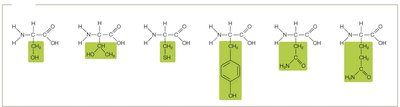
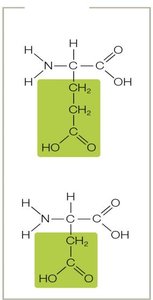
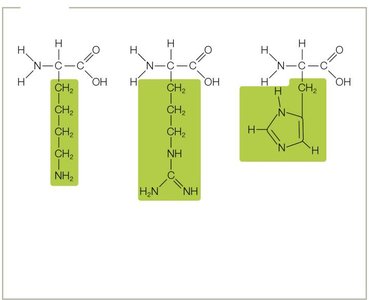
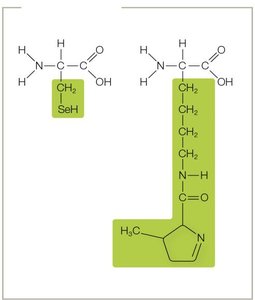
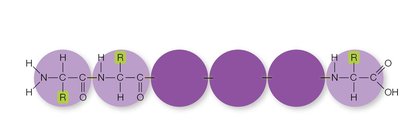
Amino acids: 20 standard, 2 nonstandard; each has an amine group, carboxyl group, and unique R group.
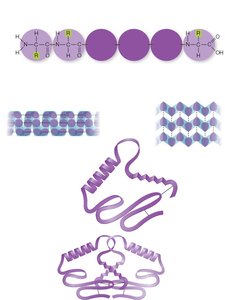
Peptide bonds: Covalent bonds linking amino acids.
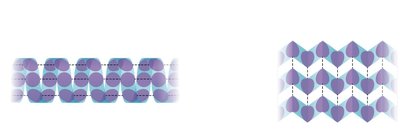
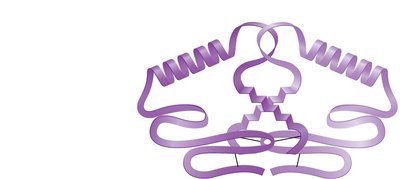
Protein structure: Four levels—primary, secondary, tertiary, quaternary.

Summary Table: Common Elements of Life
Element | Symbol | Atomic Number | Biological Significance |
|---|---|---|---|
Hydrogen | H | 1 | Component of organic molecules and water; H+ released by acids |
Carbon | C | 6 | Backbone of organic molecules |
Nitrogen | N | 7 | Component of amino acids, proteins, and nucleic acids |
Oxygen | O | 8 | Component of many organic molecules and water; necessary for aerobic metabolism |
Sodium | Na | 11 | Principal cation outside cells |
Potassium | K | 19 | Principal cation inside cells; essential for nerve impulses |
Calcium | Ca | 20 | Essential for muscular contraction and signaling |
Phosphorus | P | 15 | Component of nucleic acids and ATP |
Sulfur | S | 16 | Component of proteins |
Iron | Fe | 26 | Transports oxygen in blood |
Additional info: This guide expands on brief points with academic context, definitions, and examples to ensure completeness and clarity for Anatomy & Physiology students.
