 뒤로
Fluid, Electrolyte, and Acid-Base Balance: Study Guide for Anatomy & Physiology
스터디 가이드 - 스마트 노트
 자료에 맞춘 맞춤형 노트, 핵심 정의, 예시, 맥락을 확장해 제공합니다.
Fluid, Electrolyte, and Acid-Base Balance
Fluid Balance
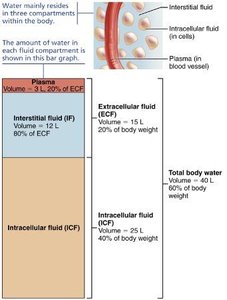
Fluid balance refers to the maintenance of the body's water content, which is essential for physiological function. Water is distributed between two main compartments: intracellular and extracellular. The proportion of water in the body depends on the ratio of fat to lean body mass, with lean tissue containing more water than adipose tissue.
Intracellular Fluid (ICF): Fluid within cells; accounts for about 40% of body weight.
Extracellular Fluid (ECF): Fluid outside cells, including interstitial fluid and plasma; accounts for about 20% of body weight.
Fluid Compartments: Water moves between compartments to maintain homeostasis.
Exchange of Gases, Nutrients, Water, and Wastes
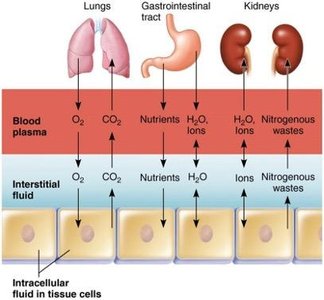
Substances such as oxygen, carbon dioxide, nutrients, ions, and wastes are exchanged between blood plasma, interstitial fluid, and intracellular fluid. This exchange is vital for cellular metabolism and homeostasis.
Lungs: Exchange O2 and CO2 between blood and air.
Gastrointestinal Tract: Absorbs nutrients and water, releases wastes.
Kidneys: Regulate water, ions, and excrete nitrogenous wastes.
Fluid Intake and Output
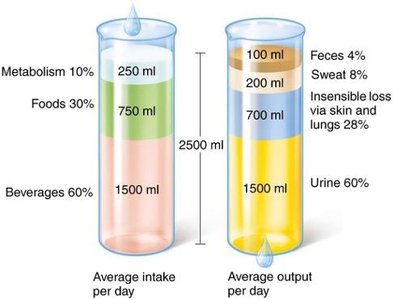
Fluid balance is achieved when daily water intake equals water output. Water intake comes from beverages, food, and metabolic processes, while output occurs via urine, feces, sweat, and insensible losses (skin and lungs).
Average Intake: 2500 mL/day (60% beverages, 30% food, 10% metabolism).
Average Output: 2500 mL/day (60% urine, 28% insensible loss, 8% sweat, 4% feces).
Regulation of Water Intake
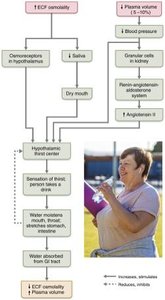
The hypothalamic thirst center controls the urge to drink. It is stimulated by osmoreceptors, dry mouth, decreased blood volume or pressure, and angiotensin II. Drinking water inhibits the thirst center through relief of dry mouth and activation of stretch receptors in the stomach and intestines.
Osmoreceptors: Detect changes in ECF osmolality.
Angiotensin II: Stimulates thirst in response to low blood volume.
Feedback Inhibition: Occurs when water is ingested.
Regulation of Water Output
Water output is regulated by obligatory losses (skin, airways, urine, sweat, feces) and by the kidneys, which adjust urine volume and concentration based on fluid intake, diet, and water loss.
Obligatory Losses: Minimum urine output (500 mL/day) required to excrete wastes.
Kidney Response: Begins to eliminate excess water about 30 minutes after ingestion.
ADH Release: Inhibition takes time after water intake.
Influence of Antidiuretic Hormone (ADH)
ADH regulates water reabsorption in the collecting ducts of the kidneys. Its release is stimulated by increased ECF osmolality or decreased blood volume/pressure. ADH increases water reabsorption, concentrating urine and increasing body fluid volume.
Low ADH: Increases urine output, decreases body fluid volume.
High ADH: Decreases urine output, increases body fluid volume.
Stimuli: Intense sweating, vomiting, diarrhea, blood loss, burns, fever.
Disorders of Water Balance
Imbalances in water intake or output can lead to dehydration, hypotonic hydration, or edema.
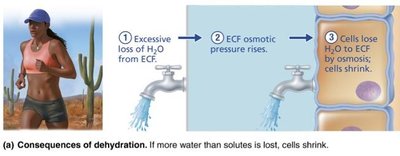
Dehydration: Loss of ECF fluid; symptoms include thirst, dry mouth, reduced urine output, weight loss, confusion, hypovolemic shock.
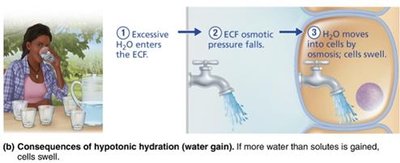
Hypotonic Hydration: Excess water intake; leads to cellular swelling, nausea, vomiting, cerebral edema.
Edema: Excess fluid in interstitial space; impairs tissue function.
Electrolyte Balance
Electrolytes and Their Importance
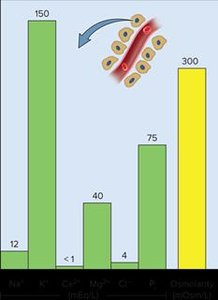
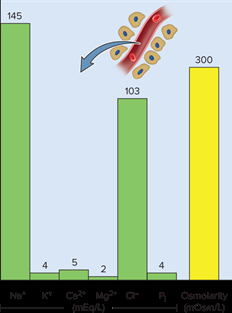
Electrolytes are salts that dissociate into ions in water, essential for cellular function. Major cations include Na+, K+, Ca2+; major anions include Cl-, bicarbonate, and phosphate. Electrolyte balance is maintained by absorption in the intestines and excretion by the kidneys.
Na+ and K+ Balance
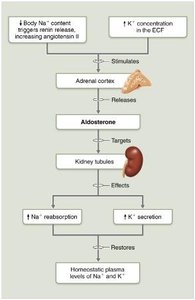
Sodium is the most abundant cation in ECF and determines water distribution. Potassium is most abundant in ICF and is critical for maintaining resting membrane potential. Both are regulated by aldosterone, which promotes Na+ reabsorption and K+ excretion. Natriuretic peptides cause sodium and water excretion.


Regulation of Sodium Balance
Sodium and water balance are coupled to blood pressure and volume control. Aldosterone plays the biggest role, reabsorbing most filtered Na+ in the proximal convoluted tubule (PCT) and nephron loops. When aldosterone is high, more Na+ is reabsorbed, increasing ECF volume; when low, more Na+ is excreted, decreasing ECF volume.
Na+ Imbalances
Hyponatremia: Sodium deficiency; can affect athletes who lose sodium via sweating and compensate by drinking plain water.
Hypernatremia: Excess sodium; less common.
Clinical Homeostatic Imbalance
Aldosterone deficiency (e.g., Addison's Disease) can result in large losses of NaCl and water, leading to hyponatremia and hypovolemia. Patients must be monitored and ingest adequate salt and fluids.
Regulation of Potassium Balance
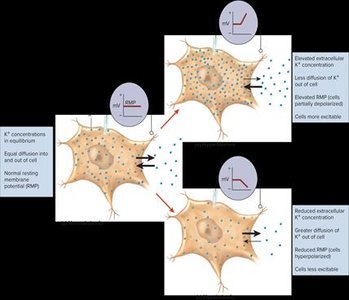
Potassium balance is regulated in the distal convoluted tubule (DCT) and collecting ducts. The kidneys have limited ability to retain K+, so excessive loss leads to hypokalemia. K+ imbalances are the most dangerous of all electrolyte imbalances.
Hypokalemia: K+ deficiency; can result from vomiting, diarrhea, laxative abuse, aldosterone hypersecretion; causes muscle weakness and cardiac arrhythmia.
Hyperkalemia: Excess K+; acute onset from crush injury, slow onset from aldosterone hyposecretion or renal failure; causes muscle cramps, vomiting, diarrhea, cardiac arrhythmia.
Acid-Base Balance
Importance of Acid-Base Balance
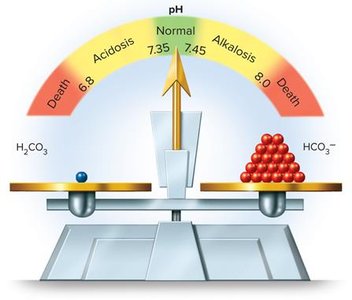
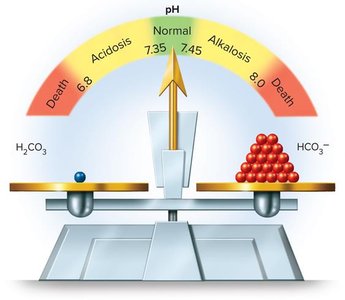
Proteins are pH-sensitive, and life processes depend on maintaining a narrow pH range (7.35–7.45). Acidosis (pH below 7.35) depresses the nervous system, while alkalosis (pH above 7.45) causes hyperexcitability of nerve and muscle cells.
Regulation of Acid-Base Balance
Acid-base balance is regulated by three mechanisms: chemical buffers, respiratory system, and urinary system.
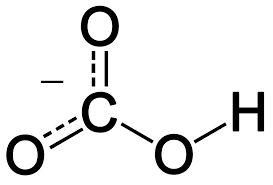
Chemical Buffers: Act quickly to stabilize pH by binding or releasing H+.
Respiratory Buffers: Adjust CO2 levels to influence pH; hypoventilation causes acidosis, hyperventilation causes alkalosis.
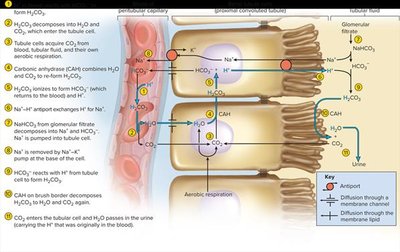
Renal Buffers: Slowest mechanism; kidneys generate bicarbonate and H+ to regulate blood pH.
Effects of Acidosis and Alkalosis
Severe deviations in blood pH can be life-threatening. Blood pH below 6.8 can cause coma and death; above 7.8 can cause muscle tetany, nervousness, convulsions, and death from respiratory arrest.
Acid-Base Imbalances in Relation to Electrolyte and Fluid Imbalances
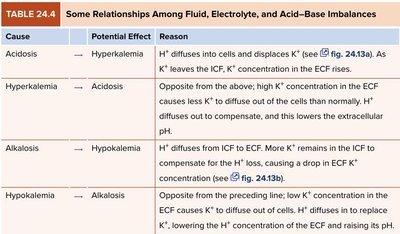
Acid-base imbalances often occur alongside fluid and electrolyte disturbances. For example, acidosis can cause hyperkalemia, while alkalosis can cause hypokalemia. The following table summarizes these relationships:
Cause | Potential Effect | Reason |
|---|---|---|
Acidosis | Hyperkalemia | H+ diffuses into cells and displaces K+; as K+ leaves the ICF, K+ concentration in the ECF rises. |
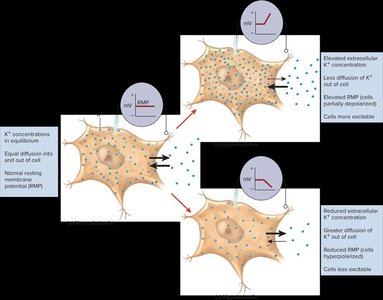
Hyperkalemia | Acidosis | High K+ concentration in the ECF causes less K+ to diffuse out of cells; H+ diffuses out to compensate, raising the extracellular pH. |
Alkalosis | Hypokalemia | pH diffuses from ICF to ECF; more K+ remains in the ICF to compensate for H+ loss, causing a drop in ECF K+ concentration. |
Hypokalemia | Alkalosis | Low K+ concentration in the ECF causes K+ to diffuse out of cells; H+ diffuses in to replace K+, lowering the K+ concentration of the ECF and raising its pH. |
Summary
Fluid, electrolyte, and acid-base balance are interrelated and essential for maintaining homeostasis. Disruptions in one system often affect the others, leading to clinical consequences that require careful management.
