 뒤로
Influenza Vaccines: Production, Effectiveness, and Public Health Impact
스터디 가이드 - 스마트 노트
 자료에 맞춘 맞춤형 노트, 핵심 정의, 예시, 맥락을 확장해 제공합니다.
Influenza Vaccine Production and Selection
Annual Vaccine Formulation and Strain Selection
The influenza vaccine is updated annually to match circulating virus strains. The process involves global surveillance and scientific analysis to predict which strains will be most prevalent in the upcoming flu season. The vaccine is typically multivalent, containing three or four strains to maximize protection.
Multivalent Vaccine: Contains 3 or 4 strains (e.g., H1N1, H3N2, B lineage).
Production Timeline: Decisions for the next year's vaccine are made around February.
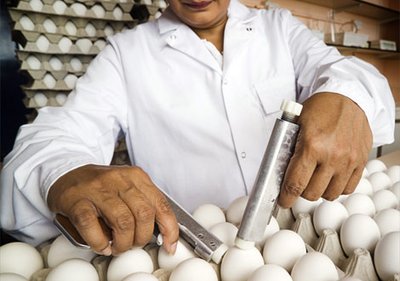
Virus Growth: Viruses are grown in chicken eggs or cell culture, a process that takes several months.
Annual Requirement: A new vaccine is needed each flu season due to viral mutation and antigenic drift.
CDC Laboratory Work and Surveillance
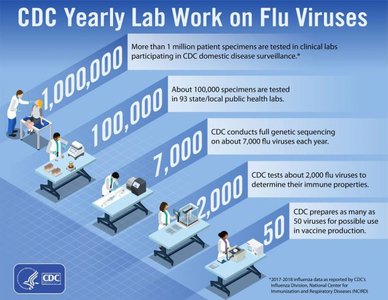
The CDC conducts extensive laboratory work to monitor flu viruses and inform vaccine production. This includes testing patient specimens, sequencing viral genomes, and evaluating immune properties of candidate viruses.
Specimen Testing: Over 1 million patient specimens are tested annually.
Genetic Sequencing: About 7,000 flu viruses are sequenced each year.
Vaccine Candidate Preparation: Up to 50 viruses are prepared for possible use in vaccine production.
Vaccine Effectiveness and Immunity
Immunological Response and Effectiveness
Influenza vaccines are designed to stimulate the immune system without causing illness. Immunity develops approximately two weeks after vaccination, and effectiveness ranges from 70-90%, though it is lower in elderly populations.
Cannot Cause Illness: The vaccine contains inactivated or recombinant viral components.
Immunity Timeline: Takes about two weeks to develop protective immunity.
Effectiveness: 70-90% effective in healthy adults; less effective in elderly.
Community Protection: Vaccinating children helps reduce spread and protect vulnerable populations.
Vaccine Recommendations and Public Health Guidelines
Who Should Get Vaccinated?
Seasonal flu vaccination is recommended for nearly everyone aged 6 months and older, with few exceptions. Egg-free vaccines are available for those with egg allergies.
Universal Recommendation: Everyone 6 months and older should receive the flu vaccine.
Exceptions: Individuals allergic to eggs (egg-free options available) or those ill with fever should avoid vaccination.
Antiviral Medications for High-Risk Groups
Antiviral medications are recommended for individuals at high risk of severe flu complications, including pregnant women, young children, older adults, and those with chronic illnesses or residing in nursing homes.
High-Risk Groups: Pregnant women, young children, older adults, chronic illness patients, nursing home residents.
Influenza Surveillance and Disease Burden
National Influenza Surveillance
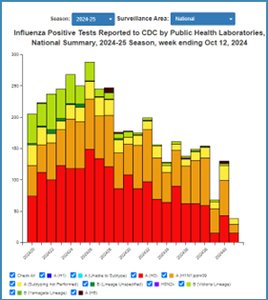
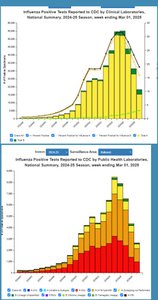
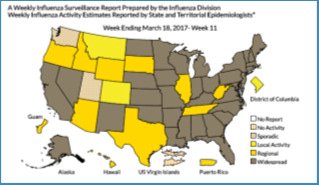
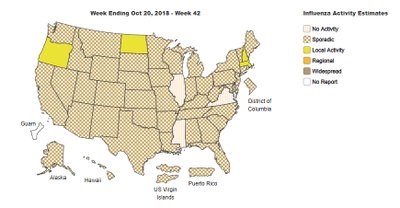
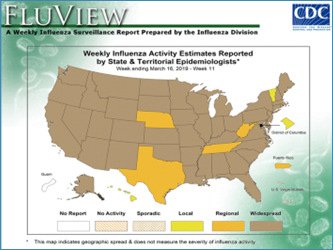
Influenza activity is monitored across the United States through laboratory testing and epidemiological reports. Surveillance data help track the spread and severity of flu each season.
Positive Test Reports: Public health laboratories report weekly influenza positive tests.
Geographic Spread: Maps show local, regional, and widespread activity.
Peak Flu Activity and Mortality Trends
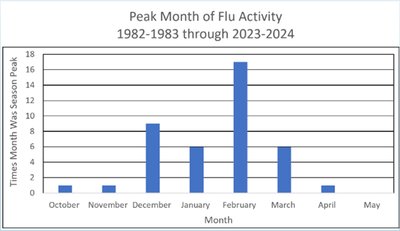
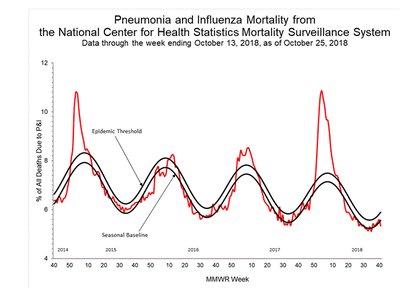
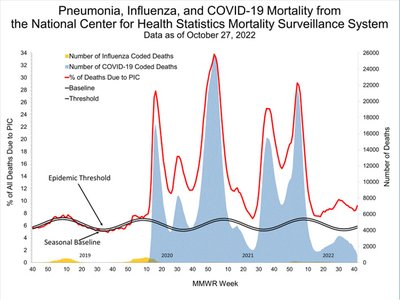
Flu activity typically peaks in the winter months, with February being the most common peak month. Mortality from influenza and pneumonia is tracked to identify epidemic thresholds and seasonal baselines.
Peak Month: February is most often the peak month for flu activity.
Mortality Surveillance: Epidemic thresholds are used to monitor deaths due to influenza and pneumonia.
Flu Disease Burden Estimates
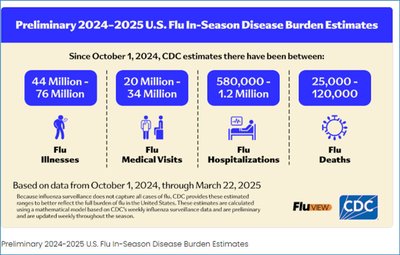
The CDC estimates the annual burden of influenza in the United States, including illnesses, medical visits, hospitalizations, and deaths. Even in a typical year, flu causes significant morbidity and mortality, especially among the very young and very old.
Annual Impact: 44–76 million illnesses, 20–34 million medical visits, 580,000–1.2 million hospitalizations, 25,000–120,000 deaths (2024–2025 estimates).
Vulnerable Populations: Most deaths occur in very young and very old individuals.
Summary Table: Influenza Vaccine Production and Public Health Impact
Aspect | Description |
|---|---|
Vaccine Formulation | Multivalent, updated annually, 3-4 strains |
Production Method | Virus grown in eggs or cell culture |
Effectiveness | 70-90% (lower in elderly) |
Recommendation | Everyone 6 months and older |
High-Risk Groups | Pregnant, young children, elderly, chronic illness |
Annual Burden | 44–76 million illnesses, 25,000–120,000 deaths |
Additional info: These notes expand on brief points with academic context, including definitions, examples, and surveillance data to provide a comprehensive overview of influenza vaccine production and its public health significance.
