 뒤로
Innate and Adaptive Defenses: Blood and Immune System Mechanisms
스터디 가이드 - 스마트 노트
 자료에 맞춘 맞춤형 노트, 핵심 정의, 예시, 맥락을 확장해 제공합니다.
Innate Defenses
Overview of Innate Defenses
The innate immune system provides the body's first line of defense against pathogens. It includes physical barriers, cellular responses, and chemical mechanisms that act rapidly and non-specifically to protect the body.
White Blood Cells (WBCs): Key cellular components that identify and destroy pathogens.
Inflammation: A localized response to infection or injury, characterized by redness, heat, swelling, and pain.
Antimicrobial Proteins: Proteins that attack microorganisms or hinder their reproduction.
Antimicrobial Proteins
Antimicrobial proteins enhance innate defense by directly attacking microorganisms or hindering their ability to reproduce. The most important antimicrobial proteins are interferons and complement proteins.
Interferons: Proteins released by virus-infected cells that signal neighboring cells to produce antiviral proteins, thereby limiting viral spread.
Complement Proteins: A group of blood proteins that, when activated, enhance inflammation and directly destroy bacteria.
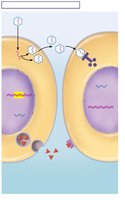
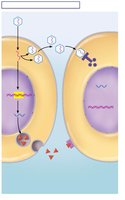
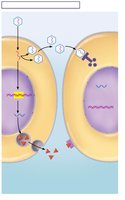
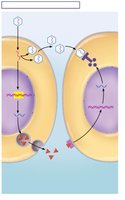
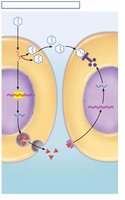
Interferon Mechanism
Interferons are produced by cells infected with viruses. They bind to receptors on neighboring cells, stimulating the production of antiviral proteins that block viral replication.
Step 1: Virus infects a cell, triggering interferon production.
Step 2: Interferon is released and binds to receptors on nearby cells.
Step 3: Neighboring cells produce antiviral proteins, protecting them from viral infection.
Complement System
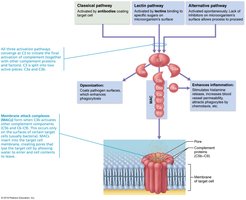
The complement system consists of 20-30 blood proteins that circulate in inactive form. When activated, they enhance inflammation, opsonize pathogens, and directly destroy bacteria by forming membrane attack complexes.
Activation Pathways: Classical, lectin, and alternative pathways.
Functions: Opsonization, enhancement of inflammation, and direct lysis of pathogens.
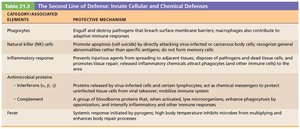
Summary Table: Innate Cellular and Chemical Defenses
Element | Protective Mechanism |
|---|---|
Phagocytes | Engulf and destroy pathogens |
Natural killer cells | Attack virus-infected and cancerous cells |
Inflammatory response | Prevents spread, disposes of debris, alerts adaptive immune system |
Antimicrobial proteins | Interferons and complement proteins block viral replication and destroy pathogens |
Fever | Elevated temperature inhibits microbial growth and increases repair rate |
Adaptive Defenses
Overview of Adaptive Immunity
The adaptive immune system is a specific defense mechanism that eliminates pathogens or abnormal cells. It is characterized by specificity, systemic action, and memory.
Specificity: Targets specific antigens.
Systemic: Not restricted to the initial site of infection.
Memory: Mounts stronger responses upon subsequent exposures.
Branches of Adaptive Immunity
Humoral Immunity: Mediated by antibodies produced by B lymphocytes; targets extracellular pathogens.
Cellular Immunity: Mediated by T lymphocytes; targets intracellular pathogens and abnormal cells.
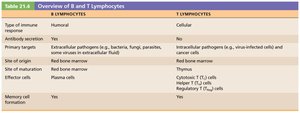
Comparison Table: B and T Lymphocytes
B Lymphocytes | T Lymphocytes | |
|---|---|---|
Type of immune response | Humoral | Cellular |
Antibody secretion | Yes | No |
Primary targets | Extracellular pathogens | Intracellular pathogens |
Site of origin | Red bone marrow | Thymus |
Effector cells | Plasma cells | Cytotoxic T cells, Helper T cells, Regulatory T cells |
Memory cell formation | Yes | Yes |
Antigens and Antigenic Determinants
Antigens are substances that provoke an immune response. Most are large, complex molecules not normally found in the body. Antigenic determinants are specific regions of an antigen that antibodies or lymphocyte receptors bind to.
Complete Antigens: Have immunogenicity and reactivity.
Haptens: Incomplete antigens; become immunogenic when attached to body proteins.

Self-Antigens: MHC Proteins
Self-antigens are proteins on cell surfaces that are not antigenic to self but may be antigenic to others. MHC proteins are glycoproteins coded by the major histocompatibility complex and are unique to each individual. They present self or foreign antigens to T cells.
Antigen-Presenting Cells (APCs)
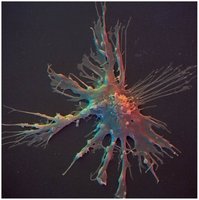
APCs engulf antigens and present fragments to T cells for recognition. Types include dendritic cells, macrophages, and B lymphocytes.
Dendritic Cells: Found in connective tissues and epidermis; most effective antigen presenters.
Macrophages: Widely distributed; activate T cells and trigger inflammation.
B Lymphocytes: Present antigens to helper T cells for their own activation.
Lymphocyte Development and Activation
B and T lymphocytes originate in red bone marrow. T cells mature in the thymus, while B cells mature in the bone marrow. Mature, immunocompetent lymphocytes seed secondary lymphoid organs and circulate through blood and lymph.
Antigen Encounter and Activation: Lymphocytes are activated when their receptors bind to an antigen.
Proliferation and Differentiation: Activated lymphocytes multiply and differentiate into effector and memory cells.
Humoral Immune Response
Primary and Secondary Responses
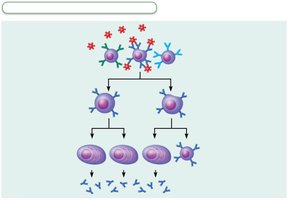
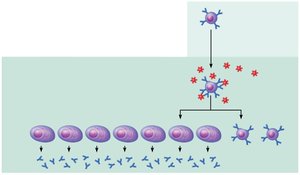
When a B cell encounters its target antigen, it provokes a humoral immune response, producing antibodies specific for that antigen. The primary response occurs upon first exposure, while the secondary response is faster and stronger upon re-exposure.
Primary Response: Lag period of 3-6 days; peak antibody levels in 10 days.
Secondary Response: Faster, more prolonged, and more effective; antibody levels peak in 2-3 days and remain high for weeks to months.
Active and Passive Humoral Immunity
Humoral immunity can be acquired actively or passively.
Active Immunity: B cells encounter antigens and produce antibodies. Can be naturally acquired (infection) or artificially acquired (vaccination).
Passive Immunity: Ready-made antibodies are introduced into the body. No immunological memory is established.
Summary Table: Types of Humoral Immunity
Type | Acquisition | Features |
|---|---|---|
Active, Natural | Infection | Antibody production, memory |
Active, Artificial | Vaccination | Antibody production, memory |
Passive, Natural | Maternal antibodies | No memory, temporary protection |
Passive, Artificial | Injection of antibodies | No memory, temporary protection |
Example: The MMR vaccine provides artificial active immunity by exposing the body to attenuated pathogens, stimulating antibody production without causing disease.
Additional info: Immunological memory is a hallmark of adaptive immunity, allowing for rapid and robust responses to previously encountered antigens.
