 뒤로
The Endocrine System: Mechanisms, Hormones, and Regulation
스터디 가이드 - 스마트 노트
 자료에 맞춘 맞춤형 노트, 핵심 정의, 예시, 맥락을 확장해 제공합니다.
The Endocrine System
Mechanisms of Cell-to-Cell Communication
The regulation of body activities and maintenance of homeostasis require effective communication between cells. This communication occurs through several mechanisms:
Direct communication: Cells communicate via gap junctions or direct contact.
Nervous communication: Involves neurotransmitters released by neurons.
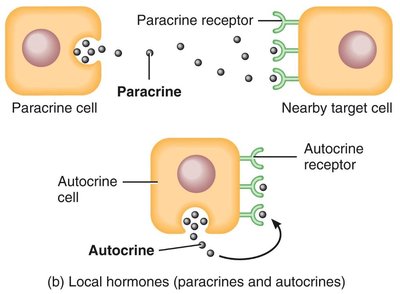
Autocrine and paracrine communication: Local hormones act on the same cell (autocrine) or nearby cells (paracrine).
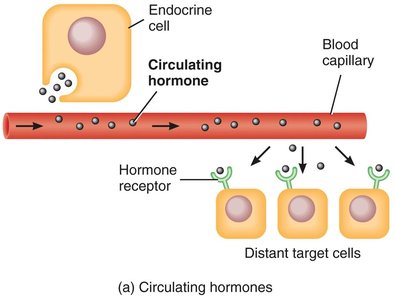
Endocrine communication: Hormones are released into the bloodstream and act on distant target cells.
Autocrine and Paracrine Communication
Autocrine and paracrine communication utilize local hormones that do not enter the blood. Paracrine hormones act over short distances between neighboring cells, such as in coordinated tissue growth. Autocrine hormones act on the cell that produces them, for example, self-activation of immune cells like T lymphocytes.
Endocrine Communication
Endocrine communication involves the release of hormones into the blood, allowing them to travel to distant target cells that possess specific hormone receptors.
Introduction to the Endocrine System
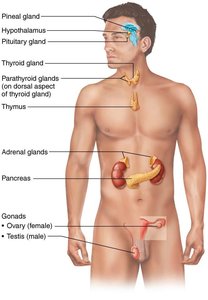
The endocrine system consists of glands and organs that synthesize and release hormones. These hormones regulate various physiological processes throughout the body.
Hormones: General Characteristics
All hormones share four general characteristics, illustrated here using insulin as an example:
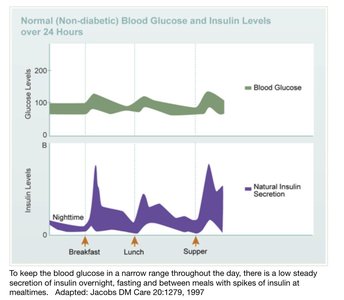
Specific rates and rhythms of secretion: Hormones are released in patterns, such as insulin's steady, rhythmic pulse throughout the day and increased release after meals.
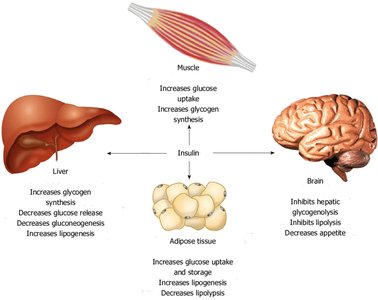
Target cell specificity: Hormones affect only cells with appropriate receptors. Insulin targets skeletal muscle, adipose tissue, liver, and brain.
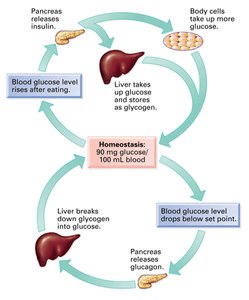
Feedback regulation: Hormone release is regulated by feedback systems. For example, insulin is released in response to rising blood glucose, and its release is inhibited once glucose levels normalize.
Removal and half-life: Hormones are removed by enzymatic breakdown in the liver and kidneys. The half-life is the time required for hormone levels in blood to decrease by half; insulin's half-life is 3-10 minutes.
Insulin Release Pattern
Insulin secretion follows a daily rhythm, with spikes after meals and a basal level maintained overnight and between meals.
Insulin Effect through Its Receptors
Insulin acts on cells with insulin receptors, influencing glucose uptake, storage, and metabolism in muscle, liver, adipose tissue, and the brain.
Insulin Negative Feedback Loop
Insulin release is regulated by a negative feedback loop to maintain blood glucose homeostasis.
Chemical Classes of Hormones
Hormones are classified based on their chemical structure, which determines their solubility, mechanism of action, and site of secretion:
Lipid-soluble hormones: Include steroid hormones and thyroid hormones. These hormones can cross cell membranes and typically act on intracellular receptors.
Water-soluble hormones: Include amino acid-based and peptide hormones. These hormones act on cell surface receptors and often use second messenger systems.
Major Hormone Classes and Examples
Chemical Class | Hormones | Site of Secretion |
|---|---|---|
Thyroid hormones | T3 (triiodothyronine), T4 (thyroxine) | Thyroid gland |
Gas hormones | Nitric oxide (NO), prostaglandins, leukotrienes | Endothelial cells, all cells except RBCs |
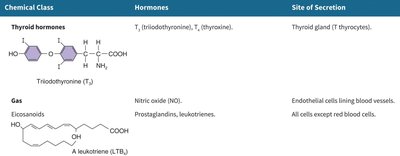
Chemical Class | Hormones | Site of Secretion |
|---|---|---|
Steroid hormones | Aldosterone, cortisol, androgens, calcitriol, testosterone, estrogens, progesterone | Adrenal cortex, kidneys, testes, ovaries |
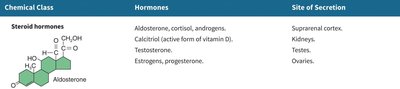
Chemical Class | Hormones | Site of Secretion |
|---|---|---|
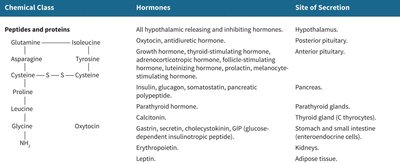
Peptides and proteins | Hypothalamic releasing/inhibiting hormones, oxytocin, antidiuretic hormone, growth hormone, TSH, ACTH, FSH, LH, prolactin, insulin, glucagon, somatostatin, parathyroid hormone, calcitonin, gastrin, secretin, cholecystokinin, GIP, erythropoietin, leptin | Hypothalamus, pituitary, pancreas, parathyroid, thyroid, stomach, kidneys, adipose tissue |
Chemical Class | Hormones | Site of Secretion |
|---|---|---|
Amines | Epinephrine, norepinephrine, melatonin, histamine, serotonin | Adrenal medulla, pineal gland, mast cells, platelets |

Mechanisms of Hormone Action
Lipid-Soluble Hormones
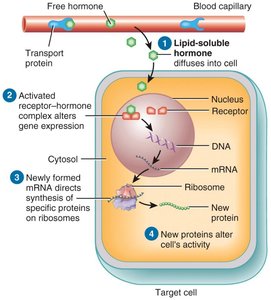
Lipid-soluble hormones diffuse through the plasma membrane and bind to intracellular receptors, often in the nucleus. This hormone-receptor complex alters gene expression, leading to the synthesis of specific proteins that change cell activity.
Water-Soluble Hormones
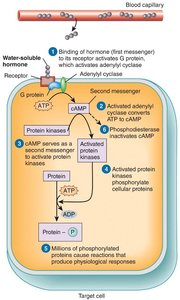
Water-soluble hormones bind to cell surface receptors and activate second messenger systems, such as cAMP. This cascade leads to the activation of protein kinases and the phosphorylation of cellular proteins, producing physiological responses.
Regulation of Hormone Release
Hormone levels in the blood are regulated by three main mechanisms:
Humoral regulation: Changes in blood chemistry (e.g., ion or nutrient levels) stimulate hormone release.
Neural regulation: Nervous system signals trigger hormone release.
Hormonal regulation: Other hormones stimulate or inhibit hormone release.
Humoral Regulation Example
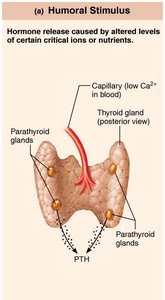
Altered levels of ions, such as low calcium, stimulate the parathyroid glands to release parathyroid hormone (PTH).
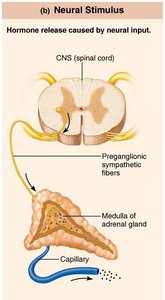
Neural Regulation Example
Neural input from the central nervous system stimulates the adrenal medulla to release hormones.
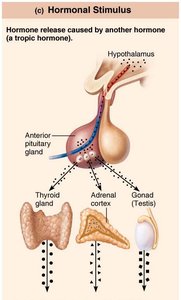
Hormonal Regulation Example
Tropic hormones from the hypothalamus and pituitary stimulate other endocrine glands, such as the thyroid, adrenal cortex, and gonads.
The Hypothalamus and Pituitary Gland
Hypothalamus
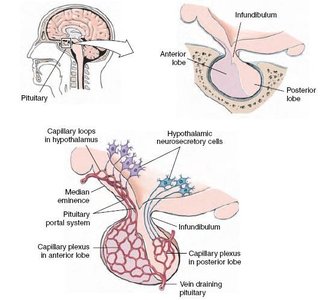
The hypothalamus links the nervous and endocrine systems. It contains neuro-secretory cells that produce regulatory hormones, which control the anterior pituitary, and hormones stored in the posterior pituitary. It also contains sympathetic motor neurons that act on the adrenal gland.
Pituitary Gland
The pituitary gland, or hypophysis, is connected to the hypothalamus by the infundibulum. It consists of two portions: the anterior pituitary (adenohypophysis) and the posterior pituitary (neurohypophysis).
Hypothalamic Regulatory Hormones
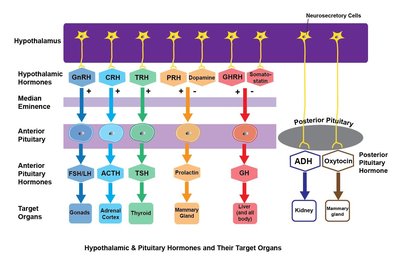
Growth hormone releasing hormone (GHRH)
Somatostatin or growth hormone inhibiting hormone (GHIH)
Prolactin releasing hormone (PRH)
Dopamine or prolactin inhibiting hormone (PIH)
Gonadotropin releasing hormone (GnRH)
Thyrotropin releasing hormone (TRH)
Corticotropin releasing hormone (CRH)
Anterior Pituitary (Adenohypophysis)
The anterior pituitary receives hormones from the hypothalamus via the hypophyseal portal system. It releases six hormones, some of which are tropic (target other endocrine glands):
Adrenocorticotropic hormone (ACTH) – targets adrenal cortex
Growth hormone (GH) – targets liver and other tissues
Follicle-stimulating hormone (FSH) – targets gonads
Luteinizing hormone (LH) – targets gonads
Thyroid-stimulating hormone (TSH) – targets thyroid gland
Prolactin (PRL) – targets mammary gland
Posterior Pituitary (Neurohypophysis)
The posterior pituitary stores and releases two hormones produced by the hypothalamus:
Oxytocin – targets mammary gland
Antidiuretic hormone (ADH, vasopressin) – targets kidney
Clinical Correlations: Pituitary Hormone Disorders
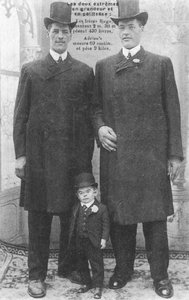
Hormone A: Growth Hormone Disorders
Altered secretion of growth hormone can lead to conditions such as gigantism or dwarfism, affecting stature and growth.
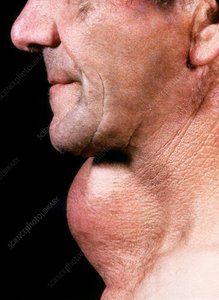
Hormone B: Thyroid Disorders
Excess or deficiency of thyroid hormones can cause goiter and other metabolic disturbances.
Hormone C: Adrenocorticotropic Hormone Disorders
Excess ACTH can lead to symptoms such as excessive facial hair, irregular menstrual cycles, slow wound healing, suppressed immune system, high blood pressure, and muscle weakness.
Hormone D: Antidiuretic Hormone Disorders
Deficiency of ADH can cause polyuria, polydipsia, and nocturia, characteristic of diabetes insipidus.
Summary
The endocrine system is a complex network of glands and hormones that regulate numerous physiological processes. Understanding the mechanisms of hormone action, regulation, and the roles of the hypothalamus and pituitary gland is essential for comprehending endocrine function and its clinical implications.
