Ch. 24 Nutrition, Metabolism, and Energy Balance
Marieb - Human Anatomy & Physiology 11th Edition
Marieb, Hoehn11th EditionHuman Anatomy & PhysiologyISBN: 9780136874034당신이 사용하는 게 아니라요?교과서 변경
24장, 문제 4

Which of the following best defines cellular respiration?
a. Intake of carbon dioxide and output of oxygen by cells
b. Excretion of waste products
c. Inhalation of oxygen and exhalation of carbon dioxide
d. Oxidation of substances by which energy is released in usable form to the cells

검증된 단계별 안내
1
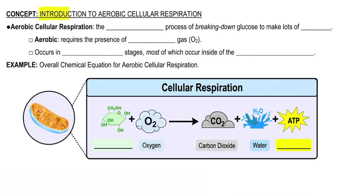
Understand the concept of cellular respiration: Cellular respiration is a biochemical process where cells convert glucose and oxygen into energy (ATP), carbon dioxide, and water. It is essential for providing energy to cells for their functions.
Eliminate incorrect options: Review each answer choice and compare it to the definition of cellular respiration. For example, options related to inhalation/exhalation or excretion of waste products are not directly related to the biochemical process of energy production.
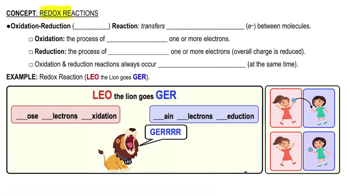
Focus on the key term 'oxidation': Cellular respiration involves the oxidation of glucose molecules, where electrons are transferred to oxygen, releasing energy stored in chemical bonds.
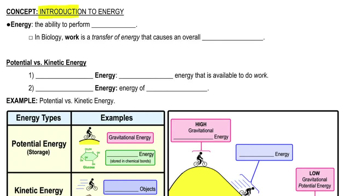
Recall the usable form of energy: The energy released during cellular respiration is stored in the form of ATP (adenosine triphosphate), which is the primary energy currency of the cell.
Select the correct answer: Based on the definition and process of cellular respiration, identify the option that describes the oxidation of substances to release energy in a usable form for cells.

비슷한 문제에 대한 검증된 영상 답변:

이 영상 해법은 위 문제에 도움이 된다고 튜터들이 추천한 것입니다.

주요 개념

질문에 올바르게 답하기 위해 반드시 이해해야 하는 핵심 개념들은 다음과 같습니다.

Cellular Respiration

Cellular respiration is a biochemical process in which cells convert nutrients, primarily glucose, into energy in the form of adenosine triphosphate (ATP). This process involves a series of metabolic reactions that occur in the mitochondria of cells, utilizing oxygen and producing carbon dioxide as a byproduct.
추천 영상:
가이드 코스
03:38
Introduction to Cellular Respiration

Oxidation-Reduction Reactions

Oxidation-reduction (redox) reactions are chemical reactions that involve the transfer of electrons between substances. In cellular respiration, glucose is oxidized, meaning it loses electrons, while oxygen is reduced, gaining electrons. This electron transfer is crucial for the energy release that powers cellular functions.
추천 영상:
가이드 코스
04:46
Redox Reactions

Energy Production

Energy production in cellular respiration occurs through three main stages: glycolysis, the Krebs cycle, and the electron transport chain. Each stage contributes to the breakdown of glucose and the generation of ATP, which is essential for various cellular activities, making it a vital process for all living organisms.
추천 영상:
가이드 코스
4:58
Introduction to Energy