 뒤로
뒤로Animal Courtship, Mating Systems, and Sexual Selection
스터디 가이드 - 스마트 노트
 자료에 맞춘 맞춤형 노트, 핵심 정의, 예시, 맥락을 확장해 제공합니다.
Animal Behavior: Courtship Rituals, Mating Systems, and Sexual Selection
Courtship Rituals
Courtship rituals are specialized behaviors performed by animals, often males, to attract mates and facilitate reproduction. These displays can include dances, songs, physical displays, and other behaviors that signal fitness and compatibility to potential partners.
Definition: Courtship rituals are diverse displays aimed at impressing the opposite sex and facilitating mate selection.
Examples: Pheromones, touch, courtship feeding, lekking, tongue flashing, urine spraying, love darts, sand patterns, grooming, hand clasp.
Functions:
Species and gender recognition
Attracting mates and mate choice
Assessing partner quality
Strengthening pair bonds
Species isolation (preventing interbreeding)
Factors Influencing Courtship: Species-specific behaviors, environmental factors, individual variation, sexual selection.
Example: Birds may perform elaborate dances or sing complex songs to attract mates.
Mating Systems
Mating systems describe the social and reproductive arrangements between males and females in a species. These systems influence genetic diversity, parental investment, and reproductive success.
Monogamy: One mate per individual. Includes social monogamy (pairing) and serial monogamy (extra-pair copulations).
Polygamy: Multiple mates per individual during a breeding period.
Polygyny: One male mates with multiple females. Includes resource defense polygyny, harems, and leks.
Polyandry: One female mates with multiple males. Includes resource defense polyandry and cooperative polyandry.
Promiscuity: No lasting pair bonds; both sexes mate with multiple partners.
Sperm Competition: Competition between sperm from different males to fertilize eggs.
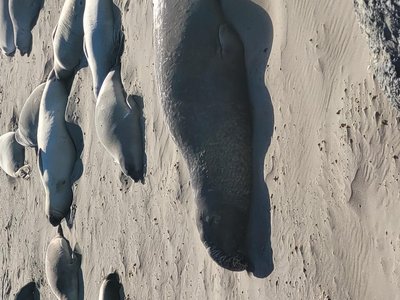
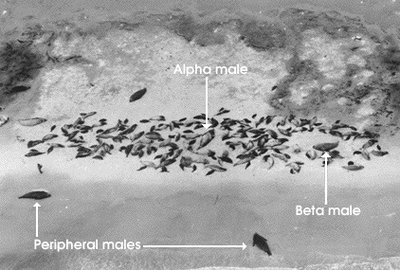
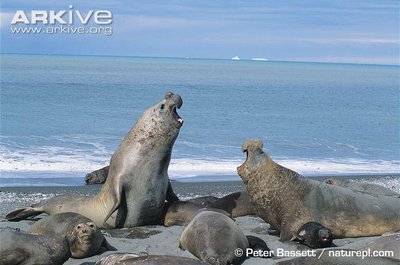
Example: Elephant seals exhibit female defense polygyny, where males defend groups of females and mate with all females in their territory.
Territoriality
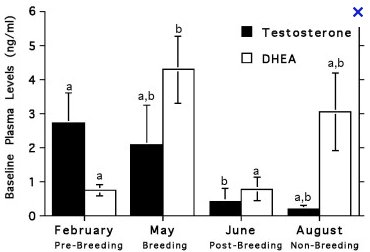
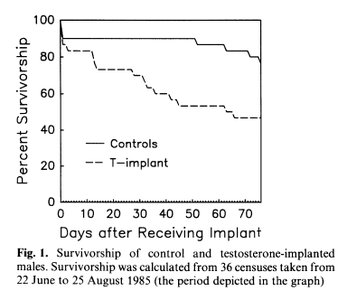
Territorial behavior involves animals actively defending a specific area or resource from others. This behavior is often linked to reproductive success and is influenced by hormonal changes.
Definition: Territoriality is the defense of a habitat or resource (food, water, shelter, mates) against intruders.
Benefits: Access to resources necessary for reproduction.
Costs: Energetically expensive, less time for feeding.
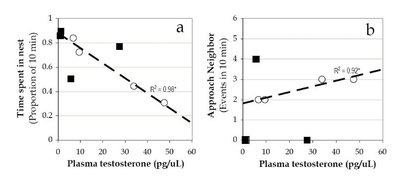
Seasonality: Driven by fluctuations in sex hormones, especially testosterone.
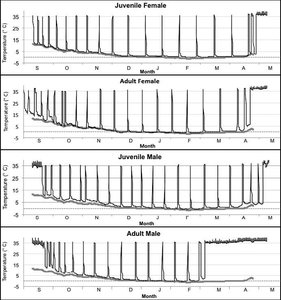
Example: Male ground squirrels exit hibernation before females to establish territories with the best resources.
Resource Defense Polygyny
Resource defense polygyny occurs when males defend territories rich in resources to attract females. Females choose mates based on territory quality.
Example: Ground squirrels: breeding males arouse from hibernation earlier, set up territories with best food sources/burrows, females mate with males in best territories.
Female Defense Polygyny
In female defense polygyny, males defend groups of females from other males, often resulting in harems. Female choice is limited.
Example: Elephant seals: males arrive at breeding colonies first, females follow, and males mate with all females in their territory.
Lekking
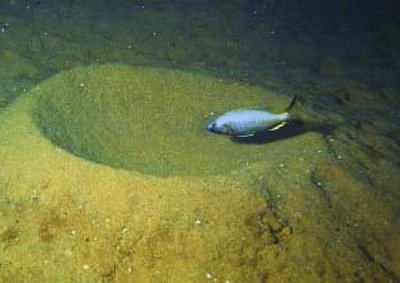
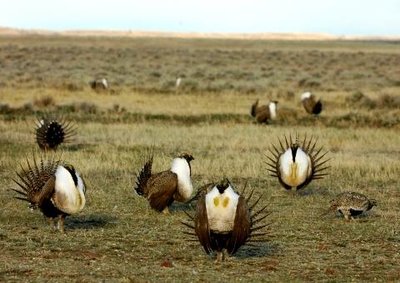
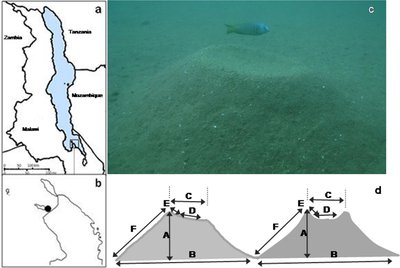
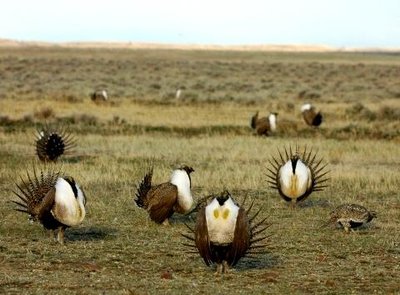
Lekking is a mating system where males gather in communal arenas to perform displays, and females choose mates based on these displays. Only a few dominant males typically mate.
Example: Cichlid fish build sand craters; sage grouse gather in groups, only dominant males breed.
Lek Paradox
The lek paradox questions how genetic variation is maintained when females consistently choose males with similar traits. Variation persists due to mutations, recessive alleles, condition-dependent traits, and host-parasite interactions.
Mutations: Provide new genetic variation.
Recessive alleles: Selected traits may carry other alleles that maintain variation.
Condition-dependent traits: Many physiological factors contribute to trait expression.
Host-parasite interactions: Maintain genetic equilibrium.
Sexual Selection
Sexual selection is the process by which animals develop traits that enhance reproductive success, often at the expense of survival. It includes intersexual (female choice) and intrasexual (male competition) selection.
Intersexual Selection: Female choice based on traits indicating quality or attractiveness.
Intrasexual Selection: Male competition for access to females, often resulting in dominance hierarchies.
Intersexual Selection
Females choose mates based on immediate benefits (parental care), good genes (health, lack of parasites), or mate copying (following other females' choices).
Bateman's Principle: The sex investing most in offspring becomes a limiting resource for which the other sex competes.
Good Genes Hypothesis: Traits like bright colors indicate health and genetic quality.
Fisher's Runaway Selection: Male trait and female preference are genetically correlated, leading to exaggerated traits.
Mate Copying: Females choose mates already selected by others, reducing search costs.
Examples:
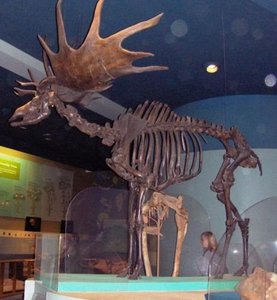
Morphological features: Irish Elk antlers, bird coloration.
Song: Humpback whale song complexity.
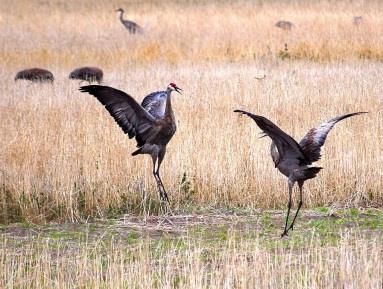
Dance: Crane courtship dances.
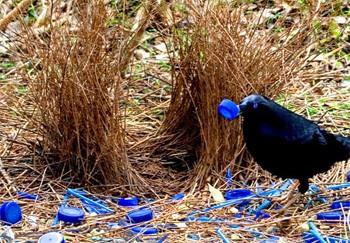
Nest construction: Bowerbird nest quality.
Intrasexual Selection
Males compete for dominance and access to females, often through physical aggression or threat displays. This results in dominance hierarchies and sexual dimorphism.
Threat displays: Vocalization, display of body size, teeth, antlers, facial expression, chemical release, coloration changes.
Physical aggression: Biting, hitting, pushing, chasing.
Examples: Elephant seals, horses, chimpanzees.
Sexual Dimorphism
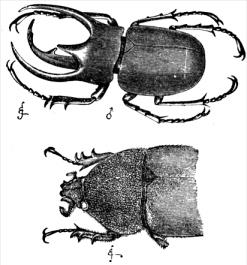
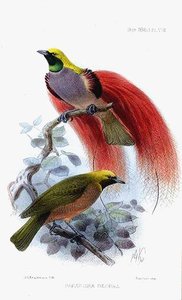
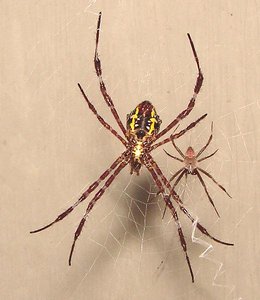
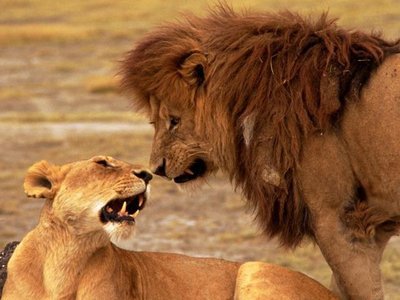
Sexual dimorphism refers to differences in appearance between males and females of a species, often resulting from sexual selection. Examples include size, coloration, and ornamentation.
Examples: Stag beetles, birds of paradise, banana spiders, anglerfish, lions, elephant seals.
Frequency-Dependent Sexual Selection
Frequency-dependent selection occurs when the fitness of a phenotype depends on its frequency relative to other phenotypes. In some lizard species, different male strategies (aggressive, territorial, sneaker) succeed depending on the frequency of competing strategies.
Example: Rock, paper, scissors lizards: orange (aggressive), blue (territorial), yellow (sneaker) males. Each strategy is most successful when its competitors are common.
Strategy | Description | Success Condition |
|---|---|---|
Orange (rock) | Aggressive, dominant | When blue is common |
Blue (scissors) | Territorial, defends mates | When yellow is common |
Yellow (paper) | Sneaker, avoids competition | When orange is common |
Summary: Animal courtship, mating systems, and sexual selection are key components of behavioral ecology, influencing reproductive success, genetic diversity, and evolution. Understanding these concepts provides insight into the complexity of animal behavior and adaptation.
