 뒤로
뒤로Cells Out of Control: Structure, Function, and Regulation in General Biology
스터디 가이드 - 스마트 노트
 자료에 맞춘 맞춤형 노트, 핵심 정의, 예시, 맥락을 확장해 제공합니다.
Cell Structure and Function
Overview of Cell Types
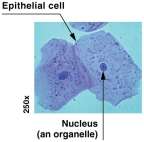
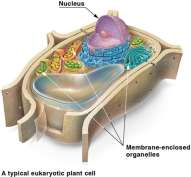
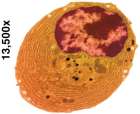
Cells are the fundamental units of life, and their structure and function are central to understanding biology. Eukaryotic cells, found in animals and plants, are larger and more complex than prokaryotic cells, containing membrane-bound organelles that perform specialized functions.
Eukaryotic cells: Have a nucleus and organelles.
Prokaryotic cells: Lack a nucleus and organelles.
Animal and Plant Cell Organelles
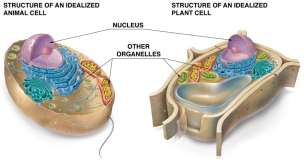
Both animal and plant cells share many organelles, but some are unique to each type. Understanding these organelles is key to grasping cell function.
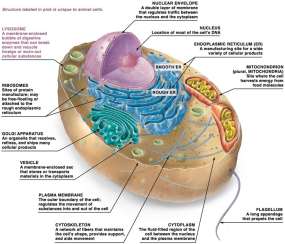
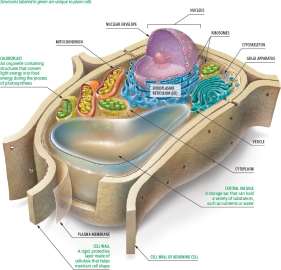
Common organelles: Plasma membrane, nucleus, mitochondria.
Animal cell unique organelle: Lysosomes (digestive enzymes).
Plant cell unique organelles: Chloroplasts (photosynthesis), cell wall (structural support), central vacuole (storage).
Cell Boundaries and Membranes
Plasma Membrane Structure
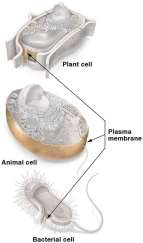
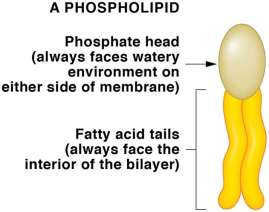
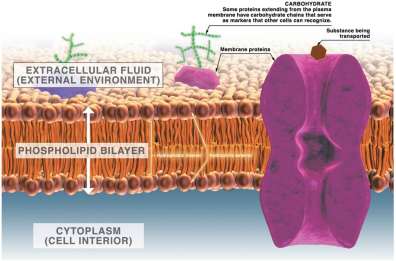
The plasma membrane surrounds every cell, regulating the passage of materials. It is composed of a phospholipid bilayer with embedded proteins.
Phospholipid bilayer: Hydrophilic heads face outward; hydrophobic tails face inward.
Membrane proteins: Facilitate transport and communication.
Membrane Function: Selective Permeability
Membranes are selectively permeable, allowing some substances to pass freely, others under certain conditions, and blocking some entirely.
Regulation of flow: Essential for maintaining homeostasis.
Transport Across Membranes
Passive Transport
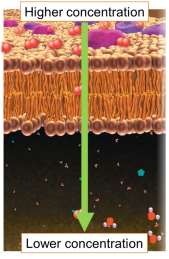
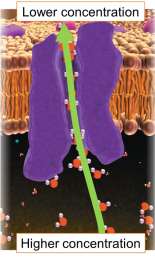
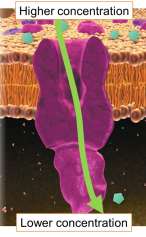
Passive transport does not require energy and moves substances along a concentration gradient.
Diffusion: Movement from high to low concentration.
Osmosis: Diffusion of water across a membrane.
Facilitated diffusion: Large molecules move via transport proteins.
Active Transport
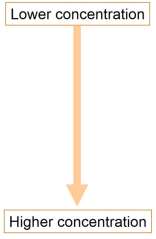
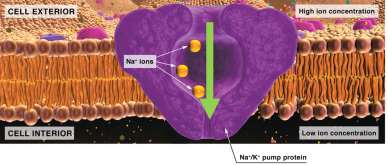
Active transport requires energy to move substances against their concentration gradient, often using membrane proteins.
Example: Sodium-potassium pump moves ions across membrane.
Bulk Transport: Endocytosis and Exocytosis
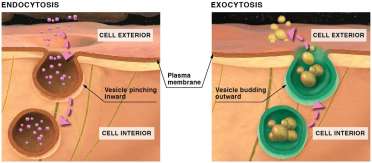
Cells can transport large quantities of substances by fusing portions of the membrane.
Exocytosis: Exporting materials out of the cell.
Endocytosis: Importing materials into the cell.
Protein Production and Cellular Control
DNA, RNA, and Protein Synthesis
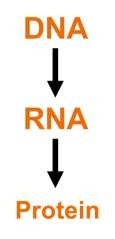
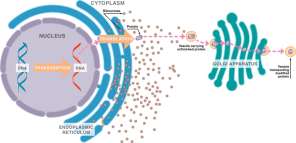
DNA in the nucleus directs cell activities by encoding instructions for protein synthesis. Protein production involves transcription and translation.
Transcription: DNA to RNA in the nucleus.
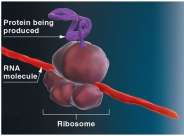
Translation: RNA to protein at ribosomes.
Organelles Involved in Protein Manufacture
Several organelles work together to produce, finalize, and transport proteins.
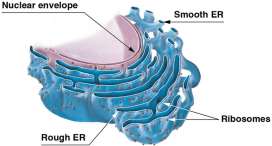
Rough ER: Site of protein synthesis.
Smooth ER: Produces lipids.
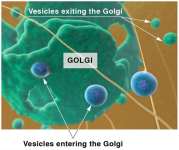
Golgi apparatus: Finishes, sorts, and ships proteins.
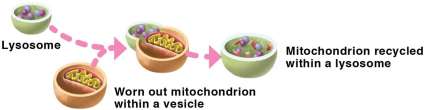
Lysosomes: Digestive vesicles.
Energy and Cellular Respiration
Cellular Respiration Overview
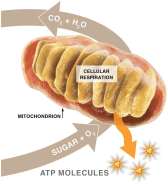
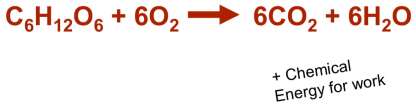
Cellular respiration is the process by which cells harvest energy from sugar, using oxygen. It occurs in all organisms and produces ATP, the cell's energy currency.
Aerobic respiration: Requires oxygen, occurs in mitochondria.
ATP: Adenosine triphosphate, stores and releases energy for cellular work.


Stages of Cellular Respiration
Cellular respiration consists of three main stages:
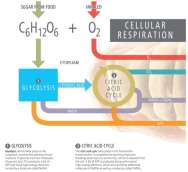
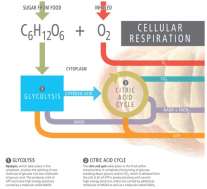
Glycolysis: Splits glucose into pyruvic acid in the cytoplasm.
Citric acid cycle: Breaks down pyruvic acid in mitochondrial fluid, producing high-energy electrons.
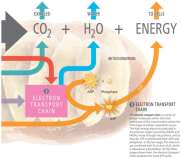
Electron transport chain: Transfers electrons in mitochondrial membranes, producing most ATP.
Overall Equation for Cellular Respiration
The chemical equation for cellular respiration is:
Fermentation and Anaerobic Respiration
Fermentation
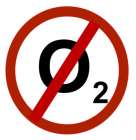
Fermentation is an anaerobic process that allows cells to harvest energy from glucose without oxygen, producing much less ATP.
Lactic acid fermentation: Occurs in muscle cells during oxygen shortage.
Alcohol fermentation: Occurs in yeast, producing alcohol and carbon dioxide.
Cell Growth and Cancer
Genetic Control of Cell Growth
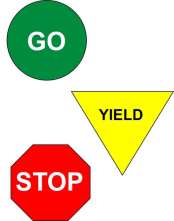
Cell growth is regulated by genes that stimulate or inhibit division. Mutations in these genes can lead to uncontrolled cell growth and cancer.
Proto-oncogenes: Stimulate cell growth; mutations create oncogenes (cancer-causing).
Tumor suppressor genes: Inhibit cell growth; mutations disable inhibition.
Types of Tumors
Benign tumors: Do not spread; can be dangerous if they disrupt organ function.
Malignant tumors: Can spread (metastasis); associated with cancer.
Decreasing Cancer Risk
Adopting healthy behaviors can reduce cancer risk. The following table summarizes risk-reducing behaviors:
Risk-Reducing Behavior | Specific Risk Reduction Information | Biological Mechanism of Risk Reduction |
|---|---|---|
Don’t Use Tobacco | Avoid all tobacco products | Reduces exposure to carcinogens that damage DNA |
Limit Alcohol Consumption | Men: ≤2 drinks/day; Women: ≤1 drink/day | Reduces DNA damage from alcohol-soluble chemicals |
Eat a Low-Fat, High-Fiber Diet | ≥5 servings fruits/vegetables daily | Antioxidants prevent DNA damage |
Exercise Regularly | ≥30 min, 5 days/week | Boosts immune system to destroy cancer cells |
Maintain a Healthy Weight | Avoid obesity | Reduces risk of hormone-sensitive cancers |
Additional info:
Cell structure and function are foundational to understanding energy production, genetic regulation, and disease.
Membrane transport mechanisms are critical for nutrient uptake and waste removal.
Healthy lifestyle choices can significantly impact cellular health and reduce cancer risk.
