 뒤로
Chapter 27: Bacteria and Archaea – Structure, Adaptation, and Diversity
스터디 가이드 - 스마트 노트
 자료에 맞춘 맞춤형 노트, 핵심 정의, 예시, 맥락을 확장해 제공합니다.
Bacteria and Archaea: Masters of Adaptation
Prokaryotic Diversity and Environmental Adaptation
Prokaryotes, which include bacteria and archaea, are the most abundant and versatile organisms on Earth. They thrive in environments that are inhospitable to most other life forms, such as highly saline lakes, acidic hot springs, and polar ice. Their remarkable adaptability is due to structural and functional innovations.
Key Point 1: Prokaryotes are found in extreme environments, including highly saline waters, acidic conditions, and extreme temperatures.
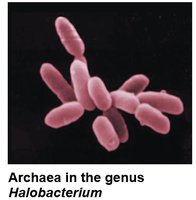
Key Point 2: The pink coloration of some lakes, such as Laguna Salada de Torrevieja in Spain, is caused by trillions of prokaryotes, specifically archaea in the genus Halobacterium.
Example: Halobacterium thrives in salty environments and contributes to the pink color of hypersaline lakes.

Structural and Functional Adaptations of Prokaryotes
Cell Shape and Size
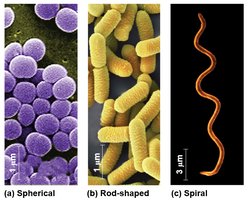
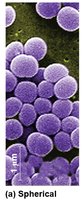
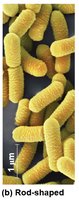
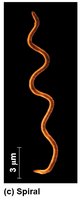
Prokaryotic cells are generally much smaller than eukaryotic cells, typically ranging from 0.5–5 µm. They exhibit three main shapes: spheres (cocci), rods (bacilli), and spirals.
Key Point 1: Most prokaryotes are unicellular, but some form colonies.
Key Point 2: The three most common shapes are cocci (spherical), bacilli (rod-shaped), and spirilla (spiral).
Example: Spherical Staphylococcus, rod-shaped Escherichia coli, spiral Treponema pallidum.
Cell-Surface Structures
The cell wall is a critical structure for prokaryotes, maintaining cell shape, protecting against osmotic lysis, and contributing to pathogenicity.
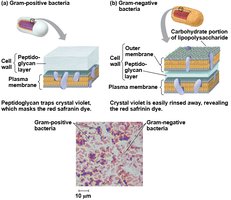
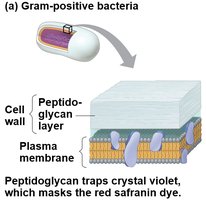
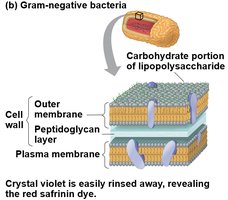
Key Point 1: Bacterial cell walls contain peptidoglycan, a polymer of sugars and amino acids.
Key Point 2: Archaea have cell walls composed of polysaccharides and proteins, lacking peptidoglycan.
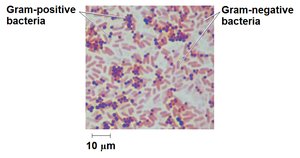
Key Point 3: The Gram stain differentiates bacteria based on cell wall structure: Gram-positive bacteria have thick peptidoglycan layers, while Gram-negative bacteria have thin peptidoglycan and an outer membrane with lipopolysaccharides.
Additional Cell-Surface Features
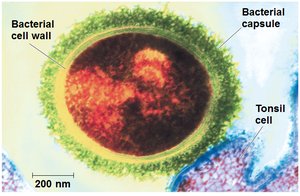
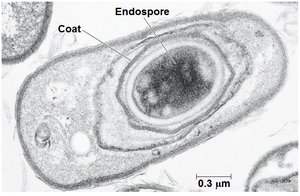
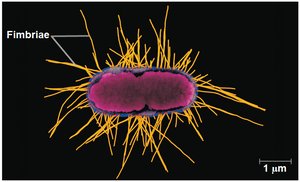
Some prokaryotes possess a capsule, endospores, fimbriae, or pili, which enhance survival and interaction.
Key Point 1: Capsules are sticky layers that aid in adherence and protect against the host immune system.
Key Point 2: Endospores are dormant, resistant structures formed under harsh conditions.
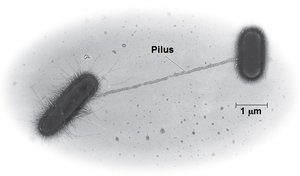
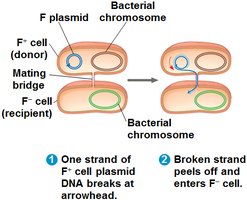
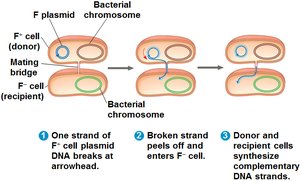
Key Point 3: Fimbriae are hairlike appendages for attachment; pili (sex pili) facilitate DNA transfer between cells.
Motility
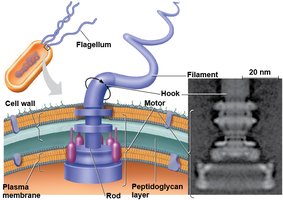
Many prokaryotes are motile, moving toward or away from stimuli (taxis). Flagella are the primary structures for movement, differing in structure and function from eukaryotic flagella.
Key Point 1: Flagella may be distributed over the cell surface or localized at one or both ends.
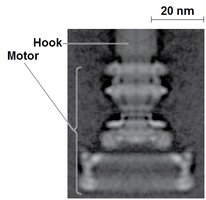
Key Point 2: Prokaryotic flagella consist of a motor, hook, and filament, and are powered by a proton gradient.
Internal Organization and DNA
Genome Structure
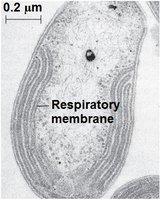
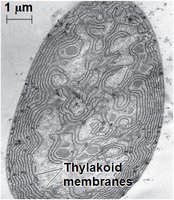
Prokaryotes lack membrane-bound organelles, but some have specialized membrane infoldings for metabolic functions. Their genetic material is organized differently from eukaryotes.
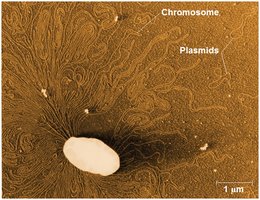
Key Point 1: The genome is typically a single circular chromosome located in the nucleoid region.
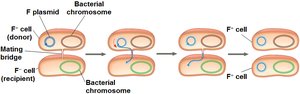
Key Point 2: Plasmids are small, independently replicating DNA rings that carry additional genes.
Key Point 3: Specialized membranes, such as respiratory or thylakoid membranes, support metabolic processes.
Reproduction and Genetic Diversity
Binary Fission and Mutation
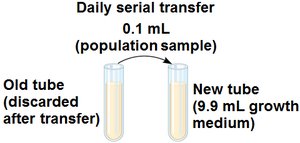
Prokaryotes reproduce rapidly by binary fission, leading to large populations and significant genetic variation.
Key Point 1: Binary fission produces genetically identical offspring.
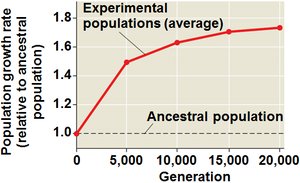
Key Point 2: Mutations accumulate quickly due to short generation times and large population sizes.
Genetic Recombination
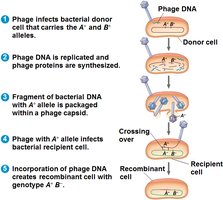
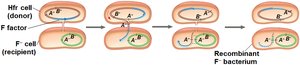
Genetic recombination increases diversity through transformation, transduction, and conjugation.
Key Point 1: Transformation involves uptake of foreign DNA from the environment.
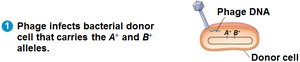
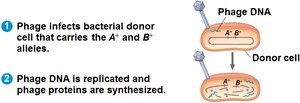
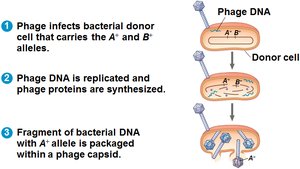
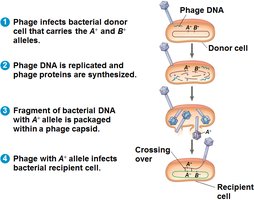
Key Point 2: Transduction is gene transfer via bacteriophages.
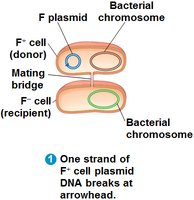
Key Point 3: Conjugation is direct DNA transfer between cells via a pilus.
Metabolic and Nutritional Diversity
Major Nutritional Modes
Prokaryotes are classified by their energy and carbon sources, resulting in four major nutritional modes.
Photoautotrophs: Use light for energy and CO2 for carbon (e.g., cyanobacteria).
Chemoautotrophs: Use inorganic chemicals for energy and CO2 for carbon (e.g., Sulfolobus).
Photoheterotrophs: Use light for energy and organic compounds for carbon (e.g., Rhodobacter).
Chemoheterotrophs: Use organic compounds for both energy and carbon (e.g., Clostridium).
Summary Table: Major Nutritional Modes
Mode | Energy Source | Carbon Source | Types of Organisms |
|---|---|---|---|
Photoautotroph | Light | CO2 or related compound | Cyanobacteria, plants, algae |
Chemoautotroph | Inorganic chemicals | CO2 or related compound | Certain prokaryotes (e.g., Sulfolobus) |
Photoheterotroph | Light | Organic compounds | Certain aquatic/salt-loving prokaryotes |
Chemoheterotroph | Organic compounds | Organic compounds | Many prokaryotes, fungi, animals |
Conclusion
Prokaryotes, encompassing bacteria and archaea, are structurally simple yet functionally diverse. Their adaptations allow them to colonize nearly every environment on Earth, and their rapid reproduction and genetic diversity drive evolutionary success. Understanding their structure, function, and diversity is fundamental to General Biology. Additional info: This summary covers the main structural, functional, and genetic features of prokaryotes, as well as their ecological and evolutionary significance.
