 뒤로
DNA Replication, Gene Expression, and the Genetic Code: Study Notes for General Biology
스터디 가이드 - 스마트 노트
 자료에 맞춘 맞춤형 노트, 핵심 정의, 예시, 맥락을 확장해 제공합니다.
DNA Replication
Overview of DNA Replication
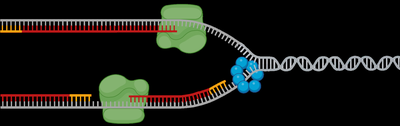
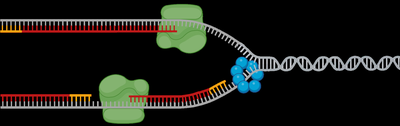
DNA replication is the process by which a cell copies its DNA before cell division. This ensures that each daughter cell receives an identical set of genetic information. - Key Point 1: DNA replication is semi-conservative, meaning each new DNA molecule consists of one old strand and one new strand. - Key Point 2: Replication occurs at the replication fork, where the DNA double helix is unwound.
Major Enzymes Involved in DNA Replication
Several enzymes coordinate the replication process, each with a specific function.
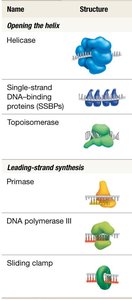
Helicase: Unwinds the DNA double helix.
Single-strand DNA-binding proteins (SSBPs): Stabilize unwound DNA.
Topoisomerase: Relieves twisting forces by breaking and rejoining DNA strands.
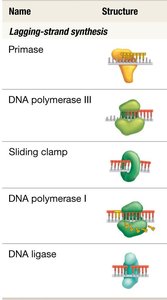
Primase: Synthesizes short RNA primers needed to start DNA synthesis.
DNA polymerase III: Adds nucleotides to the growing DNA strand.
Sliding clamp: Holds DNA polymerase in place during strand extension.
DNA polymerase I: Removes RNA primers and replaces them with DNA.
DNA ligase: Joins DNA fragments by forming phosphodiester bonds.
Replication in Prokaryotes vs. Eukaryotes
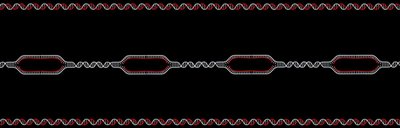
The structure of chromosomes differs between prokaryotes and eukaryotes, affecting replication. - Prokaryotic chromosomes: Typically circular and have a single origin of replication. - Eukaryotic chromosomes: Linear and have multiple origins of replication. 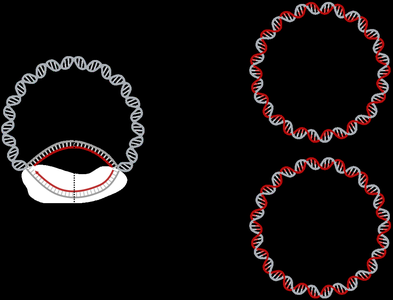
Steps of DNA Replication
1. Unwinding: Helicase separates the DNA strands. 2. Stabilization: SSBPs prevent re-annealing. 3. Relief of tension: Topoisomerase prevents supercoiling. 4. Primer synthesis: Primase creates RNA primers. 5. Elongation: DNA polymerase III adds nucleotides to the 3’ end. 6. Primer removal: DNA polymerase I replaces RNA primers with DNA. 7. Fragment joining: DNA ligase seals nicks between fragments. 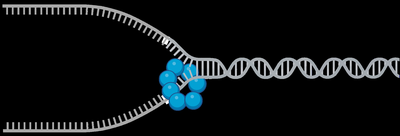
Leading vs. Lagging Strand Synthesis
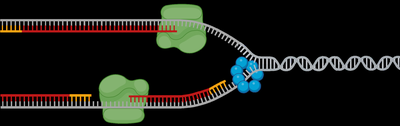
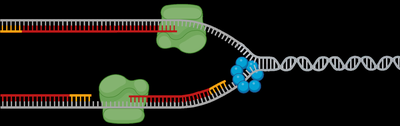
- Leading strand: Synthesized continuously toward the replication fork. - Lagging strand: Synthesized discontinuously away from the fork in short segments called Okazaki fragments.
Directionality and Accuracy
- DNA polymerases can only add nucleotides to the 3’ hydroxyl end. - The DNA helix is antiparallel, so polymerases move in opposite directions on each strand. - DNA polymerases are highly accurate and proofread their work, removing incorrect nucleotides.
Joining DNA Fragments
- DNA ligase: Forms phosphodiester bonds to join Okazaki fragments on the lagging strand.
The Replisome
- The enzymes required for DNA synthesis are organized into a large macromolecular machine called the replisome.
Gene Expression
Overview of Gene Expression
Gene expression is the process by which information stored in DNA is used to produce functional products, such as proteins or functional RNAs. - Key Point 1: Gene expression involves two main steps: transcription and translation. - Key Point 2: Not all genes are expressed in every cell, and expression can vary depending on conditions.
Key Terms and Relationships
Genome: All the genetic information (DNA) in a cell.
Chromosome: A single DNA molecule that is part of the genome and contains many genes.
Gene: A sequence of DNA that contains the information to make a functional product (protein or functional RNA).
Polypeptide: A chain of amino acids; the product of gene expression for protein-coding genes.
Transcription and Translation
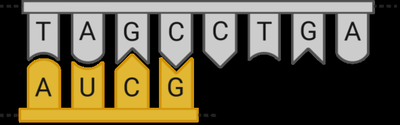
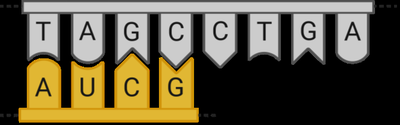
- Transcription: The process by which the DNA sequence of a gene is copied into RNA. - Translation: The process by which the sequence of an mRNA is used to make a polypeptide (protein). 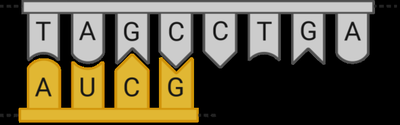

The Central Dogma of Molecular Biology
The central dogma summarizes the flow of genetic information in a cell: DNA → RNA → Protein. - Key Point: DNA is transcribed into RNA, which is then translated into protein. - Additional info: In some cases, information can flow from RNA back to DNA (reverse transcription, e.g., HIV).
Properties of DNA and RNA
- DNA: Less easily degraded, serves as permanent information storage. - RNA: More easily degraded, acts as a temporary message for gene expression.
Functional RNAs
Not all genes code for proteins; some code for functional RNAs such as: - tRNA: Delivers amino acids to ribosomes during translation. - rRNA: Forms the structural and catalytic core of ribosomes. - miRNA: Regulates gene expression. - snRNA: Participates in RNA splicing.
The Genetic Code
Overview of the Genetic Code
The genetic code is a set of rules that allows the nucleotide sequence of an mRNA molecule to specify the amino acid sequence of a polypeptide. - Key Point 1: The code is nearly universal among all organisms. - Key Point 2: Each three-nucleotide sequence (codon) in mRNA specifies a particular amino acid.
Features of the Genetic Code
- Redundancy: Multiple codons can code for the same amino acid. - Start codon: AUG (methionine) signals the start of translation. - Stop codons: UAA, UAG, UGA signal the end of translation.
Application Example: Genetically Engineered Insulin
- The human insulin gene can be inserted into bacteria, which use the same genetic code to produce human insulin.
Genetic Code Table
Codon | Amino Acid |
|---|---|
UUU, UUC | Phe |
UUA, UUG, CUU, CUC, CUA, CUG | Leu |
AUG | Met (Start) |
UAA, UAG, UGA | Stop |
UGG | Trp |
UCU, UCC, UCA, UCG, AGU, AGC | Ser |
CCU, CCC, CCA, CCG | Pro |
CGU, CGC, CGA, CGG, AGA, AGG | Arg |
AUU, AUC, AUA | Ile |
ACU, ACC, ACA, ACG | Thr |
AAU, AAC | Asn |
AAA, AAG | Lys |
GAU, GAC | Asp |
GAA, GAG | Glu |
GUU, GUC, GUA, GUG | Val |
GCU, GCC, GCA, GCG | Ala |
GGU, GGC, GGA, GGG | Gly |
UAU, UAC | Tyr |
UGU, UGC | Cys |
CAU, CAC | His |
CAA, CAG | Gln |
Summary
Understanding DNA replication, gene expression, and the genetic code is fundamental to molecular biology. These processes ensure the accurate transmission and expression of genetic information, enabling cells to function and organisms to develop. Additional info: The notes above expand on brief points and fill in academic context for clarity and completeness.
